
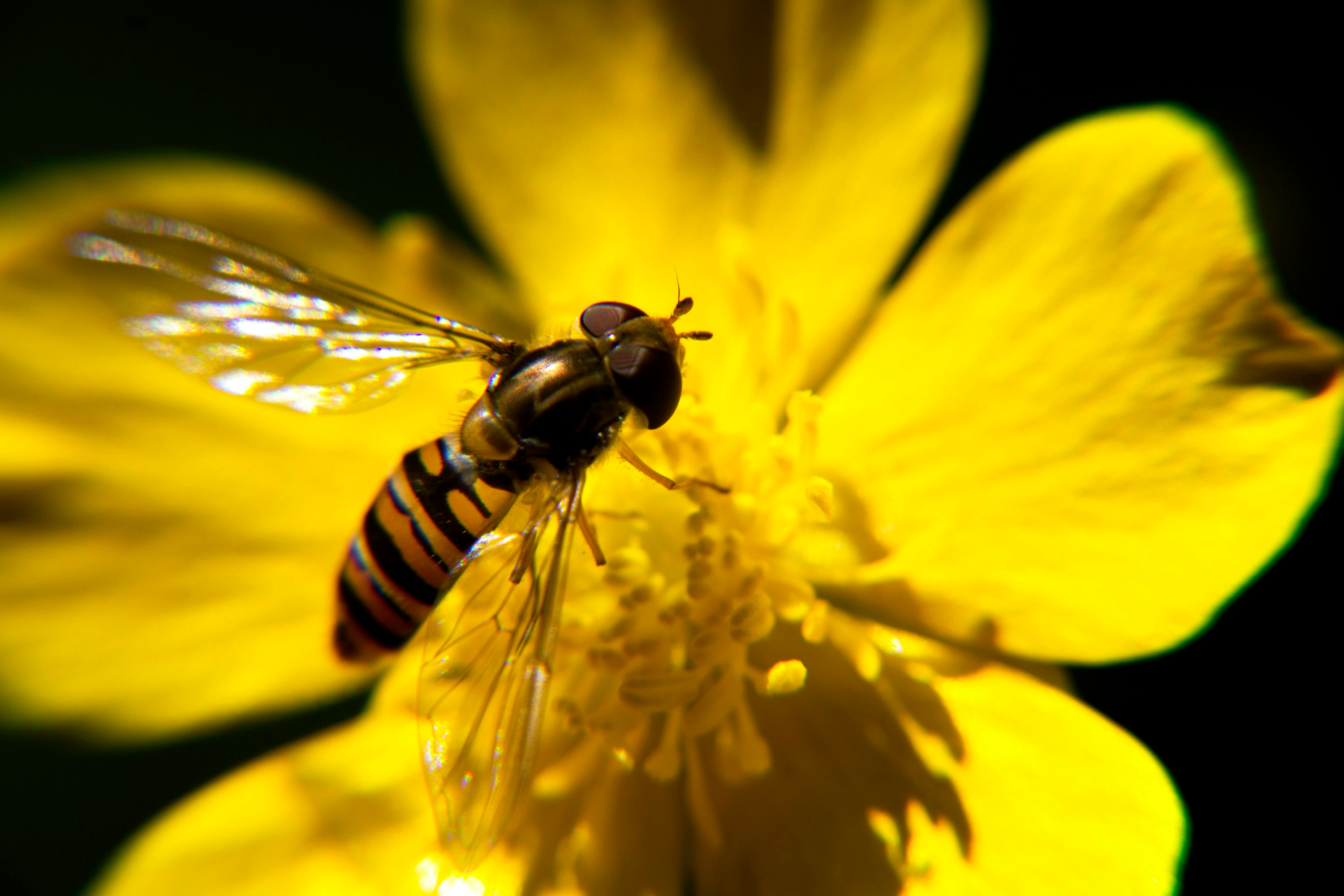
French marigold (Tagetes patula) may be compact, but it plays an outsized ecological role. Plant a drift of these ruffled suns and you’ll see hoverflies and bees punch in for daily shifts, sipping nectar, gathering pollen, and—thanks to hoverfly larvae—quietly patrolling your beds for aphids. The secret is simple: long, reliable bloom plus accessible flowers equals steady support for beneficials and healthier crops.
A season-long buffet for hoverflies and bees
Why hoverflies clock in on French marigolds
Adult hoverflies need nectar for energy and pollen for protein; their larvae then repay the favor by devouring aphids and other soft-bodied pests. French marigolds are ideal fueling stations because:
- They bloom from early summer to frost, with only a brief lull in extreme heat, then ramp up again as temperatures cool.
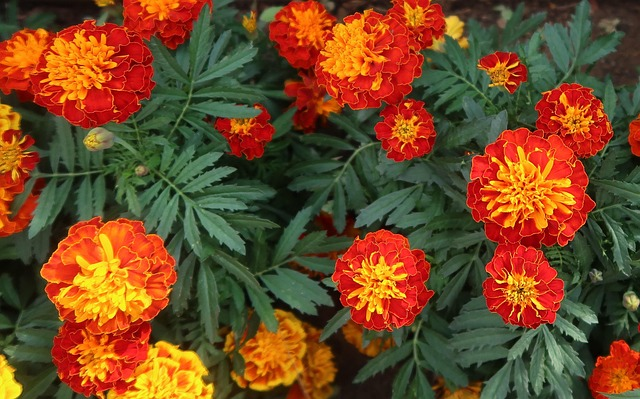
- Their open, daisy-like centers (disc florets) on single and semi-double forms are easy landing pads with accessible food.
- The plants’ spicy-aromatic foliage helps create a “scent signal” that pairs with bright color to draw in beneficials.
Pro tip: Single and open-centered varieties bring the most visits. Very double or tightly crested blooms can bury the disc florets, reducing access.
Bees and Tagetes patula: what they’re looking for
Bees (native bees and honey bees alike) visit French marigolds most eagerly when:
- Flowers are single or semi-double, exposing the nectar and pollen.
- Plants are massed—bees forage efficiently on patches that offer lots of identical blooms at once.
- There’s continuity: when yesterday’s flowers are replaced quickly by today’s, nectar and pollen “stay on tap.”
If you grow taller marigolds too, remember that many French marigolds are naturally compact (about 15–30 cm tall), making them perfect edging plants bees can work methodically along.
Keep the tap open: tactics for non-stop bloom
Think of uninterrupted bloom as your contract with beneficial insects. Here’s how to uphold it:
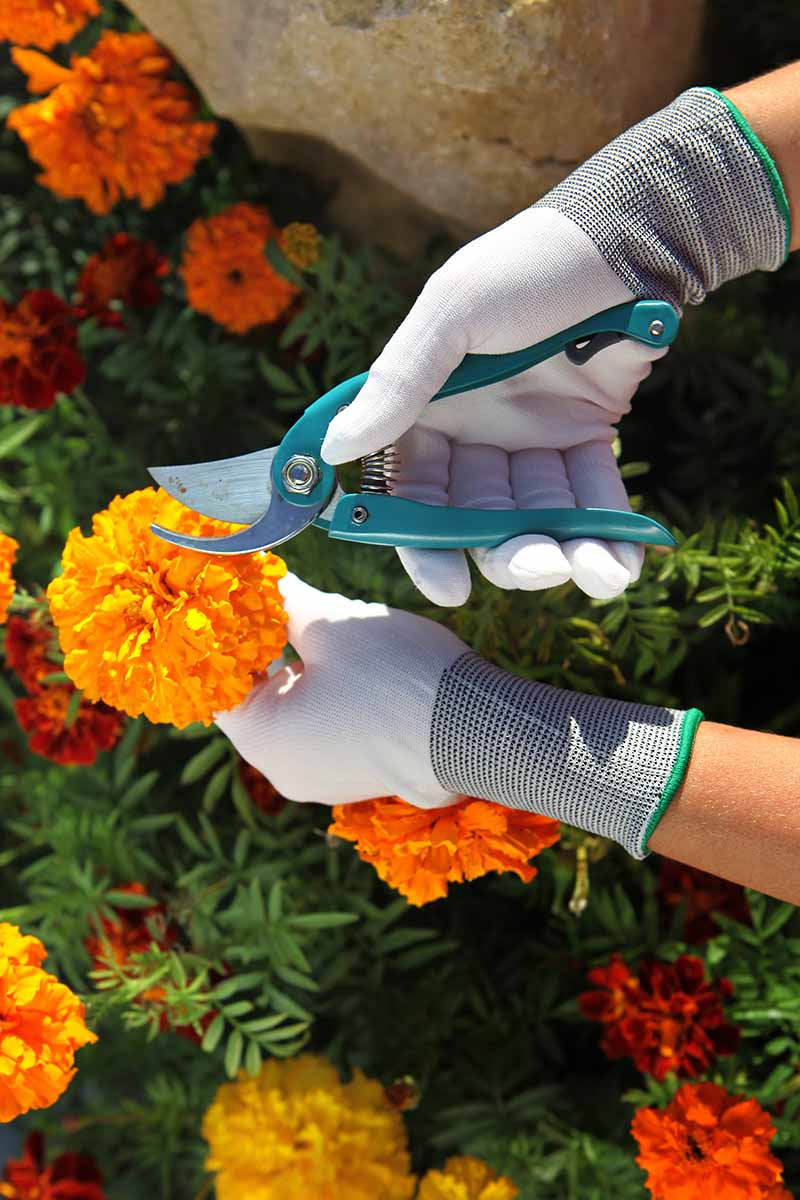
- Deadhead with purpose: Snip spent blooms to keep flowers coming. Leave a few late in the season if you’d like self-seeding surprises next year.
- Right light: Full sun (6+ hours) drives the best flowering. In very hot regions, light afternoon shade can prevent midsummer stall-outs.
- Water smart: Let the top of the soil dry, then water deeply. Container plants may need extra in heat. Always water at soil level to keep foliage dry.
- Feed lightly: Too much nitrogen builds leaves, not blooms. Mix a balanced fertilizer into poor soils or containers at planting; otherwise, go easy.
- Space for air: Plant 25–30 cm apart so foliage dries quickly—fewer fungal issues, more energy for flowers.
- Pinch early: Nipping the first tips encourages branching and a denser canopy of buds.
- Stagger sowings: Start one batch, then another 3–4 weeks later. If one cohort ebbs in heat, the other may peak.
Garden layouts that maximize ecological benefits
Bed-edge beacon
- What it is: A dense border—one or two rows—of French marigolds around vegetable beds.
- Why it works: Creates a high-visibility landing strip for hoverflies and bees and forms a “skirt” near aphid-prone crops like lettuce, brassicas, and peppers.
- How to do it: Space plants 25–30 cm apart. Choose mostly single/open varieties for maximum access.
Checkerboard companions
- What it is: Tuck small groups of 3–5 plants at intervals among tomatoes, beans, and herbs.
- Why it works: Brings nectar within inches of pest hotspots, so hoverfly larvae hatch right where aphids feed.
- How to do it: Place clumps every 1–1.5 m through the bed; pair with other beneficial magnets like sweet alyssum, dill, or cilantro for layered resources.
Island patches as waystations
- What it is: “Islands” of 10–20 plants in otherwise open beds.
- Why it works: Concentrated resources help pollinators refuel efficiently and increase repeat visitation.
- How to do it: Plant round or oval patches at path intersections and bed corners—prime places pollinators naturally navigate.
Container constellations
- What it is: Pots of French marigolds on patios, balconies, and near kitchen doors.
- Why it works: Turns hardscape into habitat and draws beneficials toward potted tomatoes, peppers, and herbs.
- How to do it: Use 15 cm pots for dwarf types (2–3 plants/pot) or 30 cm containers for standard types. Cluster several pots for a stronger beacon effect.
Cultivars that roll out the red carpet for beneficials
Look for single or open-centered French marigolds with clear access to the disc:
- Naughty Marietta (AAS 1947): Iconic single blooms—gold with a maroon blotch—highly visible and easy to work.
- Super Hero Spry (AAS 2018): Compact plants with bold, open faces; great in borders and containers.
- Disco series: Single-flowered French marigolds in vivid reds, oranges, and golds; notably pollinator-friendly.
- Super Hero series: Modern, tidy plants emphasizing open centers and long bloom.
Also useful: semi-double series like Durango, which still expose some disc florets. Prioritize open forms over fully crested doubles if your goal is maximum nectar/pollen access.
Companion bonuses beyond pollination
- Natural pest management: Adult hoverflies feed on marigold nectar; their larvae gorge on aphids—often thousands per larva over its lifetime.
- Soil ally: Marigolds are classic companions for vegetable beds and are valued for helping suppress root-knot nematodes.
- Browsing deterrent: Their spicy foliage scent tends to make deer and rabbits think twice.
Quick planting and care essentials
- Sun: Full sun; light afternoon shade only in very hot climates.
- Soil: Well-drained, moderately fertile; pH around 6–7. Avoid waterlogged spots.
- Temperature: Flowers best around 20–24°C; not frost-hardy.
- Watering: Deep, infrequent; more often in containers during heat.
- Propagation: Easy from seed. Sow outdoors after frost or start indoors 6–8 weeks early; germinates in 7–14 days.
- Maintenance: Deadhead regularly, pinch for branching, trim lightly if leggy (no more than one-third at a time).
- Pesticide caution: Broad-spectrum sprays can knock out hoverflies and bees. Spot-treat only if needed, and favor insecticidal soaps or oils used thoughtfully.
Troubleshooting for pollinator performance
- Lots of leaves, few flowers? Ease up on nitrogen and ensure full sun.
- Blooms stalling in midsummer? Provide light afternoon shade and steady moisture; flowering usually rebounds as nights cool.
- Mites, thrips, or leaf spots? Improve airflow, water at the base, and use strong water sprays or horticultural oil if needed. Good spacing keeps blooms and beneficials coming.
A note on meaning and tradition
French marigolds carry layered symbolism—warmth, steadfast love, even a protective, lucky aura in many cultures. Their New World roots run especially deep in Mexico and Central America, where marigolds figure prominently in ritual and remembrance. In the garden today, that “protective” reputation translates beautifully into ecological service: they shelter your crops by feeding the very insects that keep pests in check.
Plant a ribbon of Tagetes patula along your beds, choose open-faced cultivars, and keep the flowers coming. You’ll build a living support line for hoverflies and bees from early summer right through the first frost—and your garden will hum with the quiet industry of its most loyal allies.