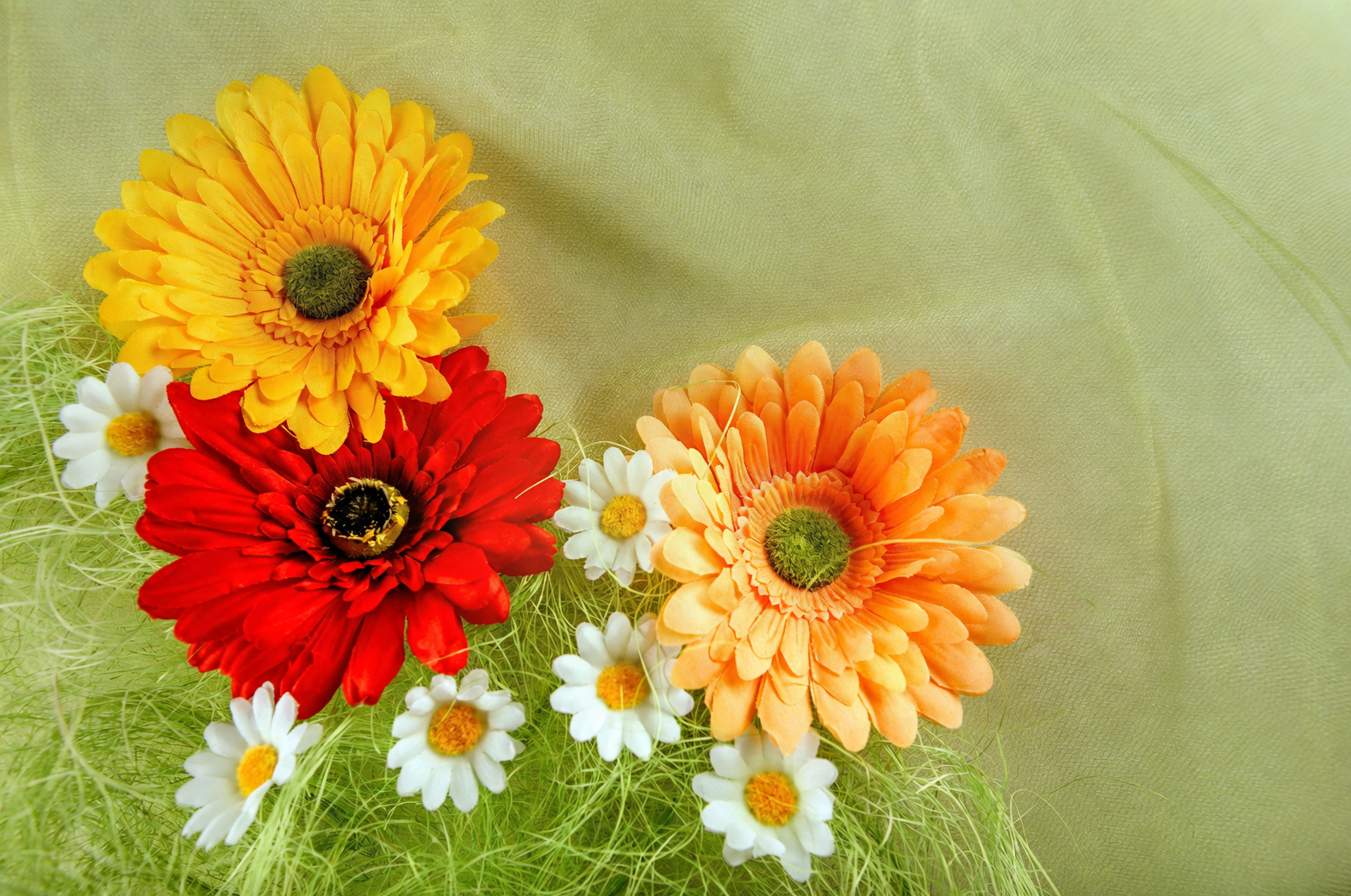
Step into any flower market or garden center and Gerbera jamesonii—better known as the Gerbera Daisy, Barberton or Transvaal daisy—stops you in your tracks. Those bold, sunburst blooms, perched on leafless stems above a neat rosette of green, are equal parts happy and glamorous. Today’s lineup runs from clean, classic singles to plush doubles and playful minis called germini. Here’s your buyer’s tour of modern forms and sizes—how they behave in pots versus vases, and how to choose colors that make your room (or patio) sing.
Meet Gerbera jamesonii at a glance
- Origin: Southern Africa (notably around Barberton/Transvaal); now a global star as a pot plant and top-tier cut flower.
- Look: A tidy rosette of bright-to-deep green leaves throws up sturdy, leafless stems topped by daisy-like flower heads.
- Size: Most homegrown plants in bloom stand around 20–45 cm (8–18 in) tall; spread 20–60 cm (8–24 in), depending on cultivar and pot.
- Bloom time: Long season—spring through autumn outdoors; indoors, on and off year-round with very bright light and mild temperatures.
- Colors: White, cream, yellow, orange, salmon, pink, and red, often with a contrasting “eye.”
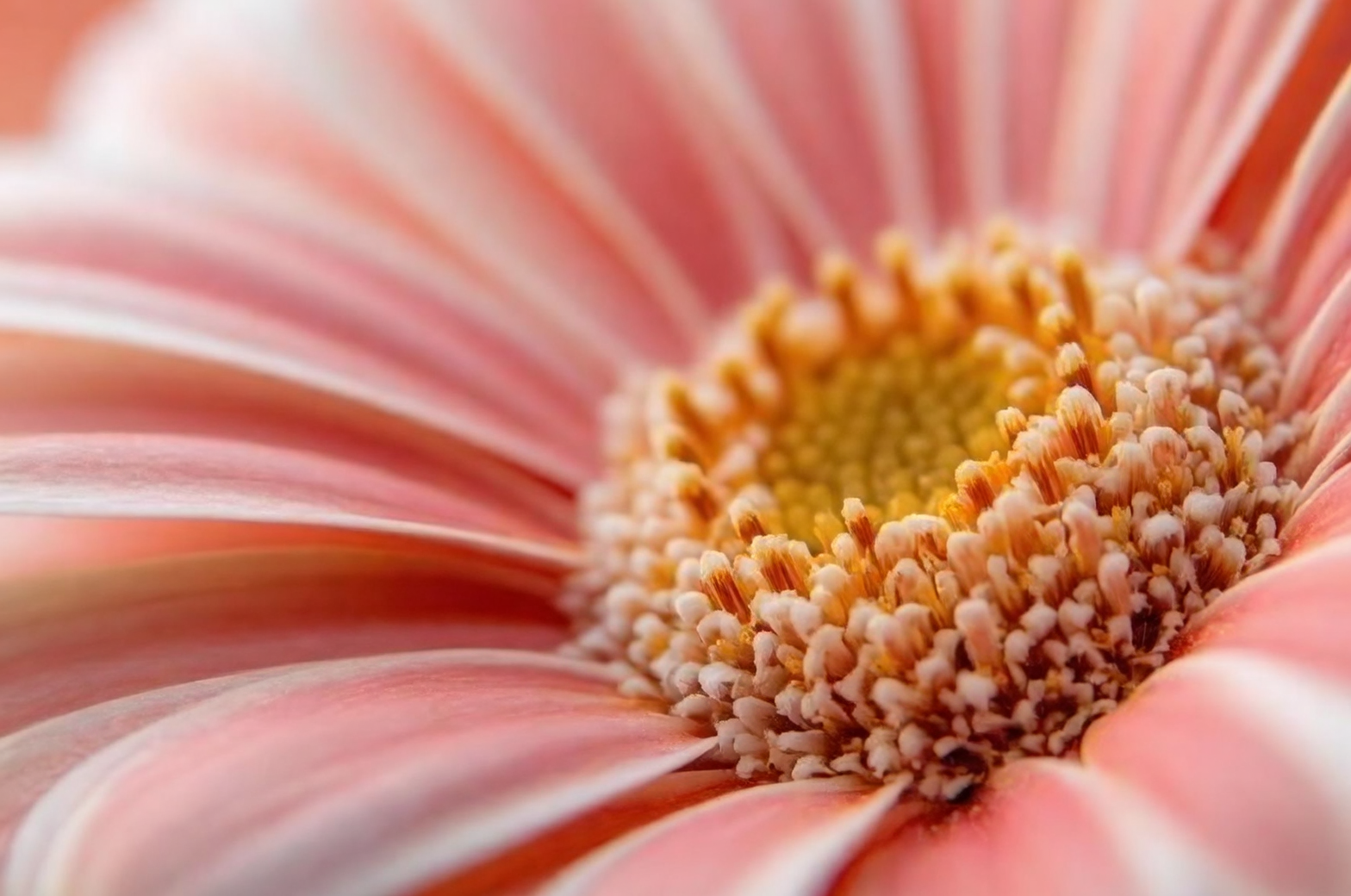
The modern lineup: forms and sizes you’ll see
Classic singles
- What you’ll notice: One crisp ring of petals (ray florets) around a clearly defined center.
- Typical head size: About 8–12 cm across (overall range for gerberas is 5–15 cm).
- In pots: Singles are airy and forgiving—good airflow around the center helps reduce mold. Great for bright windowsills, balconies, and patios.
- In vases: Lighter heads = excellent vase poise and longevity. The graphic center reads beautifully in contemporary arrangements.
Semi-doubles
- What you’ll notice: One full outer ring with a second, shorter ring fringing the eye—lusher but still open.
- In pots: Slightly fuller look without being heavy. Keep the crown clear by removing aging leaves to maintain airflow.
- In vases: A bit more petal drama while keeping a clean silhouette. Reliable with routine care.
Full doubles and “crested” styles
- What you’ll notice: Densely packed petals, sometimes with a tufted or “crested” center—think mini dahlias with a daisy vibe.
- In pots: Show-stopping. Because the flower is denser, prioritize ventilation and avoid water sitting on petals or down in the rosette.
- In vases: Gorgeous impact, but heads can be heavier. Use shallow water and consider a supportive collar or tighter mechanics to keep stems upright.
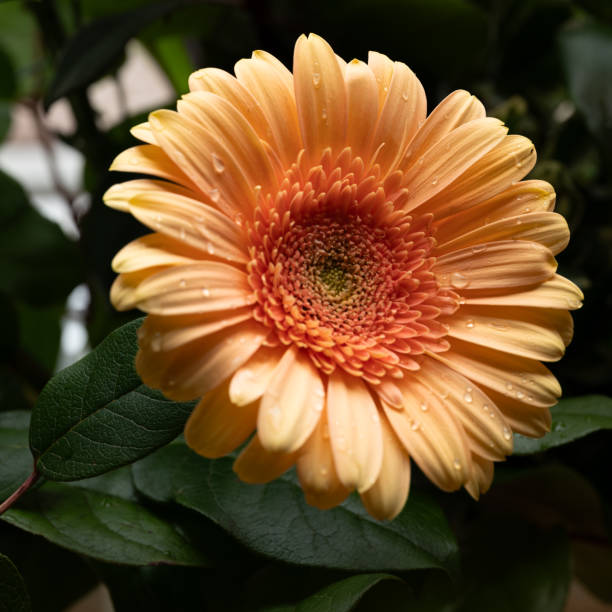
Miniatures: germini types
- What you’ll notice: All the charm, scaled down—compact plants and smaller flower heads (often around 5–7 cm).
- In pots: Ideal for small spaces; many stay neat at 20–30 cm tall and can bloom generously.
- In vases: Perfect for bud vases, posies, and mixed designs where scale matters. Lighter heads resist droop; great “filler-meets-focal” energy.
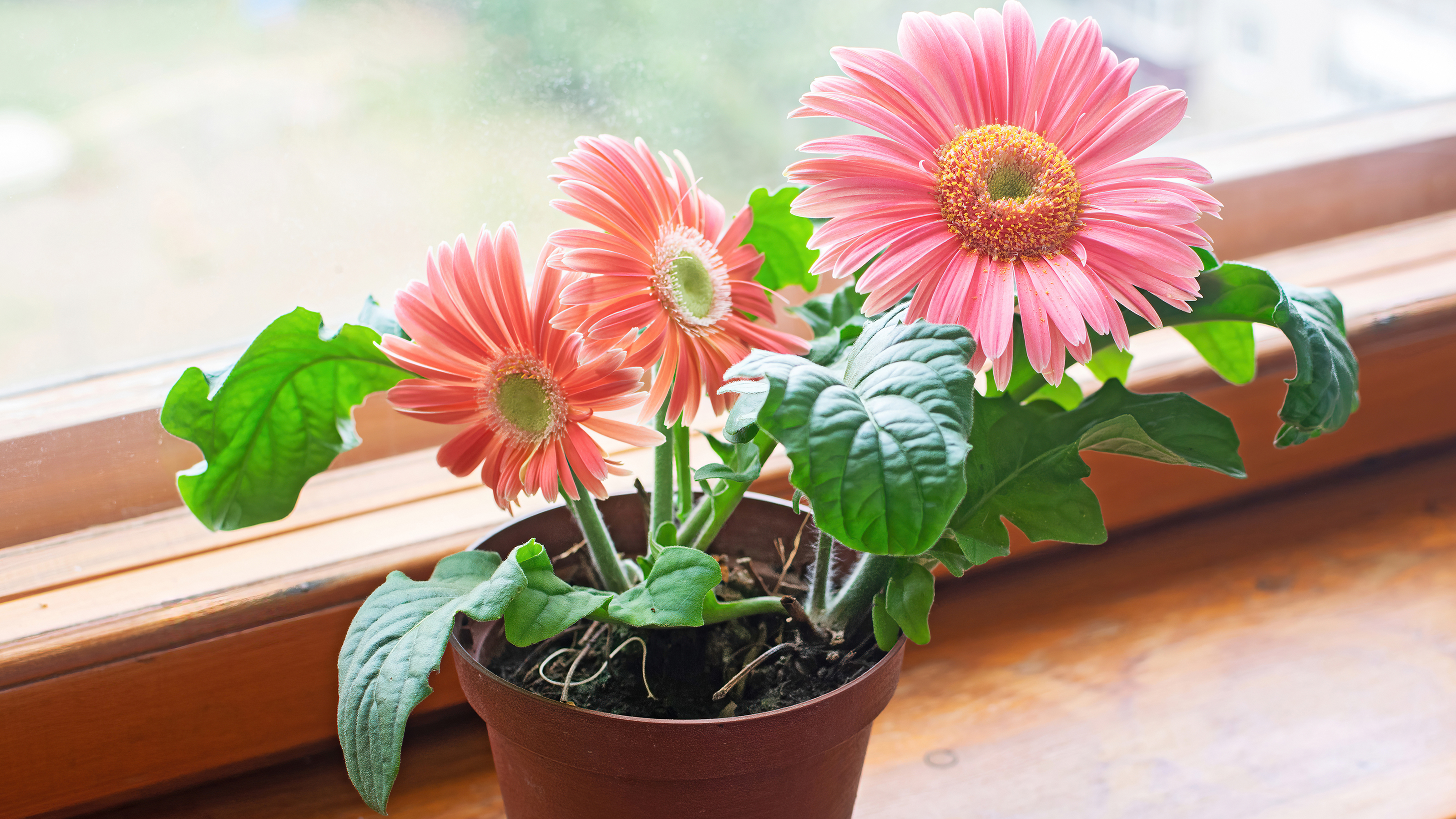
How forms perform: pots vs. vases
Pots and planters: what to expect
- Singles and semi-doubles
- Pros: Best airflow, steady repeats if you deadhead.
- Ideal for: Bright windows, sunny patios, and mixed containers.
- Full doubles/crested
- Pros: Maximum bloom density for a luxe look.
- Care note: Extra vigilance against Botrytis (gray mold) in damp spells; keep foliage dry and the crown unburied.
- Germini/mini types
- Pros: Compact habit, prolific flowering in small containers.
- Best for: Sills, tabletops, balcony rails, small accent groupings.
Cut-stem performance: florist-proof tips
- Singles and semi-doubles: Often the longest-lasting, with excellent “face” and stem balance.
- Doubles/crested: Fabulous mass and texture—keep water shallow, refresh daily, and use a collar/tube or snug mechanics to prevent nodding.
- Germini: Petite perfection—stems are slimmer, so use smaller vases, pin frogs, or grids for control.
Choose colors that pop in your space
Gerberas are color chameleons—use them like interior accents.
- To warm a cool room (greys, blues): Choose sunny yellow, orange, or coral-salmon. They add literal warmth to the palette.
- For crisp, modern spaces: Go high-contrast—white petals with a dark eye, scarlet with charcoal accents, or hot pink against black/white.
- Soft, serene vibes: Creams, blush pinks, and light peach read calm and airy, perfect for bedrooms or spa-like baths.
- Make a small space feel larger: Stick to a tight palette (e.g., all whites, or whites + one bright). Fewer hues = cleaner visual flow.
- Create instant energy for entertaining: Mix brights—magenta, tangerine, and lemon—like confetti. Try odd-number groupings for rhythm.
- Complement your greenery: Deep reds and fuchsias pop against leafy backdrops; pastel tones melt in more subtly.
Pro tip: Indoors with low natural light? More saturated colors tend to hold their punch better than pales.
Smart shopping checklist (pots and stems)
For potted plants
- Look for:
- Deep green leaves; no yellowing, spots, or gray fuzz.
- A firm, healthy crown (no softness or foul smell).
- A pot that drains well and isn’t waterlogged.
- At least one open bloom plus several fat buds for a longer show.
- Skip:
- Plants with mushy crowns or obvious pests (aphids, thrips, mites, whiteflies, leafminers).
For cut flowers
- Choose stems with outer petals fully colored and flat (not tight and immature).
- Stems should be clean and sturdy with no slimy feel.
- Transport upright if possible to protect the flower faces.
Pot-care cheat sheet (the “long-bloom” formula)
- Light: Bright light to full sun; aim for ~6+ hours daily. In hot climates or behind glass, give morning sun with light midday/afternoon shade.
- Temperature: Sweet spot is roughly 18–24°C (64–75°F); keep above ~10°C (50°F). Not frost-hardy.
- Watering: Soak thoroughly; let the top 2–5 cm (1–2 in) dry slightly before watering again. Always water the soil—never the center rosette.
- Soil: Rich, free-draining potting mix with added perlite/grit; slightly acidic (about pH 5.5–6.5) is ideal. Keep the crown at or just above soil level.
- Feeding: Every 2 weeks in spring–late summer with a balanced liquid feed. If you’re getting lots of leaves and few buds, alternate with a bloom-leaning formula.
- Grooming: Deadhead by cutting spent stems at the base. Remove tired leaves to open the crown and improve airflow.
- Repotting: Step up one size in spring if root-bound; avoid burying the crown.
Vase-care playbook (to beat droop and maximize life)
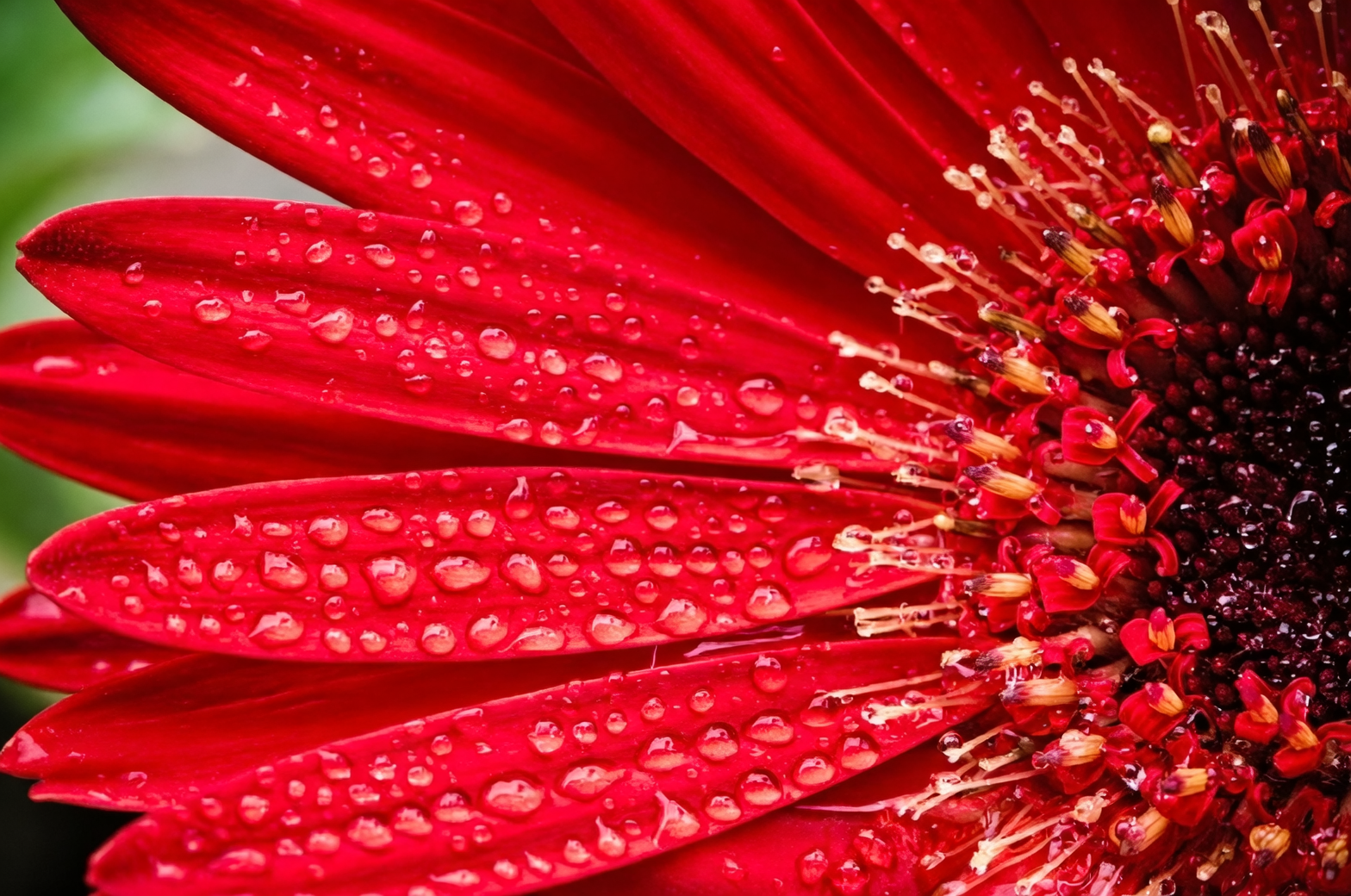
- Start clean: Use a spotless vase and change water daily; shallow water is best for gerberas.
- Add preservative/biocide if you have it.
- Recut stems on a clean angle before arranging and again every couple of days.
- Keep arrangements cool and out of direct sun.
- For heavy doubles or dramatic angles, use:
- A supportive collar (floral tape grid or clear tube).
- Tighter mechanics (pin frog, chicken wire) to steady stems.
Troubleshooting quick takes
- Buds or flowers rotting? Likely water in the crown, soggy soil, heat stress, or stale air. Water the soil only, improve drainage and airflow, and shade lightly during peak heat.
- Yellowing leaves? Usually watering swings, low light, cold stress, or nutrients out of balance. Brighten the spot, let the surface dry between drinks, and feed lightly in growth.
- Not enough blooms indoors? It needs more light. Move to your brightest window and keep temps mild.
Trend spotting: popular series and where they shine
Breeding has delivered uniform, reliable performers across pot, garden, and florist uses. You’ll often see named series in stores:
- Revolution and Mega Revolution: Bred for strong, consistent pot performance with bold, standard-size blooms.
- Festival: Compact, container-friendly plants with many semi-double flowers—great for bright indoor spots.
- Everlast: Pot-focused, long-season color with notably good vase life from its single blooms.
- Garvinea and Garvinea Sweet: Marketed for extended garden performance and generous flowering in mild conditions; excellent for patio containers with steady deadheading.
- Jaguar, Garden Jewels, Landscape: Look for compact habits and prolific bloom where space is tight.
Note: Outdoors in cold-winter regions, treat gerberas as seasonal color or overwinter indoors—they’re frost-tender.
Are gerberas safe around pets and kids?
Generally regarded as non-toxic to humans, cats, and dogs. As with any ornamental, discourage chewing; a big nibble can still upset sensitive stomachs.
Flower language and symbolism—how to use it well
Gerbera daisies have become global “good mood” messengers: happiness, warmth, cheer, admiration. Color-coding borrowed from floriography and modern gifting traditions adds nuance:
- Red: Love and passion
- Yellow: Joy and friendship
- Pink: Gentle admiration
- White: Purity and fresh starts
- Orange: Enthusiasm and energy
Treat flower language as a playful guide, not a rulebook—its meanings are modern, culturally fluid, and shaped by floristry, not ancient law. The most powerful message is the one that fits the recipient and your space.
Fast facts to impress
- What looks like a single bloom is a composite head made of many tiny florets—classic daisy family architecture.
- Gerberas are among the world’s best-selling cut flowers, prized for color range and graphic shape.
- Modern hybrids span simple singles to dense, crested doubles—and those endlessly handy germini minis.
Your quick-selection guide
- Love clean lines and long vase life? Choose classic singles.
- Want plush, photo-ready petals? Go doubles/crested and give them airflow (pots) or a collar (vases).
- Decorating small spaces or crafting petite bouquets? Pick germini.
- Styling a cool, grey room? Warm it up with yellows, corals, and oranges.
- Need a calm, airy look? Whites, creams, and blushes never miss.
With bright light, excellent drainage, and just a little finesse in watering and grooming, Gerbera jamesonii pays you back with a months-long parade of color—on the patio, the windowsill, and in the vase.