

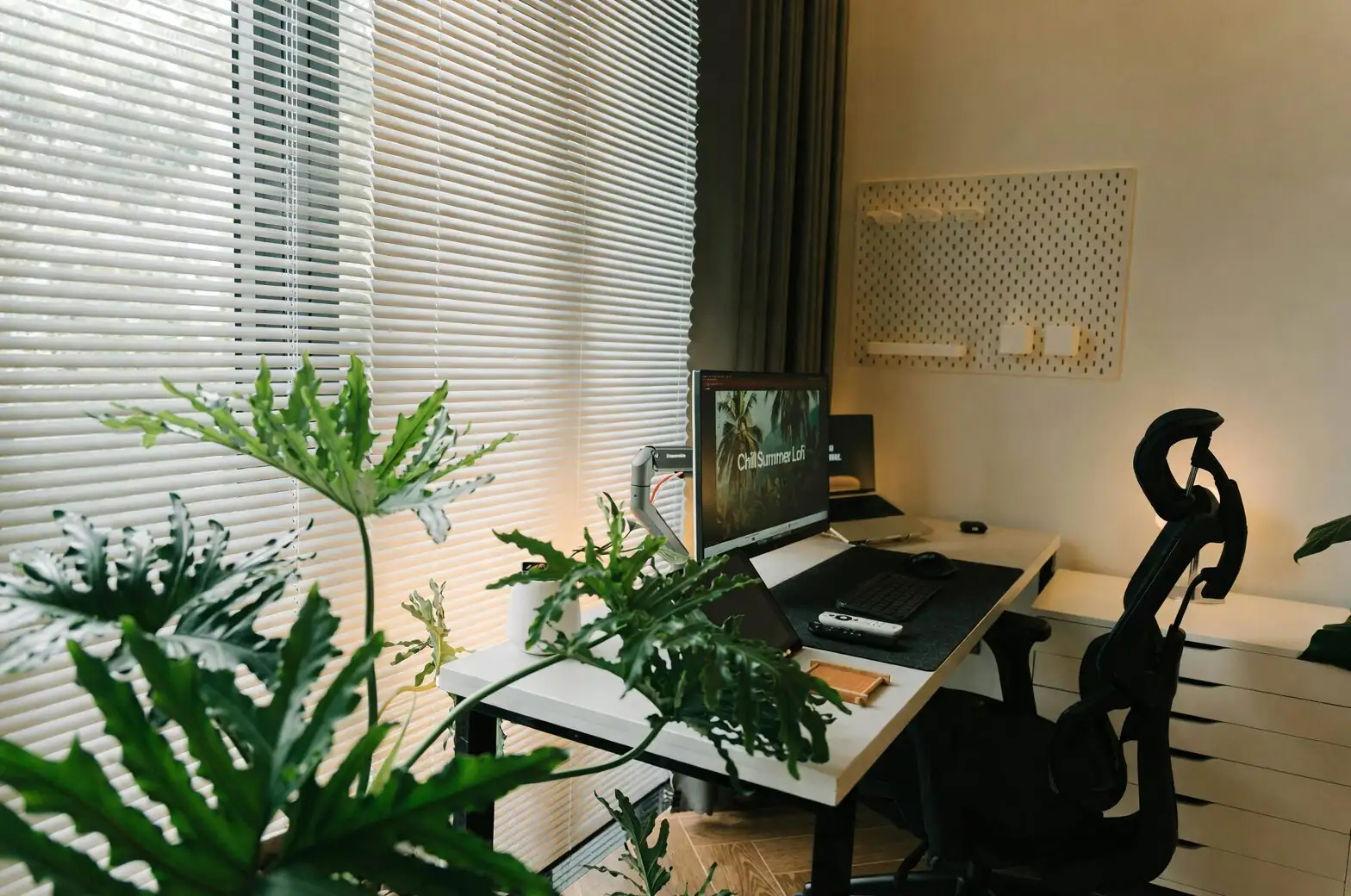
Think of Pilea cadierei (Aluminum Plant) as a compact, cool-toned spotlight: crisp green leaves splashed with metallic silver that catch light like brushed chrome. It’s naturally mounding, thrives on bright, indirect light, and absolutely shines on styled shelves and in hanging baskets. Below, you’ll find design-forward ideas—color pairings that make the silver pop, texture matches for companion plants, and smart grouping tricks that elevate both look and humidity.
Meet Pilea cadierei at a glance
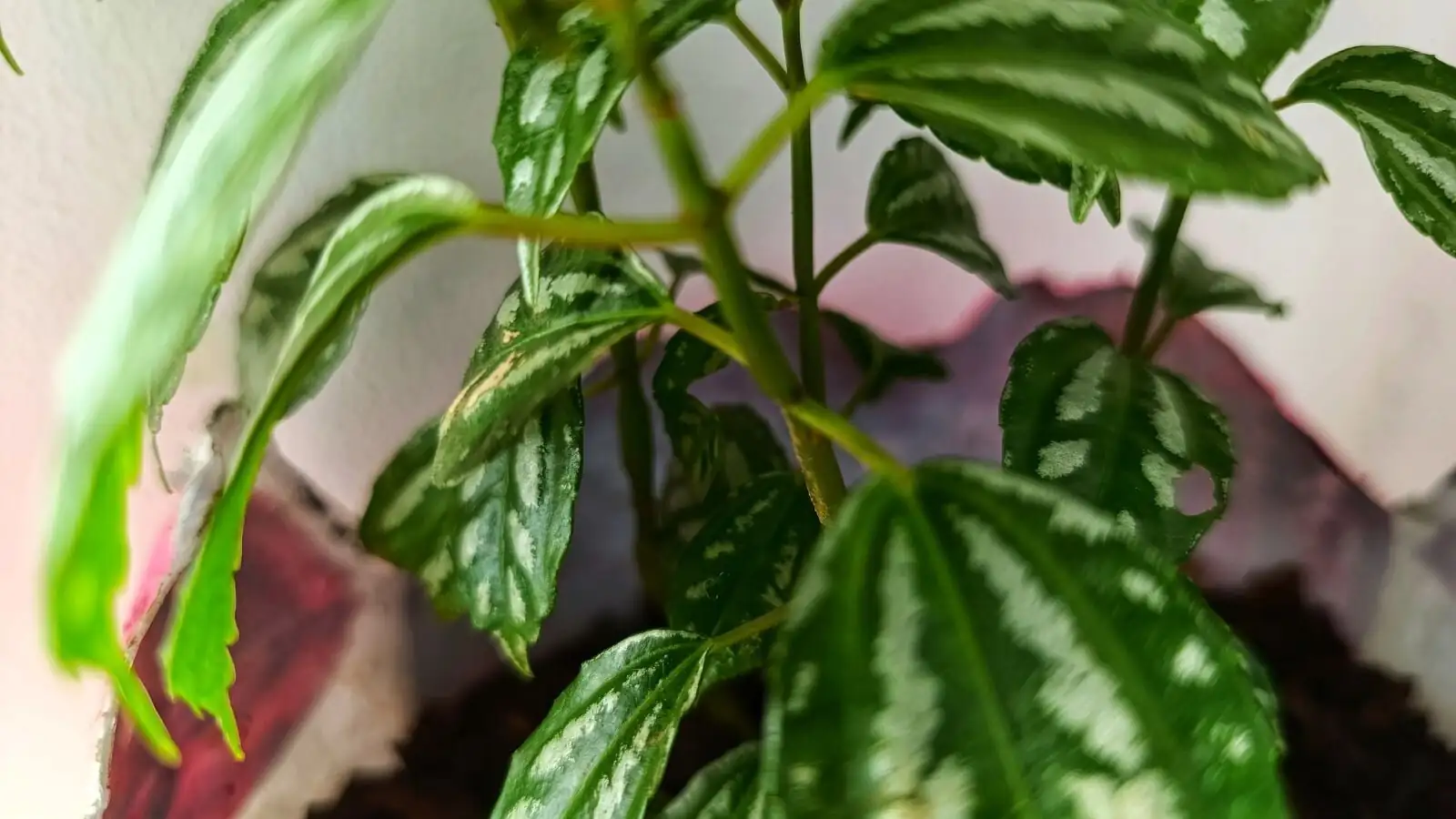
- Also called Aluminum Plant or Watermelon Pilea; native to Vietnam; family Urticaceae.
- Habit/size: compact mound about 20–30 cm (8–12 in) tall and wide; perfect for 12–15 cm (5–6 in) pots; up to 18–20 cm (7–8 in) when full.
- Light: bright, indirect is best; it tolerates partial shade. Avoid harsh midday sun; use a sheer curtain if needed.
- Texture/pattern: gently quilted green leaves banded with silver along the veins—like fine metallic lace.
- Care vibe: easy, forgiving, fast to fill out; loves evenly moist (not wet) soil and regular tip pinching for a bushy cushion.
Shelf styling that makes the silver sing
Place it where the pattern glows
- East or bright north window: ideal for shelves.
- Bright south/west rooms: set it a few feet back and diffuse with a sheer curtain to prevent scorch.
- Styling note: rotate the pot half a turn weekly to keep the mound even and avoid a lopsided lean toward the window.
Pot color pairings that pop
Let the plant’s cool silver do the heavy lifting—choose containers that either amplify contrast or echo the metallic.
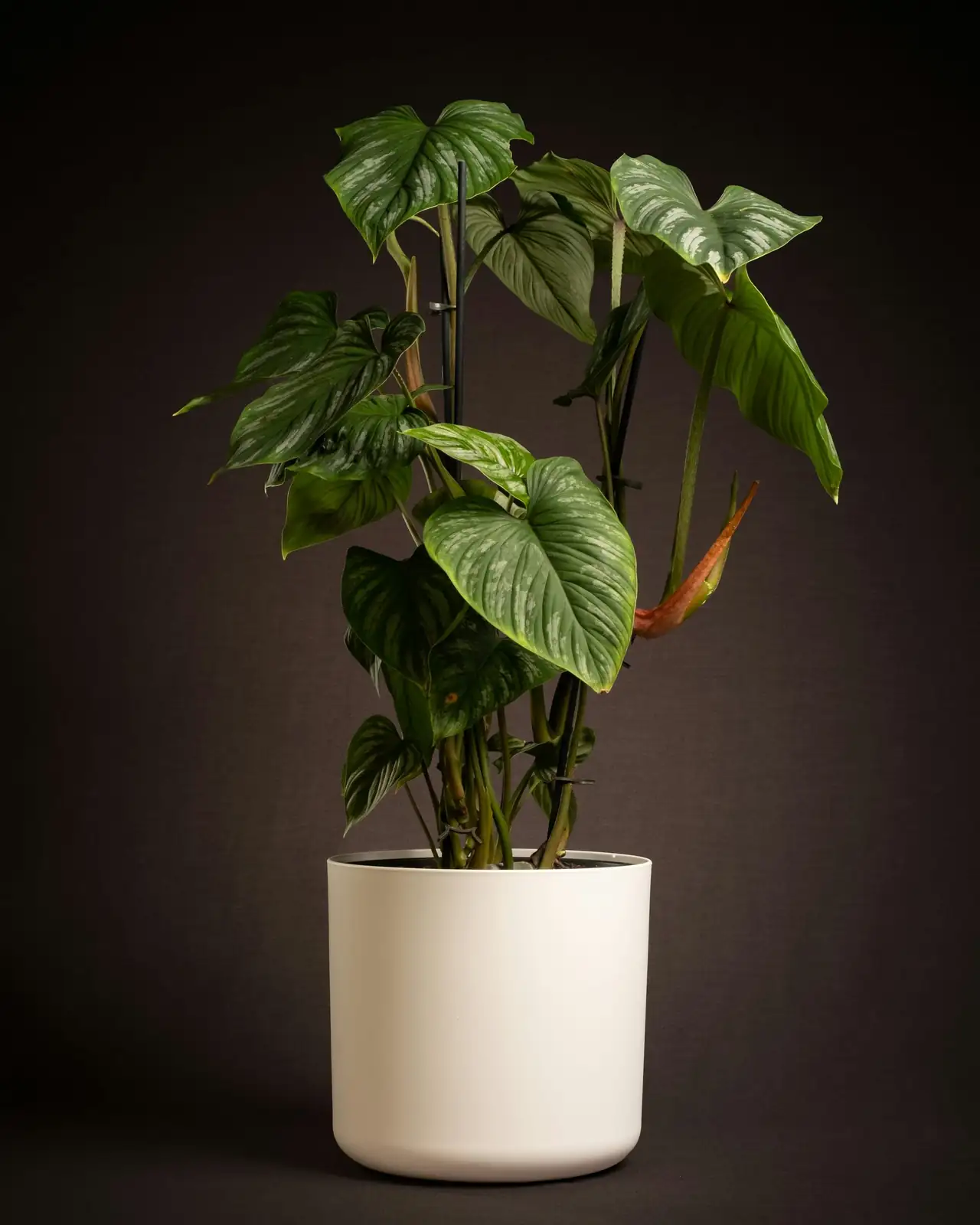
- High-contrast, gallery-chic
- Matte charcoal/black: the silver flashes brighter, the greens deepen.
- Bright white: crisp, modern, and airy—great for minimal shelves.
- Cobalt or inky navy: intensifies cool tones and looks luminous near windows.
- Tone-on-tone cool
- Soft grey or brushed steel finishes: mirror the leaf’s “aluminum” vibe.
- Smoky teal or eucalyptus green: smooth, sophisticated, and soothing.
- Color hits (statement accents)
- Blush, coral, or oxblood: surprising warmth that makes the silver pattern leap.
- Mustard or chartreuse: edgy contrast that still feels curated.
- Material matters
- Glazed ceramic: slows moisture loss—helpful because this plant likes evenly moist soil.
- Unglazed terracotta: stylish but wicks moisture fast; water checks need to be more frequent.
- Metal cachepots: fine if the nursery pot has drainage and is lifted slightly so roots don’t sit in runoff.
Companion foliage textures for shelves
Create a layered vignette where each plant sets the other off.
- Fine-textured foils (make the aluminum patches look bolder)
- Ferns like Nephrolepis (Boston types) or delicate Davallia (rabbit’s foot) for feathery contrast.
- Pilea glauca (Silver Sparkle) for a mist of tiny blue-green leaves around the base.
- Smooth, glossy leaves (sleek, modern duet)
- Peperomia obtusifolia ‘Green’ or variegated forms for rounded shine.
- Philodendron micans (velvety trailing accent) a shelf below to cascade past your Pilea.
- Pattern play (but keep the star clear)
- Fittonia (nerve plant) low and to the side—fine veining complements without competing.
- Calathea/Goeppertia with painterly leaves placed behind as a soft “backdrop.”
Tip: Give each plant a couple of centimeters of breathing space for airflow; crowding can invite leaf spot when foliage stays damp.
Hanging basket ideas without the hang-ups
Build a lush, mounded “halo”
Pilea cadierei naturally mounds and can gently drape with age—beautiful in 15–20 cm (6–8 in) hanging planters.
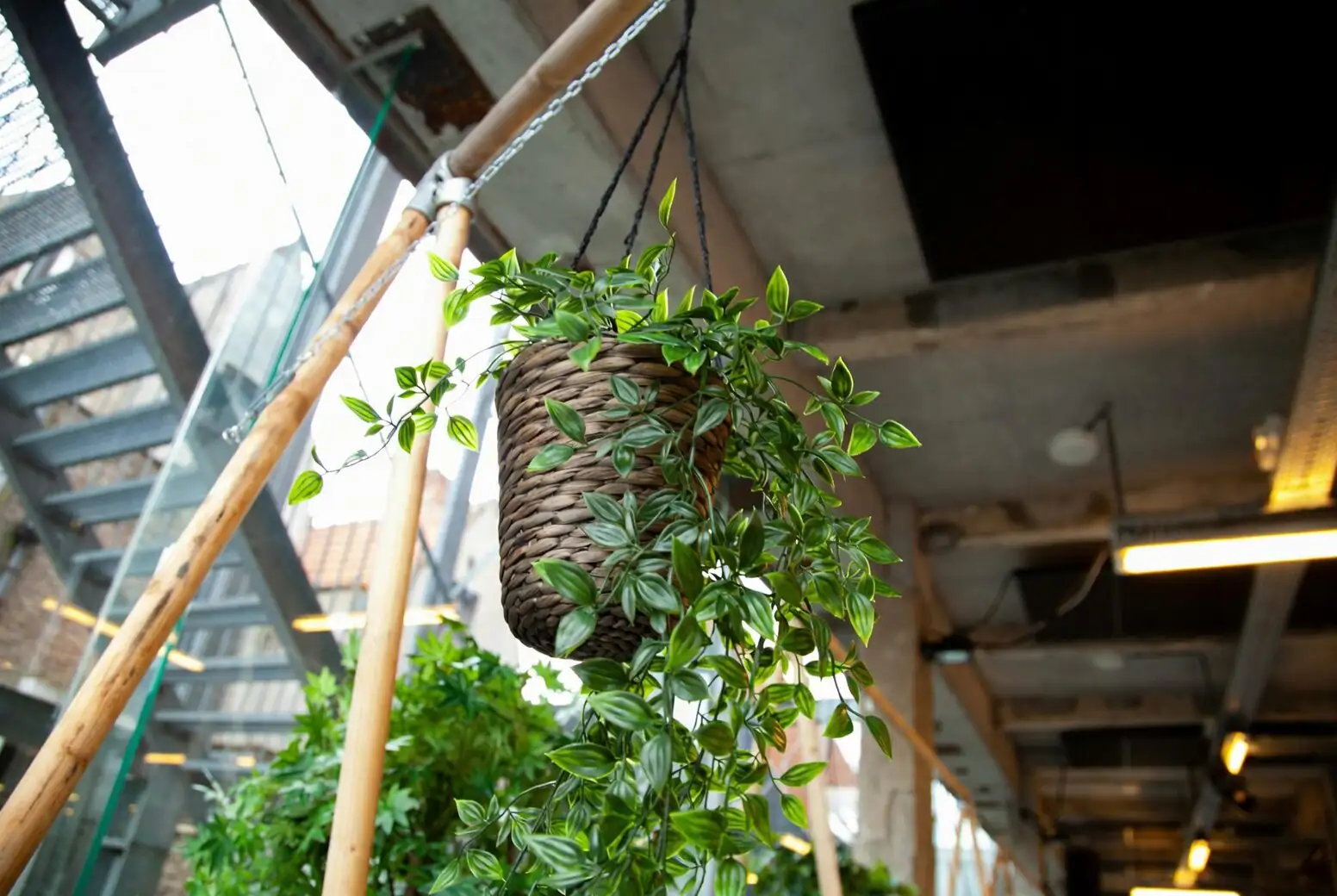
- Basket choice: use a solid or lined basket (coco liners alone dry too quickly). Slip the plant in a nursery pot inside the basket for better drainage control.
- Light: hang near an east window or a bit back from bright south light with a sheer curtain.
- Pinch, pinch, pinch: tip-pinching keeps the profile cushiony and full; if stems reach ~15 cm (6 in) and look lanky, cut back to force side shoots.
Planting “recipes”
- Monochrome metallic
- Center: Aluminum Plant.
- Edges: Pilea glauca or Dischidia ruscifolia to spill lightly without overshadowing the silver.
- Cool-toned cloud
- Aluminum Plant with a ring of mini ferns for a soft, fluffy rim (watch humidity and airflow).
- High-contrast graphic
- Aluminum Plant in a matte-black hanging pot; pair with a single trailing string-of-hearts (Ceropegia) one tier below for a clean line that doesn’t compete.
Water tip for hangers: water thoroughly when the top 1–2 cm (0.4–0.8 in) is just drying; let excess drain fully—never let it sit in a saucer.
Grouping tricks to boost humidity (and look designer)
Style a “humidity island”
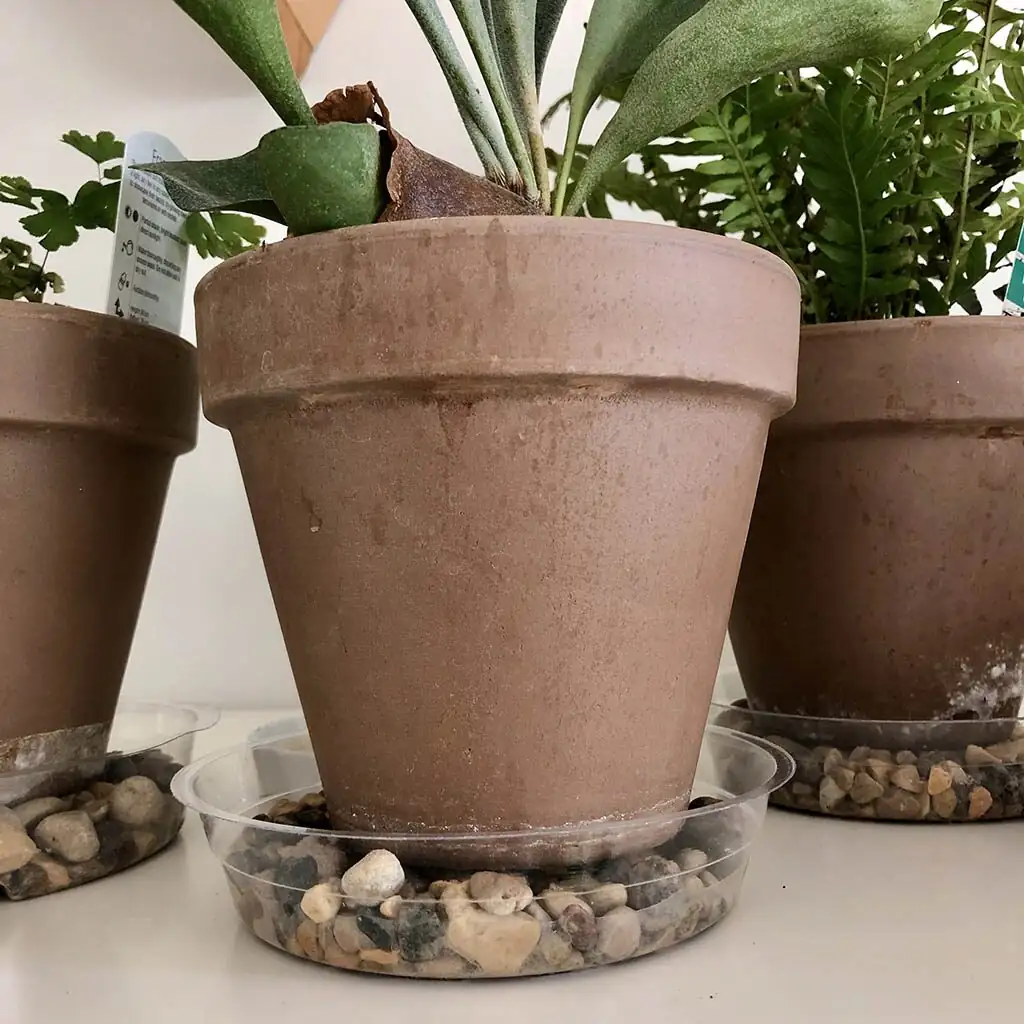
- The rule of three: cluster your Aluminum Plant with two companions that enjoy similar moisture—think Fittonia and a compact fern. Aim for 40–60% humidity.
- Pebble tray, elevated: set the cluster on a wide tray filled with pebbles and water below the pot bases; evaporation gently lifts local humidity.
- Height tiers for drama and airflow:
- Back: taller fern or a calathea as a soft scrim.
- Middle: Pilea cadierei as the focal cushion.
- Front: low mat like Pilea glauca or mossy decor stone (keep moss just moist, not soggy).
Smart spacing: leaves shouldn’t touch leaf-to-leaf across the whole grouping; a little daylight between plants reduces leaf spot risk.
Bonus microclimate moves
- Summer misting is welcome, but do it in the morning so leaves dry with good airflow.
- Bathrooms with good light are prime real estate: warmth + ambient moisture = glossy foliage.
Care cheat sheet for flawless foliage
- Light
- Bright, indirect is ideal; tolerates partial shade. Avoid harsh midday rays that scorch and dull the silver.
- Water
- Evenly moist, not wet. In active growth (spring–early fall), water when the top 1–2 cm dries; empty saucers. In winter, go lighter—often about every two weeks, adjusting for room heat and light.
- Temperature
- Happy at 15–25°C (59–77°F). Protect from chills; issues can start around 8–10°C (46–50°F), and below ~5°C (41°F) leaves may yellow and drop fast.
- Humidity
- Prefers moderate to high (roughly 40–60%+). Grouping and pebble trays help; keep airflow decent.
- Soil and potting
- Loose, airy mix: about 2 parts peat-based potting soil to 1 part perlite/coarse sand. Avoid heavy, waterlogged blends.
- Feeding
- Light feeders. Choose either:
- Balanced liquid fertilizer every 2 weeks spring–fall (at label rate or half-strength), or
- A gentler plan: once every 2 months from May–August with a diluted organic or balanced feed.
- Avoid splashing fertilizer on leaves.
- Pruning/Training
- Pinch tips often for dense branching. Hard cutback in spring (down to a couple of basal nodes) refreshes older, leggy plants.
- Repotting
- Spring; step up just one size when rootbound (commonly to 12.5–15 cm / 5–6 in, then up to ~18–20 cm / 7–8 in for full specimens).
- Propagation
- Extremely easy from 5–12 cm (2–4.7 in) tip cuttings. Root in water or a moist, airy medium at ~18–22°C (64–72°F). Pot up after roots reach 2–5 cm (0.8–2 in).
- Pests and health
- In dry air: watch for spider mites; also mealybugs or aphids. Rinse foliage, raise humidity, improve airflow, and treat early with insecticidal soap or horticultural oil per label. Avoid overwatering to prevent root rot; don’t keep leaves wet in stagnant air to avoid leaf spot.
- Safety note
- Best treated as potentially mildly toxic if chewed or swallowed. Keep away from pets and children who like to nibble.
Troubleshooting quick answers
- Silver markings fading?
- It needs brighter indirect light. Move closer to an east window or filter stronger light with sheer curtains.
- Getting leggy and floppy?
- Increase light and pinch the growing tips regularly. A spring cutback quickly restores a compact mound.
- Winter leaf drop?
- Usually cold drafts and low light. Keep warm (15–25°C / 59–77°F), bright, and water less often.
- Can it go outdoors?
- Only in frost-free, very warm areas (roughly USDA 11–12), in shade to filtered light. Bring indoors well before temps dip below ~10°C (50°F).
A note on symbolism (flower language)
Traditional “flower language” usually centers on blossoms, but Aluminum Plant’s flowers are tiny and inconspicuous—its message comes from the foliage. The bright, reflective patches read as energy and clarity, so modern plant lovers link Pilea cadierei with freshness and vitality. It’s a perfect pick for brightening a low-key corner or a work shelf where you want an instant lift without loud colors.
Design bottom line: treat Pilea cadierei like a cool-toned highlight. Give it bright, indirect light, a sleek pot that sets off the silver, and a few well-chosen companions. In return, it will turn the simplest shelf or hanger into a crisp, polished vignette that stays lively all year.