
Think of polyanthus primroses as little bouquets gathered on tidy green cushions—winter-to-spring color with a refreshingly cool temperament. If you’ve ever brought one home only to watch it wilt near a radiator or stretch for light, this guide is your game plan: what to look for on the shop bench, and where to park your plant so it stays perky, not peaky.
Meet the plant in your cart
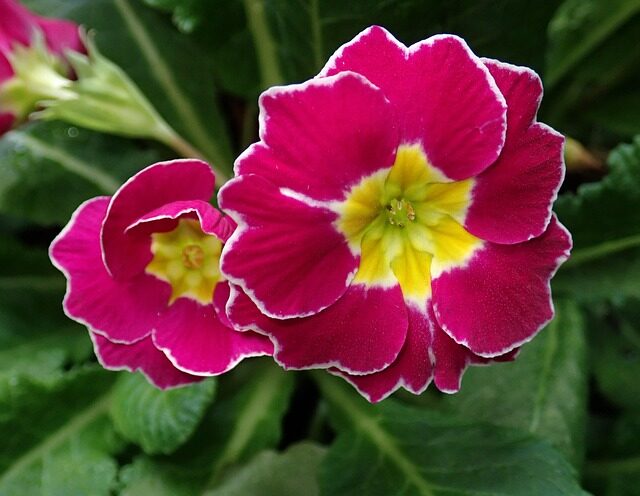
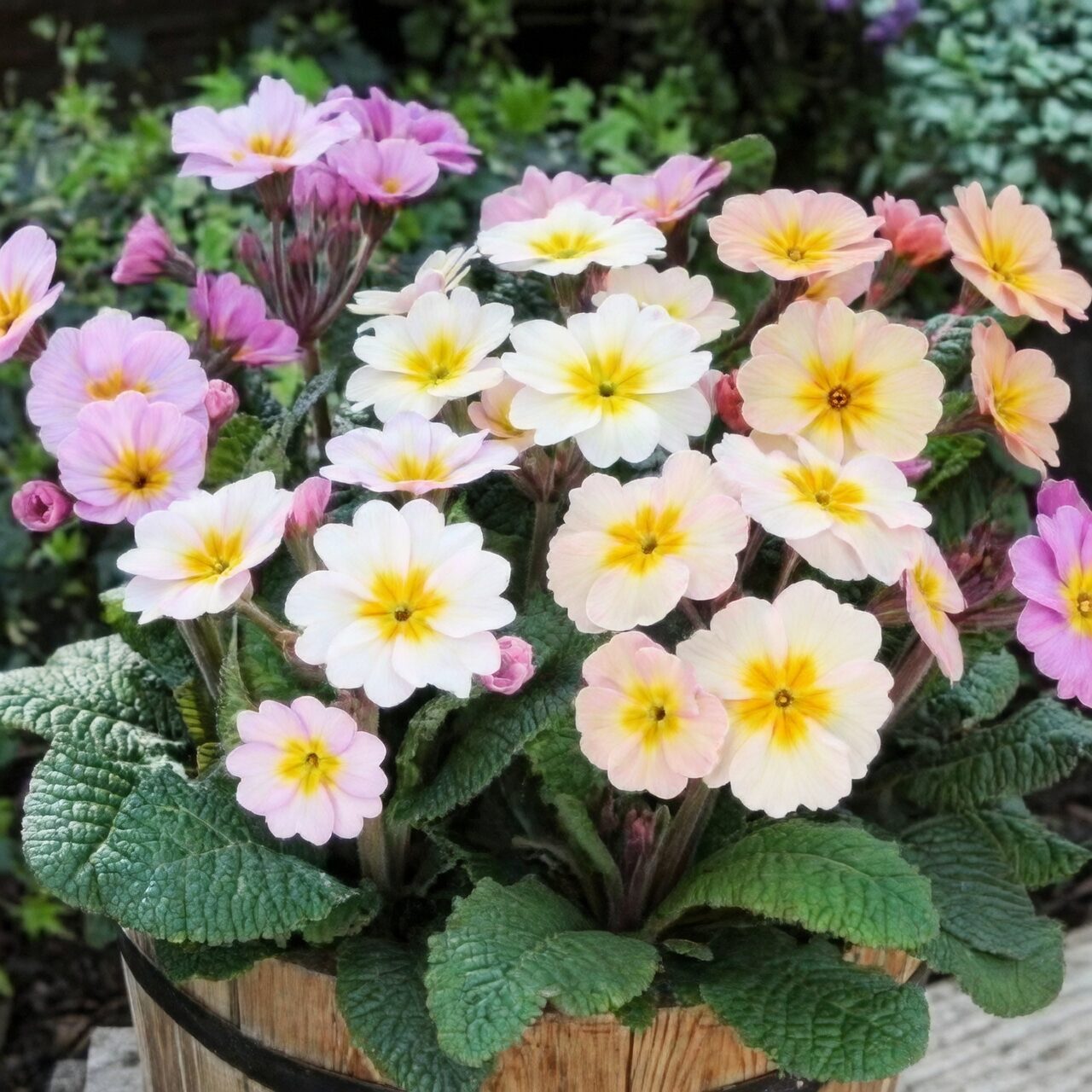
Primula × polyantha (often sold as Polyanthus Primrose, English Primrose, or simply Polyanthus) is a cool-season hybrid primula bred for dense clusters of vivid blooms—solids and striking bicolors—rising from a compact rosette of deep green leaves. It shines from late winter into spring, especially on a bright, cool windowsill or sheltered balcony. Its only real diva demand? Keep it cool and evenly moist, never hot or waterlogged.
The bench-side buying checklist
Zero in on these features and you’ll take home a primrose that keeps the color coming.
1) Crown: the engine room
- Look for a firm, intact crown (the central hub where leaves and flower stalks emerge).
- Avoid plants with mushy, sunken, or blackened centers—those are early signs of crown rot.

2) Leaves: the health tell
- Deep, rich green is ideal; the rosette should be compact and sturdy.
- Skip plants with widespread yellowing, torn edges, or soggy, spotted leaves.
- Light bronzing or minor blemishes can happen in stores, but uniform deep-green foliage signals vigor.
3) Buds and blooms: buy the show with an encore
- Choose thick, plump buds just cracking color with only a few flowers fully open. This extends your display.
- Petals should be complete and vividly colored—no tears or browning rims.
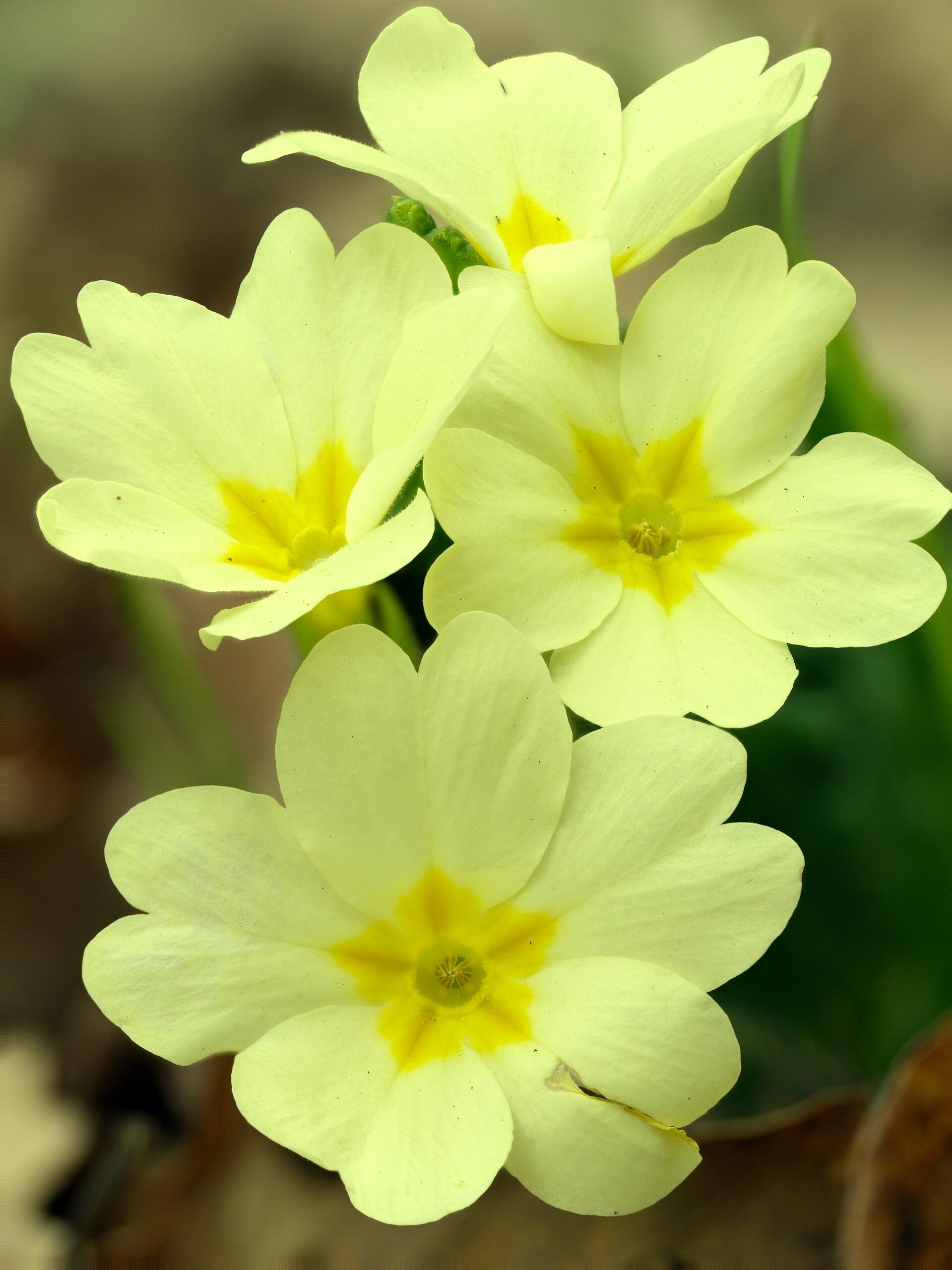
- Crowded clusters (trusses) on multiple short stems indicate a strong plant.
4) Stems and posture
- Flower stalks should be sturdy and upright, not floppy or etiolated (stretched and pale). Flop often equals low light and weak growth.
- Gently wiggle—if stems snap easily or the plant feels loose at the base, pass.
5) Pot and soil
- Common retail pots are 12–15 cm (4.7–5.9 in). Heft the pot: it should feel evenly moist, not sopping wet or bone-dry.
- No sour, swampy smell. A heavy, sodden mix invites gray mold and crown rot.
- Check the soil surface and leaf axils for fuzz (Botrytis) or pests.
6) Pests and disease quick-screen
- Aphids cluster on new stems; spider mites cause fine stippling and webbing on leaves.
- Remove any spent, mushy blooms at the store; if many are moldy, choose a different plant.
The first 48 hours: set up for success
- Transport: Keep it out of hot cars and blasting vents. Shield from cold drafts.
- Unbox and tidy: Snip off any spent blooms and yellow leaves. Don’t bury the crown when you settle it.
- Water check: If the top 2–3 cm (about an inch) are dry, water thoroughly and let excess drain. Avoid splashing the crown.
Perfect placement to dodge heat stress
Polyanthus primroses love bright light plus cool, fresh air. Think crisp morning light, not midday scorch.
Light
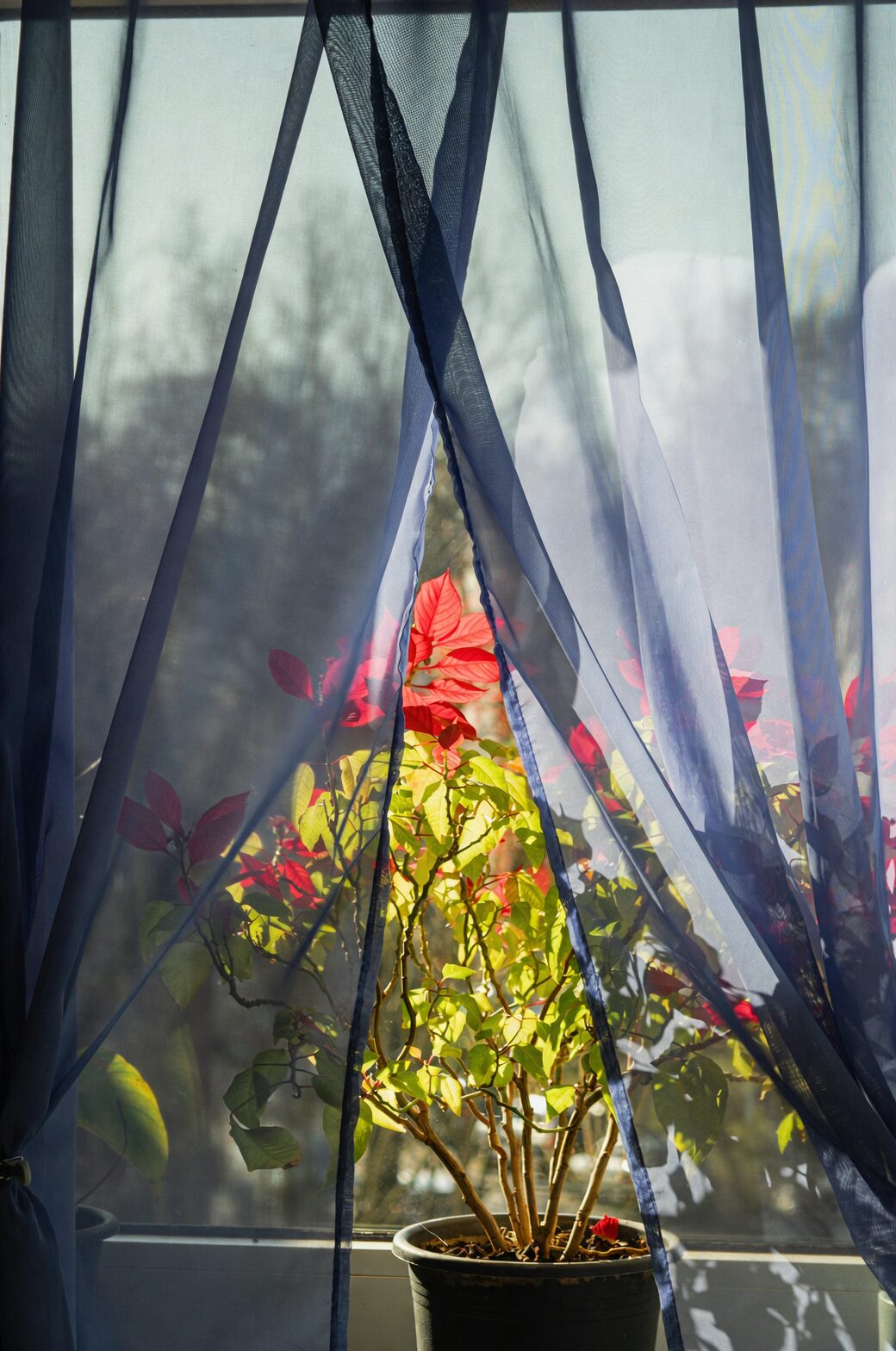
- Best: Bright light with gentle sun—east-facing windows are ideal; a bright south window works if midday sun is softened by a sheer or if room temps stay cool.
- Too little light causes long, weak flower stems and paler color.
Temperature
- Sweet spot: 13–18°C (55–64°F).
- Keep winter bloomers above ~12°C (54°F) to stay in flower.
- Protect from cold injury below ~5°C (41°F).
- Keep well away from heaters, hot radiators, and stuffy, overheated rooms—heat is the fast track to collapse.
Airflow and humidity
- Moderate humidity and good airflow are perfect—fresh, not stuffy.
- In hot, dry spells, raise local humidity by misting the air nearby or placing a damp tray close by, but keep water off leaves and the crown.
Stability
- Once blooming, minimize moving the plant around; less shuffling means fewer broken stems or dropped flowers.
Balcony/patio placement (cool seasons)
- A sheltered, bright spot with gentle morning sun works well.
- Protect from harsh midday sun and cold snaps; bring in or cover if temperatures dip near 5°C (41°F).
Watering and feeding for peak color
Consistency is your best friend—moist but never soggy.
- Watering rhythm:
- Winter (peak bloom): often 2–3 times per week indoors, depending on room temp and airflow.
- Spring (active growth): often 3–4 times per week as days lengthen.
- Summer or heat waves: reduce frequency and prioritize a cooler, airy, lightly shaded spot; don’t attempt to “save” the plant by keeping soil wet.
- Technique:
- Water the soil, not the rosette. Bottom-watering works well: set the pot in a shallow tray of water, then drain thoroughly.
- Let the top 2–3 cm (about an inch) dry slightly between waterings; never allow prolonged dryness or standing water.
- Feeding:
- During active growth and bloom, feed every 10 days (about every 1–2 weeks) with a balanced soluble fertilizer.
- As buds form and early bloom begins, one or two bloom-boost feeds (a bit higher in P/K) can support fuller trusses.
- Keep fertilizer solution off foliage to avoid scorch.
Simple grooming and ongoing TLC
- Deadhead: Remove spent flower stalks promptly to channel energy into new buds.
- Clean-up: Regularly pluck yellowing leaves and keep the crown debris-free to deter disease.
- Repot/divide (autumn): Refresh into a fertile, well-drained mix. Always keep the crown at or slightly above the soil surface.
- Propagation:
- Division in autumn is easiest—separate offsets and pot into 12–15 cm containers.
- Seed is possible but finicky; sow fresh seed on the surface of a sterile, peat-based mix and germinate cool (15–18°C / 59–64°F).
Heat-stress cheat sheet
- Early warnings: Wilting at midday despite moist soil, limp flower stalks, color fading fast, leaves losing turgor in warm rooms.
- Quick fixes:
- Move to the coolest bright spot you have—an east window, enclosed porch, or bright stairwell.
- Increase airflow (small fan on low, not blasting the plant).
- Shade midday sun with a sheer; avoid dark windowsills that get hot at noon.
- Water only as the mix begins to dry—don’t keep it constantly wet.
Troubleshooting quick answers
- Long, weak stems and washed-out petals? It’s too dim. Move to brighter light with gentle sun.
- Buds drying up before opening? Likely heat or very dry air; relocate to a cooler, brighter spot and improve humidity around, not on, the plant.
- Mushy center/crown? Overwatering or water trapped in the rosette. Let the top layer dry slightly, improve drainage, and water the soil edge only.
- Spots, gray fuzz on petals/leaves? Gray mold (Botrytis). Remove affected parts, increase airflow, and avoid wetting foliage.
- Aphids/spider mites? Rinse gently, raise humidity/airflow balance, and use insecticidal soap or horticultural oil if needed.
- Skin sensitivity? Some primulas can irritate sensitive skin. Wear gloves if you’re prone to plant allergies and keep pets/children from nibbling.
Outdoor handoff after bloom?
In mild-to-cool temperate gardens, many polyanthus types can be grown on in the ground, where consistent moisture and cool air suit them well. Tips:
- Timing: Move outdoors in cool weather; avoid frost in containers and protect from temperatures below ~5°C (41°F).
- Site: Partial shade with moisture-retentive yet well-drained soil; morning sun and afternoon shade are ideal.
- Planting: Set the crown at soil level. Water in and mulch lightly to keep roots cool and evenly moist.
- Note: Long, hot summers can cause decline—provide shade, cool soil, and steady moisture.
A botanist’s aside: the “×” and the meaning of the bloom
- The “×” in Primula × polyantha signals a horticultural hybrid—modern breeding combined cool-loving primrose relatives to create compact plants that carry many blooms in tight trusses, like a tiny hand-tied bouquet.
- Flower language: Polyanthus primroses are traditionally linked with youth and renewal—fitting for a plant that lights up late winter and announces spring. The association comes from centuries of spring festivals and Victorian floriography, where early-blooming primulas were tokens of hope, fresh starts, and bright days ahead.
Your easy action plan
- At the store: Pick a compact clump with a firm crown, deep-green leaves, and plump buds just cracking color; avoid soggy pots and floppy stems.
- At home: Park it in bright light with gentle sun, in a cool room (ideally 13–18°C / 55–64°F), well away from heaters.
- Care rhythm: Keep the mix evenly moist, feed lightly every 1–2 weeks in growth and bloom, deadhead spent stalks, and keep the crown clean and high.
Treat polyanthus primrose like the cool-weather guest it is, and it will repay you with weeks of saturated color—just the tonic your late winter needed.