

Think of Pilea cadierei—better known as the Aluminum Plant—as a tiny disco ball of foliage. Its deep green leaves flash with silvery brushstrokes, brightening shelves and corners without begging for attention. It’s compact, easygoing, and quietly energizing—no wonder modern plant lovers see it as a symbol of freshness and vitality.
Does Pilea cadierei have a “flower language”?
Short answer: not in the classical sense. Traditional floriography (the Victorian “say-it-with-flowers” craze) and Japan’s hanakotoba focused on showy blooms used in bouquets. Pilea cadierei produces tiny, inconspicuous flowers—often in summer, but irregularly indoors—and has always been grown for its foliage. So it never earned a codified, old-world flower meaning.
Modern plant culture, however, reads meaning from what the eye and spirit perceive every day on the windowsill:
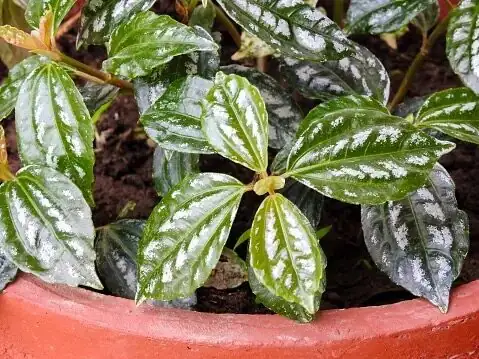
- Freshness: the crisp, quilted leaves with bright silver patches look newly polished, like cool morning air inside a pot.
- Vitality: its compact, mounding habit responds well to tip-pinching and bounces back fast—an “always growing” energy.
- Sparkle in the shade: those reflective leaf markings catch ambient light, lifting the mood of softly lit rooms.
Together, these qualities have shaped a contemporary language for Pilea cadierei: a living emblem of freshness and vitality.
The Metal element connection: silver leaves, clear energy
The Aluminum Plant’s very name and its brushed-metal leaf pattern invite an elemental reading: Metal. In many feng shui interpretations, Metal is linked with clarity, communication, precision, and the power to refine or cut through clutter—energies that pair beautifully with the plant’s clean, silvery sheen.
Feng shui pointers inspired by Metal
While feng shui is personal and interpretive, many practitioners like to lean into the plant’s “metallic” vibe:
- Directional synergy: placing it toward the West can harmonize with the Metal element often associated with that sector.
- Pot cues: round, white or gray pots echo Metal’s shapes and colors; a subtle metallic cachepot can visually reinforce the theme.
- Scene setting: keep the plant neatly pinched and mounded—tidiness supports Metal’s clarity; pair with smooth stones or a simple tray to suggest calm precision.
- What it’s said to encourage: clearer communication, smoother transitions, domestic harmony, and—in some traditions—a gentle nudge toward prosperity through well-ordered, focused energy.
Practical note: wherever you place it, protect the leaves from harsh midday sun. A bright, indirect spot is perfect.
Gifting notes: what you’re really giving
Pilea cadierei is a thoughtful gift when you want to say “Here’s to fresh starts” without sending a bouquet.
Great occasions
- New job or workspace: clarity, calm, and a tidy splash of silver on the desk.
- Housewarming: a cool, modern accent that brightens a corner in soft light.
- Creative sprints and study seasons: a symbol of focus and clean momentum.
- Recovery and renewals: gentle vitality without fuss.
How to present it
- Choose a round, white or gray pot (or a simple brushed-metal cachepot) to enhance the Metal motif.
- Tuck in a small card: “May your days stay fresh—and your ideas keep shining.”
- Include a mini care note: “Bright, indirect light; evenly moist, never soggy; pinch tips to keep it full.”
A considerate caution
- Treat it as potentially mildly toxic if chewed—best gifted with a note to keep out of reach of curious pets and kids.
Cultural threads: from Vietnam to the modern windowsill
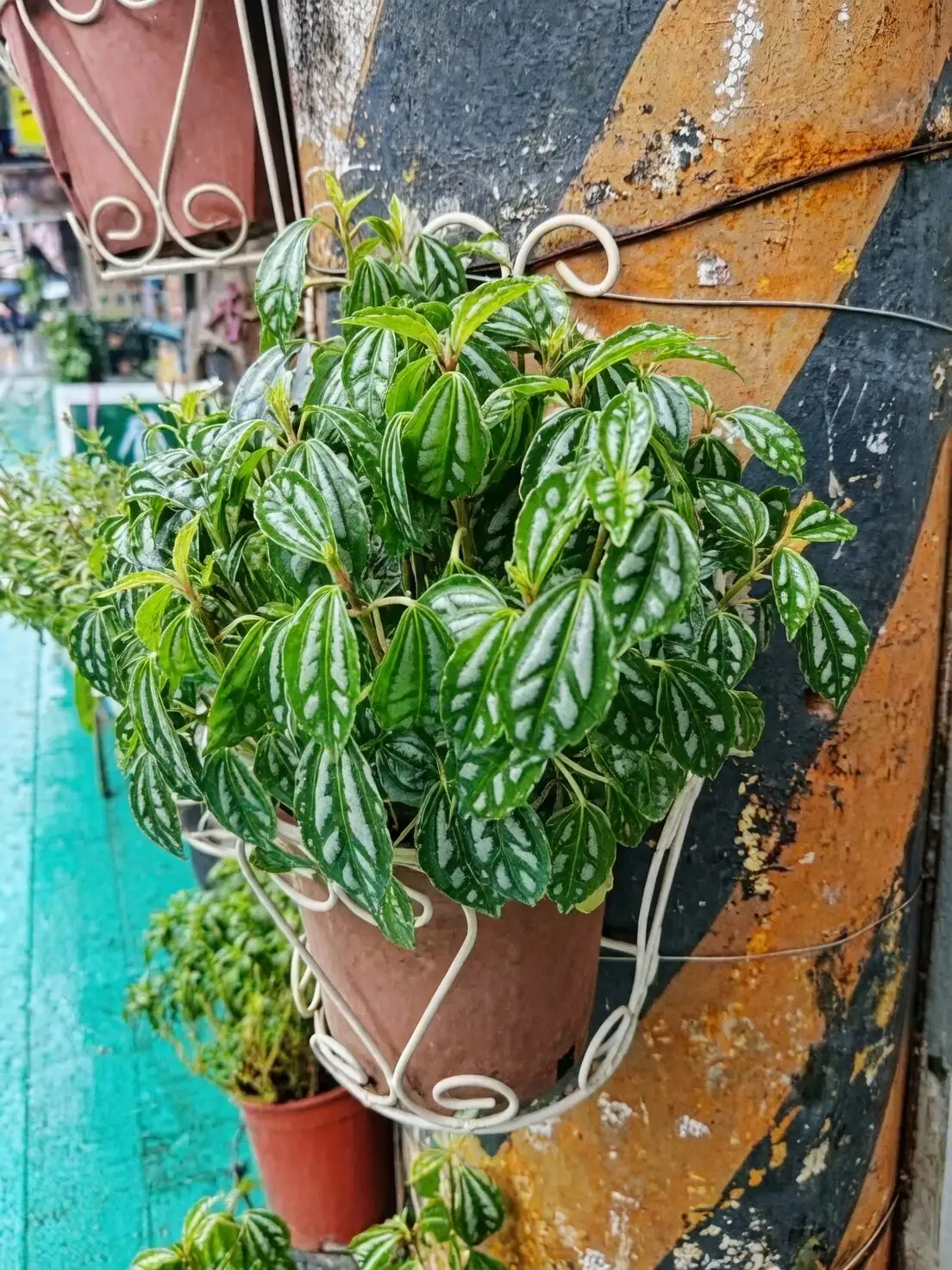
Native to Vietnam, Pilea cadierei became a houseplant classic because it delivers dramatic, silver variegation without being fussy. Indoors, it forms a compact, glossy cushion in small pots or hanging baskets; in truly warm, frost-free climates it can even serve as a low, luminous groundcover in shaded beds. Its metallic patterning made it a go-to for “instant contrast” in mixed foliage displays—cool, modern, and quietly uplifting.
Keep the sparkle: care that sustains the meaning
To preserve that fresh, vital look, a few easy habits go a long way:
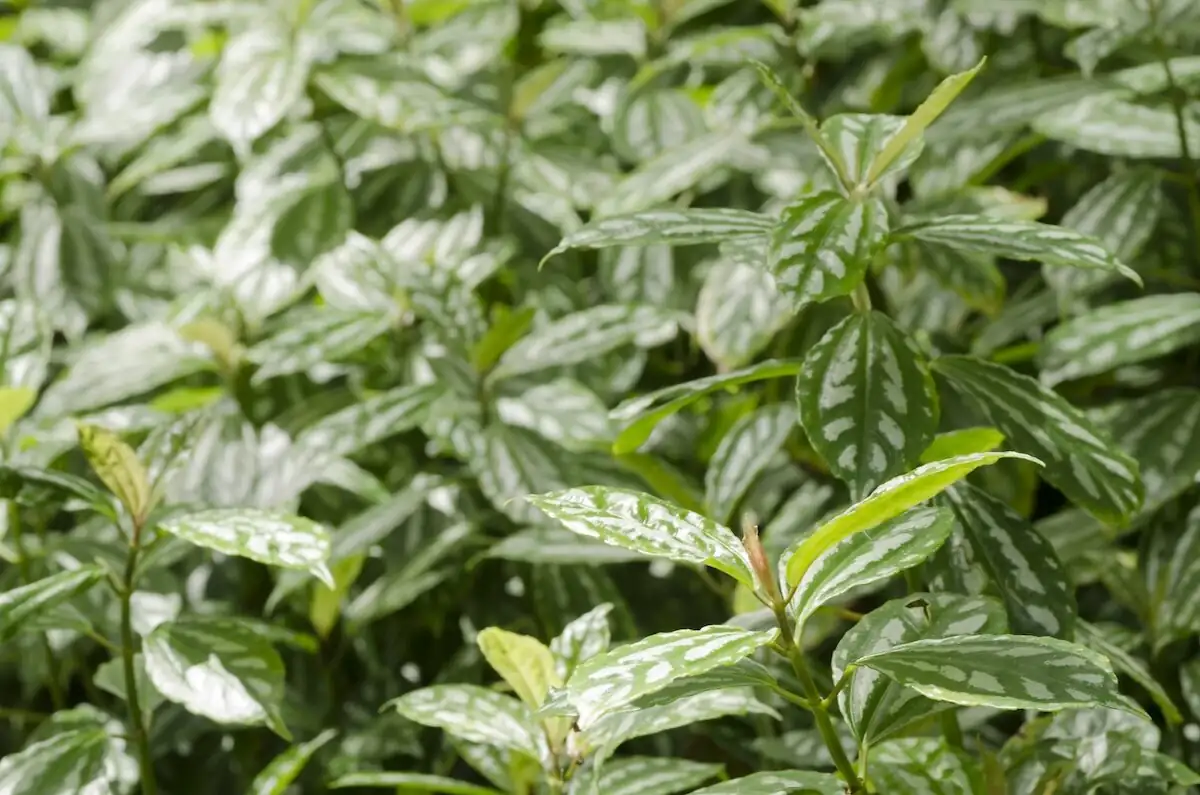
- Light: bright, indirect light is ideal. Too much harsh sun can scorch and dull the pattern; too little fades the silver and causes legginess.
- Water: aim for evenly moist, not wet. Water when the top 1–2 cm dries; never leave it sitting in a saucer of water. Go lighter in winter.
- Humidity: moderate to high (around 40–60%+). Occasional misting or a pebble tray helps, with decent airflow.
- Temperature: happiest at 15–25°C (59–77°F). Protect from chills below about 8–10°C (46–50°F).
- Soil: loose, airy, well-draining mix (think potting mix with perlite).
- Feeding: light, during active growth—either a diluted, balanced liquid feed every two weeks, or a gentler dose every couple of months from late spring through summer. Ease off in winter.
- Pruning: pinch tips often to keep the mound dense and cushiony. A spring cutback can refresh a leggy plant.
- Propagation: delightfully easy from 5–12 cm stem cuttings; roots often appear in about a week in warm conditions.
- Pests: watch for spider mites (especially in dry air), mealybugs, and aphids. Treat early with insecticidal soap or horticultural oil.
- Safety: handle as potentially mildly toxic if ingested; display responsibly around pets and children.
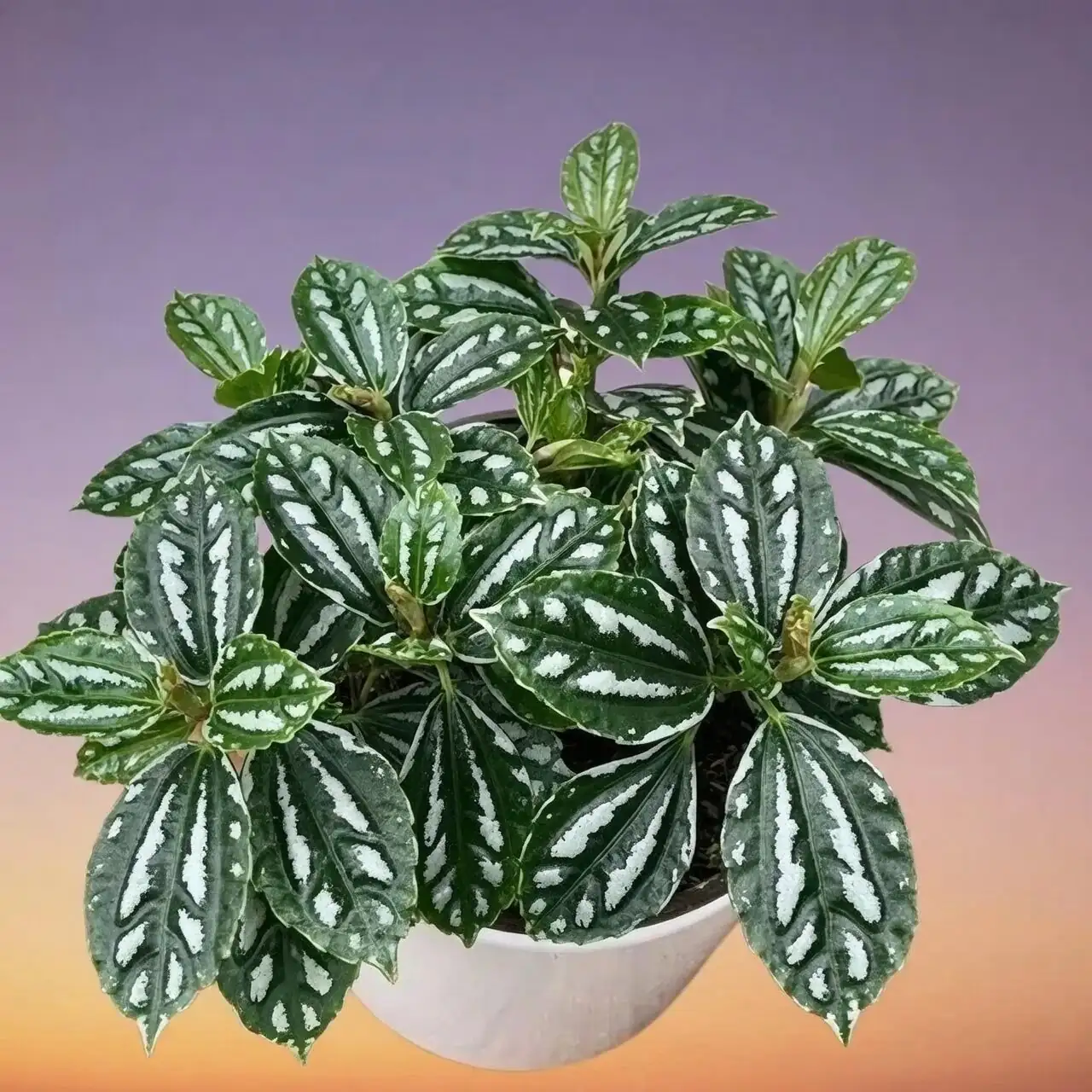
Size and styling sweet spot
- Expect a compact 20–30 cm (8–12 in) mound in a 12–15 cm (5–6 in) pot. Rotate weekly for even growth; pinch for a plush, tailored look.
FAQs for a plant that “speaks” in silver
- Why are the silver patches fading? Most often, not enough light. Move it to a brighter, indirect spot—but avoid harsh direct sun.
- Why does it look leggy? It needs more light and regular pinching. A spring trim can quickly restore a tight, mounded form.
- Why did it drop leaves in winter? Likely cold drafts or low light. Keep it warm, bright, and water less often when growth slows.
- Can it live outdoors? Only in very warm, frost-free regions (about USDA 11–12), and then in shade to filtered light.
Freshness and vitality may be the Aluminum Plant’s modern “language,” but the message lands because the plant backs it up—day after day—with cool gleam, tidy vigor, and a quietly clarifying presence. If you’re looking to gift a little clarity or stage a corner for bright ideas, this small, silver-splashed wonder earns its place.