

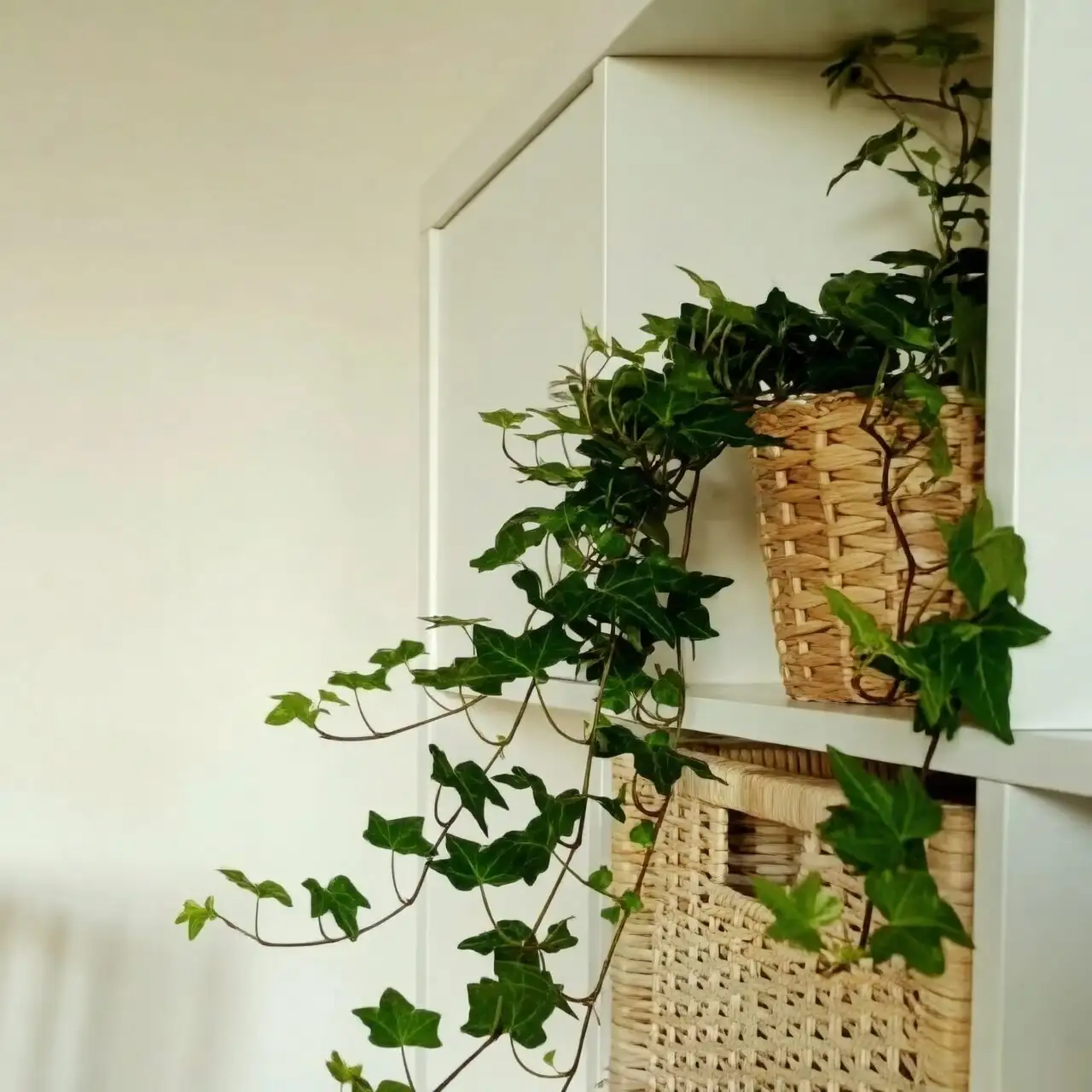
English ivy (Hedera helix L.) is the little black dress of foliage design—timeless, versatile, and instantly elevating. Whether you’re coaxing glossy trails across a bookshelf, spiraling vines up a sleek hoop, or creating a living picture frame, this evergreen icon can look crisp and couture…if you train it intentionally. Here’s how to shape, style, and care for ivy so it stays bright, elegant, and photo‑ready—without scuffing your walls.
The look: sculpted, not scraggly
- Growth habit: Ivy climbs using tiny aerial rootlets and also drapes beautifully. Juvenile shoots carry the classic 3–5 lobed leaves; mature, flowering shoots transition to smooth, more oval or diamond-shaped leaves.
- Best use indoors: Trailing from shelves and baskets, or trained on trellises and wire frames into hoops, obelisks, arches, and grids.
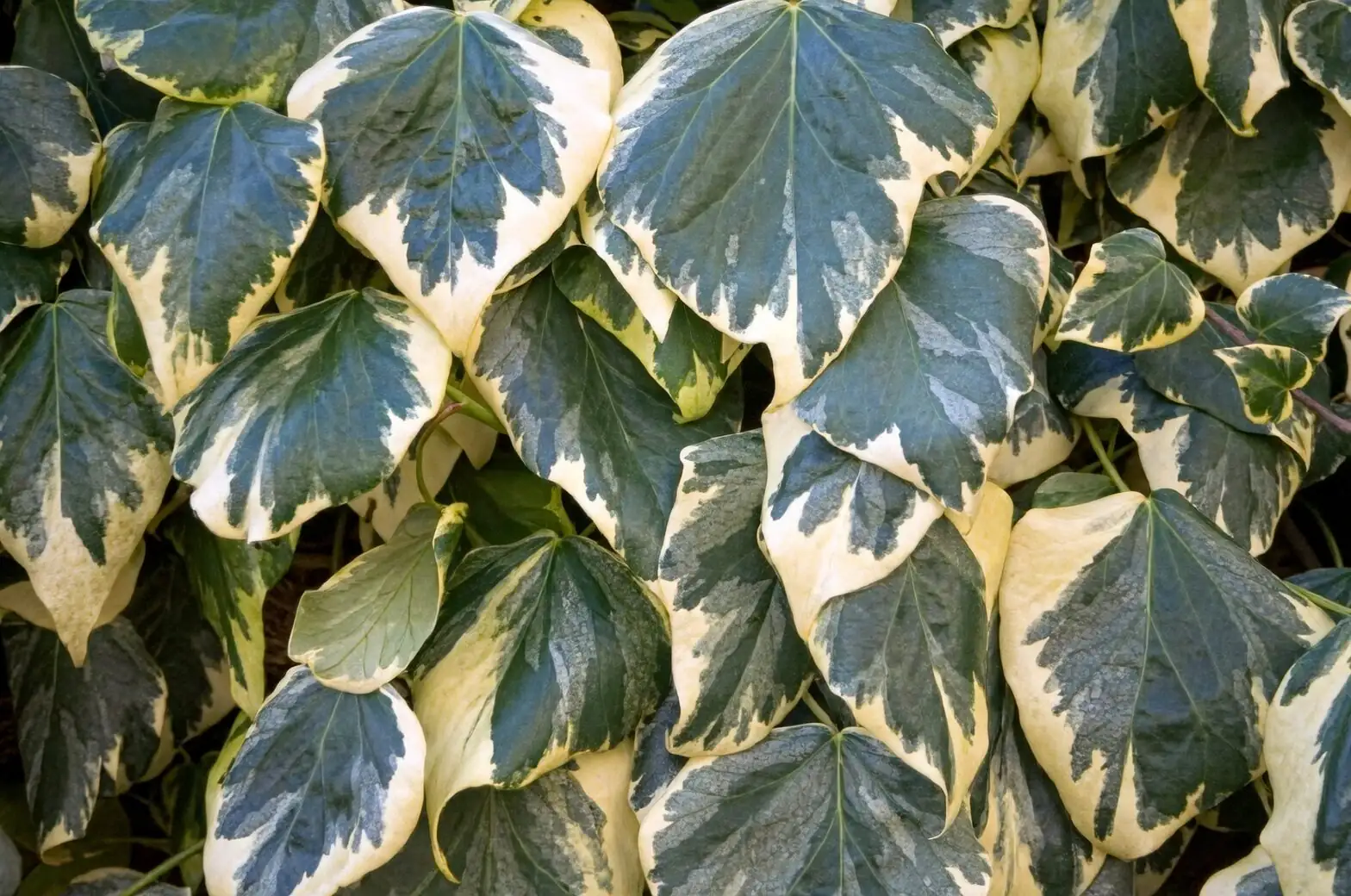
- Bonus: Many cultivars feature cream, white, or yellow variegation that pops in low-light rooms—when given adequate brightness.
Light, temperature, humidity: the “polish” behind the scenes
- Light (indoors): Bright, indirect light keeps vines dense and leaves glossy. Variegated types need more light to hold their color; too dim and they revert toward green. East or bright north windows work beautifully; filter strong sun. Avoid hot, punishing afternoon rays.
- Temperature: Grows best around 70–90°F (21–32°C) with cooler nights indoors; protect from drafts and spikes above 90°F.
- Humidity: Medium to high is ideal. Dry air invites spider mites. Use a pebble tray, group plants, or occasional misting; ensure good airflow.
Watering and feeding for tight, tidy growth
- Watering rhythm: Let the top 1 inch (about 2.5 cm) of mix dry, then water thoroughly and drain—aim for evenly moist, not soggy. Indoors that’s often ~2x/week in active growth, less in winter.
- Fertilizer: Every 2 weeks in spring and summer with a balanced formula (e.g., 20‑20‑20 or an organic 2‑2‑2). Pause in winter and during heat waves.
Curate your cultivar palette: variegated stars (and one sculptural green)
Choose small- to mid‑leaf cultivars for crisp lines on frames and shelves.
- ‘Glacier’ — Gray‑green centers with creamy margins; compact and easy to keep neat.
- ‘Gold Child’ — Blue‑green centers edged in gold to cream; a warm highlight on dark shelves.
- ‘Eva’ — Clean creamy‑white edging; bright, graphic contrast.
- ‘Buttercup’ — New leaves emerge yellow and glow in bright filtered light, maturing greener in shade.
- ‘Little Diamond’ — Petite leaves with fine white margins; excellent for small hoops and tabletop frames.
- ‘Needlepoint’ (green) — Deeply lobed, elegant silhouette; a design staple for minimalist trellises.
Tip: If a variegated plant pushes all‑green shoots, prune those stems back to a point where variegation is still present to preserve the look.
Design-forward training: trellises, shelves, and frames
A. Trellised ivy that stays graceful
Pick a form that echoes your decor: circle hoops for soft minimalism, obelisks for height, arches for classic symmetry, or a square grid for modern lines.

Step-by-step
- Frame and pot: Use a pot with drainage and a loose, well‑draining mix. Anchor a hoop/obelisk securely in the pot.
- Select the leads: Choose 2–4 healthy vines as “leaders.”
- Wrap loosely: Spiral each leader around the frame with soft, reusable ties or mini clips every 2–3 inches (5–8 cm). Never constrict—you want room for stems to thicken.
- Pinch to fill: When a leader hits the top, pinch the tip. This triggers side shoots that quickly flesh out the frame.
- Edit monthly: Snip strays that break the outline and thin interior tangles for airflow. Rotate the pot weekly for even light.
Pro look: Leave intentional negative space. A few elegant arcs are more high‑end than a dense, shapeless mass.
B. Shelf styling without the tangle
- Set “fall lines”: Guide vines with clear micro‑hooks under the shelf to create soft swags or parallel lines rather than a single heavy rope.
- Layer lengths: Stage short, medium, and long trails (think 6″, 12″, and 24″+) for depth. Trim to maintain a 3:5 proportion between pot size and trailing length.
- Backdrop matters: Variegated leaves pop against dark wood or painted walls; solid greens sing on pale backdrops.
- Keep airspace: Avoid drapes over radiators, vents, or sunny glass where leaves can scorch.
C. Wall-safe “green frames” (no paint damage)
Ivy’s aerial rootlets can mark or lift paint if allowed to adhere directly. Keep a small air gap between plant and wall.
Wall-safe systems
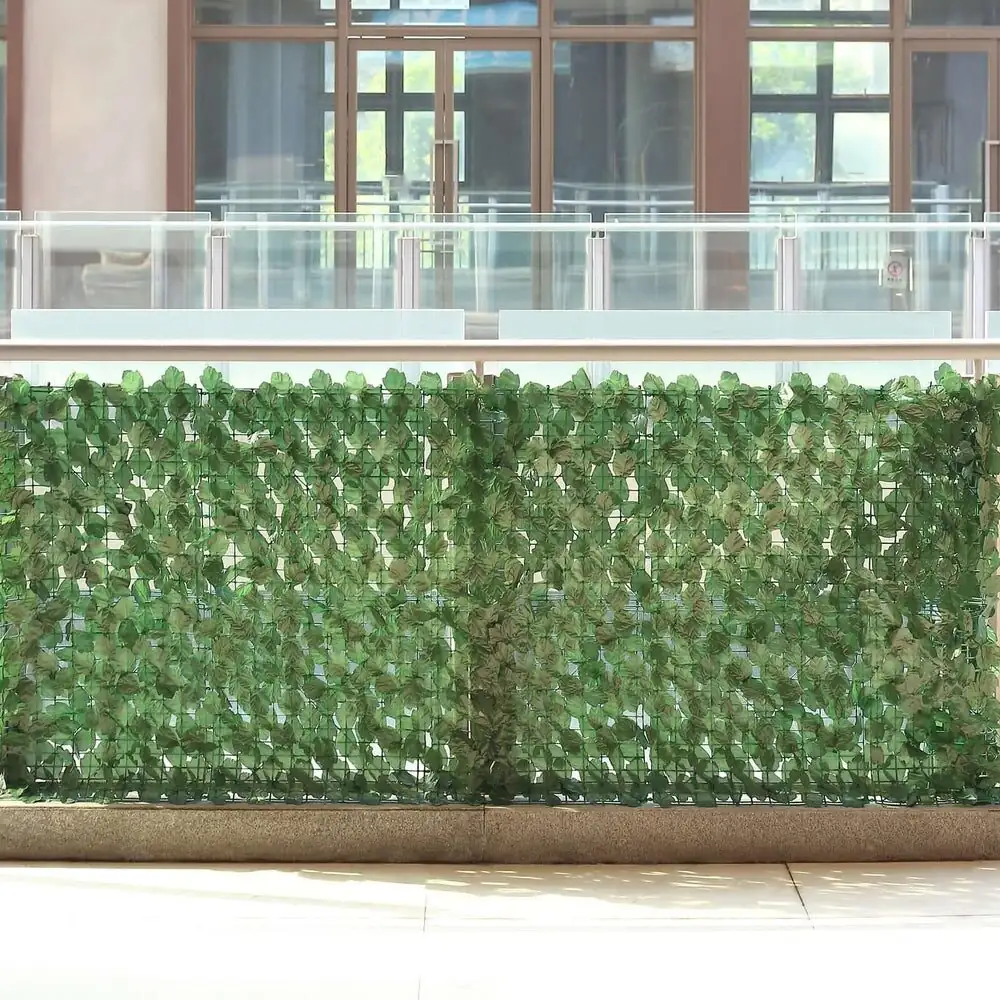
- Floating grid panel: Hang a powder‑coated metal grid or wood lattice on standoffs 0.5–1 inch from the wall. Clip vines to the grid—not the wall.
- Invisible espalier: Use removable adhesive micro‑hooks and clear fishing line to create a loose outline (oval, wave, or geometric). Tie vines to the line rather than sticking to paint.
- Freestanding frame: Place an art‑style frame or trellis just in front of the wall so the plant never touches it.
Prevention is everything
- Detangle weekly so rootlets don’t get a chance to grip surfaces.
- If rootlets do attach, support the stem with one hand and gently peel back. For residual marks on durable paint, spot‑clean gently with a damp cloth; if needed, test a mild citrus‑based adhesive remover in an inconspicuous area first.
Outdoors note: If you love ivy on architecture, use independent trellis systems or ensure masonry is sound; avoid letting vines exploit cracks. Always check local guidance—English ivy can be invasive in some regions.
Pruning and grooming: the elegance equation
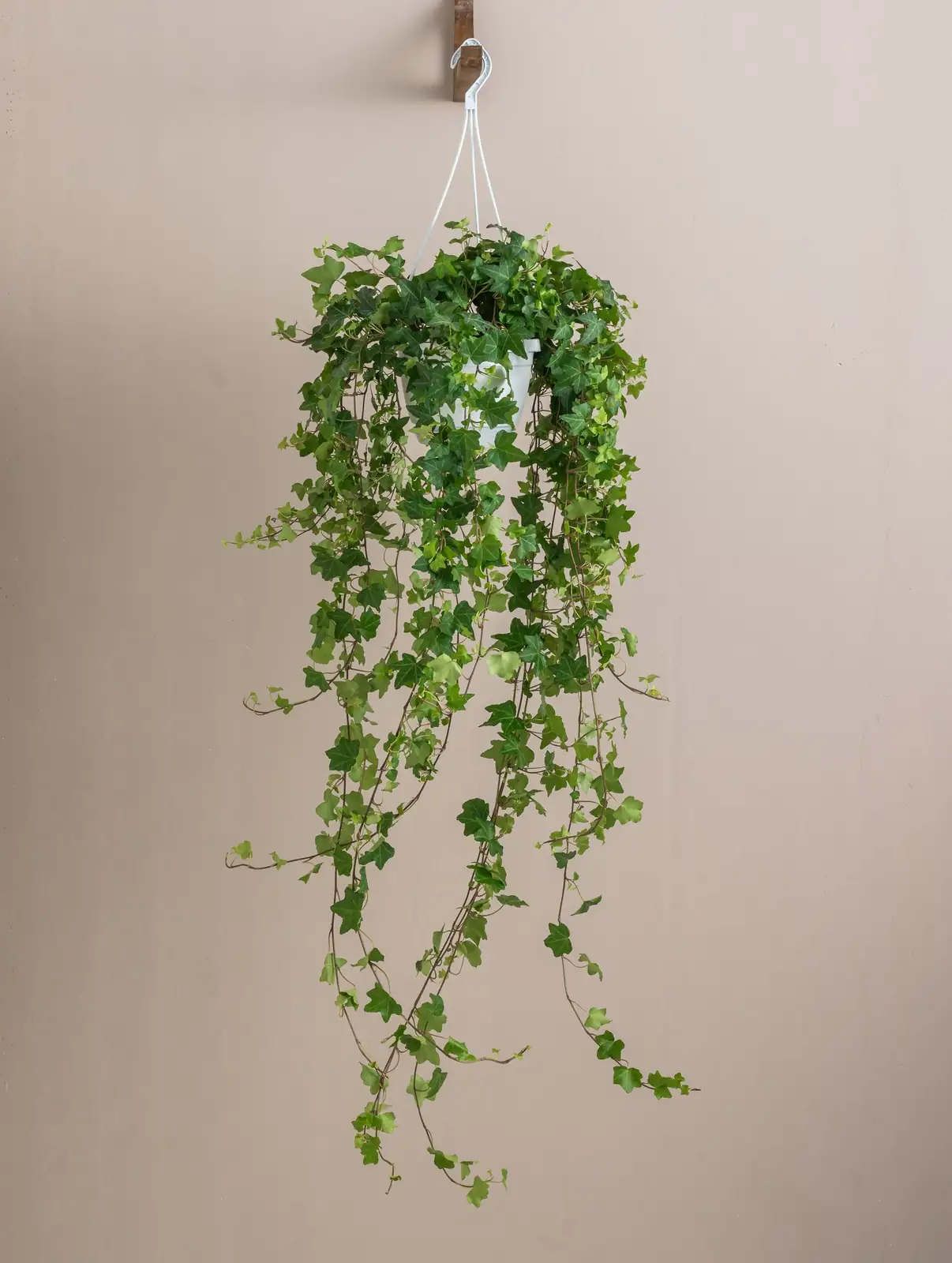
- Pinch for polish: Pinch tips regularly to keep outlines crisp and encourage bushiness.
- Shape in spring: Heavier trims in spring reset shape; light edits anytime.
- Selective thinning: Remove a few interior stems to improve airflow and reduce pest pressure.
- Clean leaves: Dust dulls variegation. Wipe with a soft, damp cloth. Skip oily leaf‑shine products.
- Rotate weekly: Keeps growth even and prevents leaning.
Photo‑ready checklist
- Water 12–24 hours before a shoot so leaves are turgid and luminous.
- Hide ties: Use plant‑colored clips, then step back and trim any visible tag ends.
- Fluff arcs: Arrange trails into smooth S‑curves. Create intentional negative space around frames.
- Final wipe: Quick leaf dusting, then snap away.
Pest prevention (the stylish way to stay stress-free)
- Spider mites love dry air. Boost humidity and rinse foliage periodically in the sink or shower. For persistent pests, treat with insecticidal soap or neem oil, and improve airflow.
- Also watch for aphids, scale, and mealybugs. Prune localized infestations and clean regularly. Most disease issues trace back to soggy soil or stale air—keep the mix draining and leaves drying quickly.
Repotting and propagation
- Repot: Annually for small plants or every 2 years for larger ones, or sooner if root‑bound or top‑heavy. Move up one pot size and refresh mix.
- Propagate: Stem cuttings root easily in water or a moist mix in 2–4 weeks. Layering (pinning a stem to soil) is nearly foolproof—great for filling a frame fast.
Safety first
English ivy is toxic to humans and pets if ingested, and the sap can irritate skin. Keep out of reach, and wear gloves when pruning if you’re sensitive.
A brief note on meaning: why ivy feels so “right” in interiors
Historically cherished from ancient Greece and Rome to Victorian parlors, ivy symbolizes fidelity, steadfast friendship, and enduring love—apt for a plant that clings and stays evergreen. In Victorian “flower language,” gifting ivy whispered devotion and faithfulness. Today, those associations translate beautifully to interiors: a living motif of constancy that softens hard lines and anchors a space with calm.
Quick care at a glance
- Light: Bright, filtered; more for variegates. Avoid harsh afternoon sun.
- Water: Let top 1 inch dry; then soak and drain. Less in winter.
- Humidity: Medium–high; pebble trays, grouping, or occasional misting.
- Feed: Balanced fertilizer every 2 weeks in spring/summer; pause in winter.
- Prune: Pinch often; shape in spring. Remove damaged leaves for airflow.
With the right frame, a few soft ties, and a curator’s eye, Hedera helix can be less “wild vine” and more “living sculpture.” Train it with intention, and your trellis, shelf, or wall will look styled—never overgrown.