

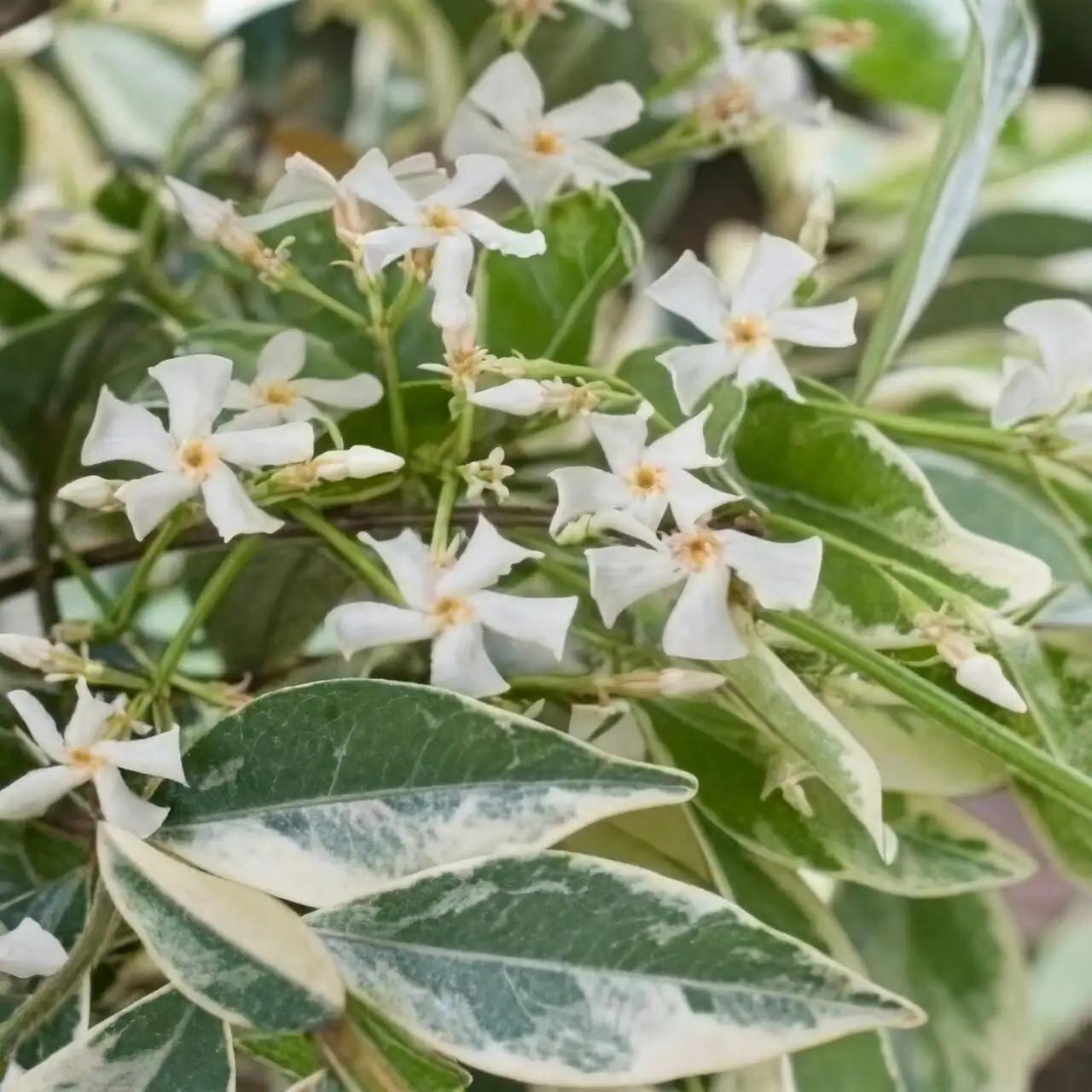
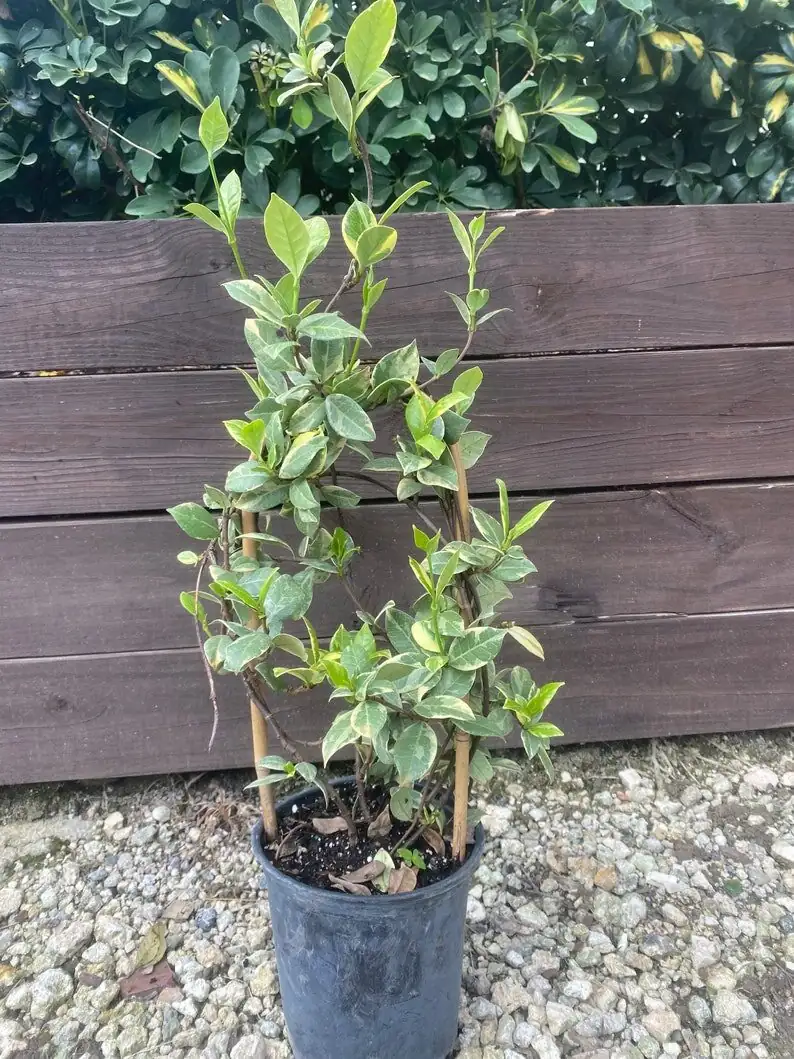
If your space is small but your taste is big, Variegated Star Jasmine is the vine that plays by minimalist rules. Trachelospermum asiaticum ‘Variegatum’ brings glossy, cream-and-green leaves that look hand-painted, twining elegantly on petite supports or cascading in soft ribbons from a shelf. It even thrives in water-culture displays—clean lines, no soil, all style. Here’s a design-forward playbook for training, pot pairing, and glass-vessel compositions that make its variegation glow in compact homes.
Meet the plant
- Botanical name: Trachelospermum asiaticum ‘Variegatum’
- Also called: Variegated Star Jasmine, Variegated Asiatic/Japanese Star Jasmine
- Habit: Evergreen twining/trailing vine—made for pots, small trellises, hanging baskets, and chic water culture
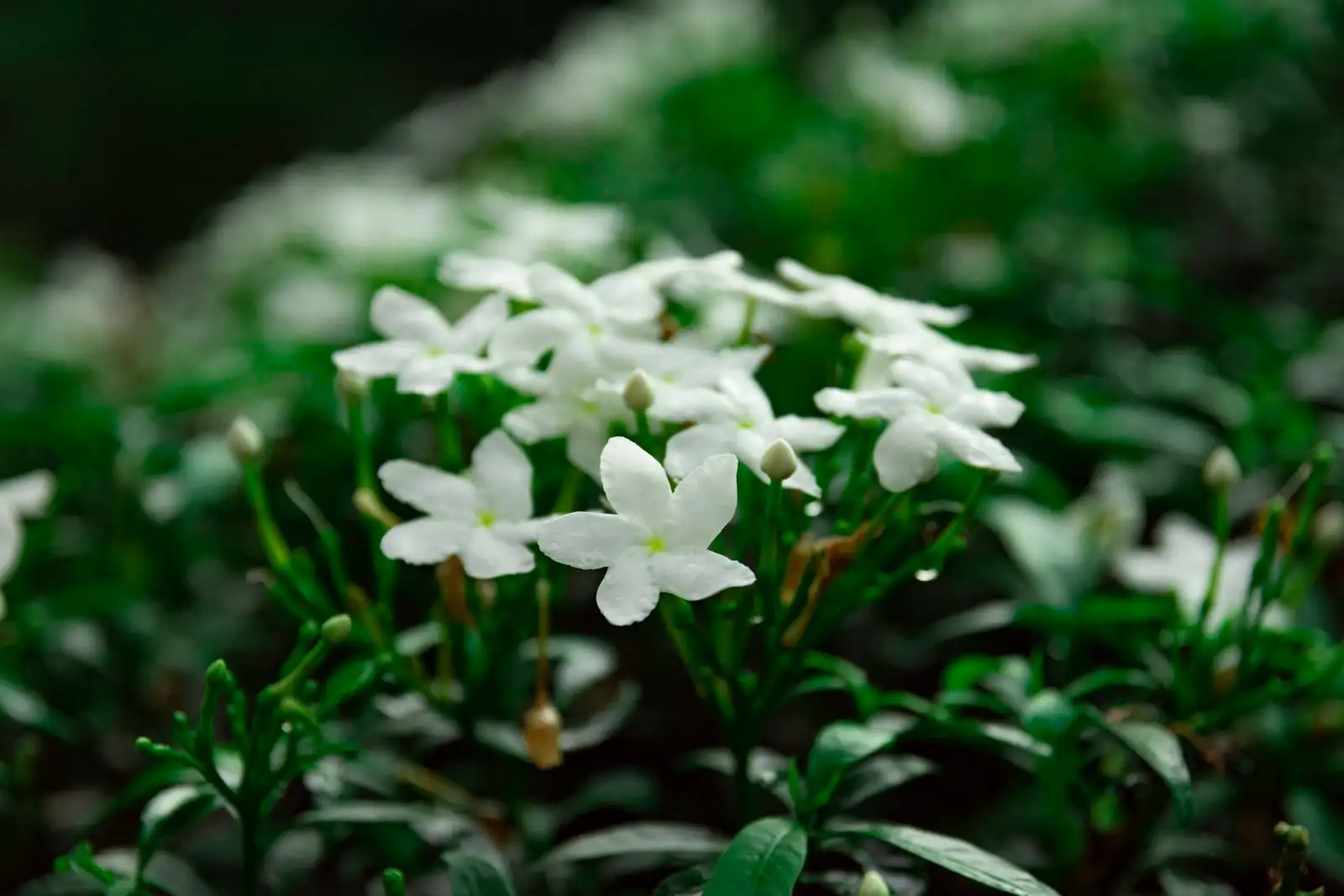
- Bonus: Small, starry white flowers may appear in summer (more reliable outdoors than indoors), with a sweet fragrance
Light and color: how to keep the cream crisp
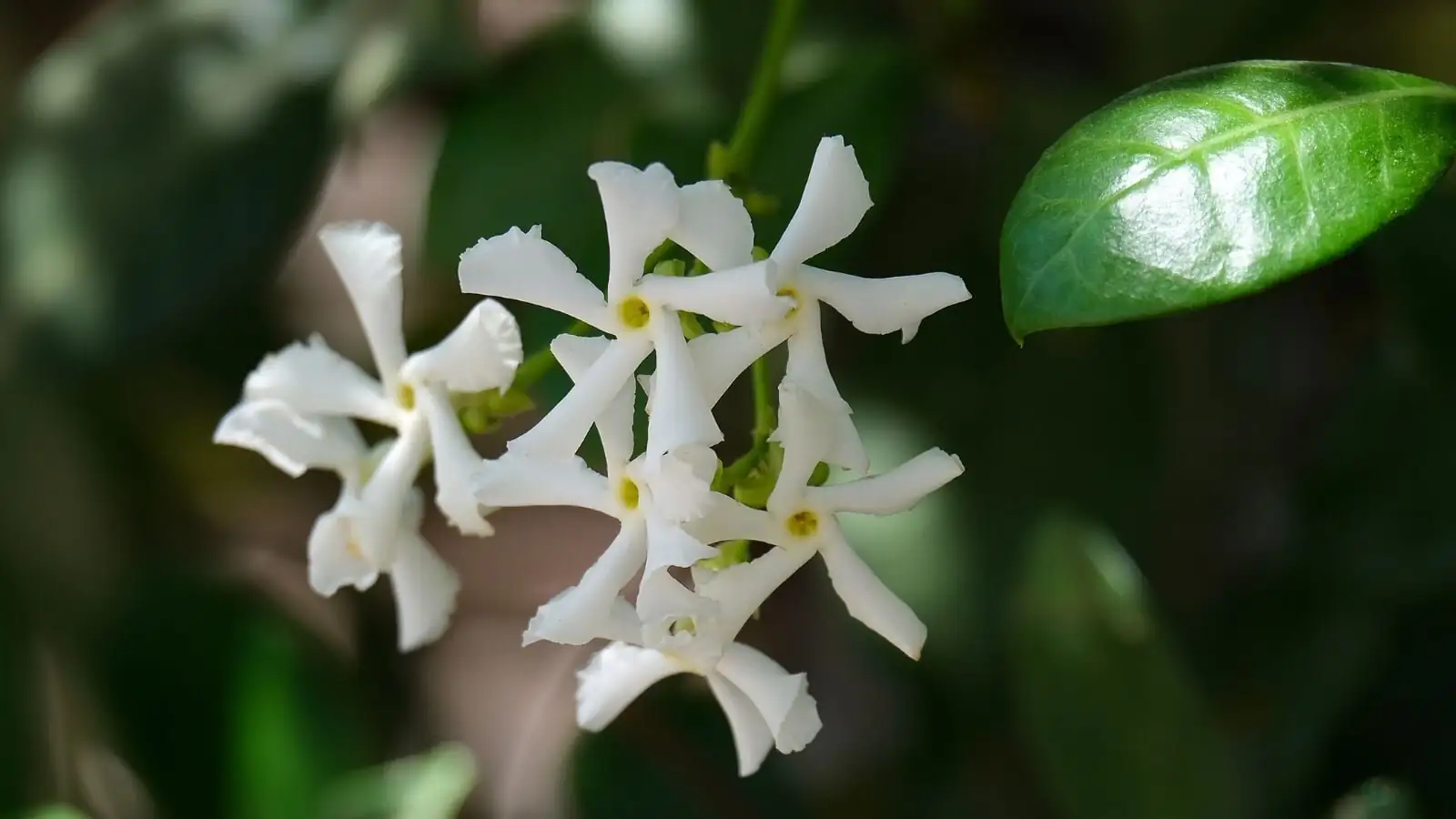
- Best indoors near a bright east or south window. It tolerates partial shade, but brighter light keeps variegation sharp and growth compact.
- Aim for 20–25°C (68–77°F). In winter, protect from prolonged cold and keep it above 10°C (50°F) to reduce leaf drop.
- Avoid harsh sun when temperatures are low, which can dull variegation and increase the risk of wilting or leaf drop.
Pro tip: If any stems turn fully green (reversion), prune them out promptly—green shoots often outpace the variegated parts and can swamp the look you love.
Training in tight quarters: small-scale structures with big impact
Think “sculptural, not sprawling.” Start training once new shoots reach about 30 cm (12 in).
- The ladder frame
- Use a slim, matte-black or brass ladder trellis (20–30 cm wide). The ladder’s vertical lines echo modern shelving and make cream variegation pop.
- Clip stems loosely and pinch tips to encourage side-branches that fill the rungs.
- The halo hoop
- Slip a simple brass ring or slender bamboo hoop into the pot; twine two to three leaders around the circle for a living “wreath” that reads minimalist rather than cottage.
- Works beautifully on console tables where a round silhouette softens straight furniture edges.
- The diamond grid
- Create a low-profile grid with removable wall hooks and fine garden wire behind the plant—arranged in diamonds for a light, airy pattern.
- Perfect for renters: the grid is featherlight, and the plant reads like a living art piece.
- The micro-obelisk
- Three thin stakes bound at the top form a tidy teepee. Great for 15–20 cm (6–8 in) pots on window ledges, adding height without visual clutter.
- The soft cascade
- Let vines spill from a shelf or hanging basket. To keep it polished in small spaces, trim to one clean “waterfall” layer and thin congested inner growth.
Pot pairing: materials, shapes, and tones that flatter variegation
- Color contrast
- Matte black or charcoal stoneware makes the cream-white pattern glow.
- Warm terracotta softens the greens and harmonizes with natural wood.
- Soft white or pale oatmeal ceramics double down on a serene, light-on-light palette.
- Form factor
- Narrow cylinders or footed pedestals elevate foliage and lend negative space beneath.
- Low, wide bowls suit a compact, clipped “mound” with short leaders trained over a mini hoop.
- For a fuller look fast, plant three young starts in one 15–20 cm (6–8 in) pot.
- Finish details
- Choose clean rims and minimal texture to spotlight foliage patterning.
- If you’re prone to overwatering, use unglazed clay for a little extra breathability—and always include a drainage hole.
Minimalist water-culture displays that stay fresh
Yes, this vine is a water-culture natural. The result is sculptural, serene, and perfect for small homes.
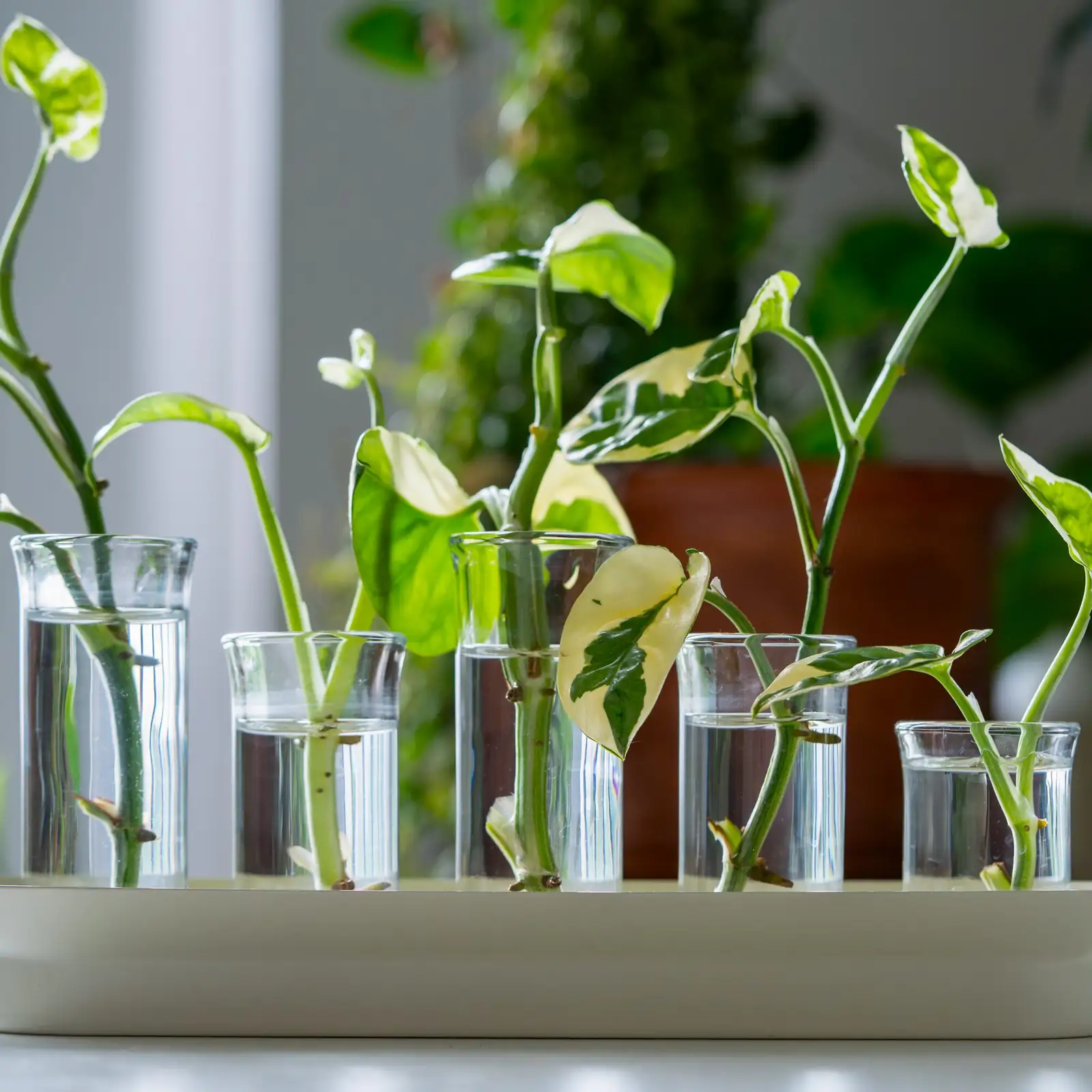
- Vessel ideas
- Tall, clear cylinder: Arrange two to three cuttings with alternating leaf heights for a vertical, gallery-like column.
- Low, wide lab beaker: A modern foil for a halo-hoop cutting; the ring sits above, roots form below.
- Narrow-neck bud vases: Cluster three single-stem “line drawings” on a tray; negative space does the styling for you.
- Opaque or smoked glass reduces algae and looks ultra-clean.
- How to set it up
1) Take 10–12 cm (4–5 in) tip cuttings in early summer; keep 3–4 leaves at the top, remove the rest.
2) Submerge at least one node; keep leaves above water.
3) Roots typically appear in 3–4 weeks. Top up water as it evaporates; change fully every 1–2 weeks.
4) Add a hydroponic nutrient solution at low dose (follow label; start dilute). A small piece of activated charcoal can help keep water fresh.
5) Rinse roots when changing water; trim any mushy bits.
- Long-term water culture tips
- Give bright light and good airflow; avoid stagnant, overly humid corners.
- Wipe vessels during changes to keep glass pristine.
- If growth slows or variegation dulls, nudge the display to a brighter spot.
Three small-space styling recipes
- The Window Wreath
- A 17 cm matte-white cylinder + brass hoop trellis + one plant. Train two leaders around the hoop; pinch for fullness. Place at an east window for a halo of cream.
- The Console Column
- A tall, narrow clear vase + three cuttings at staggered heights. Set on a dark tray with a single stone. Change water weekly for gallery-grade simplicity.
- The Floating Ladder Shelf
- A slim ladder trellis in a charcoal pot + one trailing vine snipped to just skim the shelf edge. Negative space below keeps the vignette calm.
Care that fits a minimalist routine
- Watering
- Growing season: keep potting mix evenly moist but never soggy.
- Autumn–winter: reduce watering; cold + wet is the classic yellow-leaf/leaf-drop trigger.
- After repotting: water lightly and mist occasionally while it settles.
- Feeding
- Fertilize about once per month in the growing season.
- If you’re coaxing blooms, add 1–2 extra feeds higher in phosphorus and potassium before summer.
- Temperature & humidity
- Best growth at 20–25°C (68–77°F). Keep above 10°C (50°F) in winter to reduce leaf drop.
- Prefers moderate humidity; in dry indoor air, occasional misting helps—pair with good airflow.
- Soil & repotting
- Use a fertile, loose, well-drained mix. Repot every ~2 years in spring.
- For instant fullness, three young plants in one 15–20 cm pot is a classic approach.
Pruning and shaping for precision
- Begin guiding shoots onto supports when they reach ~30 cm (12 in).
- Pinch tips to encourage branching and thin congested growth.
- Remove any fully green reverted shoots promptly to preserve the variegated look.
- Older plants (around 3–4 years) respond well to a hard cutback for rejuvenation.
Propagation you’ll actually do
- Tip cuttings (10–12 cm) root easily in a gritty mix or even in plain water—usually in 3–4 weeks.
- Layering long stems during the growing season is another near-foolproof method.
- Seed is possible but may revert to solid green, so cuttings are the go-to.
Troubleshooting, fast
- Yellowing and leaf drop
- Most often low light or the winter combo of cold + overwatering. Move brighter, keep warmer, and allow the mix to dry a bit more between winter waterings.
- Variegation fading
- Increase light, ensure steady warmth, and avoid cold drafts with strong sun.
- Pests and leaf spots
- Spider mites can appear in dry air: rinse foliage, raise humidity, and treat with insecticidal soap/horticultural oil if needed.
- Leaf spot: improve airflow, avoid wetting leaves late in the day, remove affected foliage; use a broad-spectrum fungicide labeled for ornamentals if necessary.
Symbolism and “flower language”
While this cultivar is prized mainly for foliage, its evergreen, twining habit has long suggested steadfastness and loyalty—the plant that quietly “stays” and gently holds on. In modern decor, that translates to a calming, constant presence: a living line drawing that anchors a room through the seasons.
Safety note
Specific toxicity data for this exact cultivar is not consistent. As a precaution—especially with pets and small children—avoid ingestion and treat it as potentially irritating if chewed. Seek medical or veterinary advice if symptoms occur.
Seasonal rhythm (at a glance)
- Spring: Repot if due; start monthly feeding; add a small support as shoots lengthen.
- Early summer: Take 10–12 cm semi-ripe cuttings; add 1–2 bloom feeds if you’re chasing flowers.
- Autumn: Reduce watering; keep in bright light.
- Winter: Keep slightly dry, above 10°C (50°F); avoid cold, wet soil.
With crisp training, a thoughtfully chosen pot, or a glass vessel that doubles as sculpture, Trachelospermum asiaticum ‘Variegatum’ turns compact homes into calm, curated spaces. Keep the lines clean, the light bright, and the water thoughtful, and its creamy leaves will do the rest.