

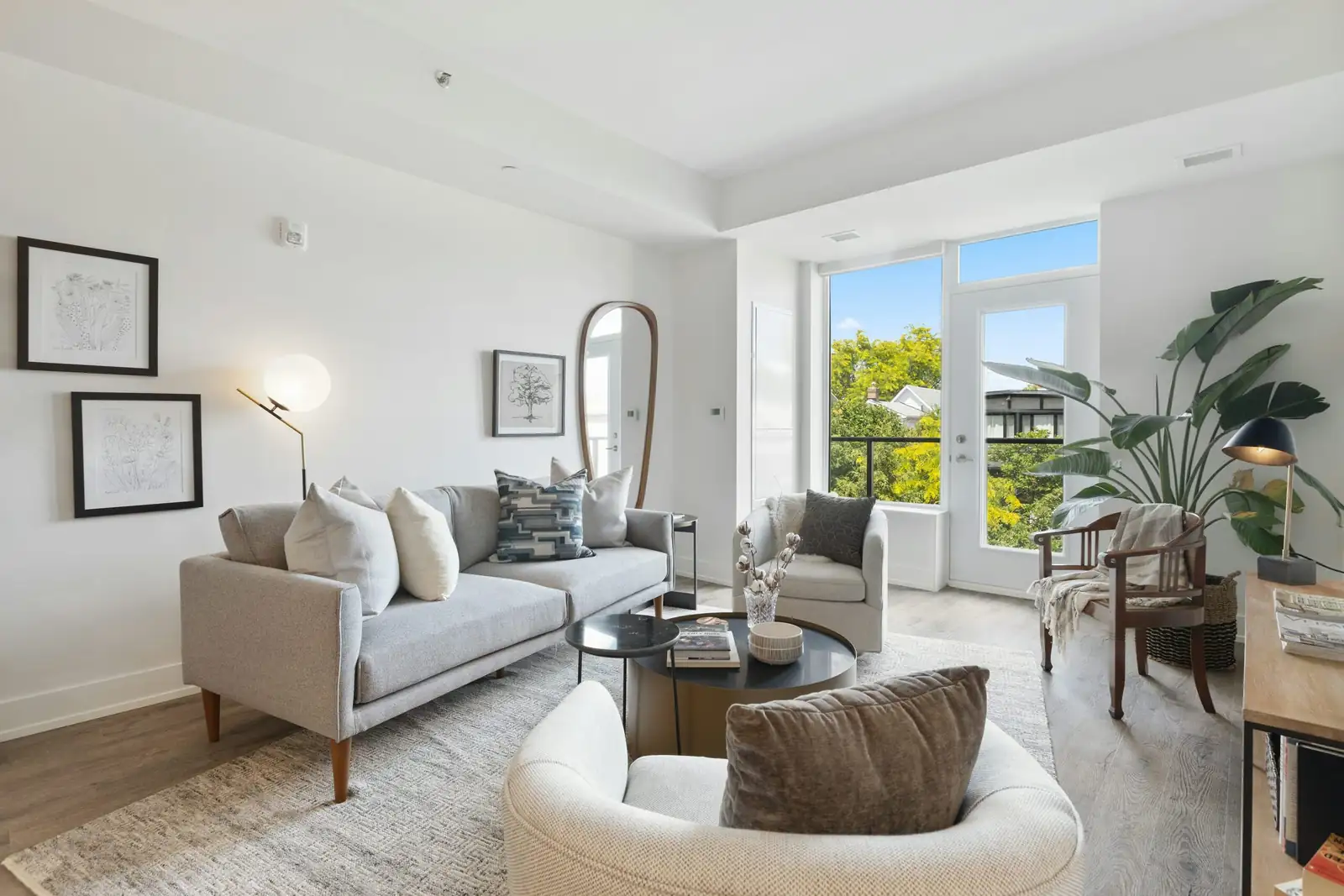
Imagine a dim corner that feels a little forgotten. Now picture it transformed into a soft, tropical vignette—fronds arching like velvet fans, light skimming along glossy leaflets, textures layering like a boutique hotel lobby. That’s the quiet magic of Chamaedorea elegans—the Parlor Palm—an understory palm that brings big ambiance to low-light nooks without drama or fuss.
Here’s how to style it with intention—pot shapes, height stacks, textures, and lighting—while keeping the plant gorgeously healthy for years.
Why Parlor Palm is the low-light style hero
- Understory DNA: Naturally adapted to dappled forest light, it thrives in bright, indirect light and accepts medium to low light indoors without sulking.
- Graceful form: Soft, feathery fronds create instant “lush,” even in tight footprints (most indoor clumps mature around 2–4 ft tall and 12–24 in wide).
- Forgiving routine: As long as you avoid waterlogged soil and cold drafts, this palm stays elegant and evergreen.
- Pet-friendly bonus: Generally considered non-toxic to cats and dogs.
Light, the invisible styling tool
Think of light as your plant’s mood lighting—shape it, don’t blast it.
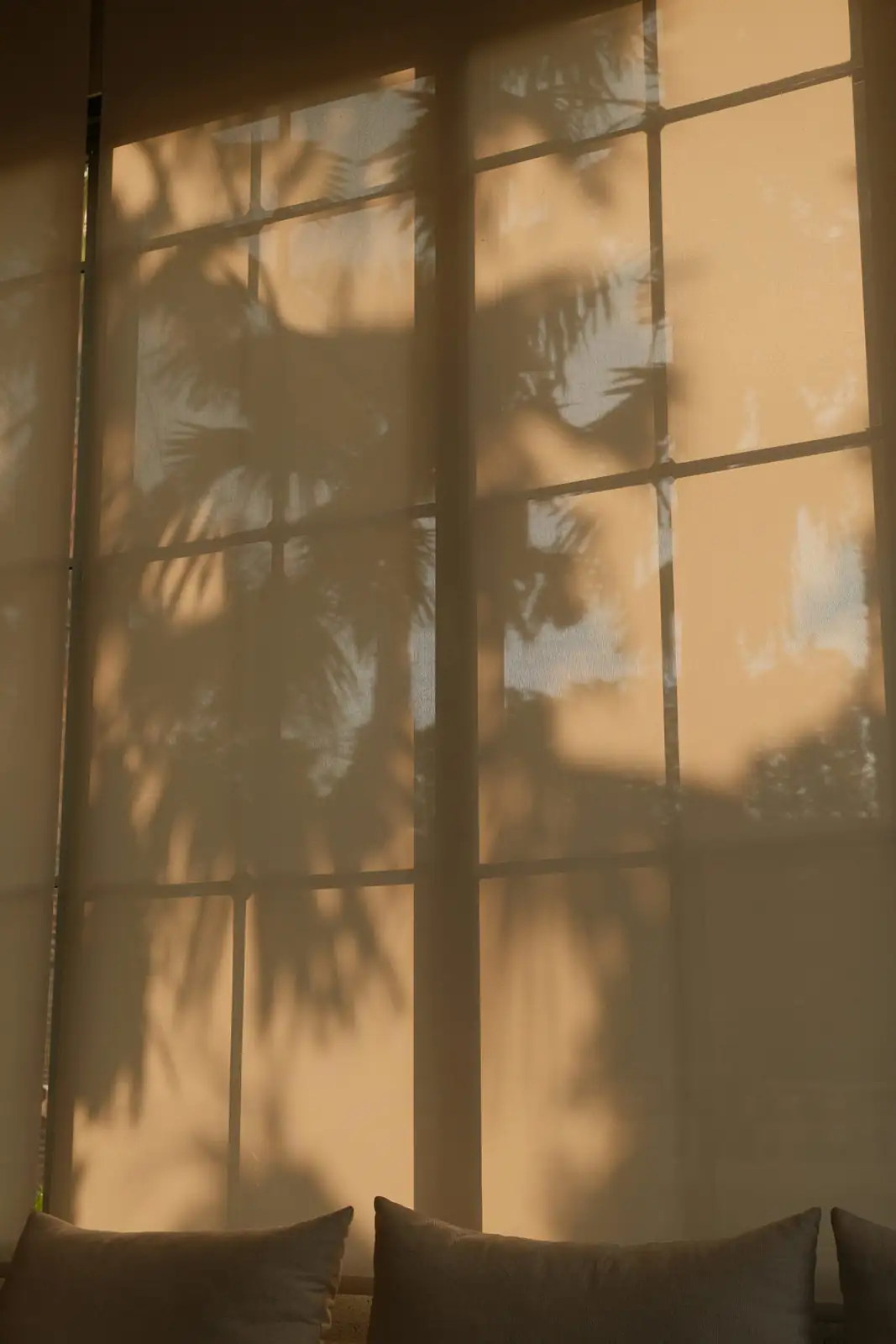
- Best placements
- Near an east- or north-facing window.
- A few feet back from a bright south/west window behind a sheer curtain (aim for roughly 30%–50% shade to soften intensity).
- For true low-light corners
- Add a discreet full-spectrum LED bulb in a floor lamp or sconce aimed past the plant to bounce off a light-colored wall.
- Choose warm-to-neutral white fixtures (visually cozy) but ensure the bulb is a plant-capable grow light.
- Design trick: Reflect and diffuse
- Pale walls, satin paint finishes, a linen shade, or a brass tray nearby can bounce indirect light onto fronds—subtle, flattering, effective.
- Avoid: Harsh midday sun, heating/AC vents, and chilly drafts. Keep above 10°C/50°F (plants look their best around 18–24°C/64–75°F).
Pot shapes that flatter the palm’s silhouette
Parlor Palm’s clumping, upright-to-arching habit loves clean lines and stable bases.
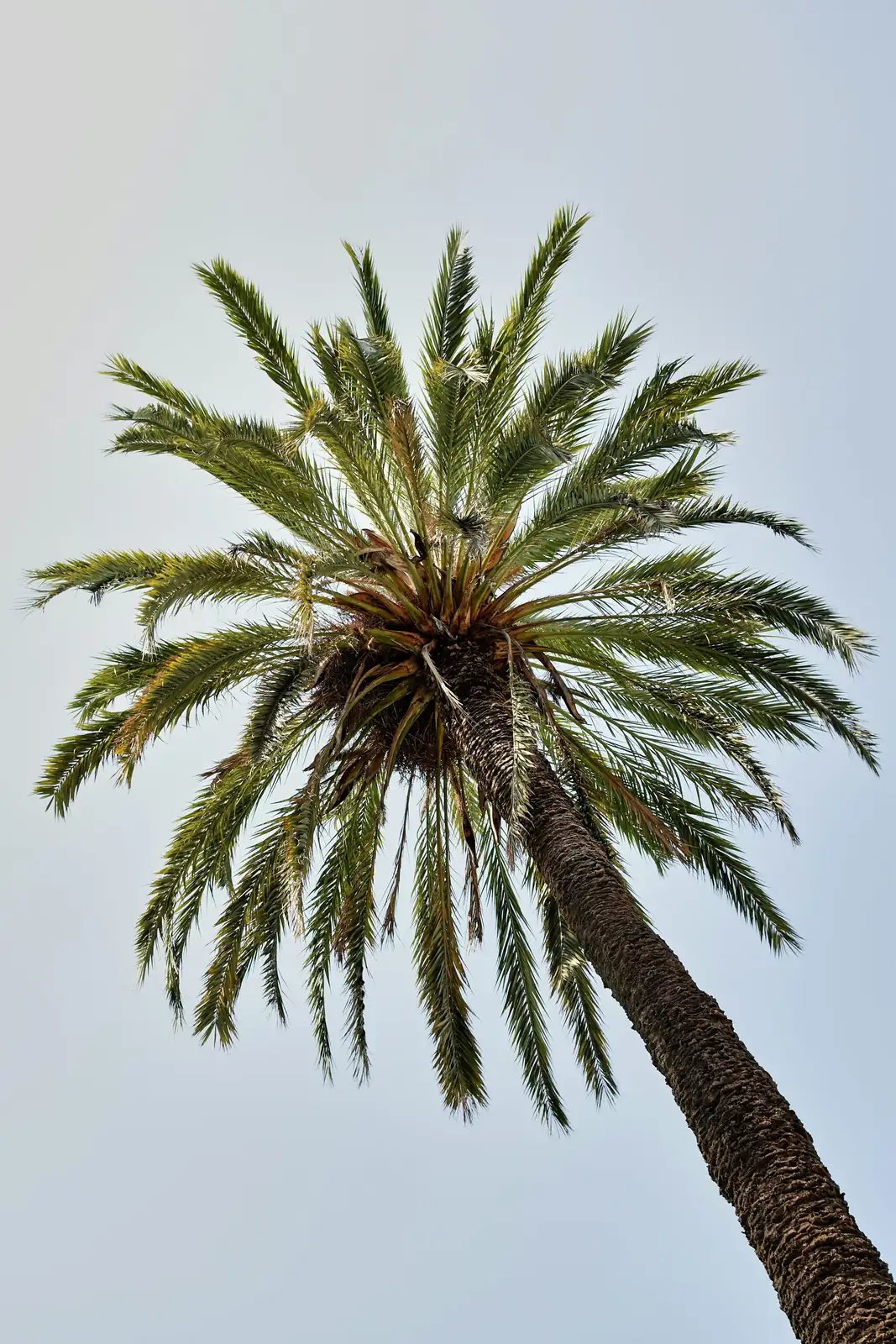
- Tall cylinder (modern classic)
- Slims the profile and adds height without crowding.
- Choose a nursery pot with drainage inside a decorative cachepot for effortless watering.
- Footed or pedestal planters
- Lift the foliage to “float” above a sideboard or console, making room for styling objects beneath.
- Great for creating negative space under the canopy—instant airiness.
- Softly fluted or scalloped rims
- Echo the palm’s feathery rhythm without stealing the scene.
- Shallow bowl? Use caution
- Works only for small, tabletop sizes—and only with excellent drainage.
- The palm dislikes waterlogged media in broad, under-drained vessels.
Pot size guide:
- Many home plants are happy in 15–25 cm (6–10 in) diameter pots; larger established clumps can step up to about 20–30 cm (8–12 in). Repot every 2–3 years, one size up.
Height stacks: build a micro-canopy, not a skyscraper
Layer heights the way a forest layers shade.
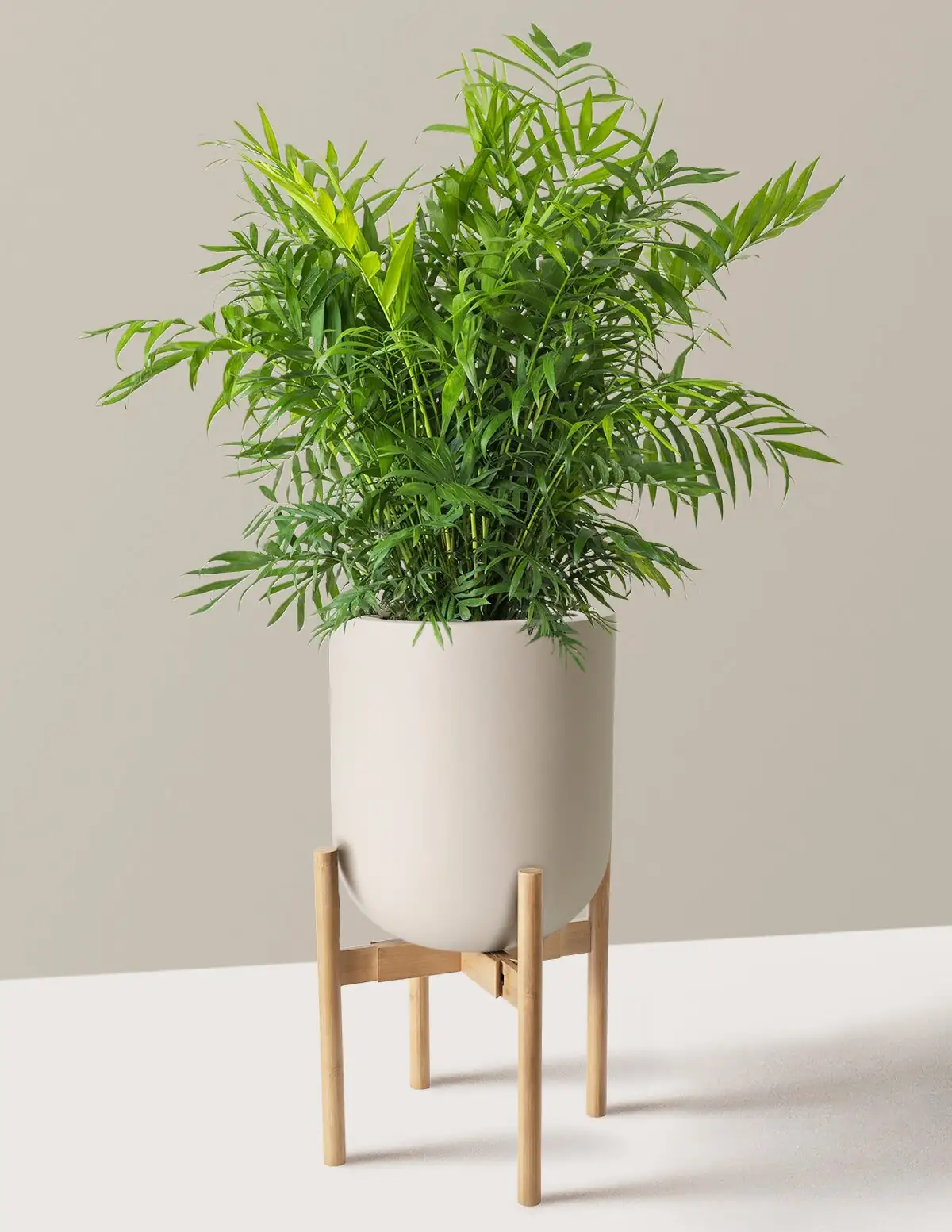
- The triangle rule
- Create a visual triangle: one tall anchor (Parlor Palm on a low stand), one mid piece (a sculptural vase or lamp), one low element (tray, book, or small object). It keeps the eye moving.
- Stands and plinths
- Place a medium palm (12–18 in tall) on a 20–35 cm (8–14 in) plinth to raise fronds into lamplight.
- On floors, aim for total height (pot+plant+stand) that sits just below eye level when seated—relaxing, not imposing.
- Shelf and desk styling
- For small palms (tabletop size), tuck them slightly off-center and pair with a low bowl or stacked coasters to ground the vignette.
- Stair landings and hall corners
- A tall cylinder on a slim pedestal softens hard lines without blocking flow.
Texture pairings that read “tropical”
Let the fronds be the fabric; let everything else set the mood.
- Cozy-organic
- Matte ceramic, papercrete, limewash walls, rattan or cane, and linen shades.
- Add a travertine tray or raw oak stool for quiet warmth.
- Luxe-modern
- Charcoal or deep moss vessels, brushed brass accents, bronzed mirror, boucle upholstery.
- A smoked-glass lamp adds glow without glare.
- Earthy coastal
- Sand-toned pot, sisal rug, bleached wood, seashell dish—keep finishes chalky and calm.
Complementary plants (for layered humidity and visual softness):
- Low-light friends like ferns or prayer plants on nearby surfaces (not crammed at the palm’s base) maintain air flow and keep the scene lush.
Keep the look alive: watering, soil, and drainage without guesswork
Parlor Palm rewards restraint and good drainage.
- Water rhythm
- Water thoroughly, then let the top 2–3 cm (about 1 in) dry before watering again in spring–summer.
- In autumn–winter, wait a bit longer between waterings—but don’t let it stay bone-dry for long.
- Never let the pot sit in water; soggy soil is the fast track to yellowing leaves and root rot.
- Soil
- Use a loose, fertile, well-draining mix: quality potting mix amended with perlite/coarse sand and a bit of bark.
- Self-watering & cachepots, the stylish way
- If using a self-watering planter, opt for a conservative reservoir and wick system; allow the top layer to dry slightly, and don’t keep media perpetually wet.
- Easiest method: keep the palm in its drainage nursery pot and drop it into a decorative cachepot. Water at the sink, let it drain, then return—zero sogginess, full style points.
Light choreography across the seasons
- Spring
- Bright, filtered light; resume steady watering; protect from hot, direct sun.
- Summer
- Water when the surface dries; boost humidity if air is dry; keep shade soft but present.
- Autumn
- Slightly reduce watering; keep light generous but indirect.
- Winter
- Move to the brightest safe spot; keep above 10°C/50°F (ideally 15°C/59°F+); water sparingly and stop fertilizing until growth resumes.
Tiny flowers, big bonus
Mature plants may occasionally produce small yellow sprays on slender stalks—delicate, not showy, and purely a bonus to the foliage-forward look.
Fast fixes for common style-busters
- Browning tips or edges
- Usually dry air, inconsistent watering, mineral-heavy water, or chills. Try filtered or rainwater, keep room temperatures stable, and gently raise humidity (pebble tray or humidifier; avoid cold, wet foliage).
- Yellowing + mushy roots
- Almost always overwatering in cool conditions. Improve drainage, let the top layer dry before watering, and keep the plant warmer.
- Pests (spider mites, scale, mealybugs)
- Check undersides of fronds in dry seasons. Wipe leaves, increase humidity, and treat early with insecticidal soap or horticultural oil.
Minimalist hydro vignette (for spa-serene spaces)
A clear cylinder with an airy root display turns the palm into a living sculpture—only attempt if you’ll maintain it.
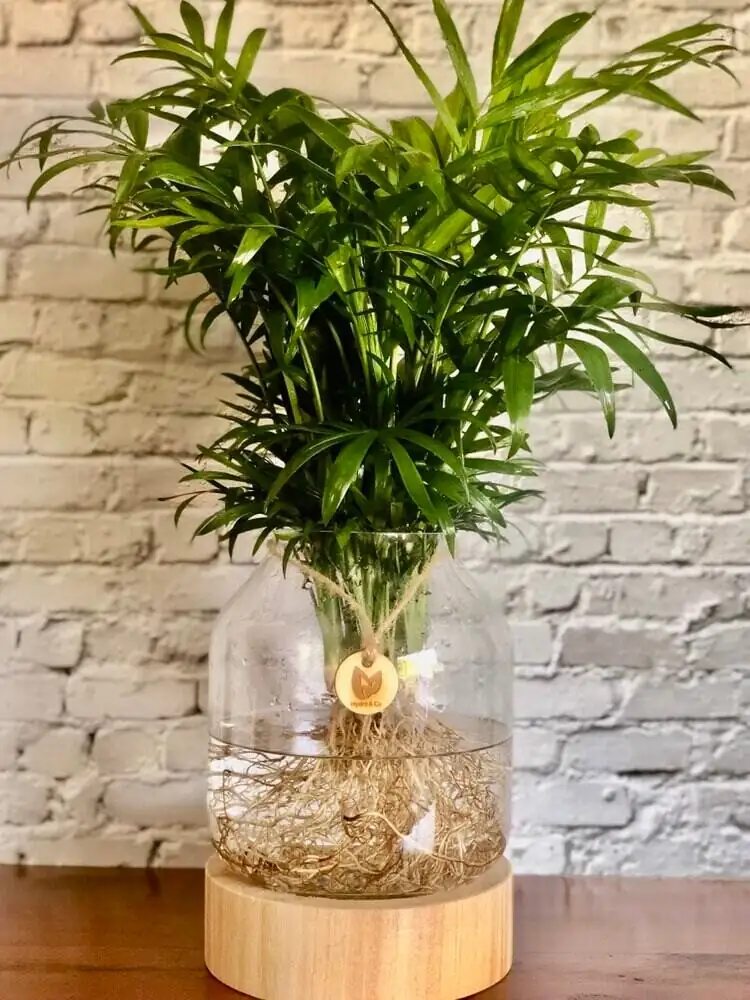
- Rinse soil from roots, trim any rot.
- Keep roots submerged but the stem base above the waterline.
- Refresh water frequently (about every 3–5 days in summer; every 10–15 days in cooler seasons).
- Once stable, add a tiny dose of hydroponic nutrient. Keep the vessel impeccably clean for clarity and plant health.
Placement cheat sheet for low-light corners
- Spot: 1–3 feet from an east or north window, or several feet back from a brighter window with a sheer curtain.
- Add a grow bulb if the corner is deeply shaded or windowless.
- Keep away from vents and drafty doors; ideal ambient range 18–24°C (64–75°F).
A parlor icon: the mood and meaning it brings
- History: This palm became a Victorian-era darling because it handled indoor life with grace when other palms failed.
- Symbolism: Often linked with welcome, everyday elegance, good luck, and lasting vitality—fitting for a plant that quietly thrives for years. Think of “flower language” here as cultural storytelling rather than botany: the message it sends is hospitality and ease, not floral literalism.
—
Design it like a tiny indoor understory: soft light, breathable textures, and a pot that lengthens the line of those feathery fronds. With the Parlor Palm, your low-light nook doesn’t just get greener—it gets a point of view.