


If you garden in USDA Zones 10–12 and dream of a velvety, living carpet under your trees, Begonia masoniana—Iron Cross begonia—delivers. Its quilted green leaves stamped with a dramatic dark cross knit together into lush groundcover in warm, sheltered shade. Here’s a landscape-focused guide to help you plant, protect, and maintain that under‑canopy wow.
Meet the plant: compact, bold, and shade‑loving

- Botanical name: Begonia masoniana (Iron Cross begonia), a rhizomatous begonia in the Begoniaceae family
- Origin: Southern China and northern Vietnam (commonly cited); now beloved worldwide as a houseplant and, in warm climates, a shade groundcover
- Habit and size: Low, clump‑forming spreader, typically 8–12 in tall and 12–18 in wide per plant
- Light: Bright, indirect light to partial shade; aim for roughly 50–70% shade (about 30–50% of full sun)
- Temperature: Best at 57–72°F (14–22°C); growth slows above ~90°F (32°C). Keep above 50°F (10°C)
- Humidity: Prefers 60–70%
- Outdoor hardiness: Frost‑tender; suited to year‑round outdoor planting only in Zones 10–12
- Why it shines in landscapes: In consistently warm, humid shade, it spreads gently to form a low, textural “carpet” beneath trees
Site selection under trees
Think like the forest floor: filtered light, light soil, even moisture, and protection from wind.
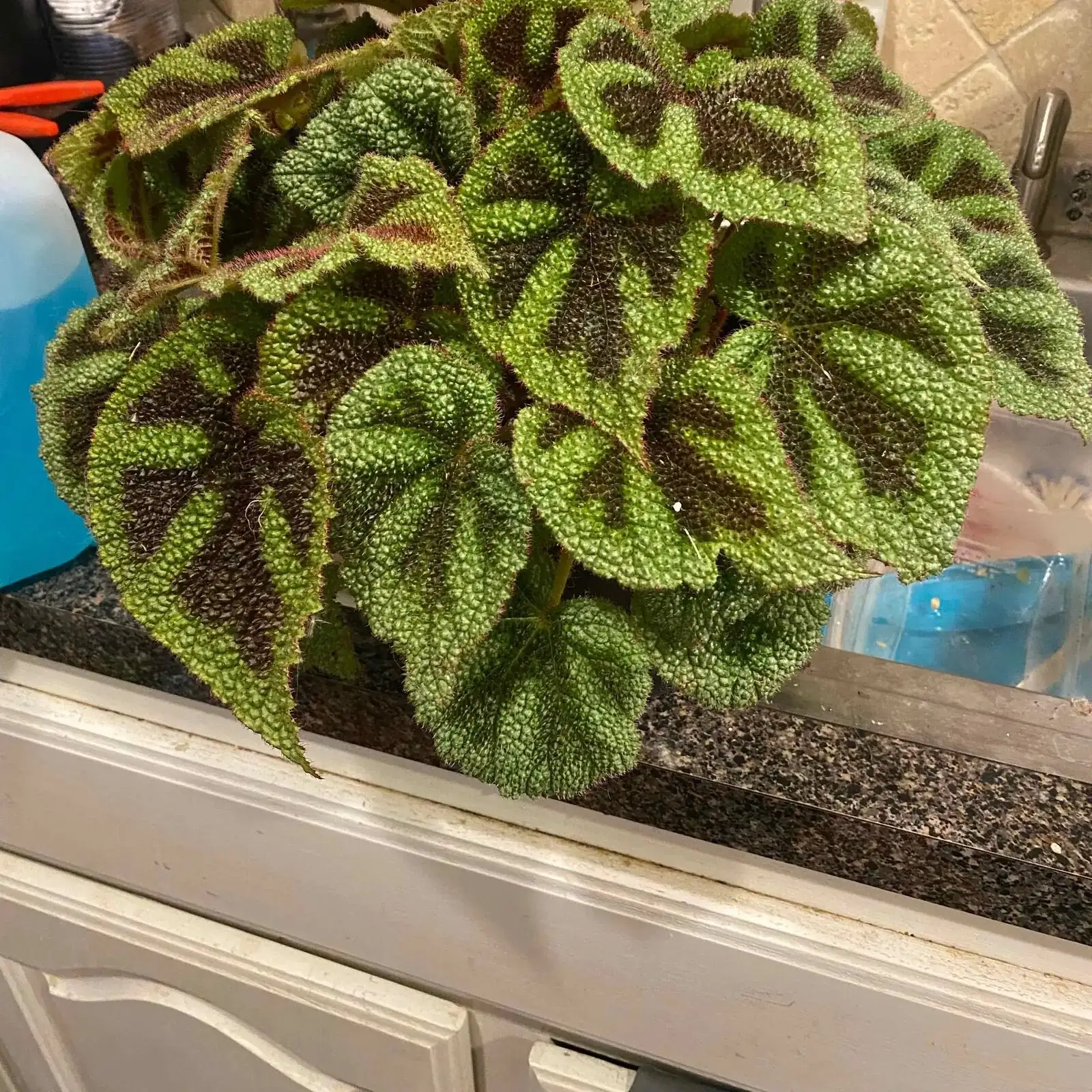
Light: read the canopy
- Choose dappled or high bright shade that provides 50–70% shade—beneath broad canopies of trees or on the shadier sides of structures.
- Avoid midday sun and reflective heat (white walls, paving). Harsh sun leads to yellowing and scorch on the soft leaves.
Soil: loose, airy, and fast‑draining
- Prep the top 4–6 in of soil only—be gentle around tree roots. Blend in compost plus coarse material (perlite or coarse sand) to create a springy, well‑aerated top layer.
- Drainage check: Water the area; it should drain within an hour. Persistently soggy spots risk rhizome rot.
- Mulch: After planting, add a 1–2 in layer of fine bark or leaf mold to steady moisture and cool roots. Keep mulch pulled back from the rhizomes and leaf bases.
Wind: a quiet understory, not a wind tunnel
- Leaves bruise and tear easily. Tuck plantings where tree trunks, hedges, or larger shrubs baffle prevailing winds.
- Avoid gaps between buildings or long pathways that funnel gusts.
Spacing for a lush “carpet”
Each plant typically spreads 12–18 in across; use this to dial in your fill speed.

- For a quick, plush look: 10–12 in on center (triangular grid)
- Standard fill in one season: 12–14 in on center
- Budget‑friendly, slower knit: 16–18 in on center
Pro tip: Planting small groups of 2–3 starts per station (like a mini‑clump) accelerates coverage without cramming the entire bed.
Planting day: set them up for success
- Acclimate: If plants came from very sheltered indoor light, harden them off in bright shade for 5–7 days.
- Plant height: Set at the same depth as in the pot—keep the rhizome at or just above soil level to discourage rot.
- Water in: Drench gently at the base to settle soil around roots; avoid splashing leaves.
- Mulch lightly: 1–2 in, not touching stems or rhizomes.
Watering in heat (Zones 10–12)
Iron Cross begonia likes evenly moist—not waterlogged—soil. Hot, dry air plus bright light can stress it, so water becomes your steadying hand.
- Establishment (first 4–6 weeks): Check moisture daily; water when the top 1 in is dry.
- Mature beds:
- In-ground: Typically 2–4 waterings per week in peak heat, adjusted for soil and shade. Irrigate early morning to a depth of 4–6 in.
- Containers: About every 3–4 days in summer, adjusting to pot size and drying speed.
- Delivery: Dripline or soaker hose is ideal; it keeps foliage dry and disease at bay.
- Heatwaves (>90°F/32°C): Growth may pause. Maintain even moisture, shade the canopy if needed, and hold off on extra fertilizer until temperatures ease.
Moisture cues
- Leaves drooping mid‑day but perky by evening often signal heat, not thirst; confirm by feeling the soil.
- Constantly wet soil or limp, mushy bases point to overwatering—lengthen intervals.
Feeding for foliage
- From April to August, feed every 2 weeks with a balanced fertilizer (e.g., 20‑20‑20) at label dilution.
- Skip or reduce feeding in cooler, low‑light months or during extreme heat when growth slows.
- If using drip irrigation, a periodic hand‑water helps wash nutrients through the root zone evenly.
Seasonal maintenance for Zones 10–12
- Spring
- Extend beds or refresh edges.
- Divide crowded clumps as needed (details below).
- Begin the 2‑week feeding rhythm; confirm shade coverage at 50–70%.
- Summer
- Keep soil lightly, consistently moist; in containers, expect watering about every 3–4 days.
- Thin a few older leaves at the base to improve airflow and encourage fresh flushes.
- Protect from hot, drying winds and midday sun.
- Autumn
- As light softens, slightly reduce watering but keep humidity in mind; 60–70% supports new leaves.
- Continue gentle grooming; remove tired foliage.
- Winter
- Semi‑dormant pace: water very sparingly—just enough to prevent total dry‑out.
- Keep above 50°F (10°C). If a rare cold snap threatens, cover with frost cloth or move containers to shelter.
Wind and sun protection strategies
- Layer the understory: Place begonias just inside the dripline where canopy shade and trunk mass reduce wind.
- Add living windbreaks: Low hedges or boulders can redirect gusts without casting harsh reflective light.
- Temporary shade cloth: If a canopy is thin or pruned high, rig 50–70% shade cloth during the hottest weeks.
Common problems and easy fixes
- Sudden yellowing or scorched patches
- Usual causes: too much sun, cold dips near or below 50°F, or hot/dry air.
- Fix: Increase shade to 50–70%, keep above 50°F, and raise local humidity while keeping soil evenly moist.
- Fungal diseases (gray mold/Botrytis, powdery mildew, leaf spot)
- Prevention: Water at soil level, increase airflow by thinning old leaves, promptly remove affected tissue.
- Support: Copper‑based products are sometimes used preventively; if disease appears, treat with an appropriate fungicide per label.
- Pests (scale insects)
- Action: Treat with horticultural oil or insecticidal soap; repeat as needed and monitor new growth.
Propagate to expand your carpet
Rhizomatous begonias are famously shareable—perfect for filling gaps or spreading the look under adjacent trees.
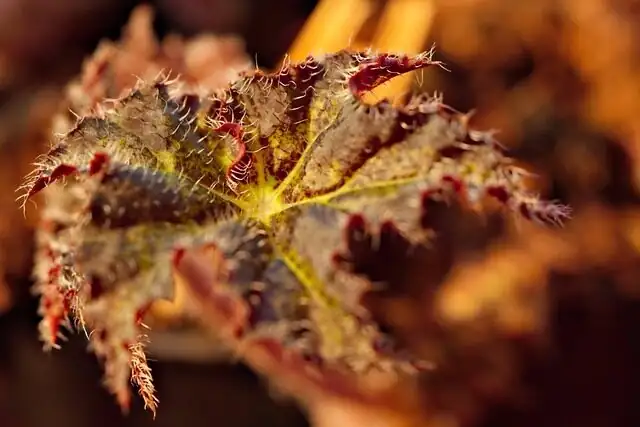
- Division (spring, often during refresh work)
- Lift or gently uncover the rhizome and cut into ~4 in (10 cm) sections, each with a growing tip.
- Let cuts dry briefly, then pot or replant; 2–3 pieces per new clump works well, each with 4–5 leaves if possible.
- Water lightly and keep in partial shade until established.
- Leaf cuttings (early summer)
- Take a mature, healthy leaf and cut it about 0.4 in (1 cm) from the petiole.
- Insert 2.5–2.8 in (6–7 cm) sections into moist, sterile propagation mix, keeping part of the leaf above the surface.
- Roots often form in 3–4 weeks; transplant after about 2 months, when each plantlet has a couple of new leaves.
Design notes under trees
- Texture play: The quilted, cross‑marked leaves pair beautifully with fine fronds and broader matte foliage in shaded beds.
- Pathway edges: Keep plantings a few inches off stepping stones—leaves bruise easily if brushed by feet or tools.
- Rhythm in mass: Stagger clumps on a triangular grid to avoid “checkers” and achieve a seamless, mossy flow.
Safety note
Iron Cross begonia is considered toxic if eaten (especially rhizomes/underground parts) and may irritate skin in sensitive people. Keep away from pets and small children; wash hands after handling if you’re prone to irritation.
Symbolism and story
There isn’t a standardized flower‑language tradition for this plant, but many gardeners link Iron Cross begonia with bold beauty and quiet resilience—the dark cross reads like a seal or insignia on each leaf. Its easy‑to‑share rhizomes and leaf cuttings have also made it a “friendmaker” in shade gardens: one leaf today becomes a tray of gifts tomorrow.
With the right shade, shelter, and steady moisture, Begonia masoniana becomes more than a houseplant curiosity—it’s a durable understory tapestry for warm, humid gardens. Plant thoughtfully, water wisely, and enjoy the slow, satisfying stitch as it knits into green velvet under your trees.