

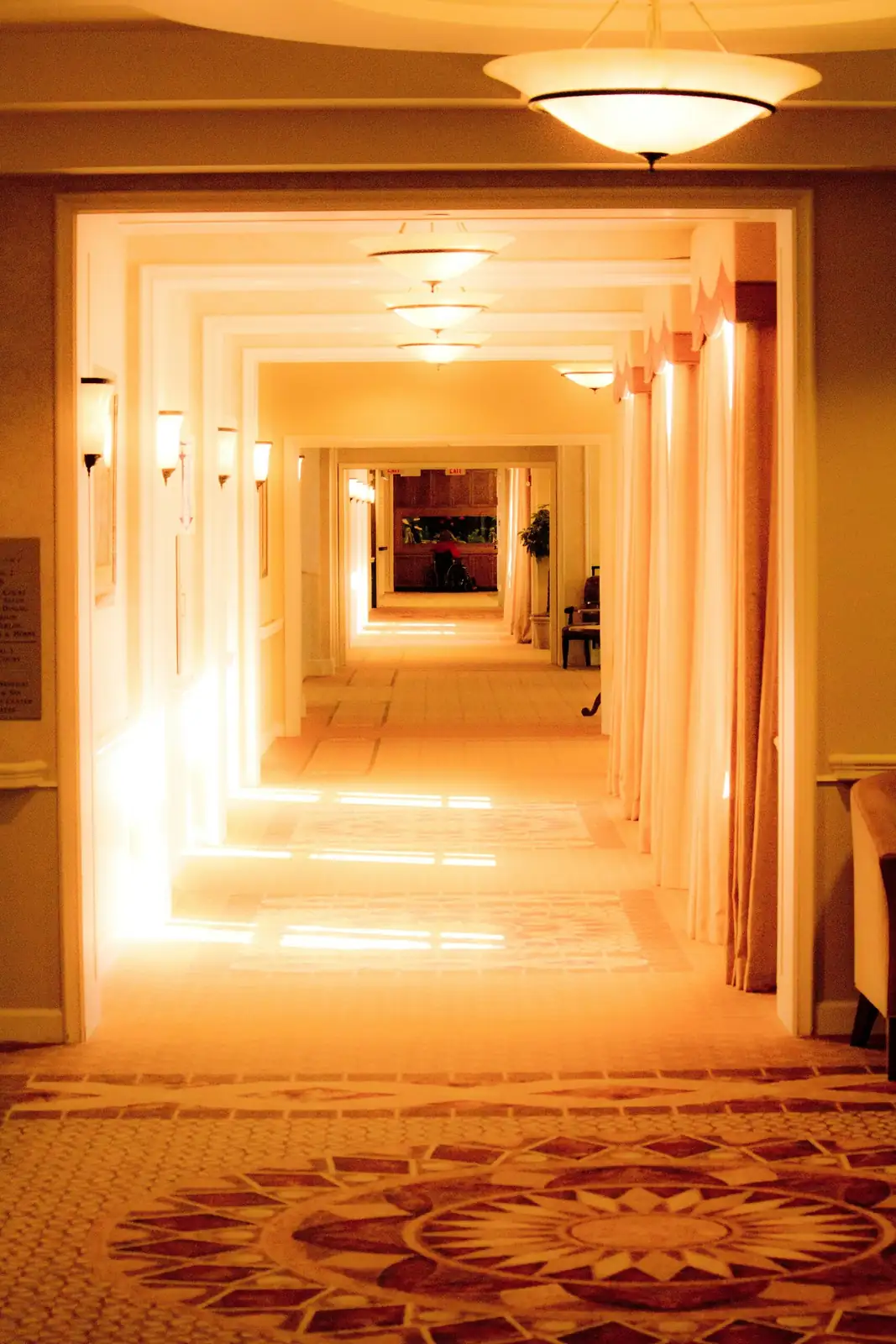
Picture a dim hallway that deserves a touch of quiet luxury. Now set down a sleek pot, and let a fan of glossy, deep-green leaves rise like a tailored overcoat. That’s Aspidistra elatior—the cast-iron plant—turning low-light nooks into composed, design-forward moments with almost no fuss.
Below, smart styling strategies for hallways and shadowy corners, from pot shapes and textures to when to choose variegated cultivars for a subtle spotlight.
Why this plant earns prime hallway real estate
- Unfazed by low light: Thrives in partial to full shade where most houseplants sulk. Bright, indirect light is fine; skip harsh direct sun.
- Calm, architectural foliage: Long, leathery leaves arch neatly from the base, forming a tidy clump about 60 × 60 cm (24 × 24 in) indoors.
- Slow, steady growth: Holds its shape for years—perfect for spaces you don’t rework weekly.
- Low-maintenance and forgiving: Tolerates average indoor humidity and prefers you not to fuss.
- Pet-friendly profile: Commonly regarded as non-toxic to cats, dogs, and people.
Pot choices that make a hallway sing
Think of the pot as your plant’s outfit. In low light, finishes and proportions matter more than color alone.
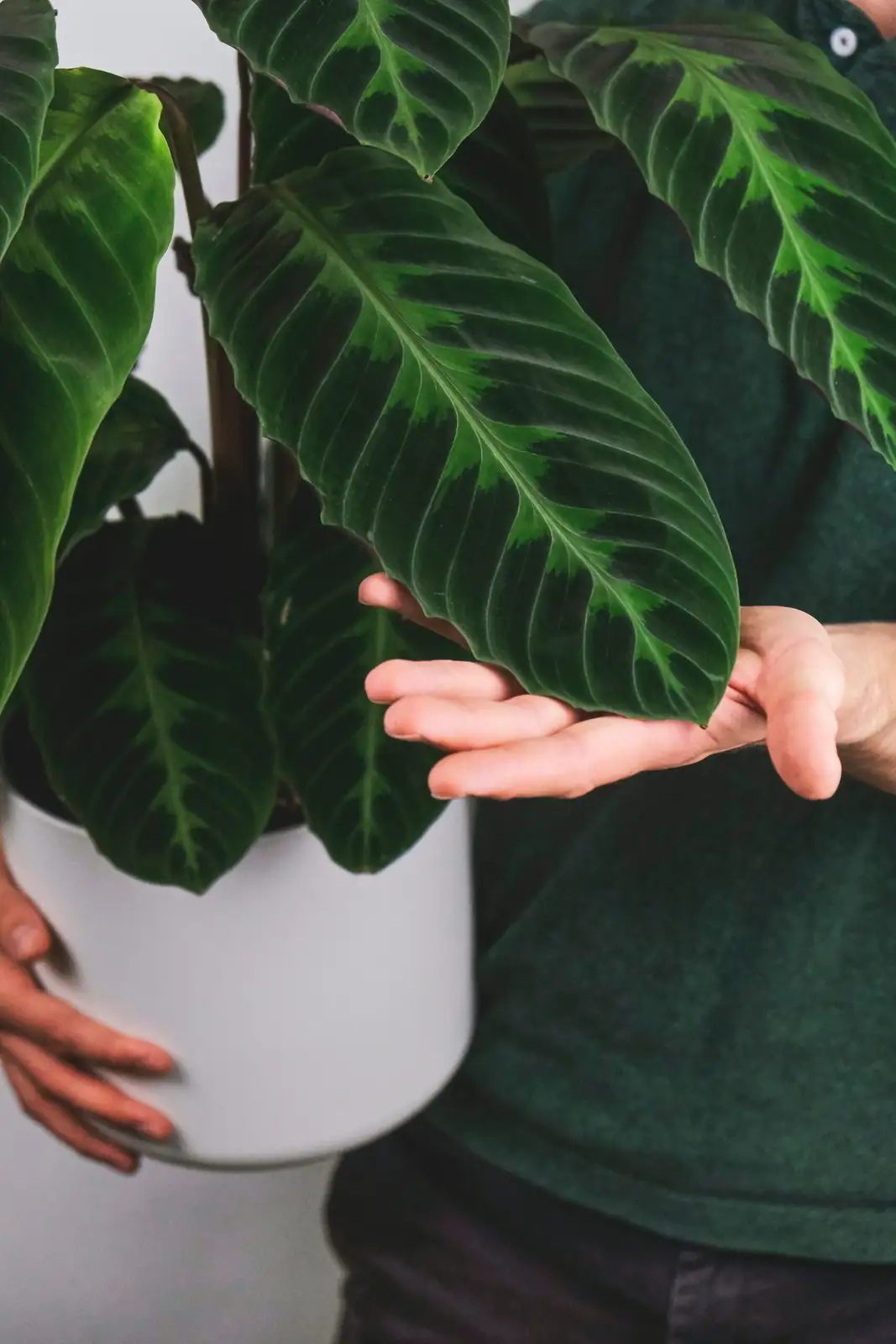
Size and proportion
- Go snug, not cavernous: A 12.5–20 cm (5–8 in) pot is typically sufficient. Overpotting invites soggy soil and root issues.
- Tall cylinders for narrow foyers: A slim, weighted cylinder keeps a minimal footprint and reads elegantly in profile.
- Low, wide vessels for under-stair nooks: A shallow bowl or squat cylinder lets the foliage fan outward without jutting into traffic.
Materials and finishes
- Satin or matte ceramic: Softly reflects ambient light, giving the leaves a gentle glow.
- Finely textured stoneware: Adds tactile interest that complements the plant’s leathery leaves.
- Aged terracotta with restraint: Beautiful, but more porous. If you choose it, monitor moisture so the mix doesn’t swing from wet to bone-dry.
- Basket as a cover pot: Use a nursery pot inside and a waterproof liner. Never water directly into the basket.
Function-first details
- Always include drainage: No exceptions. Let water run through freely and empty the saucer—this plant dislikes waterlogged soil.
- The slip-pot trick: Keep Aspidistra in a nursery pot, set inside your decorative cachepot. It’s easier to lift out for watering and ensures proper drainage.
Texture pairings: elevate the quiet green
Aspidistra’s leaves are smooth and substantial, which pairs beautifully with layered, tactile surfaces.
- Against pale woods (oak, ash) and limewashed walls: The deep green reads almost sculptural.
- With stone and metal: Try travertine console + bronzed mirror; the plant softens the hard edges.
- Ground it with textiles: A wool or jute runner echoes the plant’s natural vibe and absorbs hallway echoes.
- Mixed planters for depth: Partner with other shade-tolerant, clean-lined plants—such as Zamioculcas or Sansevieria—in contrasting pot textures for a refined vignette.
When to pick variegated cultivars for a subtle spotlight
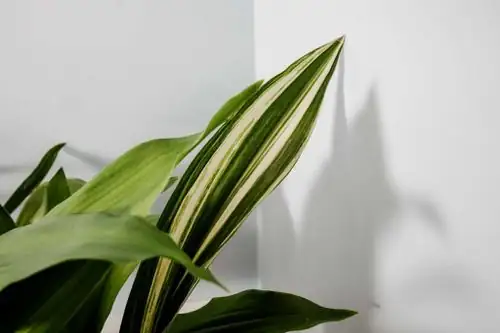
Variegation acts like built-in accent lighting. Choose these when your space has a soft wash of indirect light and you want the plant to catch the eye without shouting.
- Choose variegated forms where light gently bounces:
- Opposite a north or east window
- Beside a wall sconce or under a skylight spill
- Near a mirror that reflects ambient light
- Excellent choices:
- ‘Variegata’ and ‘Okame’: Vertical cream striping for a tailored, pinstripe look.
- ‘Milky Way’: Fine speckling that reads like stardust—great for moody, dim corridors.
- ‘Asahi’ or ‘Stars and Stripes’: Bolder patterning for a single, quiet showpiece.
- Light note: Variegated leaves often look best with bright, indirect light. Keep them out of harsh sun to avoid scorch; in deeper shade, choose classic deep-green forms for effortless polish.
Three hallway styling recipes
1) Narrow city corridor
- Vessel: Weighted, tall matte cylinder (5–7 in diameter).
- Placement: Tuck at the end of the sightline to draw you forward.
- Finish mix: Pale oak shoe cabinet, ribbed ceramic lamp, textured runner.
- Plant pick: Solid green Aspidistra for strong silhouette and low fuss.
2) Console + mirror moment
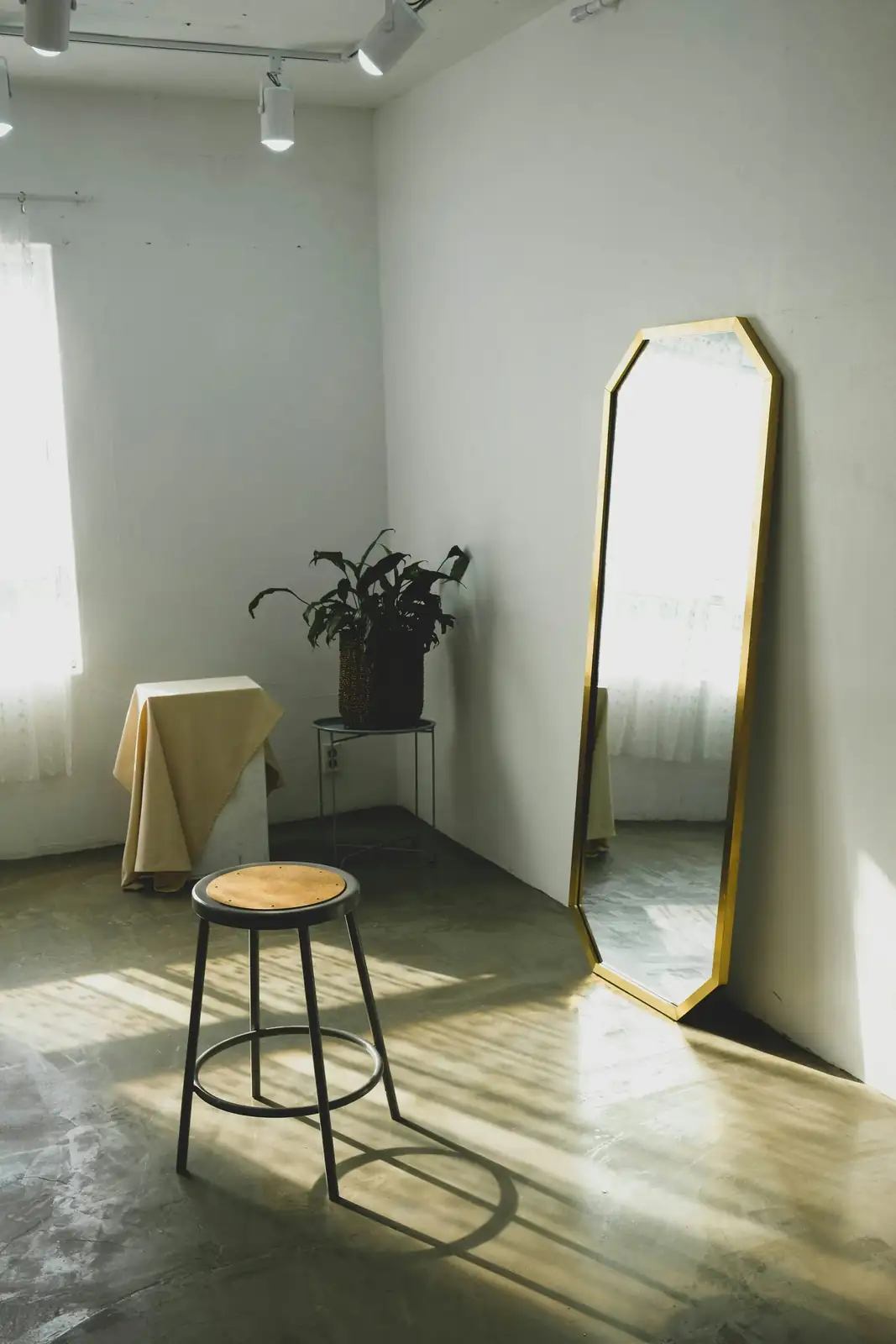
- Vessel: Low, wide ceramic bowl centered under the mirror.
- Flank with: A small sculpture and a tray for keys in brushed metal.
- Lighting: One diffused sconce to graze the leaves.
- Plant pick: ‘Variegata’ or ‘Milky Way’ to add a subtle, luminous highlight under ambient light.
3) Under-stair reading nook
- Vessel: Soft, stoneware cylinder on a minimal stand to lift foliage above baseboards.
- Textures: Nubby throw, boucle chair, linen shade floor lamp.
- Plant pick: Solid green for depth; add a compact variegated cultivar on a side table to echo the larger form.
Care that keeps the leaves gallery-ready
Hallways are high-traffic; the plant should stay pristine with minimal effort.
- Light: Partial to full shade is ideal indoors. Bright, indirect light is welcome; avoid strong direct sun.
- Water: Water when the surface of the mix has dried; reduce in winter. Never let the pot sit in water.
- Soil: Use a loose, well-draining mix—try a 1:1 blend of standard potting soil and multi‑purpose mix. Add perlite if needed to keep it airy.
- Feeding: From spring through late summer, feed monthly at half‑strength with a balanced liquid fertilizer.
- Pruning: Snip yellowing or damaged leaves cleanly at the base.
- Repotting: Every 2–3 years, step up just one pot size; a 12.5–20 cm (5–8 in) container suits most plants.
- Temperature & humidity: Comfortable in typical homes; prefers 5–20°C (41–68°F). Protect from frosty drafts at exterior doors and from hot air vents.
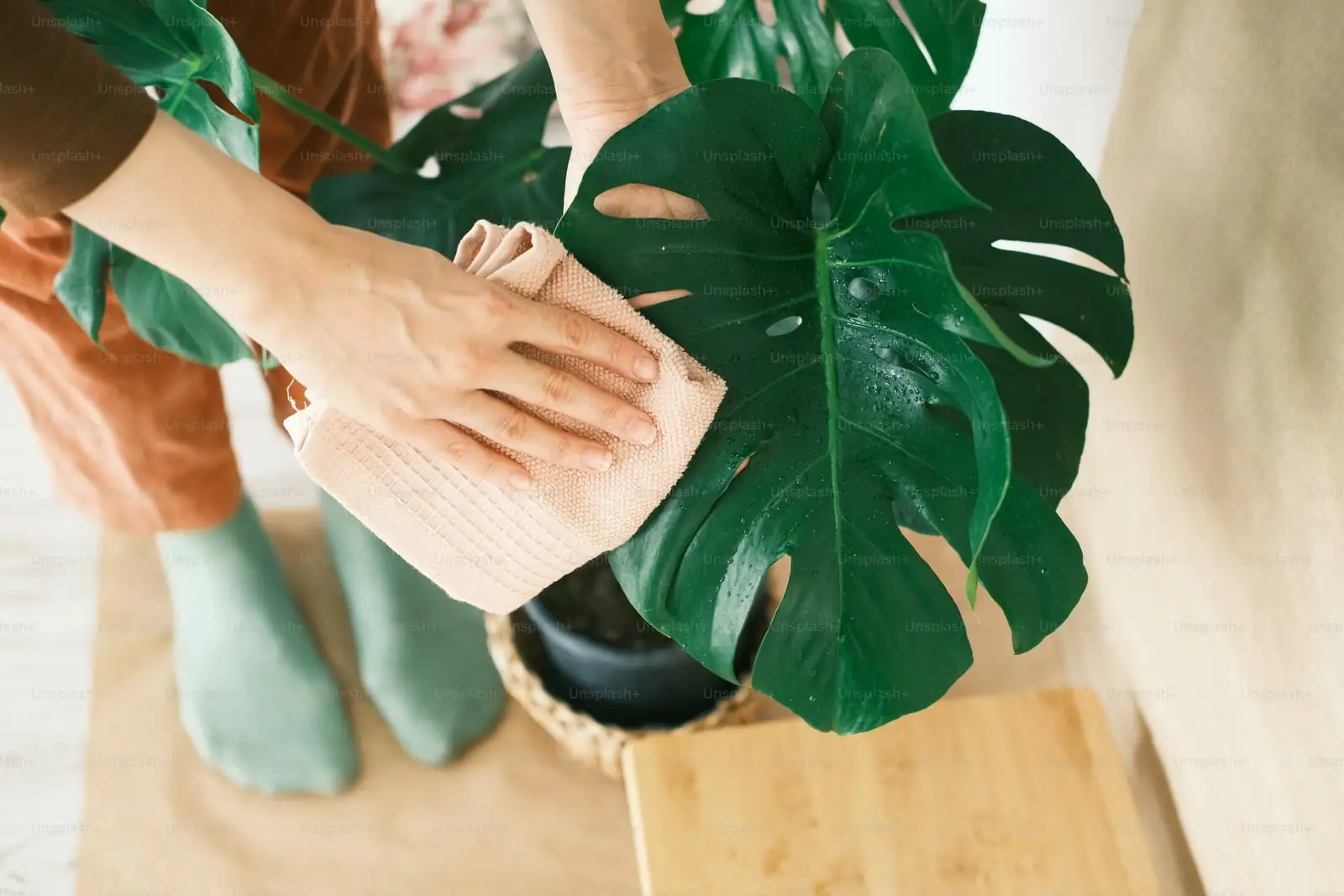
- Tidiness: Wipe leaves with a damp cloth to remove dust; the sheen is part of the look.
- Pests: Generally trouble-free. In dry indoor conditions, watch for scale, mealybugs, or spider mites and treat early.
Design mistakes to skip
- Overpotting “for growth”: Leads to soggy mix and root rot. Keep it contained and elegant.
- No drainage: A fast track to misery—always insist on a drain hole and empty the saucer.
- Harsh sun by a glass door: Leaves can scorch; pull back from direct rays.
- Wobbly stands in tight corridors: Choose weighted bases that won’t topple when brushed.
A quiet icon with a story
Once beloved in smoky Victorian interiors—earning the nickname “bar-room plant”—Aspidistra elatior became shorthand for resilience and endurance. Its flowers are tiny, bell-shaped, and appear right at soil level in brownish-purple tones, so discreet you might never notice them indoors. The real show is its evergreen poise, season after season.
Bring one home, dress it well, and let it turn your hallway into a composed, low-light gallery. Whether you choose the classic deep green or a softly variegated pinstripe, the cast-iron plant proves that subtle can be spectacular.