

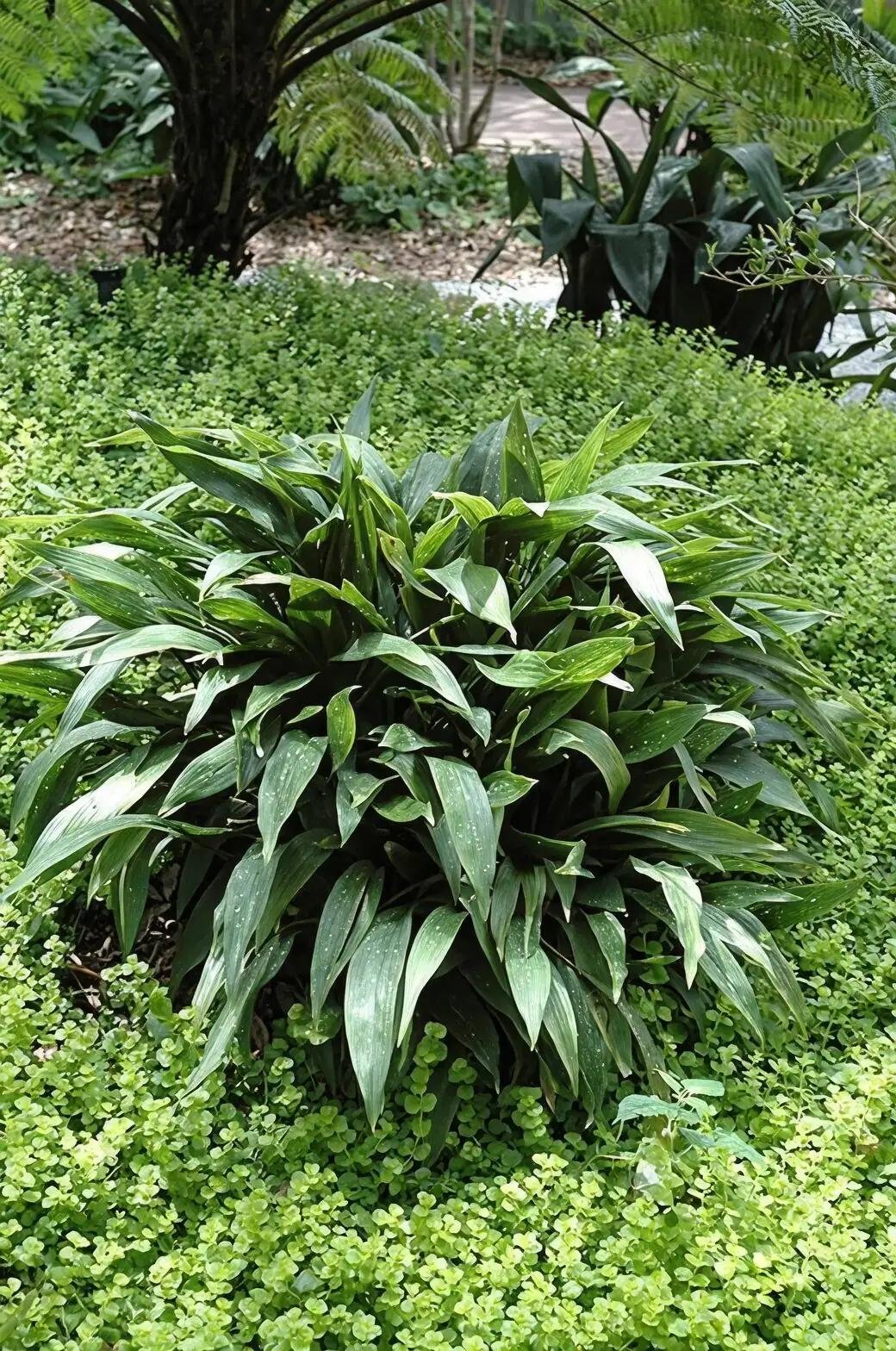
Quiet, cool, and green: that’s the promise Aspidistra elatior keeps in courtyards and deep-shade beds. When other plants sulk in low light, the cast-iron plant stands tall—sleek leaves arching like satin ribbons, calmly anchoring spaces that get little sun and plenty of foot traffic. If your patio, side return, or under-tree border needs a backbone plant that looks elegant with minimal fuss, this is the one.
Meet the cast-iron plant (Aspidistra elatior)
- Family and origin: Asparagaceae; native to Japan (especially the Ryukyu Islands) and Taiwan.
- Habit: Clump-forming, evergreen perennial that spreads slowly by rhizomes.
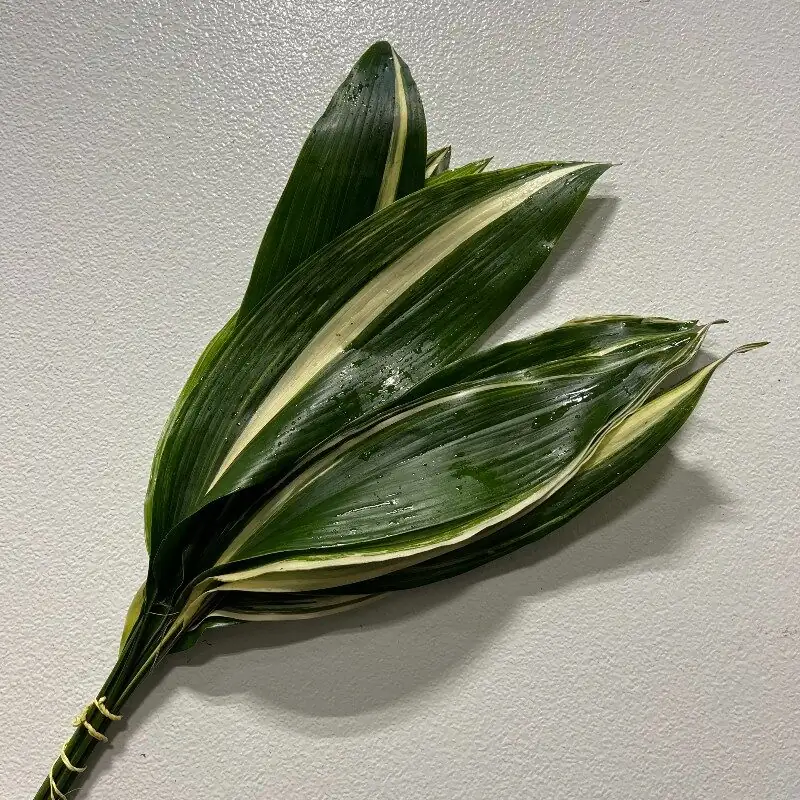
- Foliage: Long, leathery, deep-green leaves; some cultivars show creamy stripes or speckles that light up shade.
- Flowers: Small, bell-like, brownish‑purple blooms at soil level, most often in late winter to spring—easy to miss, but charming to find.
- Size: Typically around 60 × 60 cm (24 × 24 in) in garden containers and sheltered beds.
- Light and hardiness: Partial to full shade; hardy outdoors in USDA Zones 8–11 with protection from severe freezes.
Why it shines in sheltered courtyards and deep shade
- Tolerant of low light and low humidity—perfect for walls, eaves, and tree canopies that block sun.
- Evergreen structure: a steady, glossy green that tidies the scene year-round.
- Slow, mannerly spread from rhizomes means it fills gaps without becoming a bully.
- Equally at home in the ground or in containers—moveable accents for patios and porches.
Design ideas to copy now
The courtyard “green ribbon”
- Edge a narrow path with a repeating line of cast-iron plants for a clean, hotel‑lobby look.
- Tuck in variegated forms every 3–4 plants to create a subtle lantern‑glow effect along the walkway.
- Underplant with a thin carpet of low Carex for soft contrast.
Deep-shade woodland nook
- Mass Aspidistra as the evergreen base layer.
- Add fern clumps for texture (see pairings below), then pop in a few winter‑blooming hellebores to carry the mood through the cold months.
- Finish with a gentle mulch and a stone bowl to reflect light and provide a focal point.
Side return rescue
- Where light is bounced mostly off fences or walls, use tall, glossy Aspidistra to “declutter” visually.
- Interleave three-leaf “puddles” of hostas at intervals; the alternating textures make the narrow space feel intentional, not leftover.
Shade containers for porches and alcoves
- Recipe: 1–3 Aspidistra as the architectural anchor + a frilly fern as the softener + a trailing evergreen (e.g., small ivy) to spill. Keep the palette to greens and silvers for a serene, modern look.
Companion planting that always works
Lean into texture and tone-on-tone greens; the magic is in contrast.
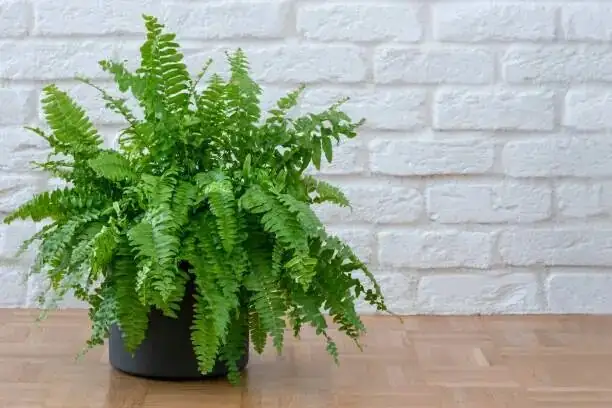
- Ferns (texture dial-up)
- Dryopteris (wood ferns) for structured, leathery fronds
- Polystichum munitum (sword fern) for bold, upright lines
- Asplenium scolopendrium (hart’s-tongue) for glossy, strap-like fronds that echo Aspidistra’s leaf shape
- Hostas (broadleaf harmonizers)
- Choose blue‑green or chartreuse types to brighten dim spots.
- Use medium varieties so they don’t swamp the slower Aspidistra clumps.
- Hellebores (winter performance)
- Flower through late winter to early spring right when Aspidistra’s soil‑level blooms hide; together they keep interest high.
- Fine-textured foils
- Carex and Luzula for soft movement
- Ophiopogon (mondo grass) for neat, low edging
- Brunnera and Pulmonaria for spring sparkle in part‑ to full shade
- Epimedium for delicate spring flowers and heart‑shaped leaves
Tip: Variegated Aspidistra pairs best with solid-green companions, while deep-green Aspidistra loves a touch of silver or chartreuse nearby.
Planting and spacing (beds and containers)
In the ground
- Site: Partial to full shade; shelter from harsh, drying winds.
- Soil: Free-draining, humus‑rich soil is ideal; the non‑negotiable is drainage—avoid waterlogging.
- Spacing: 30–45 cm (12–18 in) between divisions for a cohesive carpet over time.
- Planting depth: Set rhizomes so the leaf bases sit right at soil level—don’t bury the crown.
- Mulch: 3–5 cm (1–2 in) of leaf mold or fine bark, pulled back from crowns to prevent rot.
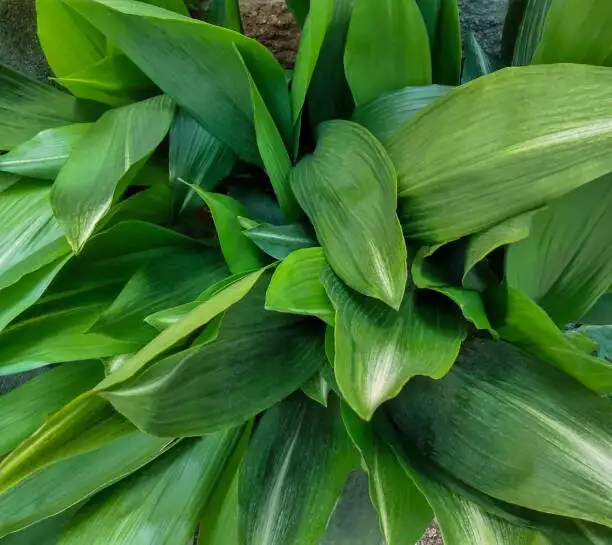
In containers
- Mix: A loose, well‑draining blend—1:1 standard potting soil and a multi‑purpose mix; add perlite if needed to keep it airy.
- Pot size: 12.5–20 cm (5–8 in) is typically sufficient; size up only one step at repotting.
- Placement: Bright shade to deep shade outdoors; avoid strong, direct sun.
Care calendar (outdoor focus)
- Watering: Water when the surface of the mix or soil has dried; reduce in winter. Never let pots sit in saucers of water or beds become waterlogged.
- Feeding: From spring through late summer, feed monthly with a balanced liquid fertilizer at half strength.
- Grooming: Snip yellowing or damaged leaves cleanly at the base. Otherwise, minimal pruning.
- Division/repotting: Every 2–3 years. Divide rhizomes with roots attached and replant; size containers up one notch only.
Frost‑protection basics
Aspidistra tolerates cool spells but needs protection from hard frost.
- Choose the right microclimate: Plant near walls, fences, or under evergreen canopies that trap warmth.
- Mulch smartly: Before a cold snap, add a 5–8 cm (2–3 in) insulating mulch over the root zone (not over the crown).
- Cover on freeze nights: Drape a breathable frost cloth or old sheet in the evening; remove by midday.
- Container strategy: In USDA Zones 8–11, move pots against a house wall under eaves during freezes. In colder regions, overwinter indoors in bright shade at 5–20°C (41–68°F); water sparingly and do not fertilize.
- Post‑frost care: If leaves scorch, wait until new growth begins, then remove damaged foliage at the base.
Troubleshooting
- Soggy soil = root rot risk. Keep drainage uncompromised and allow the surface to dry between waterings.
- Pests (generally rare): Watch for scale, mealybugs, and spider mites—especially in dry, sheltered, or indoor‑overwintering conditions. Treat early and gently.
- Slow growth? Normal. This is a measured plant—steady rather than speedy.
Safe and family‑friendly
Commonly regarded as non‑toxic to cats, dogs, and people—an easy choice for courtyards where pets lounge and kids wander.
Variegated sparkle: cultivars to try
Looking to brighten the gloomiest corners? Variegation bounces light beautifully in shade.
- ‘Milky Way’ and ‘Hoshi‑zora’: fine speckling like starlight
- ‘Ginga Giant’ and ‘China Star’: bolder spotting on broad leaves
- ‘Okame’ (‘Variegata’), ‘Goldspike’, ‘Goldfeather’, ‘Lennon’s Song’: striped leaves that glow in low light
- ‘Asahi’ and ‘Sekko‑kan’: white-frosted or white‑tipped effects for a cool, high‑contrast look
Note: Variegated forms can be a bit slower; give them the gentlest, brightest shade (no harsh sun) for crisp color.
A note on flowers and “flower language”
Aspidistra’s shy, brownish‑purple flowers open at soil level in late winter to spring—so subtle you might never notice them. The plant’s cultural aura comes not from flashy blooms but from history: it thrived in the dim, smoky interiors of the Victorian era—earning nicknames like “bar‑room plant.” That hard-won reputation feeds its modern symbolism:
- Endurance and resilience: It stays glossy and composed where other plants falter.
- Quiet dignity: Understated leaves, steady presence.
- Hospitality: Its common use in public interiors and entrance courts hints at a welcoming, lived‑in elegance.
Quick answers for shade gardeners
- How much light does it want outdoors? Partial to full shade; bright, indirect light is fine, but avoid strong, direct sun.
- How often should I water? When the top of the soil has dried; less in winter. Never allow waterlogging.
- Can I grow it under trees? Yes—so long as the soil drains well. It coexists neatly with tree roots.
- Will frost kill it? It’s generally hardy in USDA Zone 8–11, but protect from severe freezes. In colder zones, grow in containers and overwinter indoors.
Cast‑iron plants bring calm order to shadowy places. Pair them with ferns and hostas, give them drainage and a bit of shelter, and they’ll reward you with year‑round poise—the green heartbeat of every shaded courtyard.