

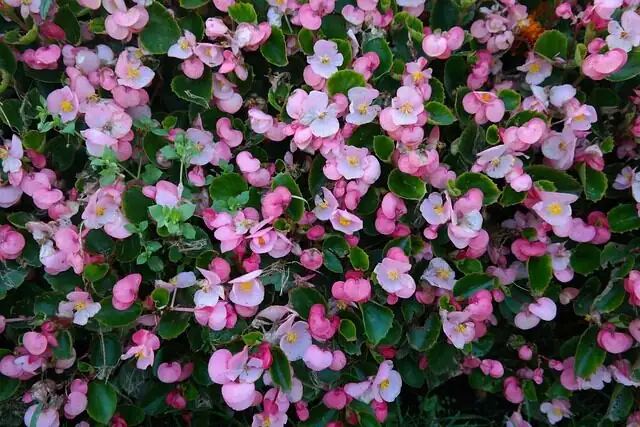
Double, frilled, and often edged like a couture gown, tuberous begonias (Begonia × tuberhybrida) are the showpieces bright shade has been waiting for. These camellia-like blooms adore gentle light, not harsh sun, and they thrive in stylish containers where you can stage them like stars. Below, find design-forward container recipes focused on double and bicolor cultivars, along with pro tips on pot size, color pairing, the “soft morning sun” sweet spot, airflow layouts that deter mildew, and how to keep petals pristine when summer showers roll through.
Why tuberous begonias make bright shade thrilling
- Drama without glare: Big, double flowers (often bicolored or picotee-edged) read beautifully in low contrast light.
- Peak season: Spring into summer, with lush foliage and a generous bloom show.
- Container naturals: They shine in 20–25 cm (8–10 in) pots with a rich, free-draining mix.
- Secret to success: Even moisture (never soggy), bright indirect light to partial shade, and fresh air—stagnant, damp conditions invite trouble.
The perfect pot and mix (the chic foundation)
- Pot size: For a blooming plant, choose a 20–25 cm (8–10 in) diameter pot. One tuber per pot keeps airflow generous and the look intentional.
- Pot style: Glazed ceramic or high-quality resin with a large drainage hole. Add pot feet to improve drainage and airflow under the base.
- Soil: A rich yet free-draining blend—think a peat- or leaf-mold-based mix with fertile loam plus coarse sand/perlite. Avoid heavy, waterlogged soils.
- Planting note: Set the tuber or plant so the crown isn’t buried; keep the upper growth zone just at or slightly above the final soil level.
Light and placement: the “soft morning sun” formula
- Indoors: Place near a bright window out of harsh direct sun—east-facing is perfect. Gentle morning rays are fine; avoid strong midday and afternoon sun.
- Outdoors: Choose bright shade with dappled light—porches, covered patios, and balconies that catch early light, then shade, are ideal.
- Temperature: Best bloom and leaf quality arrive at 16–21°C (61–70°F). Long stretches above ~32°C (90°F) can cause wilting, bud drop, or collapse; move to the coolest bright shade you have if heat spikes.
- Humidity and air: Moderate to high humidity is welcome, but keep the air moving. Stagnant, damp air is the fast lane to mildew and rot.
Design-forward container recipes for doubles and bicolors
Each recipe uses a 20–25 cm pot and prioritizes air around the begonia so blooms stay clean and vigorous. Think of the begonia as the lead singer; companions are backup vocals—supportive, never smothering.
Recipe 1: White Picotee on Lime
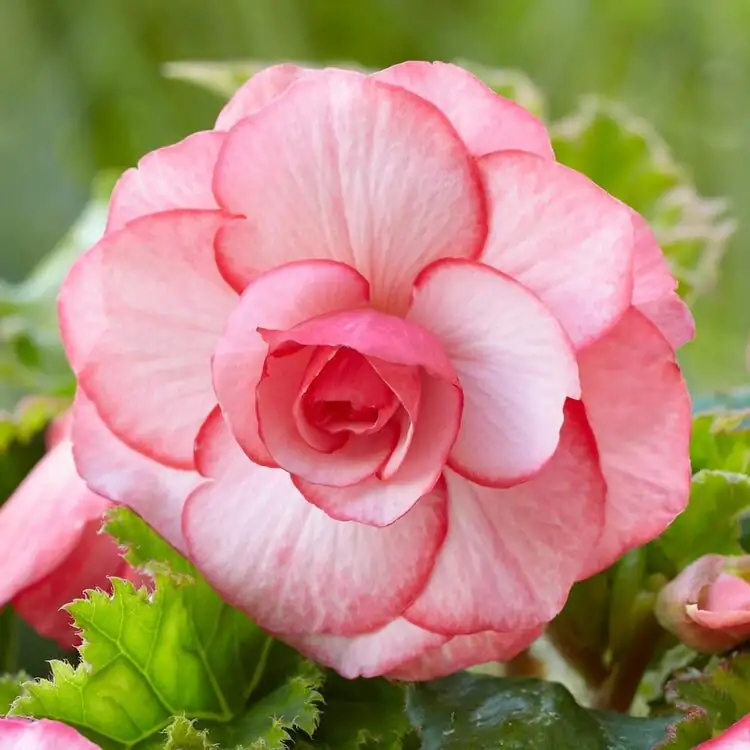
- Star: A bicolor double begonia with creamy petals and a fine pink or red picotee edge.
- Companions (light, airy touch):
- Golden creeping Jenny (Lysimachia nummularia ‘Aurea’), used sparingly to drape.
- Silver variegated Pilea or a single sprig of silvery Helichrysum petiolare for contrast.
- Pot: 22–25 cm matte white or soft stone gray to echo the bloom’s coolness.
- Why it works: Lime and silver amplify the picotee edge while the neutral pot keeps the look gallery-clean.
Recipe 2: Double Mango Sorbet
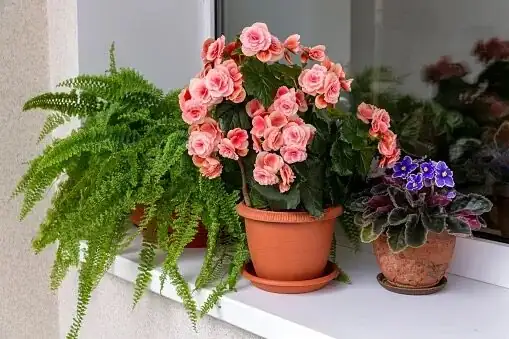
- Star: A full double in warm apricot or mango.
- Companions:
- A small, dark-leaved Heuchera (compact type) tucked at the back.
- A whisper of feathery, shade-tolerant fern fronds near one rim (not crowding).
- Pot: 20–23 cm sand or terracotta tone for warmth.
- Why it works: Deep foliage intensifies tropical tones; feathery textures soften the big petals without competing.
Recipe 3: Lemon Crème and Charcoal
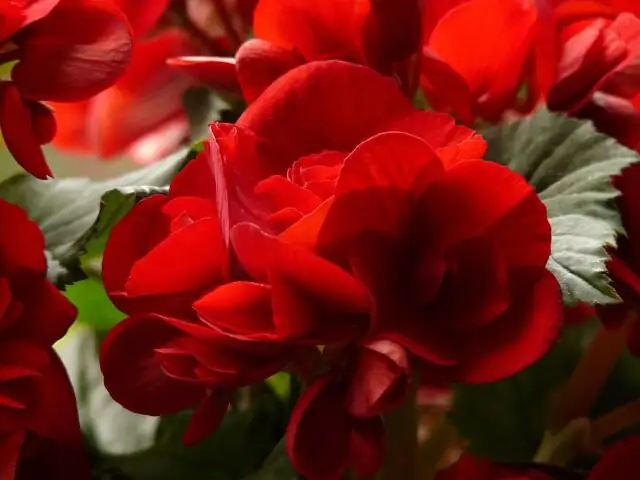
- Star: Double yellow begonia for a citrus pop.
- Companions:
- Oxalis triangularis (used minimally) for a geometric, deep-plum accent.
- A tuft of fine Carex (shade-tolerant variety) as a vertical counterpoint.
- Pot: Charcoal or black to frame the yellow like a picture.
- Why it works: High contrast makes the yellow glow in shade and feels modern.
Recipe 4: Camellia Rose with Frosted Edge
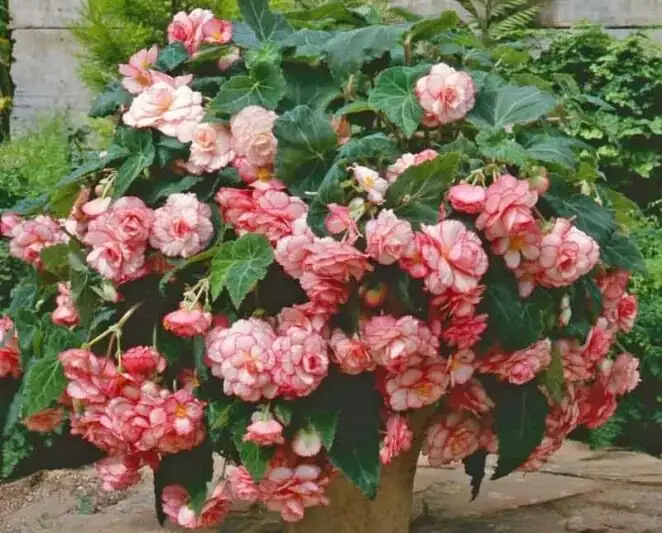
- Star: Rose-pink double with a pale or white picotee.
- Companions:
- A silver polka dot plant (Hypoestes) pruned lightly to stay low.
- Single strand of variegated ivy allowed to trail (don’t loop it around the begonia).
- Pot: Blush or soft concrete for a curated, boutique finish.
- Why it works: Silver flecks echo the picotee while the trailing line elongates the composition.
Design notes for all recipes:
- Less is more with companions—use 1 begonia + 1–2 airy companions max to keep airflow up.
- Avoid dense mounding plants that hug the begonia’s stems; leave a “breathing ring” of 3–5 cm of visible soil around the crown.
Airflow layout to deter mildew (your patio floor plan)
- Spacing: Keep at least a hand’s width between pots; more if your space allows. Avoid pressing containers flush against walls or corners where air goes still.
- Height tiers: Elevate the begonia slightly on pot feet or a low stand so air can move under and around it; place shorter companions in adjacent pots, not crammed at the begonia’s base.
- Cross-breeze lanes: Stagger containers so there’s a clear diagonal path for air. On still, humid days, an oscillating fan on low under a covered porch works wonders.
- Water discipline: Water the soil, not the foliage. Morning is best so stray splashes dry quickly.
Watering, feeding, and the summer-shower playbook
- Watering:
- Aim for evenly moist, never soggy. A typical baseline is about once a week, adjusting to heat, airflow, and pot size.
- Never let the pot sit in water; empty saucers after runoff.
- Feeding:
- During active growth, feed roughly every 10 days to 2 weeks with a balanced-to-bloom formula (for example, a diluted organic liquid feed or a bloom fertilizer such as 15-15-30 per label).
- Ease up as blooming winds down and the plant prepares to rest.
- Petals versus rain—how to keep them pristine:
- Placement: Under eaves, balcony covers, a pergola canopy, or a deep porch—anything that breaks the force of rain is your best friend.
- Move-before-storm routine: If heavy rain is forecast, slide the pot to shelter. Use a lightweight plant caddy for easy relocation.
- Splash control: Top-dress with a thin ring of fine bark or coir to prevent soil splash onto petals. Keep the crown clear.
- After a shower: Gently shake off excess water from blooms. Remove waterlogged or bruised petals promptly to deter botrytis.
- Don’t overhead water. Always water at the base and in the morning so incidental moisture dries fast.
Buying and staging like a pro
- Choose plants with thick, sturdy stems and plenty of healthy buds; for tubers, pick firm, plump ones at least 2 cm across.
- Stage for sightlines: Place the begonia where you see it from indoors—just inside an east-facing window or on a shaded balcony rail. Big doubles look especially luxe at eye level.
Seasonal rhythm and storing tubers (so you can encore next year)
- Mid to late season: As days heat up, keep them in bright shade with good air and even moisture; protect from pounding rain.
- As flowering fades: Reduce feeding, then water slightly less.
- Dormancy: When leaves yellow and die back, stop regular watering. Lift the tuber, let it dry slightly, and store in a cool, dry, frost-free place—keep temperatures above 10°C (50°F). Replant for the next season when conditions warm.
Quick troubleshooting
- Limp leaves/stems: Often thirst. Water thoroughly, then adjust your schedule. In severe heat, relocate to cooler bright shade.
- Bud drop or mid-summer stall: Common in prolonged heat above ~32°C (90°F). Improve airflow, reduce stress, and shade more deeply until temperatures ease.
- Gray fuzz or spotting: Mildew or botrytis loves still, damp air. Increase spacing and airflow, remove affected petals/leaves, and keep watering off the foliage.
- Soft tuber or foul smell: Rot from overwatering or poor drainage—remove affected tissue if minor, but badly rotted tubers are usually not salvageable.
- Pests: Watch for aphids, thrips, or scale. Rinse with water, then use insecticidal soap or horticultural oil as needed.
Safety note
Tuberous begonias are commonly considered toxic to pets (tubers especially). Keep away from nibblers and seek veterinary or medical advice if ingestion is suspected.
A brief note on symbolism
Begonias are often linked with tender affection—sometimes even the bittersweet of unrequited love. The association likely grew from their delicate, heart-leaning leaves and lavish, romantic flowers. In the home, it’s less about strict “flower language” and more about mood: in bright shade, a pot of double blooms reads as a thoughtful gesture—soft, generous, and joy-making.
—
Design takeaways in one glance:
- Pot: 20–25 cm with excellent drainage and a rich, free-draining mix.
- Light: Bright shade; soft morning sun is fine, avoid harsh midday/afternoon rays.
- Air: Space, elevation, and cross-breezes to deter mildew.
- Water and feed: Even moisture, never soggy; regular light feeding in active growth.
- Rain: Shelter from heavy showers; keep petals dry and clean.
- Rhythm: Enjoy the spring–summer show, then let the tuber rest for next year’s encore.
Choose a sumptuous double or a crisp bicolor, curate your companions with restraint, and give your begonia the soft light and fresh air it loves—your shade space will feel instantly dressed, like it just stepped out in couture.