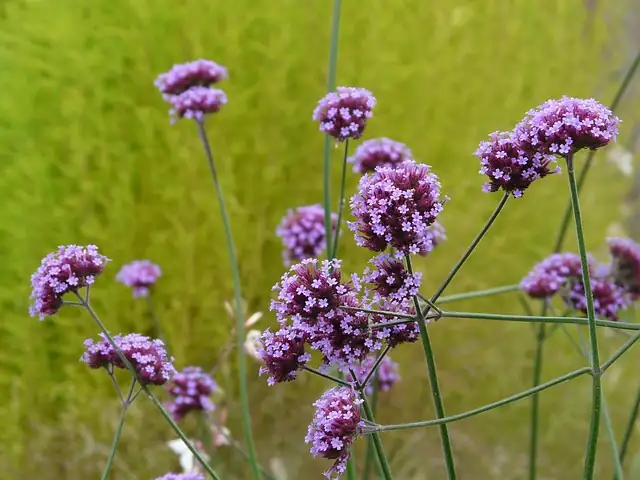
There’s a quiet thrill in seed-saving from common vervain—those ethereal mauve-to-blue-purple spires maturing into a pinch of tiny, oblong nutlets that promise next year’s shimmer. The art is in the timing: harvest late, but not too late; dry well, store smart; then sow with intention so Verbena officinalis L. remains the delightful accent in your meadow palette—not the dictator.
Meet common vervain (so you harvest the right plant)
- Botanical: Verbena officinalis L. (family Verbenaceae)
- Habit: Upright, airy perennial with four-angled (square) stems and dark green, toothed leaves; basal leaves coarser, upper leaves often 3‑lobed
- Flowers: Tiny, two‑lipped blooms in sparse spikes, typically mauve to blue‑purple, about 4–8 mm long
- Bloom window: Late spring to early fall (May–October), peaking in summer
- Height: 30–120 cm (12–48 in), often around 70 cm (28 in) in gardens
- Origin: Native to Europe; now widely naturalized in temperate to tropical regions worldwide
- Sun/soil: Loves full sun and well‑drained, moderately fertile soil; often happy in limey ground; pH ~5.8–7.2
- Note on names: You’ll hear “vervain,” “common vervain,” “European vervain,” even “blue vervain” used loosely. Blue vervain is also a common name for Verbena hastata in North America—look for the leaf shape and the daintier, airy spikes of V. officinalis to stay on target.
Seed biology in a nutlet
Each vervain flower ripens into a dry fruit that splits into four tiny nutlets. On common vervain, the fruit is about 2 mm long—small enough to escape notice if you wait too long.
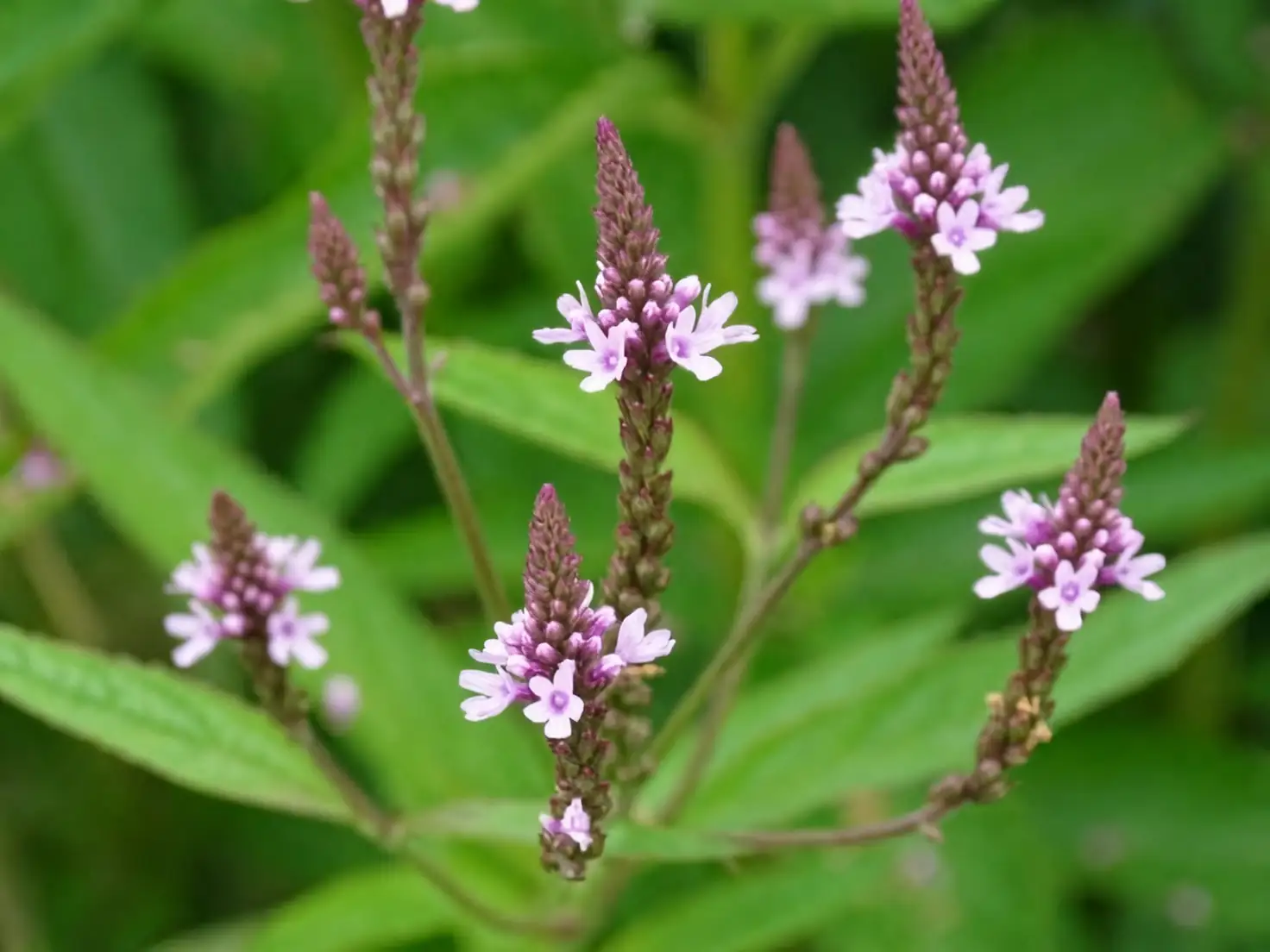
Signs a spike is entering the harvest window:
- The spike shifts from green to straw‑brown.
- The calyces feel papery and a bit rough with stiff hairs.
- Rubbing a section between your fingers releases firm, oblong nutlets that are brown to dark brown.
- The stem segment below the spike loses its vivid green.
Because spikes ripen from the base upward, harvest is a rolling affair—your best seed often comes from the lower and middle sections first.
Timing the harvest: just ripe, not released
Aim for late summer into fall, depending on your climate and bloom timing. The goal is to catch spikes when:
- Most of the spike is tan-brown, but before it shatters freely when brushed.
- The weather is dry for 24–48 hours (morning dew quickly turns to mold in paper bags).
How to harvest, step by step:
- Choose the best plants: sturdy, floriferous, true to type, and well-placed in full sun with strong, upright stems. Mark these “seed parents” early.
- Check readiness: squeeze-test a few calyces—mature nutlets feel hard; immature ones are soft and pale.
- Cut on a dry morning: after dew has lifted, snip mature portions of the spikes into a clean paper bag or a breathable harvest sack.
- For insurance against shattering: slip a small organza bag over nearly ripe spikes a few days before harvest and cinch it loosely; cut the bagged spike when most of the florets have browned.
Pro tip: Harvest little and often. A few passes each week during peak ripening yield cleaner seed and less mess.
Drying and cleaning: crisp, then sift
Proper after-ripening and drying are the difference between vibrant seed and a jar of regret.
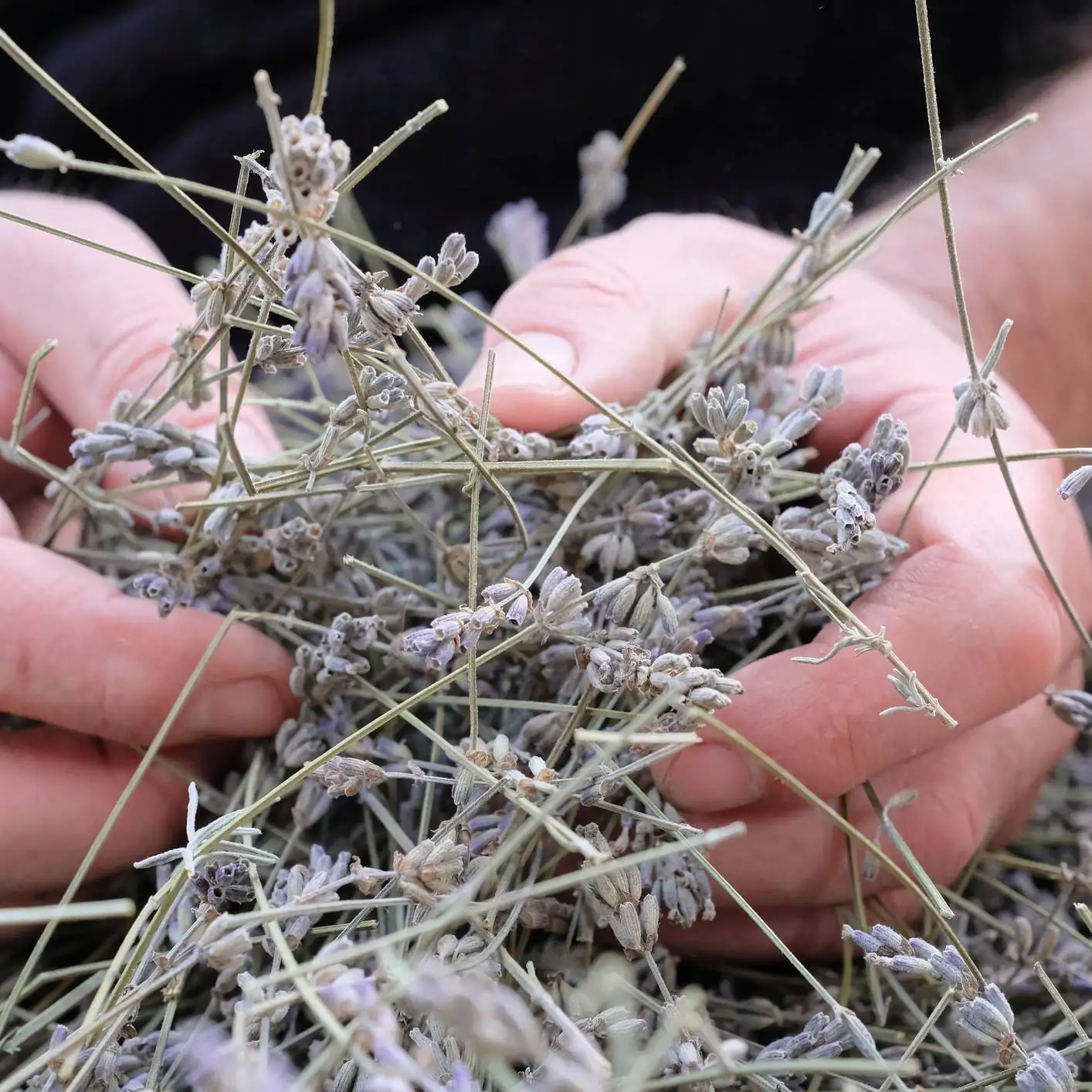
- Spread thin: Lay spikes in a single layer on screens or a paper-lined tray in a cool, dry, airy room out of direct sun.
- Duration: 7–14 days, until chaff is fully brittle. If in doubt, wait another two days.
- Thresh: Rub spikes gently between your palms over a large bowl. The nutlets drop along with chaff.
- Sieve: Use a fine kitchen strainer or seed screen to separate nutlets from larger debris. A shallow tilt-and-tap motion helps the heavier nutlets roll away from light chaff.
- Light winnow: If needed, a gentle breath or fan at low speed carries away the last of the papery bits.
- Dry check: Properly dried nutlets are hard and do not dent under a firm press of the fingernail; chaff snaps cleanly.
Optional quick viability check: Place 10 seeds on a moist paper towel at room temperature; if 5–7 sprout within 3–4 weeks, you’re in good shape for spring.
Storage that preserves vigor
- Container: Airtight jar, film canister, or foil packet within a sealed jar. Add a fresh desiccant packet.
- Conditions: Cool, dark, and dry. A pantry or a refrigerator works well; avoid humidity swings.
- Label: Species, location, and harvest date. You’ll thank yourself later.
- Longevity: Well-dried vervain seed often remains useful for 2–4 years; expect best vigor in the first two.
Pest-proofing tip: After drying thoroughly, you can freeze the sealed, desiccated seed for 48 hours to stop any hitchhikers. Let the container return to room temperature before opening to avoid condensation.
Controlled broadcasting: how to sow without surrendering the garden
Common vervain self-seeds readily when happy. Controlled broadcasting gives that charming “meadow wink” without a takeover.
Site prep:
- Choose full sun (6–8 hours daily).
- Rake the surface to a fine, firm tilth; remove mat-forming weeds and mulch where you want germination.
- Moist but free-draining is key—improve heavy soil with compost and drainage grit.
Make a “carrier mix”:
- Combine seed with dry, clean sand (about 1 teaspoon seed to 1–2 cups sand). The light color helps you see where you’ve sown and prevents clumping.
Sowing steps:
- Broadcast the sand–seed mix thinly, aiming for a scattered, natural look (think a light seasoning, not a thick coat).
- Press for contact: Walk the area on a board or use the back of a rake to firm seeds into the surface.
- Cover lightly or not at all: Aim for no more than 1–2 mm of cover—these small nutlets prefer bright conditions and excellent contact. Do not bury deeply.
- Water: Mist or use a fine rose to settle seeds, then keep the top layer just moist—not soggy—until germination.
- Thin: Once seedlings have two to three true leaves, thin to small drifts, roughly 20–30 cm (8–12 in) apart to maintain the plant’s airy habit and reduce mildew.
Timing:
- Direct sow in spring after the last frost when soil warms, or broadcast in early fall in mild climates for natural winter chilling.
- For transplants, start indoors 8–10 weeks before your last frost. Sow shallowly, keep evenly moist, and give bright light. Germination can be slow (2–4 weeks).
Germination boost:
- Alternating day/night temperatures and a brief chill can help some verbena seeds. Try 2–3 weeks in the refrigerator (dry seed in a paper packet), then sow warm days/cooler nights. Not mandatory, but often helpful.
Deadheading tactics: keep vervain delightful—not dominant
Common vervain blooms for months, and that marathon is fueled by your snips.
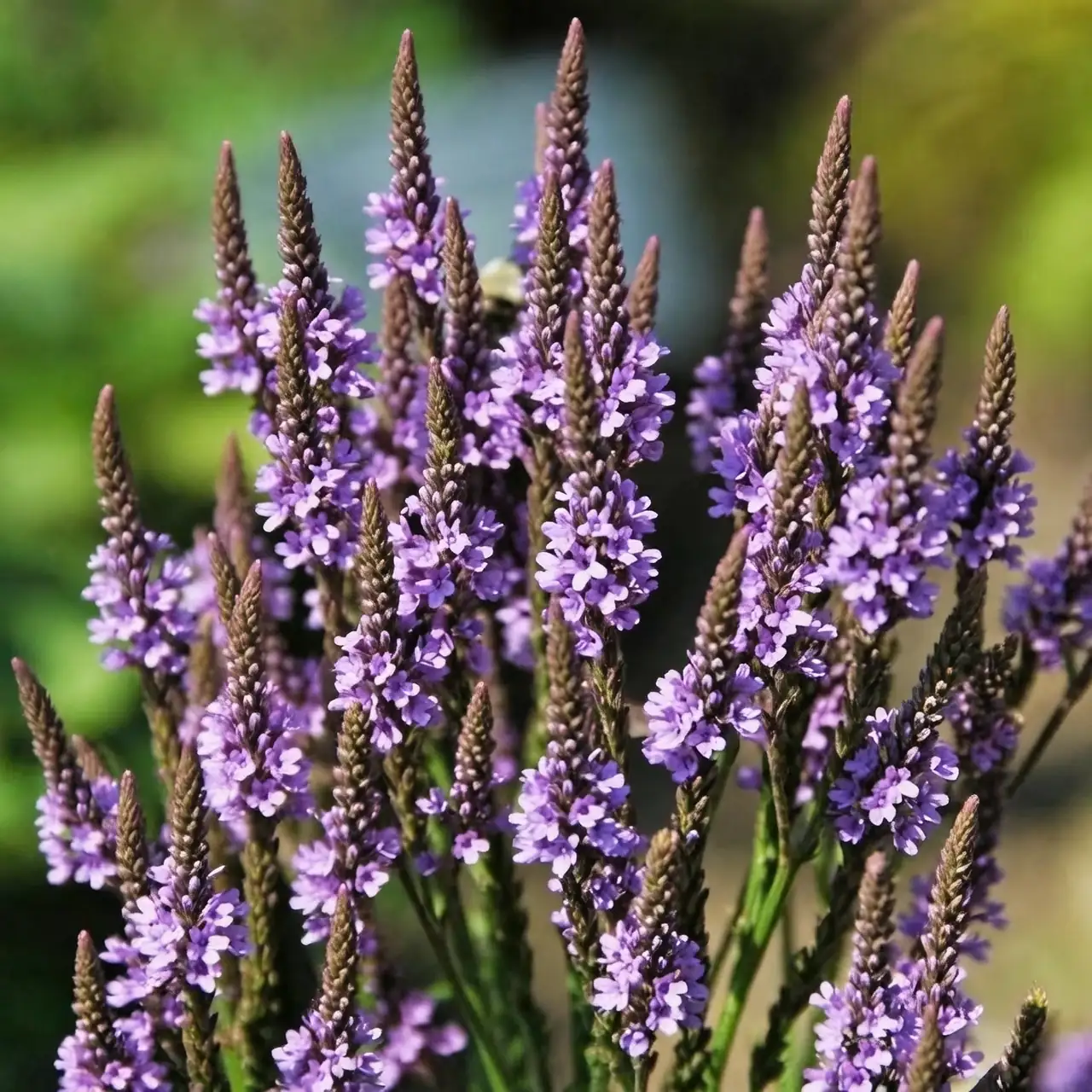
- Little-and-often deadheading: Remove spent sections of spikes as soon as the lower florets brown. Cut just above a leaf node to encourage branching and fresh spires.
- Shear for a reset: If plants get wispy midseason, shear lightly by about one-third. Water and a light feed can prompt a fresh flush.
- Seed-control strategy:
- Designate “mother” plants for seed and deadhead the rest promptly.
- In small gardens, bag a few spikes on one or two plants for clean seed; remove all other brown spikes before they set nutlets.
- Edge hygiene: Patrol paths and borders in late summer; clip stray seedheads leaning over gravel or mulch.
- Mulch smart: A 3–5 cm (1–2 in) mulch in beds suppresses many volunteers; leave small openings only where you want self-sown charm.
- Post-bloom cleanup: In fall, remove remaining brown spikes if you don’t want a seedling boom next spring.
Good to know: Regular deadheading doesn’t just curb seeding—it keeps vervain looking airy and refined, and supports continuous flowering from late spring well into fall.
A quick seasonal calendar for seed-savers
- Spring
- Start seeds indoors 8–10 weeks before last frost; or direct sow after frost in prepared soil.
- Plant out to full sun, well-draining beds; water to establish.
- Summer
- Deadhead regularly for nonstop bloom and to limit seed set.
- Select and tag the best plants for seed saving.
- Late summer to fall
- Harvest ripe spikes in dry weather; dry, clean, and store seed.
- Optionally broadcast in controlled patches or pot up fall-sown trays in mild regions.
- Winter
- In colder areas, cut back dead growth and lightly mulch. Keep stored seed cool, dark, and dry.
Troubleshooting: seed and spread
- Low germination
- Check seed age and storage.
- Try a 2–3 week fridge pre-chill and provide day/night temp swings.
- Ensure shallow sowing and steady, light moisture.
- Damping-off in trays
- Improve airflow, use sterile mix, and avoid overwatering.
- Too many volunteers
- Intensify deadheading, add mulch, and thin seedlings early while small.
- Too few volunteers
- Leave a few spikes to ripen fully in situ, reduce mulch in target patches, and irrigate lightly after seed drop to mimic autumn rains.
Growing conditions that set you up for success
- Sun: Full sun (6–8 hours) gives the strongest growth and most flowers. Partial shade reduces bloom.
- Water: Even moisture with good drainage—about 0.5–1 in (1.3–2.5 cm) per week in the growing season. Let the surface dry slightly between waterings.
- Soil: Well-drained, moderately fertile; often thrives in limey soils; dislikes waterlogged winters.
- Hardiness: A perennial often most reliable in warmer temperate zones; in colder or very wet-winter climates it may behave as a short-lived perennial or annual—but it can reseed.
A note on safety and use
Gardeners prize vervain as an ornamental, low-maintenance, pollinator-friendly herb with a long history in traditional medicine. While it’s generally low-risk ornamentally, internal medicinal use is traditionally avoided during pregnancy.
Flower language and lore: why vervain feels “charged”
Vervain’s long cultural life feeds its symbolism—peace, protection, loyalty, trust, even justice. In ancient Europe it was carried as a protective charm; Roman “verbenae” were sacred sprigs; later, lore linked it to the Crucifixion, earning names like Holy Herb and Herb of the Cross. In Victorian floriography, vervain could say “pray for me” or “you have bewitched me”—a nod to its reputation as a plant that stands at thresholds: between the sacred and the everyday, the wild and the gardened. Saving its seeds, in a way, is a continuation of that quiet stewardship.
Field ID snapshot (for confident seed collecting)
- Stems: Square, sometimes with coarse hairs along the angles and nodes.
- Leaves: Basal leaves coarsely toothed; upper leaves often three-lobed with irregular teeth; undersides can feel slightly rough.
- Spikes: Slender, terminal and axillary; small, mostly sessile flowers; calyces about 2 mm with stiff hairs.
- Fruit: Four oblong nutlets, about 2 mm, maturing brown and firm.
Parting pro tips
- Keep a “seed row”: let one clump mature for seed while deadheading the rest.
- Label the plant, not just the bag: a tag at the base avoids mix-ups when spikes bend into neighbors.
- Clean light: finish seed cleaning in side light—shadows make tiny nutlets disappear.
- Share wisely: a teaspoon of vervain seed goes surprisingly far; sow thinner than you think.
Handle the harvest with care, and Verbena officinalis will repay you with months of bloom, a few pockets of well-placed volunteers, and jars of tidy nutlets ready to paint next year’s garden with that serene, meadowy blue-purple—on your terms.