Unleashing the Vibrant Charm of Black-eyed Susans: A Guide to Effortless Propagation
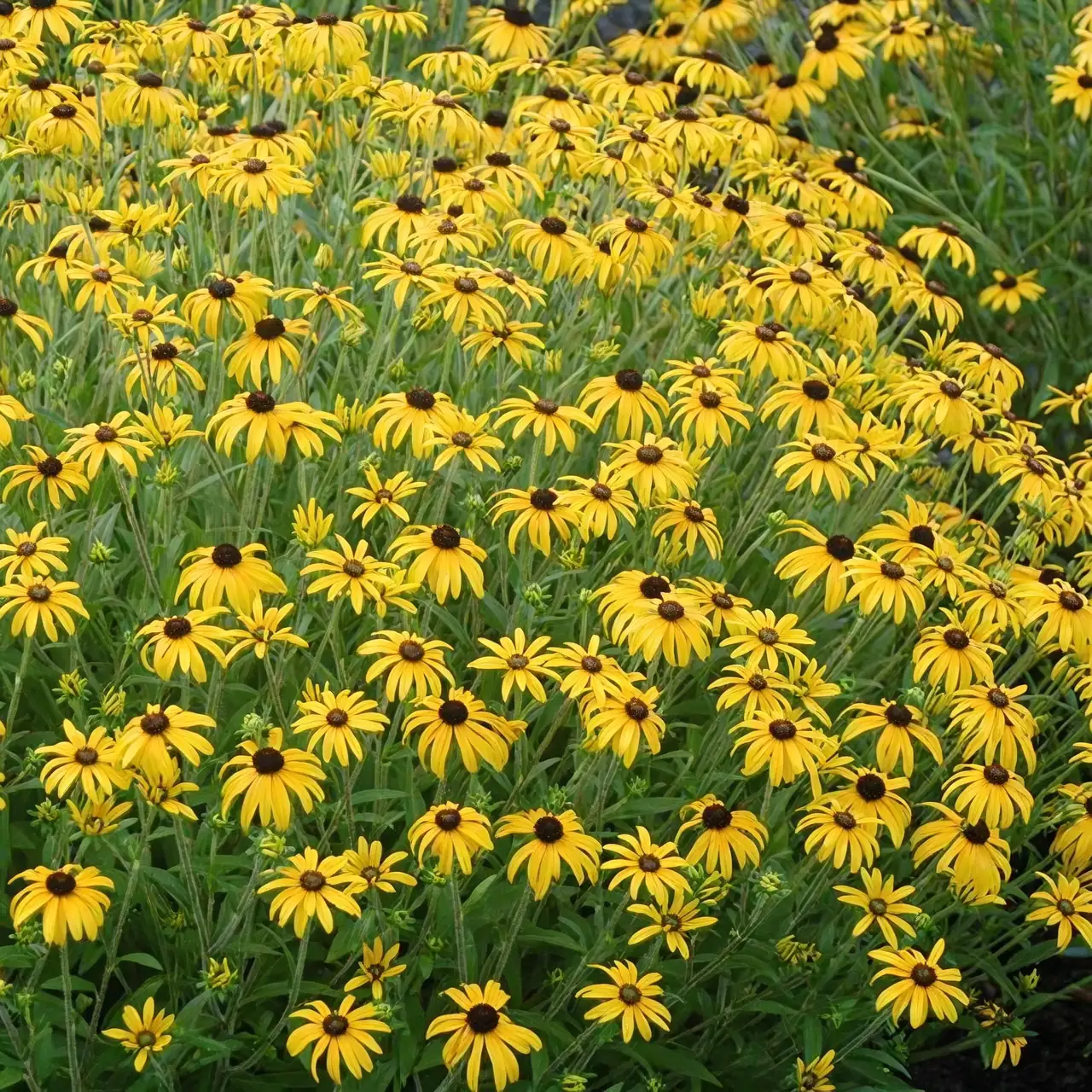
Imagine a garden where golden blooms flourish like little suns—each one a mini burst of joy that captivates both the eye and the heart. Welcome to the world of Black-eyed Susans, or Rudbeckia hirta, where propagation is not just a task but an art form that lets you weave magic into your green paradise. Whether you’re a seasoned gardener or just dipping your toes into the world of floriculture, learning to expand your garden with these sunlit beauties can be as rewarding as it is straightforward.
The Basics: Why Choose Black-eyed Susans?
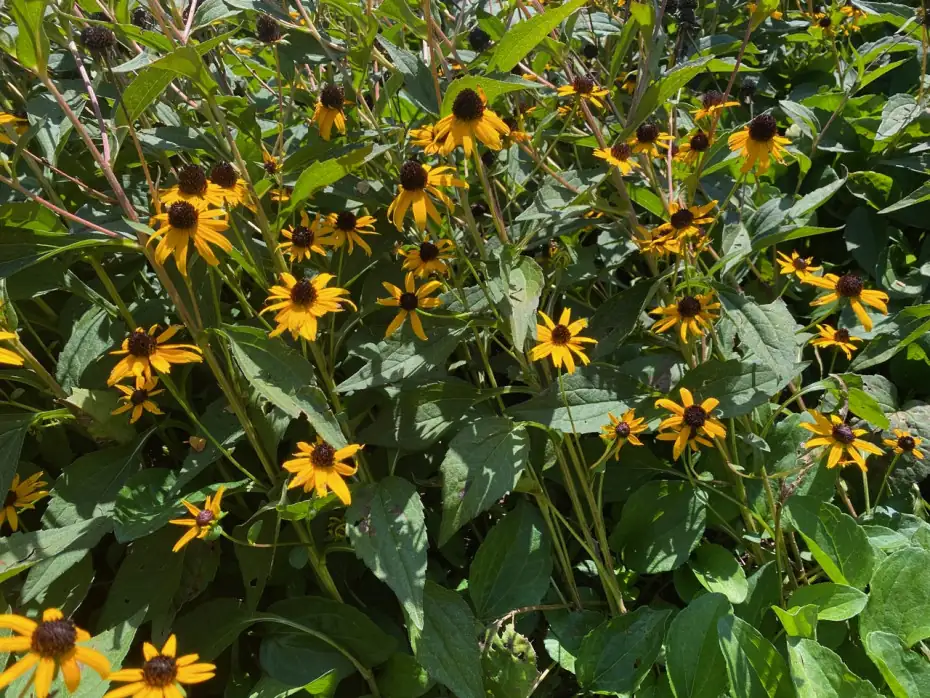
Native to North America, Black-eyed Susans are beloved for their bright, daisy-like flowers with a striking dark center that stands out against lush, hairy foliage. They are not only visually striking but also remarkably easygoing, making them a fantastic choice for gardeners of all skill levels. Known for their resilience, these flowering plants thrive in USDA Zones 3–9 and can handle both heat and cold once established.
Propagation Methods: Seeds, Division, and Cuttings
Expanding your garden with Black-eyed Susans can be as simple as choosing the right propagation method to suit your garden’s needs and your personal gardening style. Let’s dive in:
Propagating by Seed
Starting Black-eyed Susans from seed is akin to unleashing a wave of sunshine onto your garden. These seeds prefer a bright spot to germinate, so sprinkle them lightly on the soil surface after the last frost, or start them indoors about 6–8 weeks prior. Keep them at a cozy 21°C (70°F), and in about 7–14 days, you’ll witness the first signs of life peeking through. Remember, these hardy seeds require light to sprout, so resist the urge to bury them too deep.
Division: The Art of Multiplying
Think of division as the plant world’s way of cloning. Every 3–4 years, Black-eyed Susans form robust clumps that are ready to be split. In early spring or fall, gently dig up the clumps and separate them into smaller sections. This not only helps rejuvenate the parent plant but also gives you multiple new plants to spread throughout your garden. It’s a bit like sharing a family recipe—each division carries the same essence yet promises new beginnings.

Stem Cuttings: The Hands-On Approach
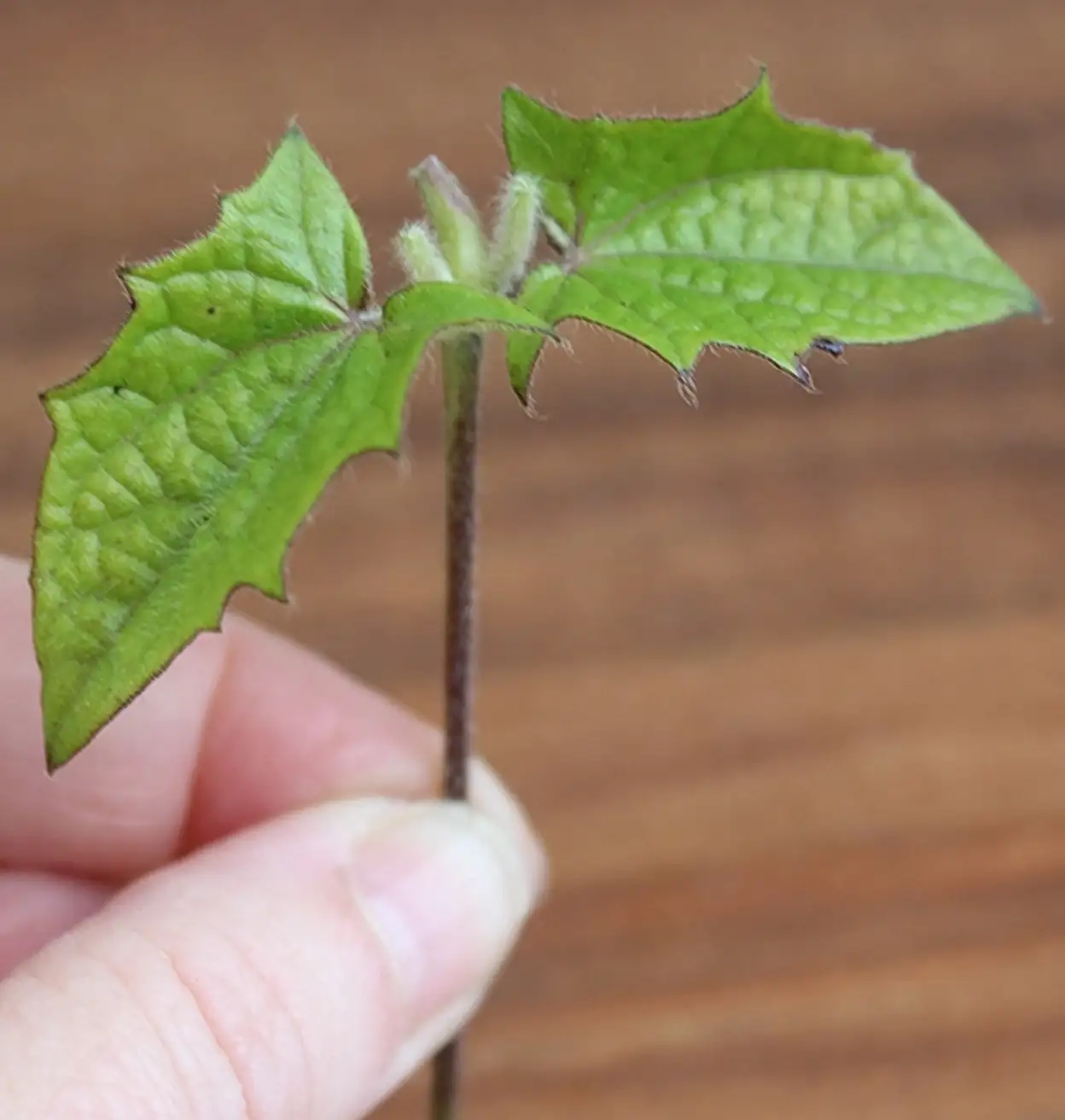
For those who enjoy a more tactile experience, propagating through basal stem cuttings in spring or early summer is a delightful alternative. Snip a section of stem from the base, ensuring it has a couple of leaves, and plant it in a potting mix. With a little care and patience, these cuttings will root and eventually grow into strong, independent plants.
Growing Conditions: Setting the Stage for Success
Black-eyed Susans are as forgiving as they are beautiful. They yearn for full sun, basking in at least 6 hours of direct sunlight to bloom their best. While they prefer well-draining soil rich in organic matter, they are tough enough to handle various conditions, from clay to sandy loam. Water them deeply once a week, and maintain moderate moisture, especially during bud formation, to encourage a spectacular display of flowers.
Care Tips: Keeping Your Garden Glowing
- Deadheading: Regularly remove spent blooms to prolong flowering and prevent heavy self-seeding. However, if you wish to invite songbirds like goldfinches, consider leaving some seed heads intact.
- Pruning: After the initial flush of flowers, shear back the plants to promote another round of blooms.
- Fertilization: A light feeding at planting time can suffice. Avoid over-fertilizing, as too much nitrogen can lead to lush foliage with fewer flowers.
Conclusion: A Burst of Sunshine All Year Round
Black-eyed Susans are more than just flowers—they are symbols of resilience and optimism, embodying a sunny “you’ve got this” attitude. As you propagate and nurture these vibrant blooms, you’re not just growing plants; you’re cultivating a space of motivation and beauty that brightens your garden and your spirit. Whether you plant them for their ecological benefits, their cheerful appearance, or simply as a testament to your gardening prowess, Black-eyed Susans will reward you with a garden filled with life and color. So gear up, grab your gardening tools, and let your garden flourish with the effortless charm of these golden beauties!