

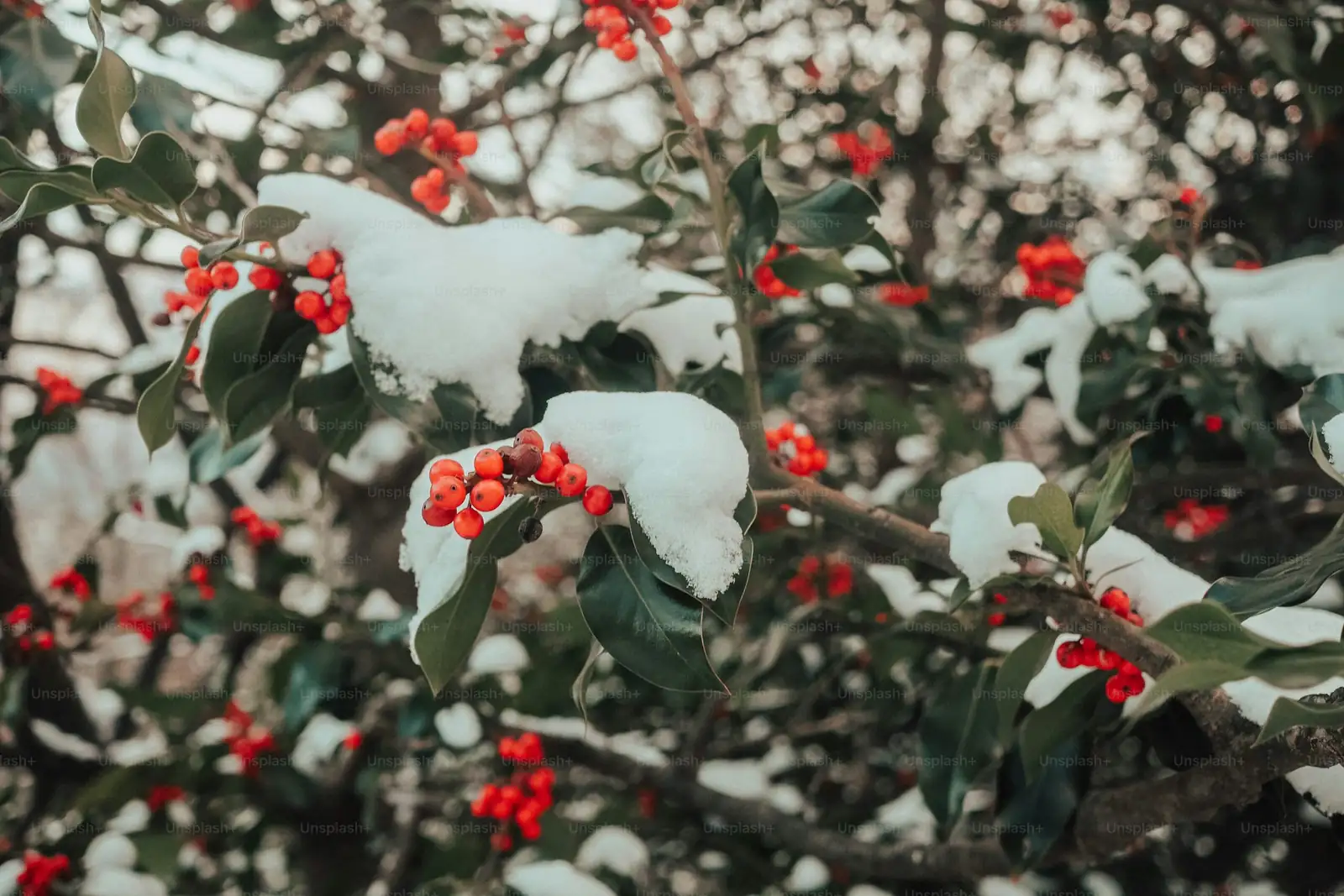
If you’ve ever wanted a windowsill plant that turns into a string of glossy, coral-red ornaments just when the days get short, Solanum pseudocapsicum—Jerusalem cherry, Christmas cherry, winter cherry—delivers. Compact, evergreen, and frost-tender, it’s typically grown as a one- to two-year potted subshrub that shines in autumn and winter. In this propagation masterclass, we’ll compare starting it from seed versus summer semi-ripe cuttings, with exact temperatures, timelines, rooting tricks, and training for a tight, berry-laden silhouette.
Note: All parts are toxic if eaten—especially the berries. Display out of reach of children and pets.
Seed vs. semi-ripe cuttings: the quick verdict
- Choose seeds if:
- You want lots of uniform young plants on a schedule.
- You’re starting in spring and can provide steady warmth and bright light.
- You enjoy shaping plants from scratch for super-compact form.
- Choose semi-ripe cuttings if:
- You want clones of a particularly compact, heavy-fruiting plant.
- You’re propagating in summer and need berries the very first winter.
- You prefer faster turnaround from stick to display.
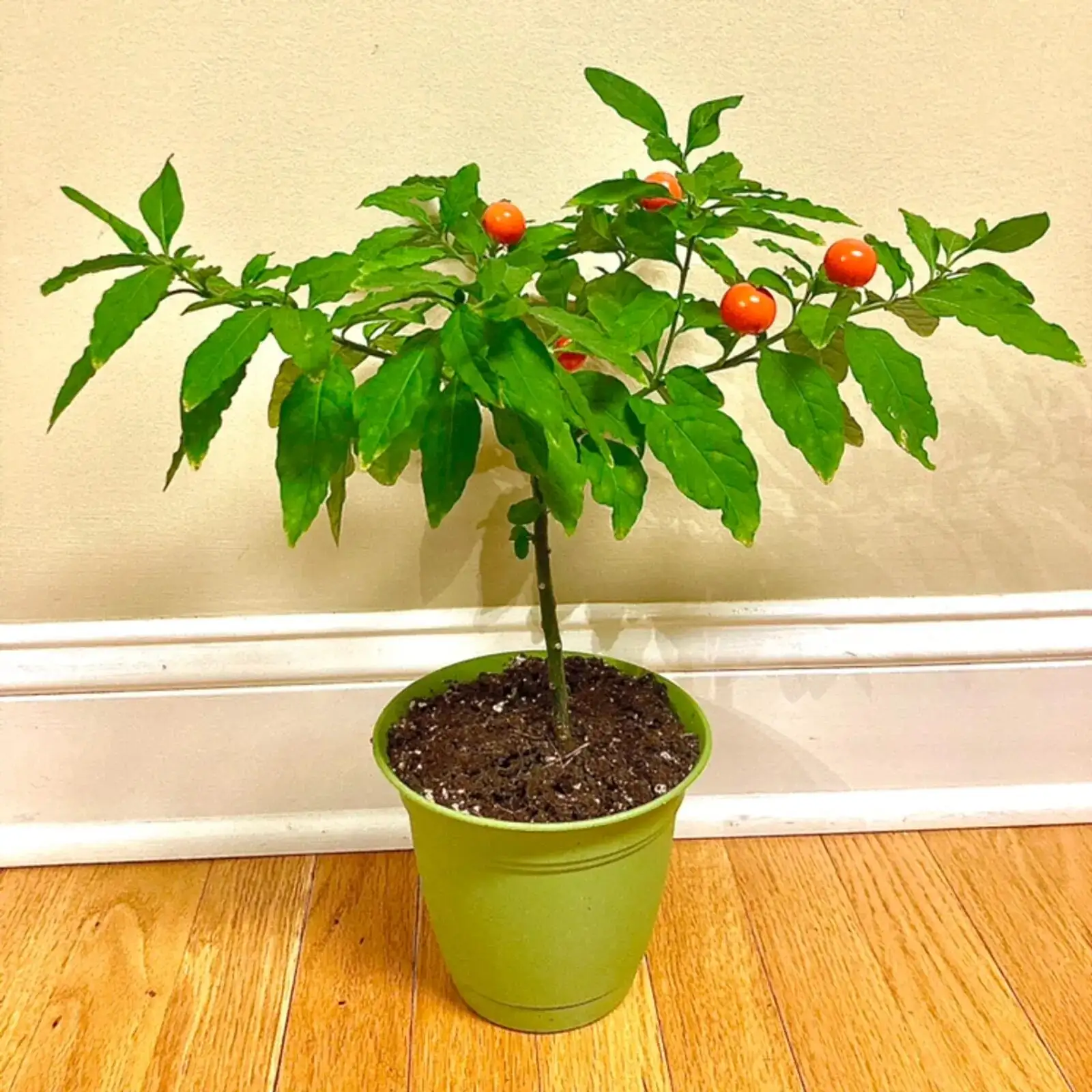
Both routes can deliver a 30–60 cm (12–24 in) compact pot plant with dense branching and bright red winter berries.
Growing conditions you’ll need (for both methods)
- Light: Bright light to full sun; tolerates partial shade. A bright east- or south-facing window is ideal.
- Temperature: Best at 20–25°C (68–77°F). In winter, keep above 8–10°C (46–50°F). Avoid drafts and sudden swings—these trigger leaf and berry drop.
- Soil: A rich, well-draining, loam-based potting mix amended with peat/coco and coarse sand/perlite.
- Pot: Usually 10–15 cm (4–6 in) diameter. Slightly pot-bound plants stay denser and display better.
- Water: Keep evenly moist in active growth; slightly drier during flowering to encourage fruit set; lightly moist to slightly dry once fruiting. Never waterlog or swing “drought then drench.”
- Feeding: Every 2 weeks in active growth. In autumn as buds appear, give 1–2 extra feeds higher in P and K (e.g., a bloom/fruit formula around 15-15-30).
From seed: spring sowing to winter berries
Timeline at a glance
- Week 0 (spring): Sow at 18–20°C (64–68°F).
- Days 10–12: Germination.
- Week 3–4: Prick out seedlings at 2–3 true leaves.
- Week 6–8: First pinch at 10–15 cm to trigger bushy branching.
- Summer: Grow on hard in bright light; shape and maintain even moisture.
- Autumn: Plants flower; reduce watering slightly during bloom, add 1–2 high-P/K feeds.
- Winter: Berries color from green to orange to bright red; enjoy the display.
Step-by-step germination and early care
- Sowing window and temperature
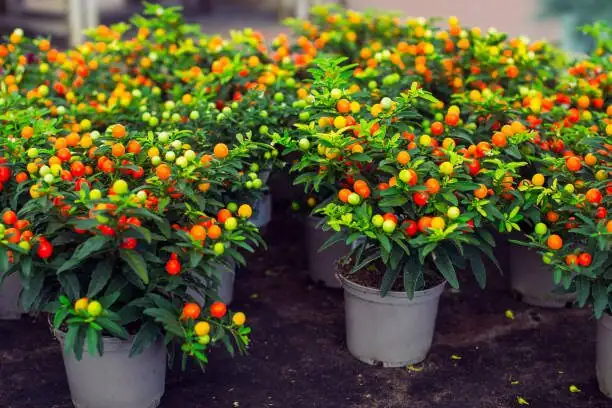
- Sow indoors in spring. Maintain 18–20°C for quick, even germination (typically 10–12 days).
- Sowing method
- Use a sterile, fine-textured seed mix or a 50:50 peat/coco and perlite blend over a loam-based base.
- Sow thinly and cover seeds very lightly (a dusting of fine mix or vermiculite).
- Pre-moisten the medium; keep consistently damp, never soggy.
- Light and humidity
- Provide bright light; gentle bottom heat around 20°C is ideal.
- Use a clear dome or humidity cover; vent daily to prevent damping-off.
- Pricking out and potting on
- Transplant at 2–3 true leaves into a free-draining, fertile mix.
- Pot gently into 7–9 cm (3–3.5 in) pots; don’t overpot.
- Training for compact form (key moves)
- First pinch when seedlings reach 10–15 cm (4–6 in): remove just the tip to promote branching.
- Select 3–5 strong primary shoots as your framework; lightly tip these once more if needed.
- Stop pinching 6–8 weeks before autumn flowering so you don’t cut off bloom potential.
- Grow-on care for fruiting success
- Keep at 20–25°C in strong light; rotate the pot a quarter-turn weekly for even shape.
- Water when the top 2–3 cm (about 1 in) of mix dries.
- As buds and flowers form in autumn, reduce watering slightly and add 1–2 high P/K feeds to support fruit set.
- Once berries form, keep the mix just slightly dry and avoid splashing fruit to prevent spotting or rot.
From semi-ripe cuttings: summer sticks to same-year berries
Timeline at a glance
- Early–mid summer: Take 10 cm (4 in) semi-ripe cuttings.
- 2–3 weeks: Rooting in warm, humid conditions.
- Late summer: Pot up, pinch once, and grow on in bright light.
- Autumn: Flowering and fruit set.
- Winter: Berry display.
Step-by-step cutting protocol
- Selecting and preparing cuttings
- Choose semi-ripe, non-flowering shoots about 10 cm long.
- Cut below a node; remove lower leaves and any forming buds/fruit.
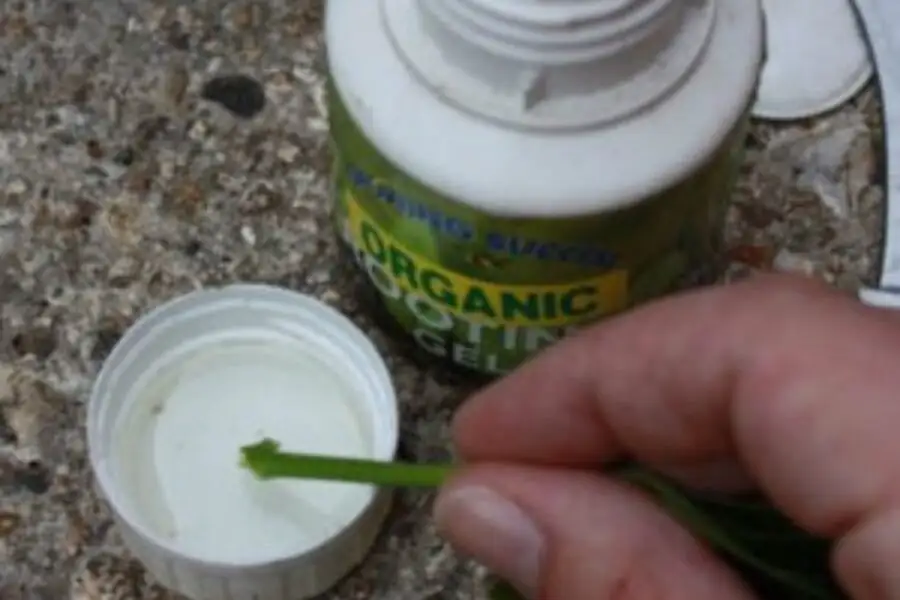
- Optional: Lightly wound one side of the base and dip in a general rooting hormone.
- Rooting environment
- Medium: 1:1 coco/peat and perlite or a similar airy, free-draining blend.
- Temperature: Warm (around 22–25°C/72–77°F).
- Humidity: High; use a propagator or clear cover with frequent brief vents for airflow.
- Light: Bright, indirect; avoid harsh midday sun until rooted.
- Rooting time and aftercare
- Expect roots in about 2–3 weeks.
- Pot up gently into 9–10 cm (3.5–4 in) pots and move to bright light.
- Pinch the tip once to encourage branching (then stop pinching 6–8 weeks before autumn bloom).
- Fast-track to fruit
- Maintain steady warmth (20–25°C) and consistent moisture.
- As autumn buds appear, slightly reduce watering and give 1–2 bloom/fruit feeds to boost set.
- Keep the plant compact—slight root restriction in a 10–12 cm pot often yields a tighter, more ornamental habit.
Seeds vs. cuttings: aftercare differences you’ll notice
- Vigor: Seedlings may grow more upright initially; cuttings often branch faster after a single pinch.
- Scheduling: Summer cuttings can fruit that same winter; spring seedlings need the summer to bulk up but also fruit reliably by winter.
- Uniformity: Seeds produce even trays; cuttings preserve special traits from a favorite mother plant.
Compact-shape training tips (for both methods)
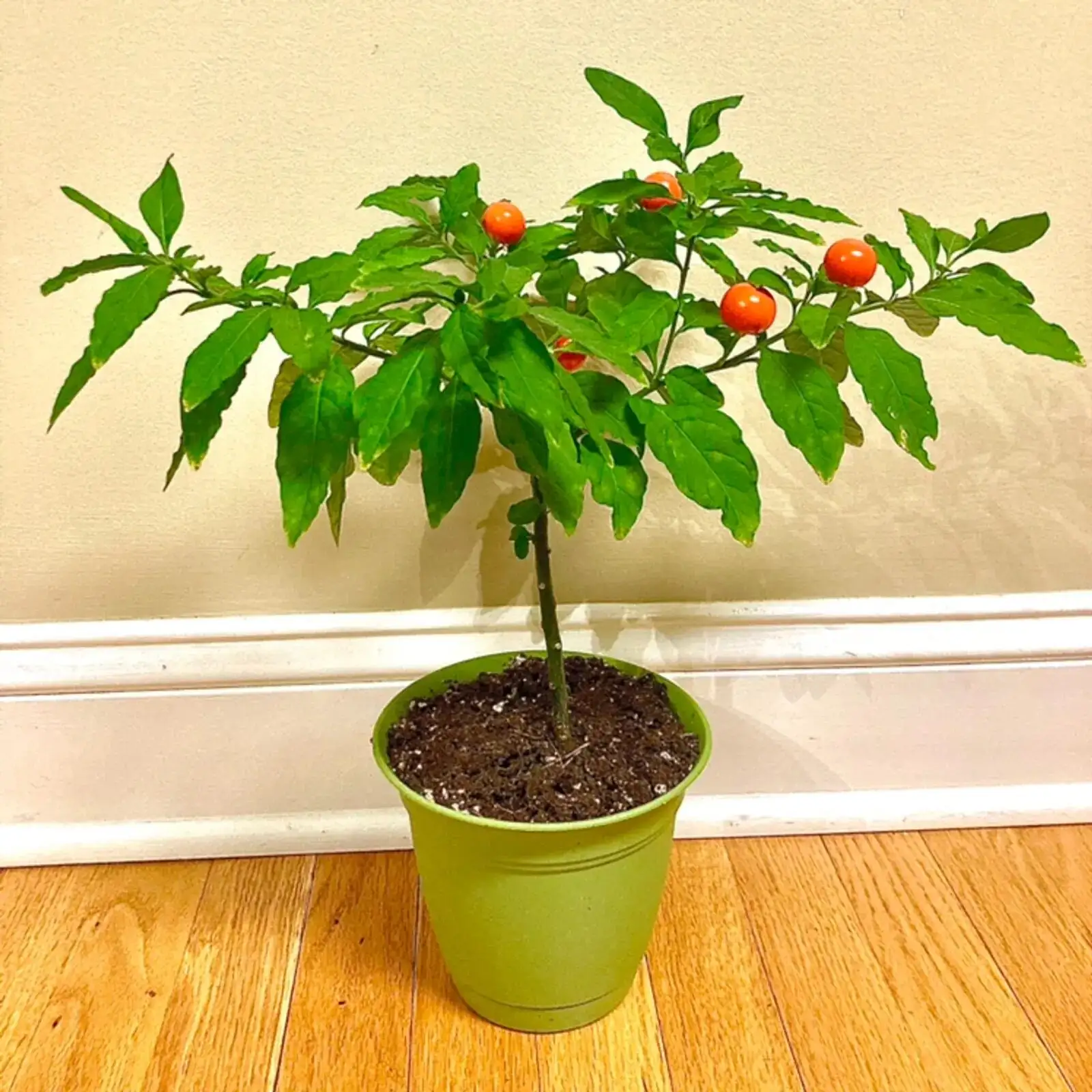
- Early pinch once at 10–15 cm to force a fuller frame.
- Choose 3–5 main shoots; tip those once for secondary branching.
- Final pinch 6–8 weeks before autumn flowering so flower buds can develop.
- Light is sculptor-in-chief: give very bright light, rotate weekly, and avoid crowding near dim corners.
- Slightly pot-bound is good: it keeps internodes short and the canopy tight.
- Stake invisibly if needed: a small ring support prevents berry-laden stems from splaying.
- Water discipline shapes structure: steady moisture in growth, slightly drier at bloom and fruiting for tighter nodes and better set.
Troubleshooting propagation and display
- Leaf or berry drop
- Triggers: Low light, cold drafts, sudden temperature swings, or wet soil.
- Fixes: Move to strong light, keep above 8–10°C in winter, and water sparingly in cool/dim periods.
- Whiteflies indoors
- Action: Isolate, then use insecticidal soap or horticultural oil; repeat as needed and improve airflow.
- Leaf spot/anthracnose
- Prevention: Avoid wetting foliage and berries, ensure airflow, and remove affected leaves promptly.
- Water marks or rot on fruit
- Cause: Splashing or prolonged wetness on berries.
- Solution: Bottom-water or water carefully at the soil line.
A grower’s calendar for Solanum pseudocapsicum
- Spring
- Sow seeds indoors at 18–20°C (germination ~10–12 days).
- Pot on, begin 2-week feeding schedule, pinch at 10–15 cm.
- Move outside only when consistently warm (no frost).
- Summer
- Take 10 cm semi-ripe cuttings; root in warm, humid conditions (2–3 weeks).
- Grow on in bright light; keep temperatures near 20–25°C.
- Autumn
- Keep plants in very bright light; reduce watering slightly during flowering.
- Give 1–2 higher P/K feeds to support fruiting.
- Avoid drafts and big temperature swings.
- Winter
- Display at 8–10°C minimum; typical home humidity is fine if watering is steady.
- Water lightly—often every 4–5 days in cool, dim conditions—to keep the mix lightly moist to slightly dry.
- Enjoy weeks of glossy berries that shift from green to orange to coral-red.
Safety note
- Toxicity: All parts—especially the berries—contain solanaceous alkaloids and are toxic if eaten. Keep away from children and pets.
Origin, use, and a note on symbolism
- Origin and habit
- Native to South America, now widely grown and naturalized in warm-temperate and subtropical regions of Europe and Asia.
- Grown as a compact, evergreen subshrub, usually 30–60 cm tall in containers.
- Use
- Primarily ornamental for its winter fruit display—perfect for bright windowsills and sheltered balconies.
- Symbolism (flower language)
- Often associated with seasonal cheer and “good luck”—a natural fit given that its brightest moment arrives in the year’s darkest months. This association is cultural rather than historical botany: the plant’s glowing red fruit evokes festivity and prosperity, making it a popular gift plant around the holidays.
With steady warmth, bright light, and a disciplined pinch-or-two, both seeds and semi-ripe cuttings can lead you straight to a dense, jewel-fruited Jerusalem cherry right on time for winter. Choose your method, set your temperature, and let those “holiday lanterns” glow.