

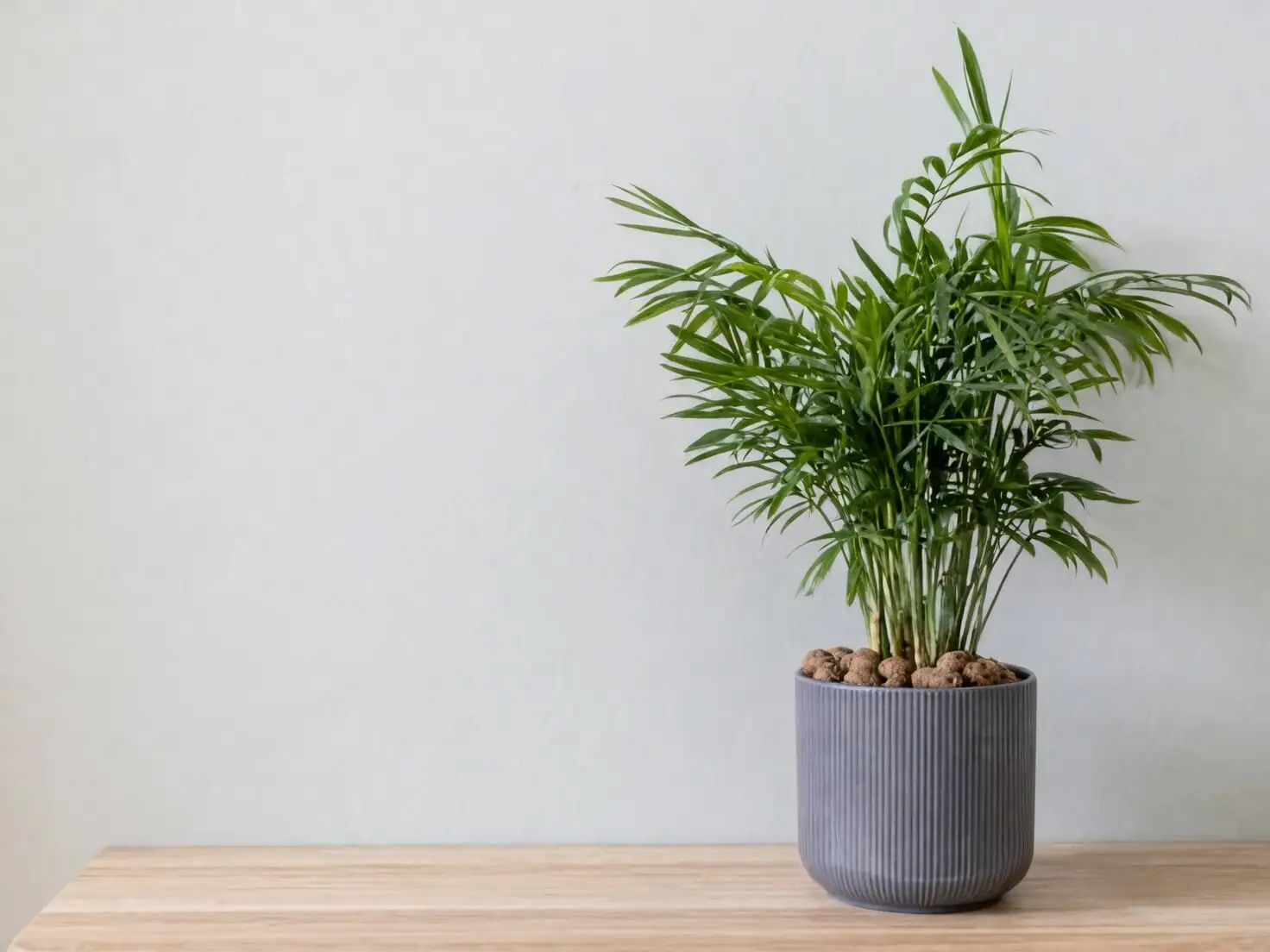
Imagine raising your own mini palm grove from scratch, then deciding whether to split it for more plants—or keep it together for that lush, full look. With parlor palm (Chamaedorea elegans), both choices are on the table. Here’s a practical, warmly detailed guide to sowing fresh seed, dialing in warmth and humidity, and making smart decisions about division so you get the exact clump you want—without stressing the plant (or yourself).
Meet Chamaedorea elegans at a glance
Native to the understory of southern Mexico and Guatemala, parlor palm is a compact, clumping indoor palm with multiple slender stems and soft, feathery fronds. It thrives in bright, indirect light, tolerates medium to low light, and prefers steady warmth with good drainage. Indoors, mature plants may occasionally produce small yellow flower sprays—charming, but the foliage is the real head-turner.
- Ideal indoor temps: about 18–24°C (64–75°F); avoid chills below 10°C (50°F)
- Light: bright, filtered light; avoid harsh midday sun
- Habit: naturally clumping; often sold as several seedlings potted together for a fuller look
—
Sow fresh parlor palm seed: a step‑by‑step, from tray to tidy seedlings
What you’ll need
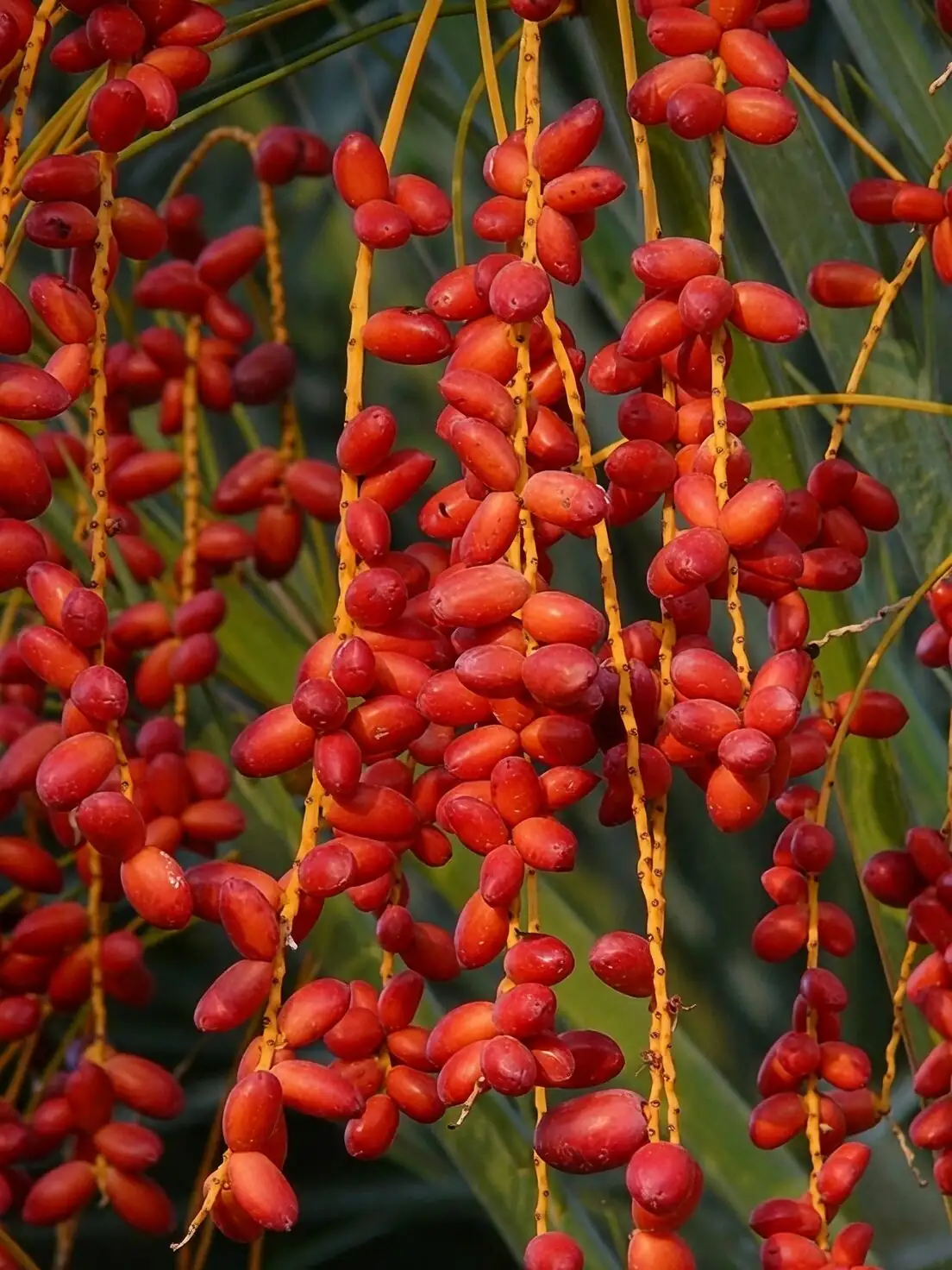
- Fresh Chamaedorea elegans seed
- A well-draining, airy mix: for example, 50% fine coco coir or seed-grade peat, 30% perlite, 20% coarse sand or fine bark
- Shallow pots or cell trays with drainage
- Topdressing grit/sand (optional, helps suppress fungus gnats)
- Clear humidity dome, lidded tray, or a loose plastic cover
- Bottom heat mat (optional but helpful)
- Clean labels and a mister or fine-rose watering can
Step 1: Clean and pre‑soak (optional but helpful)
- Remove any remaining fruit pulp from seeds.
- Soak clean seed in room‑temperature water for 12–24 hours. This rehydrates the seed and can speed the earliest stages of germination.
Step 2: Fill and moisten the mix
- Pre-moisten your mix so it’s evenly damp but never sodden. When squeezed, it should hold together lightly and then fall apart.
Step 3: Sow and cover lightly
- Sow seeds on the surface and cover with 5–8 mm (¼ in) of mix or grit. A thin topdressing of sand/grit reduces algae and fungus gnat interest.
Step 4: Warmth, humidity, and air
- Target 20–25°C (68–77°F) for germination. A heat mat helps hold that steady.
- Provide bright, indirect light; avoid full sun on the dome.
- Maintain evenly moist conditions with moderate humidity under a dome or cover. Vent briefly every day or two for fresh air—stale, wet air invites damping‑off.

Step 5: Watering rhythm
- Keep the mix moist, not wet. Bottom-water or use a fine spray to avoid washing seed around.
- Let the surface dry slightly between waterings; never allow the whole tray to dry out.
Step 6: Patience, the critical ingredient
- Typical germination window: often about 2–3 months.
- Some seeds pop sooner (as early as 4–6 weeks); a few stragglers can take longer. Keep the tray warm and lightly moist—don’t discard too early.
Step 7: Give them light and room
- As soon as seedlings emerge, keep them in bright, filtered light and continue steady warmth.
- Avoid harsh, direct sun; tender leaves scorch easily.
Step 8: First transplant (“prick out”) at the right time
- Transplant when seedlings are roughly 10–15 cm (4–6 in) tall and handling is easy.
- Use a loose, well-draining houseplant/palm mix amended with perlite/coarse sand/bark. Plant several seedlings together for an instant “mini grove.”
Pro tip: Label everything with sow date and source. Palm seeds are famously variable; records save guesswork later.
—
Realistic timelines: from seed to a display‑ready clump
- Weeks 0–2: Sow and settle. Keep 20–25°C, evenly moist.
- Weeks 4–12: First sprouts appear. Some may take longer—keep the faith and the warmth.
- Months 3–6: Seedlings develop first “true” fronds; reach 10–15 cm (4–6 in). Time to transplant.
- Months 6–12: Lush juveniles. Group 3–6 seedlings per pot for a fuller look.
- Year 1–2: A handsome, compact indoor palm around 30–60 cm (12–24 in) high with multiple fronds.
- Year 2–4: 60–120 cm (2–4 ft) indoors. With stable warmth and light, you may occasionally see small yellow flower sprays.
Note: Growth is slow to moderate. Cooler temps and lower light mean slower progress; brighter filtered light and steady warmth mean a fuller, darker green plant.
—
Warmth, light, and humidity targets by stage
Germination
- Temperature: 20–25°C (68–77°F)
- Humidity: enclosed, lightly humid environment with periodic venting
- Light: bright, indirect
Seedling establishment (post‑sprout to first transplant)
- Temperature: hold near 20–24°C (68–75°F)
- Humidity: moderate; avoid keeping foliage constantly wet in cool conditions
- Water: evenly moist, never soggy
Year 1–2 indoors
- Temperature: best overall at 18–24°C (64–75°F); keep above 10°C (50°F)
- Humidity: adapts to average home humidity; pebble tray or humidifier helps in very dry homes
- Light: bright, filtered light; tolerates medium to low light with slower growth
—
Potting‑on and building a fuller clump
- Mix: use a loose, fertile, well‑draining houseplant/palm mix. Add perlite/coarse sand and/or fine bark for air and fast drainage.
- Pot size: for young clumps, 15–20 cm (6–8 in) diameter is common; larger, established clumps may suit 20–30 cm (8–12 in).
- Grouping strategy: for that “instant palm grove,” pot multiple seedlings together (3–8 depending on pot size). This mimics how many retail plants are produced—dense, elegant, and fuller right away.
- Watering: water thoroughly, then let the top 2–3 cm (about 1 in) dry before watering again. Never let pots stand in water.
- Feeding: during active growth (spring to early autumn), feed lightly with a balanced liquid fertilizer—either monthly at normal strength or every 2 weeks at half strength. Pause feeding in winter or whenever growth slows.
—
Division: when it is—and isn’t—worth the stress
When division makes sense
- You have a large, healthy, pot‑bound clump with clearly separable groups of stems and well‑developed root masses.
- It’s spring, and light and warmth are improving (best recovery window).
- Your goal is to create more plants or reduce clump size for space or aesthetics.
- You’re prepared for slower recovery; palms dislike root disturbance.
When to avoid division
- The plant is young, recently repotted, stressed, or coming out of a cool, low‑light winter.
- It’s a small pot with just a few stems—the division may set growth back significantly.
- Your goal is a “fuller” look. Splitting a clump makes it less full. For density, it’s better to:
- Sow and add more seedlings to the pot, or
- Combine several nursery seedlings into one container at transplant time.
How to divide with minimal shock
- Water the plant a day before to ensure the rootball is evenly moist and more pliable.
- Unpot gently and tease away loose soil to see natural separation points. Never split a single stem from its roots.
- If needed, use a sterile knife or pruners to separate only where each division keeps a generous, intact root mass.
- Pot each division into just‑slightly larger containers with fresh, fast‑draining mix. Do not overpot.
- Aftercare:
- Place in warm, bright, indirect light.
- Water lightly at first; keep evenly moist but never soggy.
- Maintain steady warmth (ideally 18–24°C/64–75°F) and moderate humidity.
- Hold fertilizer for 4–6 weeks while roots re‑establish.
Recovery timeline: expect a pause in top growth for several weeks; 6–12+ weeks to regain momentum is common. If you want faster fullness with less downtime, grouping fresh seedlings is usually the better route.
—
Common pitfalls and pro tips
- Cold + wet equals trouble: yellowing leaves and root rot often follow soggy soil in cool conditions. Keep warm and well drained; let the top 2–3 cm dry before rewatering.
- Fungus gnats/damping‑off: use an airy mix, avoid chronic surface wetness, top‑dress with sand or fine grit, and ventilate humidity domes regularly.
- Direct sun scorch: tender seedlings and fronds scorch in harsh sun. Filter light with a sheer curtain if near a bright window.
- Brown tips: often from dry air, inconsistent watering, mineral‑rich water, or cold drafts. Try filtered/rain water, steady moisture, and a small humidity boost.
- Repot rhythm: every 2–3 years in spring or when clearly rootbound. Move up just one pot size and refresh the mix.
—
Quick care for seedlings and young plants
- Light: bright, indirect; tolerates lower light with slower growth.
- Water: thorough waterings, then allow the top 2–3 cm (1 in) to dry.
- Feeding: light, regular feeding in spring–early autumn; pause in winter.
- Temperature: best at 18–24°C (64–75°F); protect from drafts and chills.
- Pests: watch for spider mites (especially in dry air), scale, and mealybugs; treat early with insecticidal soap or horticultural oil.
—
Want to experiment? Parlor palm in water
It can be done. Rinse soil from roots, clip any rot, keep roots submerged while the stem base stays above water, refresh water often (every 3–5 days in summer; every 10–15 days in cooler seasons), and add a small dose of hydroponic nutrient once stable.
—
Final take
- For a fast, full look: sow fresh seed, then pot multiple seedlings together once they reach 10–15 cm (4–6 in).
- For multiplying plants: divide only robust, established clumps in spring, keeping root systems intact—and expect a recovery pause.
- For best growth at every stage: bright, filtered light; steady warmth around 18–24°C (64–75°F); a loose, fast‑draining mix; and a watering rhythm that avoids waterlogging.
Grow it patiently and you’ll have a long‑lived, pet‑friendly palm that brings everyday elegance to any room—whether as a single graceful fountain of fronds or a tightly planted, mini indoor grove.