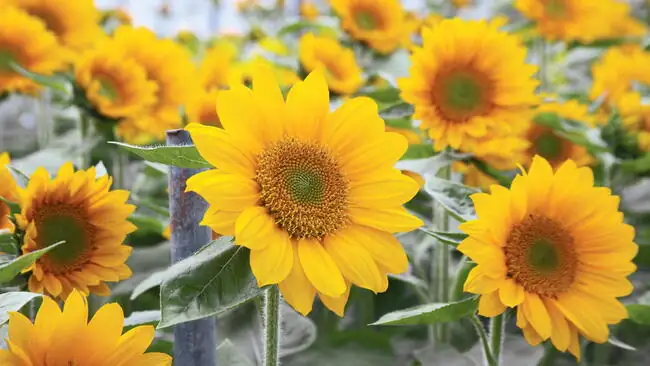
If you want sunflowers that pop like a parade—steady waves of blooms for vases, bees, and snackable seeds—think like a conductor. Helianthus annuus loves rhythm: warm soil to start on cue, precise sowing depth, a pinching vs. single-stem decision, and a repeating 10–14 day beat that keeps flowers coming all season.
Here’s the timing-first playbook.
Start with temperature, not the calendar
Sunflowers are warm-season annuals that perform best when you work with heat, not just dates.
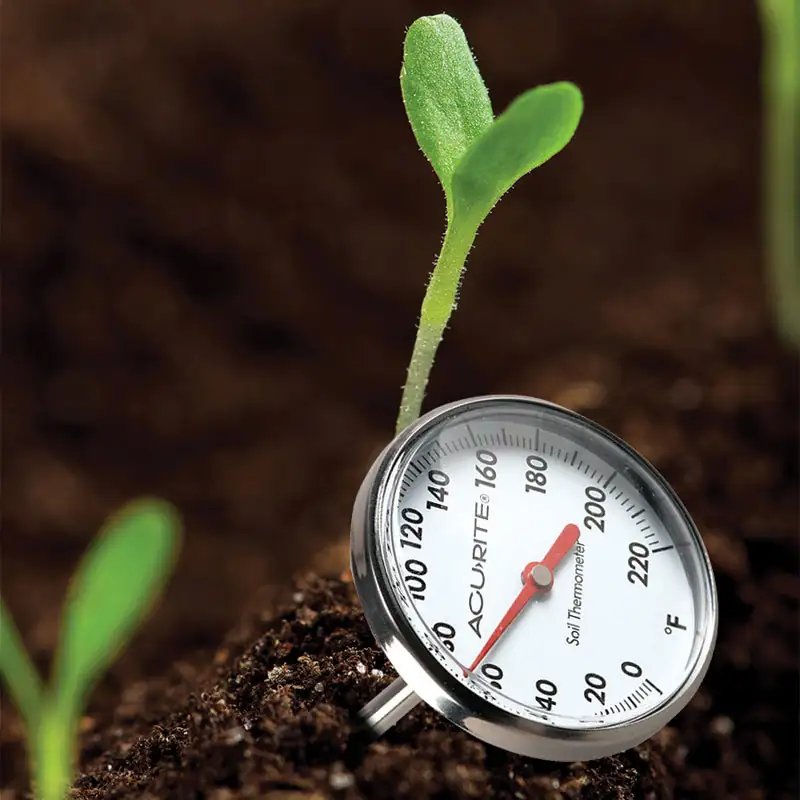
- Soil warmth to sow: wait until soil is consistently above 10°C (50°F). For eager, uniform sprouting, aim for 20–22°C (68–72°F).
- Germination window: typically 7–10 days around 20–22°C (68–72°F).
- Best growing temps: roughly 15–30°C (59–86°F). Protect from frost at all stages.
- Light: full sun—at least 6–8 hours daily. Too little light = floppy stems and uneven heads.
Pro tip: a cheap soil thermometer beats a weather app. Sunflowers care about the temperature where the seed sits.
Sowing depth and spacing—set the stage right
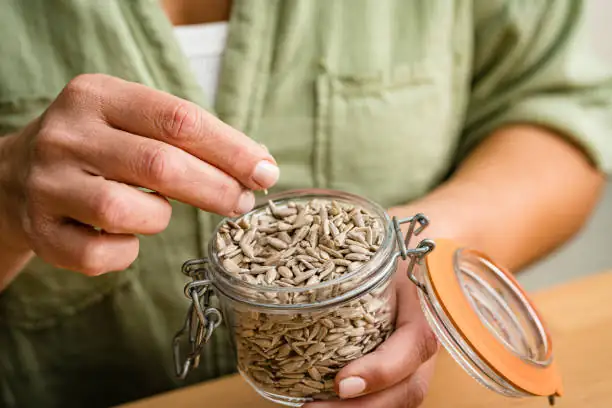
- Sowing depth: 2.5–4 cm (1–1.5 in).
- Direct sowing is simplest and often strongest (that taproot loves to go straight down).
- If starting indoors for a head start:
- Use deep cells or biodegradable pots to avoid root disturbance.
- Transplant promptly once seedlings have their first true leaves—don’t let them become root-bound.
- Spacing (adjust for your goal and cultivar size):
- Single-stem cuts: 15–23 cm (6–9 in) in-row for slim, market-style stems; 30 cm (12 in) for bigger heads.
- Branching and garden display: 30–45 cm (12–18 in) or more for airflow and fuller plants.
- Dwarf/container types: follow packet guidance; they’re happy tighter but still appreciate air movement.
The 10–14 day succession rhythm
Individual blooms average 7–10 days of prime beauty—so plant in waves.
- Core rule: sow a fresh batch every 10–14 days from your last frost date until midsummer.
- Mix maturities to stretch the season:
- Fast dwarfs for early color: some pot-friendly types flower in about 50–60 days.
- Standard garden/cut types: many bloom in roughly 70–95 days.
- A sample season plan (temperate climate):
- Wave 1 (post-frost, warm soil): direct sow a branching mix + a single-stem cut variety.
- Wave 2 (10–14 days later): repeat your favorites.
- Wave 3 (10–14 days later): add a pollenless branching type for tidy indoor cuts.
- Wave 4 (midsummer): favor seed-heavy giants for late-season seed harvest and birds.
- Wave 5 (optional, late): compact or mid-size branching for a final flourish before frost.
This simple metronome keeps color rolling while staggering seed maturity for harvesting or wildlife.
Pinching vs. single-stem: choose your strategy
Sunflower habit is part genetics, part your pruning choice.
- Single-stem strategy (no pinch):
- Best for one big, classic head; often earlier than pinched plants.
- Great for large-headed display and big, straight cut stems.
- Tip: remove small side shoots as buds form if you want fewer, larger flowers.
- Pinch for branching:
- Pinch when plants have 4–6 true leaves (before visible buds). You’ll delay the first bloom a bit but get multiple, smaller flowers over a longer window.
- Ideal for bouquet-makers and pollinators.
- Pair with branching cultivars (many excellent pollenless options exist for mess-free indoor cuts).
- Not sure which to do? Split the sowing: pinch half of a wave and leave half unpinched. You’ll get a staggered, layered show from a single sow date.
Watering, feeding, and airflow—the quiet power trio
- Water:
- Keep seedlings evenly moist.
- After establishment, water deeply, then let the top layer dry slightly before watering again.
- In heat and during bud/flower formation, increase frequency for fuller blooms.
- Avoid soaking the flower heads and don’t let containers sit in saucers of water.
- Fertilizer:
- In rich garden soil, feeding can be minimal.
- In containers or poor soil, mix in slow-release fertilizer at planting or use a balanced-to-bloom-leaning liquid feed during active growth (many growers feed potted plants about every 10 days—follow label directions).
- Don’t overdo nitrogen; it can make stems soft and plants leggy.
- Airflow:
- Space generously for branching types.
- Water at the base to reduce disease.
- Stake or corral tall varieties and shelter them from strong, prevailing winds.
Cut flowers that last, seeds you can savor
- For cut flowers:
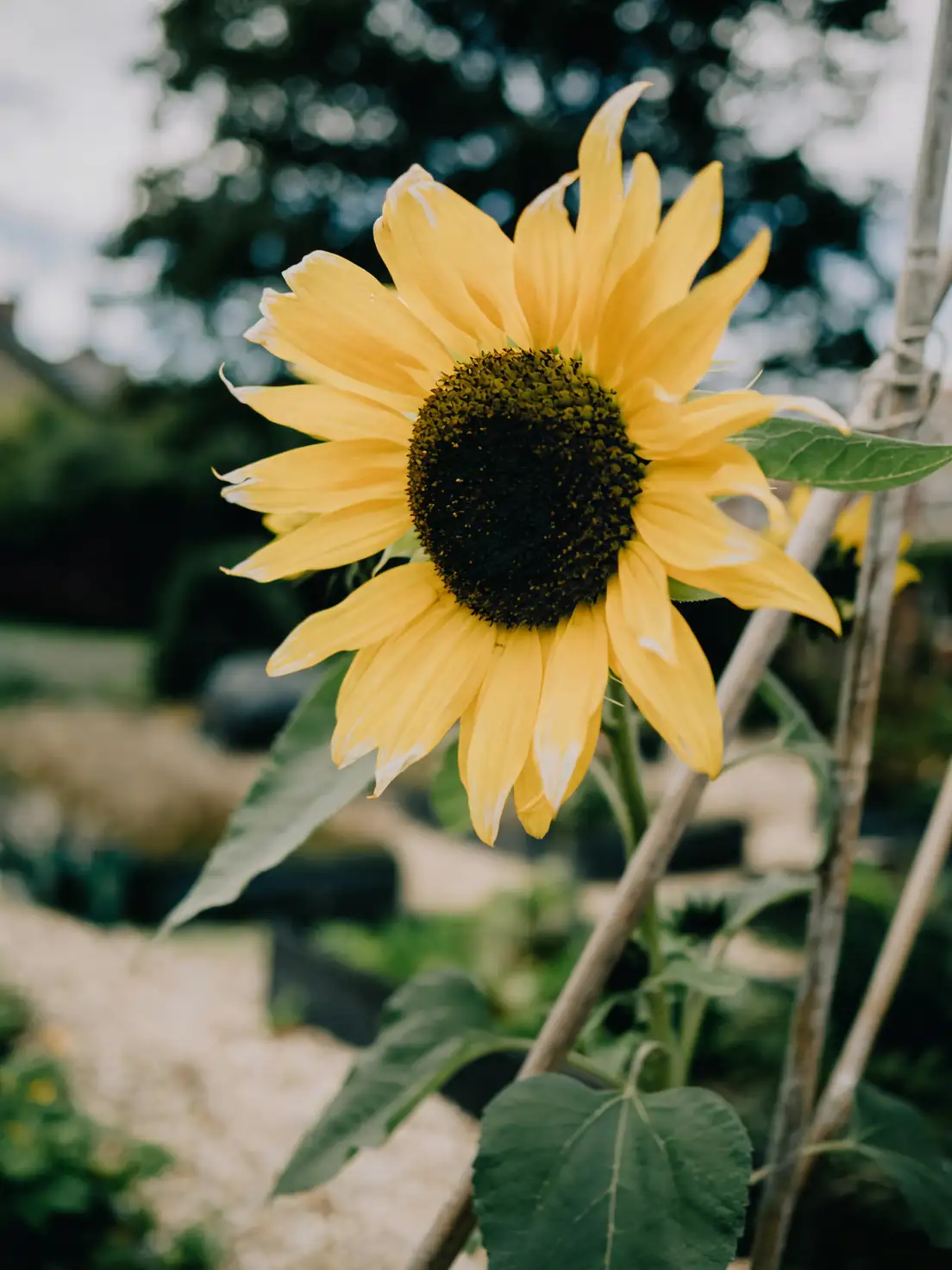
- Harvest when the central disk is firm and the ray petals are just lifting or partly unfurled.
- Strip lower leaves, recut stems under water, and use a vase preservative.
- Expect about 7–10 days of vase life in good conditions.
- For seeds:
- Let heads mature on the plant; harvest when the back of the head turns brown.
- Netting helps keep birds and squirrels from raiding your best heads early.
- Dry thoroughly, then rub out seeds, roast, or save for planting.
- Note: some double-flowered ornamentals set seed poorly—hand pollination can help, but they’re mainly for looks.
Troubleshooting by timing
- Droopy leaves or uneven heads? Usually not enough direct sun or inconsistent light. Move to full sun and keep moisture steady (not soggy).
- Stalled seedlings? Soil was likely too cold or wet. Re-sow once soil warmth stabilizes above 10°C (50°F), aiming for ~20–22°C (68–72°F) for quick starts.
- Disease and pests:
- Watch for aphids, spider mites, beetles, and sunflower moth larvae. Birds and squirrels love maturing seeds.
- Diseases include powdery/downy mildew, rust, leaf spots, white mold (Sclerotinia), and Fusarium wilt.
- Prevention: full sun, good spacing/airflow, well-drained soil, water at the base, remove infected leaves promptly. Use soaps, oils, or labeled fungicides as needed and per local guidelines.
Containers and small spaces
- Choose dwarf/compact cultivars for pots.
- Pot baseline for many compact types: at least 30 cm (12 in) wide and 40 cm (16 in) deep, with excellent drainage.
- Use a free-draining mix (quality potting soil + compost/leaf mold + perlite/coarse sand).
- Full sun on patios/balconies. Feed and water more regularly than in-ground plants.
Flower language and cultural notes
Sunflowers have come to symbolize warmth, loyalty, and steadfast adoration—largely because of their “pursuit of light.” Young plants track the sun (heliotropism), which captured imaginations long before we had a name for it. Mature heads typically settle facing east, warming early and drawing pollinators. In art and culture, they radiate optimism (think Van Gogh’s vases) and resilience; they’re also a national symbol of Ukraine. The oft-cited Greek tale of the nymph Clytie—forever turning toward Helios—romantically echoes the plant’s youthful sun-following habit, even though real blooming is driven by age and warmth rather than mythic devotion.
Quick-reference numbers
- Sowing depth: 2.5–4 cm (1–1.5 in)
- Soil to sow: above 10°C (50°F); best germination around 20–22°C (68–72°F)
- Germination: ~7–10 days at 20–22°C (68–72°F)
- Light: 6–8+ hours direct sun daily
- Bloom timing from seed: many cultivars ~70–95 days; some dwarfs ~50–60 days
- Succession rhythm: sow every 10–14 days for continuous color and seed
- Vase life: ~7–10 days with preservative
Plant to the beat—warm soil, steady successions, and a smart pinch-or-not decision—and Helianthus annuus will reward you with a season-long chorus of gold for your garden, your table, and your seed jar.