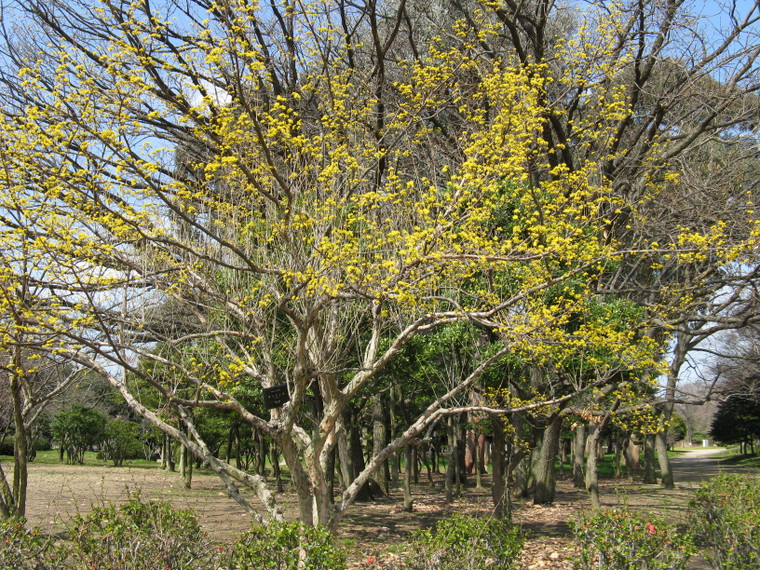
Japanese cornel (Cornus officinalis) is the golden confetti of late winter—those tiny yellow fireworks that pop before most trees have even yawned awake. It’s tough, four-season beautiful, generous with tart, ruby fruits, and surprisingly obedient on the propagation bench. If you’ve ever wanted a small grove for spring sparkle or a steady source of fruit, this masterclass breaks down every reliable way to multiply it: seeds (with that warm-then-cold puzzle solved), softwood and semi-ripe cuttings that actually root, easy-as-pie layering, and the moments when grafting is absolutely worth your time.
Meet the plant you’ll want more of
- Identity: Cornus officinalis Siebold & Zucc.; Japanese cornel, also called Japanese Cornelian cherry or Asiatic dogwood.
- Habit: Deciduous, multi-stemmed large shrub/small tree, typically 4.5–8 m tall and 3–4.5 m wide, with handsome gray-brown exfoliating bark.
- Show: Clouds of tiny, bright yellow flower clusters late winter to early spring (often Feb–Apr), glossy red olive-shaped fruits, rich fall color in reds/purples/oranges, and winter bark texture.
- Site: Full sun to partial shade (best bloom in sun; light afternoon shade in hot regions). Prefers fertile, well-drained loam or sandy loam, pH around 6.5–7.5, steady moisture but never waterlogged.
- Hardiness: USDA Zone 5–8; established plants tolerate brief dips to about 0°F (-18°C).
Why propagate it? It’s beautiful and useful, resilient when sited well, and not always common in standard nurseries—so making your own ensures you get the look, fruit, and numbers you want.
—
Seed, solved: warm + cold stratification that works
Dogwood seeds commonly show complex dormancy, and Japanese cornel is no exception. Think of it as a two-key safe: one key is warmth to “finish” the embryo, the other is cold to unlock germination.
Step 1: Clean and pre-soak
- Harvest: Collect fully red, ripe fruits in autumn.
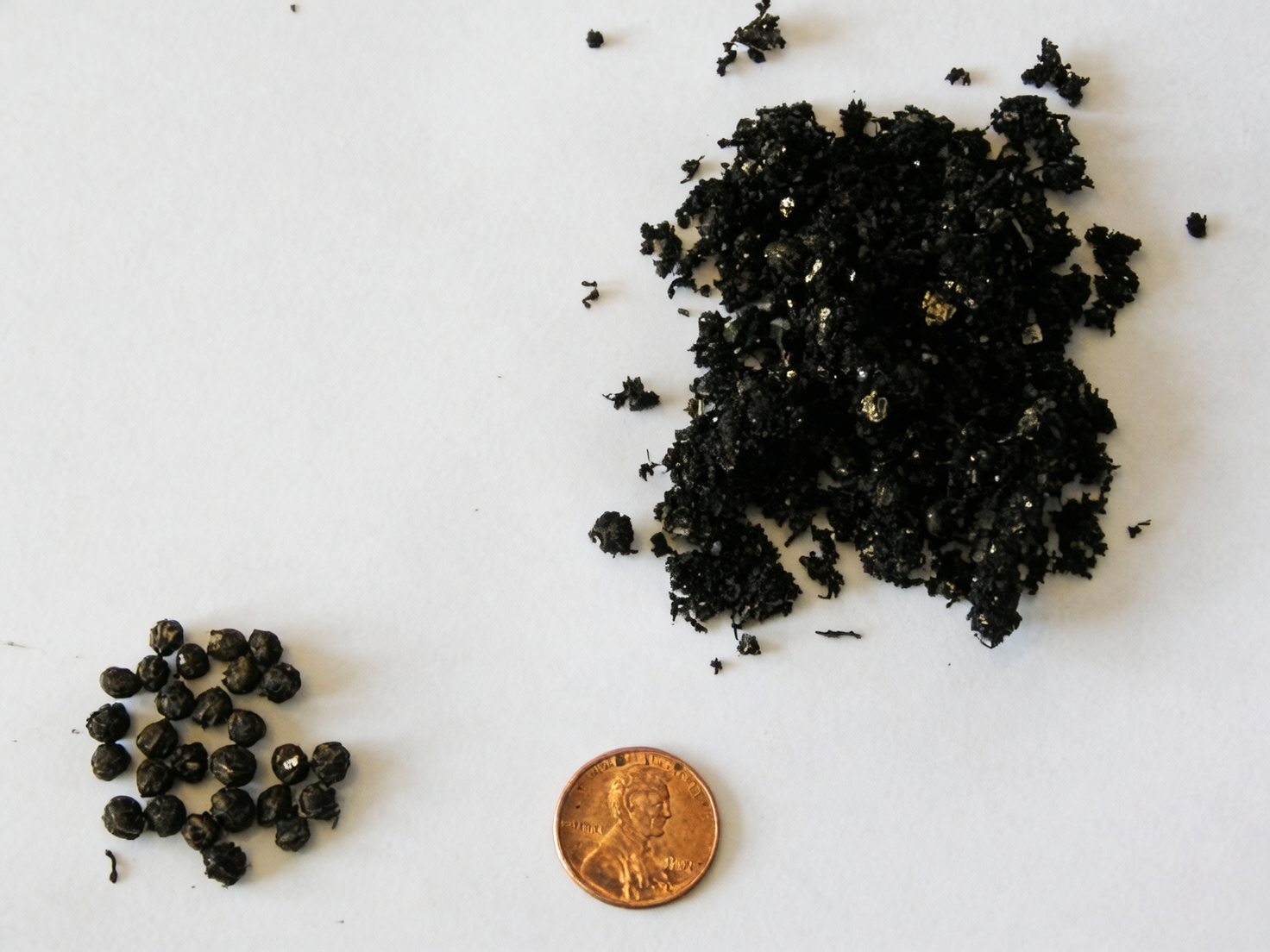
- Clean: Macerate in water and rub off pulp; discard floaters (often empty).
- Rinse and soak: Soak seeds about 24 hours in clean water.
- Optional: A quick fungicide dip helps prevent mold during long stratification.
Step 2: Choose your stratification path
Two good approaches; the first is more controlled and predictable.
1) Controlled bag-and-box method (fastest and tidy)
- Warm stratification (after-ripening): 8–12 weeks at 20–25°C (68–77°F) in a barely moist medium (1:1 peat/coir and perlite). Vent briefly weekly.
- Then cold stratification: 8–16 weeks at 3–5°C (37–41°F) in the same bag. Check monthly; remoisten lightly if needed.
- Sow and grow: After the cold period, sow 1–2 cm deep in a well-drained seed mix, keep at 21–24°C (70–75°F), and be patient—germination often follows in 13–14 weeks. Provide bright light and even moisture.
2) Outdoor fall-sow (hands-off, “nature does the work”)
- Sow cleaned seeds in a protected cold frame or nursery bed in fall.
- Mulch lightly (e.g., 1–2 cm of grit or pine fines) to buffer temperature swings.
- Expect germination in late spring of the following year; a second spring isn’t uncommon if dormancy isn’t completely satisfied the first winter. Don’t discard flats too soon—dogwood seeds can be slow.
Pro tip: Some lots will sprout after cold-only treatment (about 2–3 months at ~4°C), but warm + cold typically yields stronger, more uniform results.
Seedling care
- Light and water: Bright, indirect light; evenly moist medium without waterlogging.
- Nutrition: Light feeding once true leaves expand.
- Potting on: Prick out at 2–3 true leaves into a fertile, well-drained mix. Grow on with good light and steady moisture.
- Timeline to “plantable”: Often 12–18 months for a sturdy liner; flowering is several years out from seed.
—
Cuttings that take: softwood and semi-ripe playbook
Japanese cornel roots reliably from cuttings with the right material, timing, and humidity. Choose shoot type based on your calendar and facilities.
When to take what
- Softwood cuttings (late spring to early summer): From fresh, flexible new growth that’s firm enough to snap, not bend like a noodle.
- Semi-ripe cuttings (mid-summer): From partially matured stems (green turning tan), great for those with intermittent mist.
How to prepare perfect cuttings
- Material: 10–15 cm (4–6 in) stem tips from vigorous, non-flowering laterals. Take in the cool of morning; pre-water the stock plant the day before.
- Prep:
- Trim to 2–3 nodes; remove lower leaves and halve the upper pair to cut transpiration.
- Make a clean basal cut just below a node; lightly wound 1–2 cm of the base by scraping off a sliver of bark to expose cambium.
- Medium: 1:1 perlite and peat/coir (well-aerated, sterile).
- Environment: Intermittent mist or a tight humidity dome; bottom heat 20–24°C (68–75°F); bright shade (no direct midday sun).
Rooting hormone (IBA) guidelines
- Softwood quick-dip: 1,000–3,000 ppm IBA in alcohol/propylene glycol for 5 seconds, or 0.3% talc if you prefer powders.
- Semi-ripe: Dogwoods respond well to stronger IBA; 8,000–16,000 ppm IBA talc is commonly used under mist for 6–8 week rooting.
- Always label concentrations and keep tools clean; overapplication can burn bases.
Timelines and aftercare
- Callus: Often visible by week 2–3.
- Roots: 6–8 weeks is typical under mist; a bit longer in domes.
- Weaning: Reduce mist gradually over 10–14 days. Pot into a fertile, free-draining mix and provide bright shade.
- First winter: Overwinter frost-free or in a sheltered cold frame. Plant out after danger of hard frost.
Rooting hacks:
- Take cuttings from shoots that get morning sun but afternoon shade—carbohydrate-rich, not stressed.
- Avoid flowering shoots; they root poorly.
- A mild anti-fungal drench right after sticking can save an entire batch.
- Keep leaf area modest. You’re building roots first, not leaves.
—
Layering: the no-fail, low-tech method
Layering is beginner-friendly and very reliable for Cornus officinalis.
Simple ground layering (best in spring)
- Choose a low, flexible branch.
- Wound: On the underside where it will touch the soil, make a 1–2 cm tongue cut or shallow notch.
- Hormone: Dust the wound with IBA talc (optional, but helpful).
- Pin and cover: Peg the section down with a U-clip, cover with 5–8 cm (2–3 in) of moist, airy mix (loam + perlite), and mulch lightly.
- Keep evenly moist through the season.
- Timeline: Roots often form by autumn; sever and pot up either in late fall (mild areas) or the following spring while dormant.
Air layering (summer)
- Ring-bark a 1–1.5 cm band or make two opposing shallow cuts and lift a strip of bark.
- Apply rooting hormone to the exposed area, wrap with moist sphagnum, then plastic and foil.
- Keep evenly moist. Roots in ~6–12 weeks. Pot up and harden carefully.
—
Grafting: when it pays off (and how to do it well)
Seedlings vary. If you’re selecting for large fruit, heavy cropping, or specific ornamental traits, grafting clones those virtues, shortens the wait to production, and lets you topwork established plants.
Best times and techniques
- Late-winter whip-and-tongue (bench graft)
- Rootstocks: 1-year C. officinalis seedlings, 6–12 mm (¼–½ in) caliper.
- Scions: Fully dormant, pencil-thick wood collected mid-winter and kept cold.
- Callus: Heal at 18–24°C (65–75°F) for 2–3 weeks with high humidity; then pot and grow in bright shade.
- Summer T-budding or chip budding (late July–August)
- Works when bark “slips.” Wrap firmly; cut back the stock above the bud the following spring to force it.
Tools you’ll want:
- Grafting knife or fine pruning knife, alcohol wipes, parafilm or buddy tape, rubber grafting bands, labels. Keep cuts surgically clean.
Aftercare essentials:
- Shade new grafts for 2–4 weeks.
- Remove shoots below the union promptly.
- Stake if needed; remove ties before they girdle.
- Pinch off flowers the first year to push vegetative growth.
When not to graft:
- If you don’t need clonal uniformity or faster fruiting, layering or cuttings are simpler.
- Avoid interspecific grafting unless you’re prepared for compatibility trials; stick to C. officinalis on C. officinalis rootstocks for predictable success.
—
A season-by-season propagation calendar (USDA 5–8)
- Late winter
- Bench graft dormant scions to seedling rootstocks; callus warm.
- Spring
- Start warm stratification (if not begun earlier) or sow fall-stratified seed.
- Simple ground layering as shoots elongate.
- Take early softwood cuttings as new wood firms.
- Early to mid-summer
- Prime window for semi-ripe cuttings under mist; expect 6–8 weeks to root.
- Air-layer maturing shoots if desired.
- Late summer
- T-bud/chip bud when bark slips.
- Autumn
- Harvest ripe fruits; clean seed and start stratification cycle.
- Check ground layers; sever rooted ones or wait until spring.
- Winter
- Overwinter young liners in sheltered cold frames; minimal water, excellent drainage.
—
Troubleshooting quick-guide
- Seeds mold in stratification: Medium is too wet or ventilation too low. Wring medium to “just damp,” and open bags weekly for air exchange.
- No germination the first spring: Don’t panic; dogwood seeds often need a second warm-cold cycle. Keep flats for another year.
- Cuttings collapse or blacken: Over-misting, low oxygen, or fungus. Increase aeration, use a coarser medium, apply a preventative fungicide, and ensure bottom heat is steady.
- Roots form but growth stalls after potting: Overpotting or heavy media. Step up one size only, use a light, well-drained mix, and avoid over-fertilizing.
—
Raise them right: site and early care
- Light: Full sun to partial shade; afternoon shade helps in hot-summer regions.
- Soil: Fertile, well-drained loam or sandy loam, pH about 6.5–7.5.
- Water: Keep evenly moist while establishing; then deep, infrequent watering. If the top ~2.5 cm (1 in) is dry, water.
- Feeding: Light, balanced fertilizer during active growth; avoid pushing soft, sappy shoots.
- Pruning: Right after flowering so you don’t cut off next year’s buds; remove dead, diseased, or crossing wood first.
Pests and problems are uncommon when drainage and airflow are good. Watch for scale or occasional leaf spots; tidy suckers at the base if they appear.
—
Culture, meaning, and a small conservation note
- Symbolism: In East Asian contexts, Japanese cornel often symbolizes longevity, health, and prosperity—apt for a plant that wakes the garden so early and bears long-valued fruit.
- About “flower language” (花语): Western floriography (the Victorian “language of flowers”) and East Asian symbolic associations aren’t scientific, but cultural stories we attach to plants. For Cornus officinalis, the early golden bloom and long use of its fruit in traditional preparations feed the themes of vitality and well-being.
- Conservation: It has been reported as Near Threatened in some assessments. Gardeners who propagate and share regionally adapted plants—without wild collecting—help keep this heritage species visible and valued.
—
At-a-glance propagation toolbox
- Clean secateurs, fine grafting knife
- Alcohol wipes; fungicide for cuttings/seed
- IBA rooting hormone: 1,000–3,000 ppm (softwood), 8,000–16,000 ppm talc (semi-ripe)
- Perlite, peat/coir; sharp sand for layering beds
- Intermittent mist or tight humidity domes; bottom heat mat (20–24°C)
- Sphagnum moss, plastic, foil for air layers
- Parafilm/budding rubbers for grafting; labels and a pencil that won’t fade
With the dormancy puzzle cracked, a rooting bench dialed in, and a bit of patience, Cornus officinalis rewards you richly—golden February fireworks, glossy red fruits, and a bark show that carries the garden through winter. Multiply it once, and you’ll wonder why you ever stopped at one.