

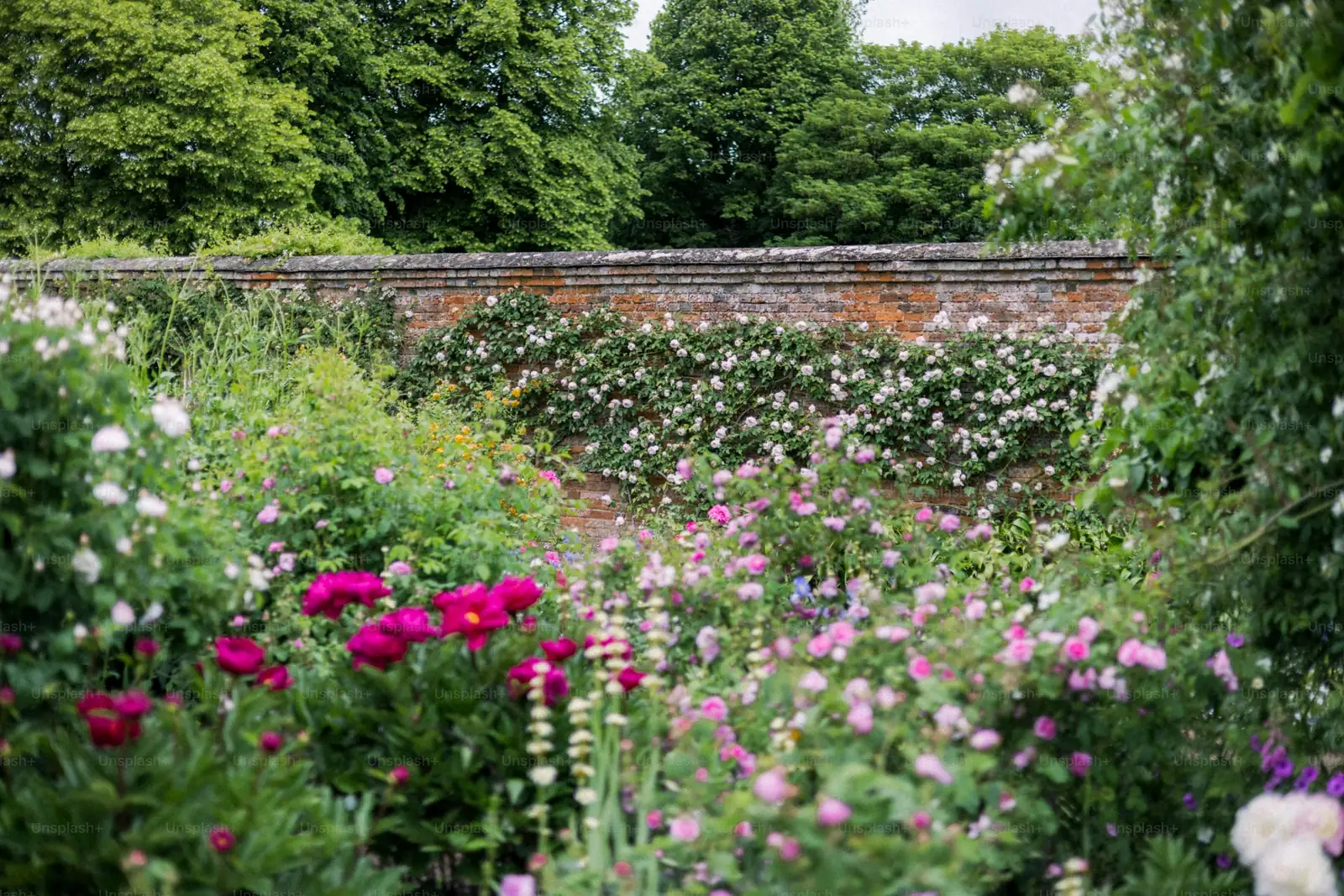
Picture a confetti factory disguised as a plant: that’s Phlox drummondii—Annual Phlox—throwing out tight clusters of starry blooms in joyful shades from white and pink to smoldering reds, purples, oranges, and playful bicolors with a central “eye.” If you’ve ever wanted a plush, blooming mound that bees and butterflies can’t resist, this is your easygoing annual. And if you love the thrill of propagation, Annual Phlox is a masterclass in light-dependent germination and smart timing—plus an excellent candidate for summer cuttings that extend the show.
Why grow Annual Phlox (Phlox drummondii)?
- Native to Texas, USA; a sun-lover that thrives in warmth
- Compact, upright clumps roughly 15–60 cm tall depending on variety
- Mid-spring to mid-summer bloom (often longer with deadheading)
- Magnets for bees, butterflies, and even hummingbirds
- Cottage-garden classic for beds, borders, rock gardens, and containers
Seed starting, demystified: light makes the difference
Annual Phlox seeds are classic “light germinators.” Give them light, gentle warmth, and steady moisture—and they’ll respond with enthusiastic, even germination.
Timing
- Start seeds indoors 6–8 weeks before your average last frost date.
- Transplant outdoors only after frost danger has passed; plants are not frost-hardy and get stressed below about 5°C (41°F).
Setup
- Use a sterile, well-drained seed-starting mix in clean trays or cell packs.
- Pre-moisten the mix so it’s evenly damp—not soggy.
Sowing (do not bury!)
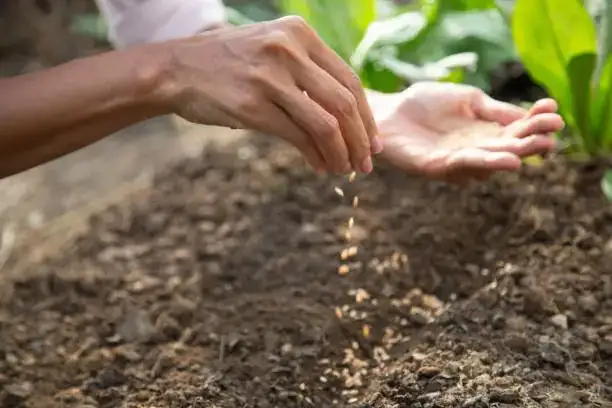
- Surface-sow seeds and press lightly so they make full contact with the mix.
- Do not cover; they need light to germinate.
- Optional: dust with the thinnest veil of fine vermiculite to help hold moisture while allowing light through.
Temperature and light
- Ideal germination temperature: 15–20°C (59–68°F).
- Provide bright light immediately after sowing. Grow lights set 10–15 cm (4–6 in) above trays help keep seedlings compact and sturdy.
Moisture and airflow
- Keep evenly moist. A clear humidity dome helps at first; vent daily and remove once most seeds sprout to prevent damping-off.
- Water from the bottom (or gently at the soil surface) to keep foliage dry.
Germination window
- Expect sprouting within about 1–3 weeks. Variability is normal—don’t give up too soon.
Common pitfalls to avoid
- Burying seeds (starves them of light)
- Letting the mix swing from dry to sopping wet
- Overheating (above the ideal range can slow or stall germination)
- Poor airflow (invites fungal trouble)
Pricking out and growing on: from threadlings to sturdy starts
Once seedlings have their first true leaves, it’s time to give them elbow room.
- Tease out gently with a dibber or plant label—handle by the leaves, not the stems.
- Pot individually into small cells or 7–9 cm (3–3.5 in) pots with a fresh, well-drained mix.
- Grow on in bright light at slightly cooler conditions—around the low-to-mid teens Celsius (about 14–16°C) keeps growth compact and roots busy.
- Begin light feeding once they’re actively growing: a balanced fertilizer at half-strength is plenty.
Pro tip: Add a small fan for gentle air movement. It strengthens stems and discourages mildew right from the start.
Hardening off and transplanting: the smooth handoff
Annual Phlox loves sun (6–8 hours daily for abundant bloom), but it appreciates a proper introduction to the outdoors.
Hardening off (5–7 days)
- Start in bright shade, then step plants into longer spells of sun each day.
- Shelter from wind at first. Avoid setting out if nights dip near 5°C (41°F).
Soil and site
- Choose well-drained, fertile soil enriched with compost; pH roughly 6.0–8.0 (neutral to slightly alkaline is fine).
- Full sun is best for flower power; in very hot summers, a touch of afternoon shade keeps plants fresh.
Spacing for airflow (mildew prevention)
- Space 45–60 cm (18–24 in) apart. It feels generous—but that’s the point.
- Good spacing is your top defense against powdery mildew.
Watering and mulch
- Aim for about 2.5 cm (1 in) of water per week from rain/irrigation.
- Water at the base to keep foliage dry.
- A light mulch helps even out moisture, especially in containers.
Pinching for plush mounds (and a longer show)
Pinching turns a nice plant into a cushion of color.
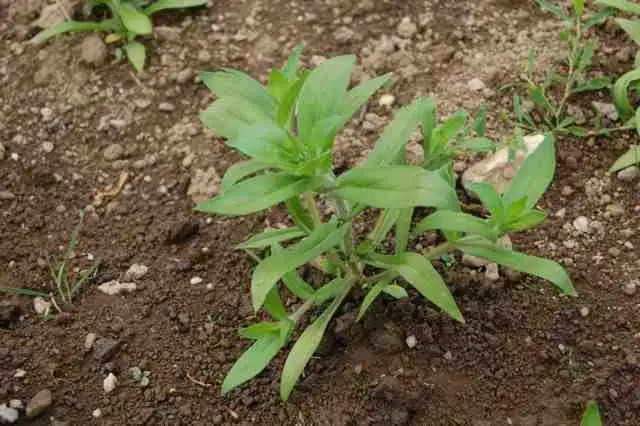
- First pinch: When plants reach 10–15 cm (4–6 in) tall, nip out the tip above a leaf node. This triggers branching and more flower heads.
- Mid-season refresh: If stems get leggy in early summer, cut back by about one-third to one-half. Plants rebound with dense new growth and fresh blooms.
- Deadhead regularly to keep flowers coming from mid-spring into mid-summer (and often beyond with consistent care).
Feeding for flowers
- Mix compost into the bed before planting.
- Early season: a balanced fertilizer can encourage bushy growth.
- Once buds form: switch to a bloom-forward formula higher in phosphorus and potassium.
- Avoid heavy nitrogen late in the season (it favors leaves over flowers).
Bonus round: summer cuttings for a second wave
Why stop at seedlings? Softwood cuttings in early to mid-summer give you a free encore.
When and what to cut
- Timing: June–July is prime.
- Choose healthy, non-flowering shoots.
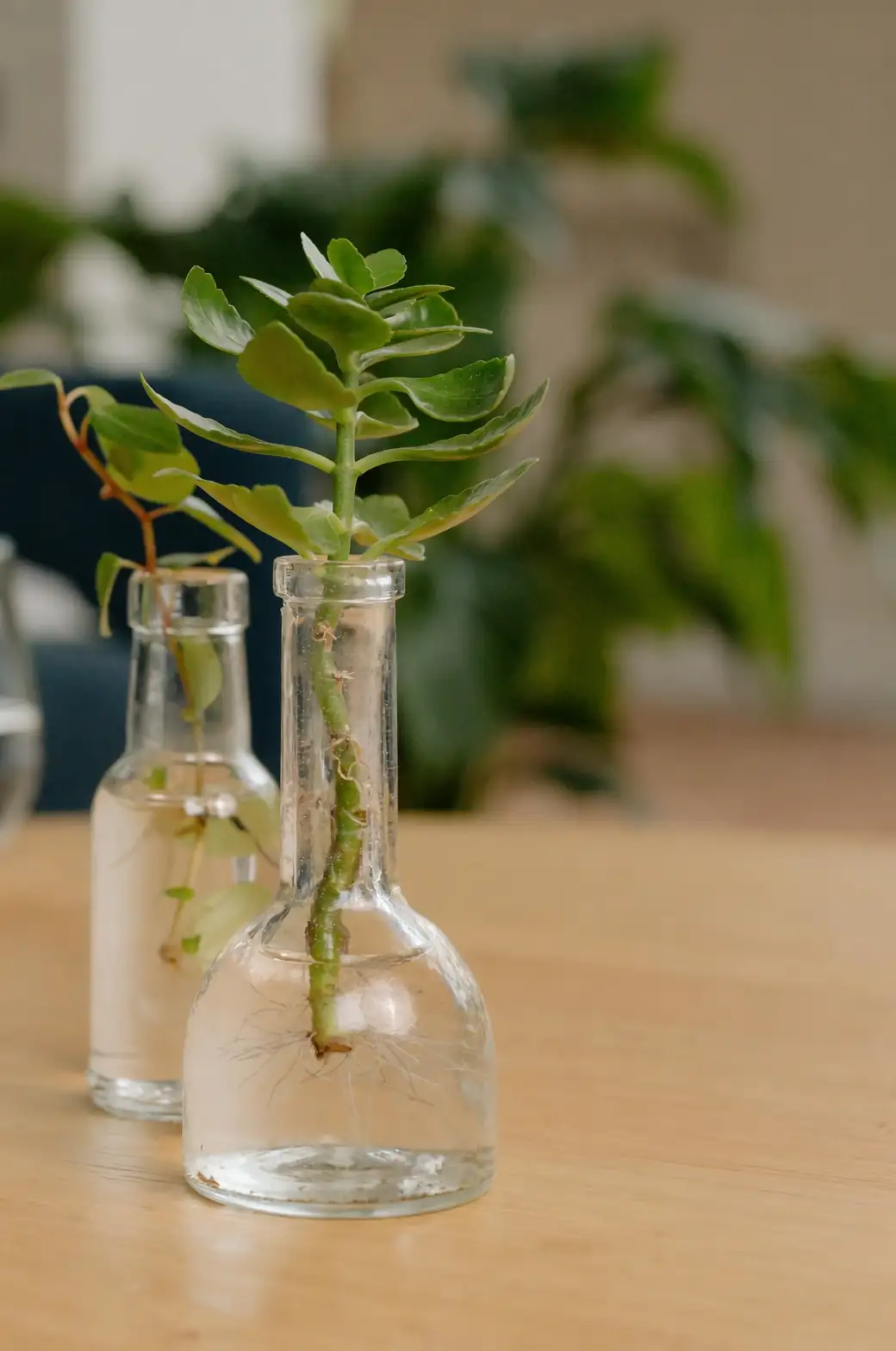
- Take 7–10 cm (3–4 in) tip cuttings; snip just below a node.
Prep and rooting
- Strip lower leaves; keep a small tuft at the top.
- Optional: dip the cut end in rooting hormone.
- Insert into a very free-draining medium (e.g., 50:50 perlite and seed mix).
- Provide bright, indirect light and warm conditions around 18–22°C (65–72°F).
- Maintain high humidity with a clear cover; vent daily for fresh air.
- Rooting often takes 2–3 weeks. Pot on gently and pinch tips to encourage branching.
Result: sturdy, compact plants that can flower for late-summer color—especially useful if early plantings tire in heat.
Airflow and health: outmaneuvering powdery mildew
Powdery mildew is the one cloud that can drift over Annual Phlox. Keep it at bay with cultural smarts.
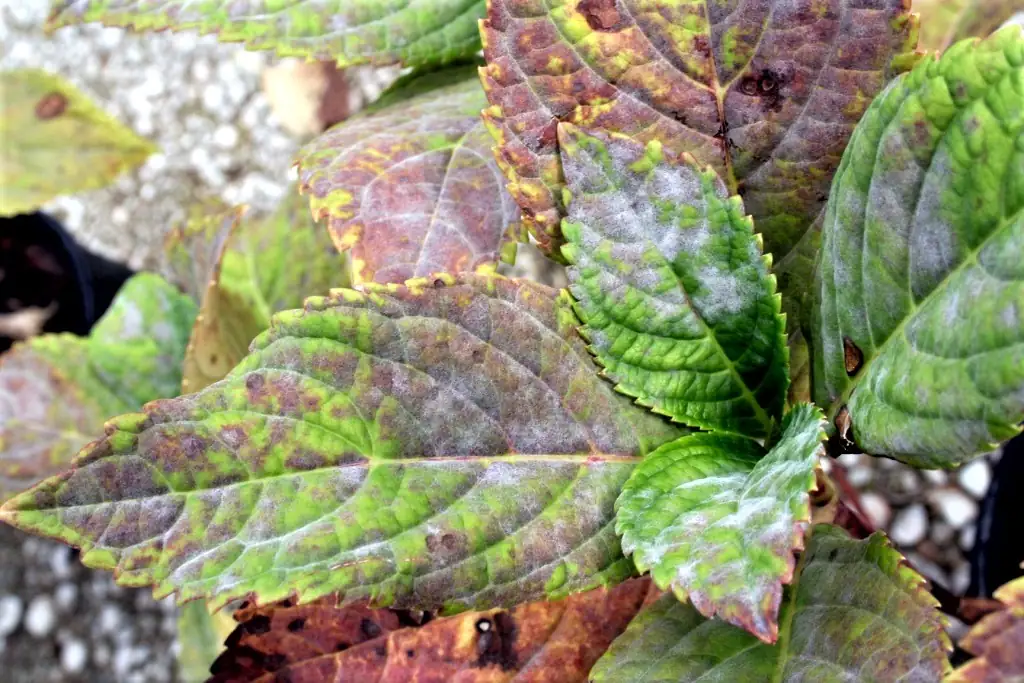
- Space generously (45–60 cm) and avoid crowding in containers.
- Water at the soil line; avoid wetting leaves late in the day.
- Keep air moving—prune out congested stems and weed around plants.
- Remove and discard any heavily infected foliage.
- If needed, use a labeled fungicide (sulfur-based options are common) on a 7–10 day schedule.
- Watch for aphids, spider mites, and leaf miners; insecticidal soap and steady, non-stressful care usually handle them.
Quick seasonal game plan
- Late winter–early spring: Sow indoors 6–8 weeks before last frost at 15–20°C; surface-sow for light germination.
- After last frost: Harden off; plant out in full sun; space 45–60 cm; pinch once established.
- Early–midsummer: Deadhead; consider a light cutback if leggy; take softwood cuttings in June–July for a second wave.
- Peak heat: Offer a bit of afternoon shade in the hottest climates; keep moisture steady and air circulating.
- Fall: Clear away spent plants and any diseased foliage; plan next year’s palette.
A note on “flower language”
The very name “phlox” comes from the Greek for “flame,” reflecting the plant’s incandescent colors. In Victorian floriography—the era’s playful code of blooms—phlox often symbolized harmony and unity (“we think alike”), with color layers sometimes assigned: pink for affection, white for purity, purple for wisdom, red for passion. Treat these meanings as cultural poetry, not botany; they won’t change how your plants grow, but they can add a sweet, human note to a bouquet.
Parting tips for a cloudburst of color
- Sun and drainage first; generous spacing second.
- Surface-sow and keep seeds at 15–20°C with bright light.
- Pinch early for plush mounds; deadhead to extend bloom.
- Try summer cuttings—you’ll feel like a propagation wizard and your beds will thank you.
With these propagation moves, Phlox drummondii becomes more than a purchase—it’s a project you’ll look forward to restarting each spring, then doubling down on mid-summer for an encore of starry color.


