
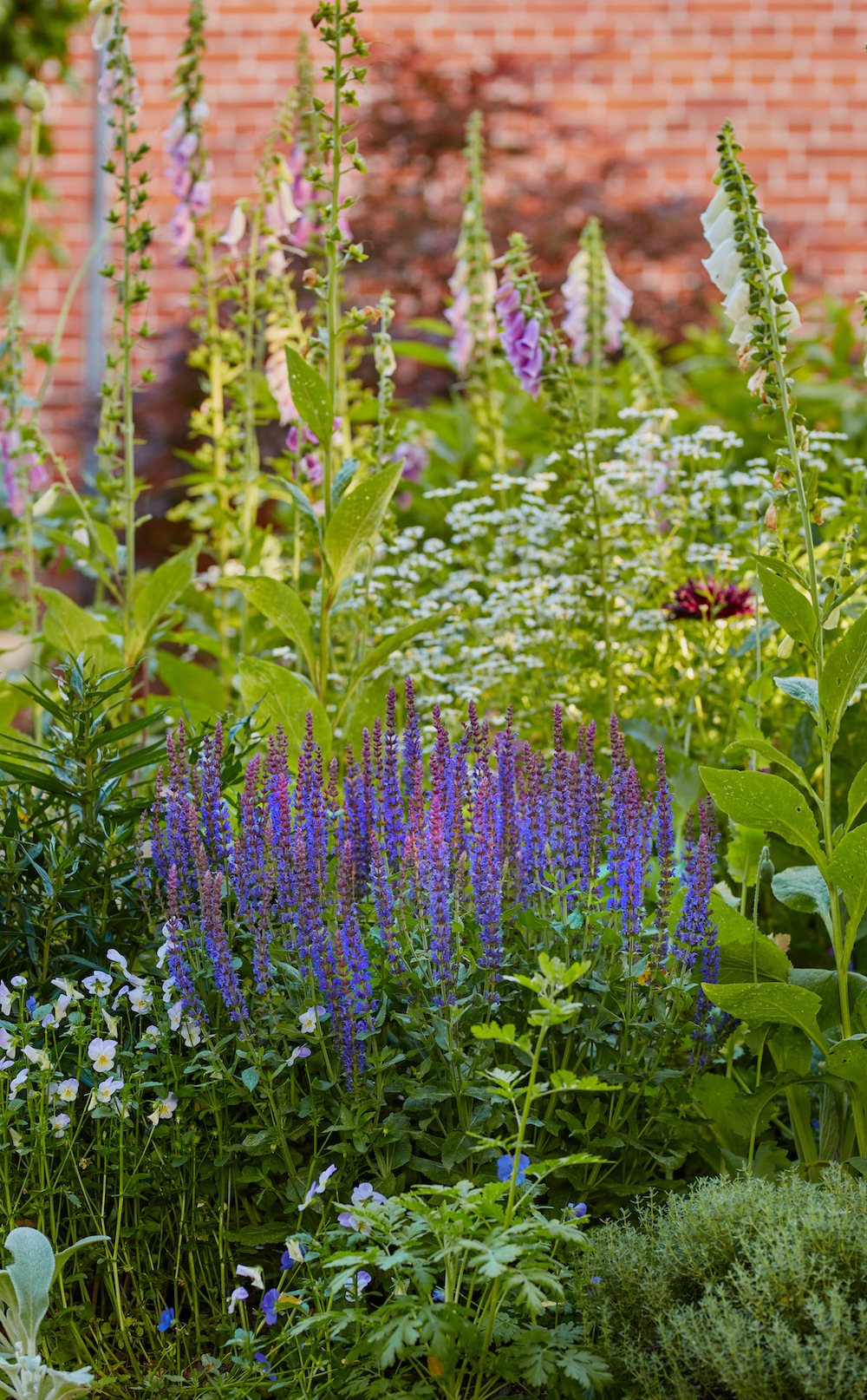
If you’ve ever fallen for those stately, candle-like spires of color in a cottage border, you’ve likely met Lupinus polyphyllus—the bigleaf or Russell-type garden lupine. Here’s your propagation masterclass: how to wake stubborn seeds, when to nab perfectly-timed basal cuttings, how to divide without heartbreak (yes, there’s a taproot), and why seed from those sumptuous Russell Hybrids almost never repeats the show.
H2: Meet Lupinus polyphyllus (briefly, before we multiply it)
- Origin: Western North America, especially the Pacific Northwest; now a beloved garden plant worldwide.
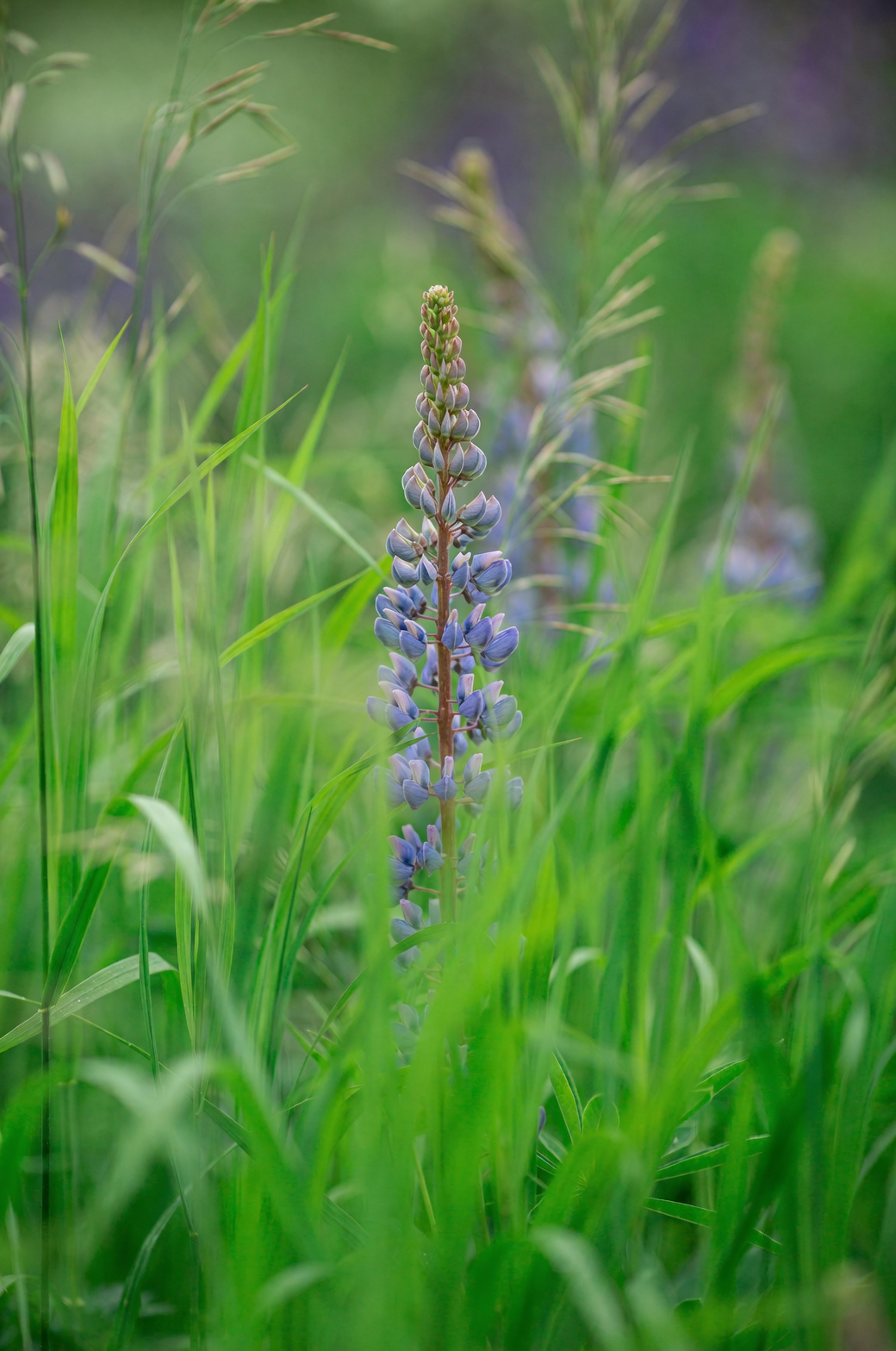
- Habit: Herbaceous perennial with a pronounced taproot, lush palmate leaves, and upright flower spikes in a brilliant spectrum of blues, purples, pinks, reds, whites, and bicolors.
- Size: Usually 60–120 cm tall and 30–60 cm wide; spikes can top out near 150 cm in great conditions.
- Bloom: Spring to early summer; a smaller second flush is possible if you deadhead early.
- Best setting: Cool-summer climates, lean well-drained soil, full sun (with light afternoon shade in hotter regions). USDA Zones 4–8.
H2: Propagating from seed: scarify or soak, then sow with confidence
Lupine seeds wear armor—a hard coat that resists water. Your job is to let moisture in.
H3: Break dormancy: two effective options
- Scarify: Lightly nick the seed coat with a sharp blade or rub seeds between two sheets of fine sandpaper until you just breach the surface. Don’t crush the seed.
- Soak: Place seeds in warm water for 24–48 hours. Change the water once if it cools or clouds. Hydrated seeds swell slightly.
Either method dramatically improves germination.
H3: When to sow
- Autumn (outdoors): Direct-sow in fall (often October). Winter provides natural conditioning and excellent spring emergence.
- Early spring: Direct-sow as soon as soil is workable.
- Indoor starts (optional): If you prefer transplants, start seeds a few weeks before your last frost in deep cells or root-trainers. Lupines resent root disturbance, so use deep modules or biodegradable pots and plant out promptly before they become pot-bound.
H3: How to sow
- Depth: Cover seed about 2–3 cm (0.8–1.2 in).
- Spacing: Thin or plant to 30–40 cm (12–16 in) apart.
- Moisture: Keep evenly moist—never waterlogged—until established. Good drainage is non-negotiable.
- Germination: Commonly around 3 weeks.
Pro tip: If you’re in a region with erratic winters, fall sowing doubles as gentle cold-moist conditioning. Some growers mimic this indoors, but fall sowing is the simplest path.
H3: Transplanting seedlings without tantrums
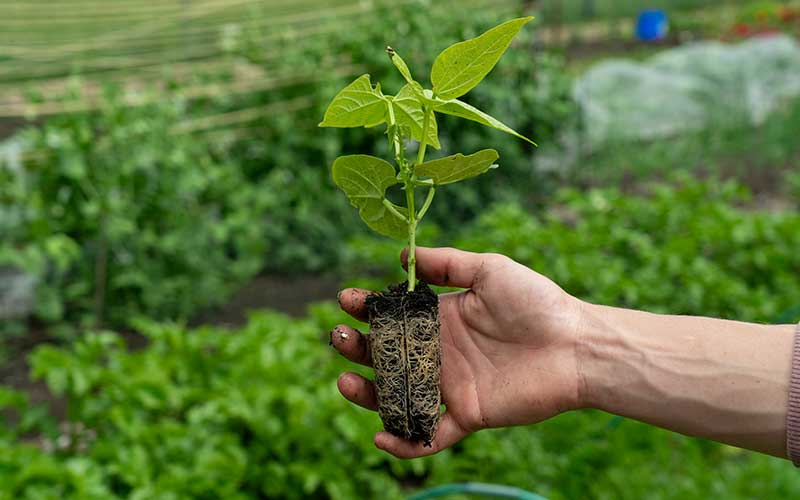
- Move them young, with deep, intact plugs. The taproot forms early.
- Slide the entire plug out; avoid teasing roots.
- Set in a well-drained, slightly acidic soil (roughly pH 5.5–6.5). Water in to settle but don’t saturate.
H2: Basal cuttings: the cloner’s path to perfect Russell-types
Want an exact copy of a favorite color blend or bicolor spike? Seeds won’t guarantee it—cuttings will.
H3: Timing is everything
- Window: Early spring, just as fresh shoots rise from the crown and before any flower buds form.
- Ideal shoot size: About 5–10 cm (2–4 in) tall, sturdy, and not yet hollow or pithy.
H3: Step-by-step basal cuttings
- Prep: Fill pots or a propagation tray with a sharply draining, low-nitrogen medium (e.g., 50–70% perlite with peat/coir, or gritty mix). Sterilize your knife.
- Take the cutting: Gently part the foliage, then slice or lever a young shoot from the plant, aiming to include a thin sliver (“heel”) of crown tissue. That heel is your rooting gold.
- Trim: Reduce large leaf area by half to limit wilt.
- Hormone: Dip the heel lightly in a rooting hormone (optional but helpful).
- Insert: Set into pre-made holes in the medium so the heel is buried and the stem is supported. Firm gently.
- Environment: Bright light but no harsh sun, steady moisture without drenching, and good air movement to fend off mildew. Bottom warmth around cool-room temperatures can help, but avoid heat stress.
- Rooting and potting on: Expect rooting in several weeks. Pot each rooted cutting into a deep container to accommodate the taproot and keep drainage excellent.
Aftercare: Harden off gradually. Plant out into lean, well-drained soil, and keep evenly moist while they establish.
H2: Division: possible, but handle with kid gloves
Lupines grow a dominant taproot with relatively modest fibrous roots—divide only when you must, and expect a slower recovery than fibrous-rooted perennials.
H3: Best moments to divide
- After flowering as growth eases, or
- Early spring as new growth begins.
Either way, have the planting holes ready so divisions never sit and dry.
H3: How to divide without disaster

- Dig wide and deep to lift the entire root mass with minimal breakage.
- Look for natural offsets along the crown; avoid slicing through the main taproot if you can.
- Each division must carry a firm piece of crown with buds and a healthy share of fine roots.
- Replant immediately at the same depth into free-draining soil; water once to settle.
- Provide light shade and wind protection for a couple of weeks. Even with care, some divisions may sulk.
If your aim is to preserve a precise flower, basal cuttings are usually more reliable than division.
H2: Why Russell Hybrids rarely come true from seed
The rainbow “Russell” look traces back to early 20th-century breeder George Russell, who selected dazzling color forms from L. polyphyllus and related lines. Those plants are genetically diverse and freely cross-pollinated by bees. Seedlings reshuffle the genetic deck—colors and patterns segregate—so:
- You may get surprises (often beautiful, but not identical).
- Bicolors and specific shades are less predictable.
- To replicate a particular plant, propagate vegetatively (basal cuttings), not by seed.
H2: Troubleshooting your propagation
- Seeds won’t sprout: Ensure you scarified or soaked. Keep the sowing depth at 2–3 cm and the medium evenly moist. Avoid cold, waterlogged soil.
- Damping-off in trays: Improve drainage, thin seedlings for airflow, water early in the day, and keep surfaces clean.
- Cuttings collapsing: Reduce leaf area, firm the medium, stop over-misting, and increase ventilation. Avoid heat and stagnant, humid air—powdery mildew loves that.
- Aphids on soft growth: A strong water jet first, then insecticidal soap or horticultural oil if needed. Check undersides of leaves and tender spikes.
H2: A quick propagation calendar
- Jan–Mar: Keep stored seed cool and dry. Avoid saturating overwintering plants or pots.
- Apr–Jun: Peak season for basal cuttings; sow or plant out spring-started seedlings; maintain steady moisture; deadhead spent spikes for a smaller second bloom.
- Jul–Aug: Growth slows in heat. Keep consistent moisture, avoid rich feeding, and provide afternoon shade where summers run hot.
- Sep: Consider careful division after flowering if necessary; refresh container mixes if you’re growing in pots.
- Oct–Dec: Prime time for direct autumn sowing. Ensure excellent drainage and apply a light mulch in colder regions.
H2: Growing on: set your new plants up for long, floriferous lives
- Light: Full sun for best bloom in cool-summer climates; give light afternoon shade in warmer regions.
- Soil: Well-drained, sandy or loamy, slightly acidic (about pH 5.5–6.5). Avoid heavy clay unless amended.
- Water: Evenly moist during active growth; never soggy. In containers, expect to water more often as temperatures rise.
- Feeding: Go easy—lupines partner with soil microbes to fix nitrogen. If growth is weak, use only light, balanced feeding and avoid high-nitrogen fertilizers. For potted plants, light, low-N feeds during active growth can help.
- Disturbance: Minimize it. The taproot dislikes being cramped or moved once established. Plant where they can stay.
- Spikes for the vase: Harvest when roughly half the florets are open for best longevity.
H2: Safety, sourcing, and smart choices
- Toxicity: All parts—especially seeds—are toxic if ingested. Keep away from children, pets, and livestock.
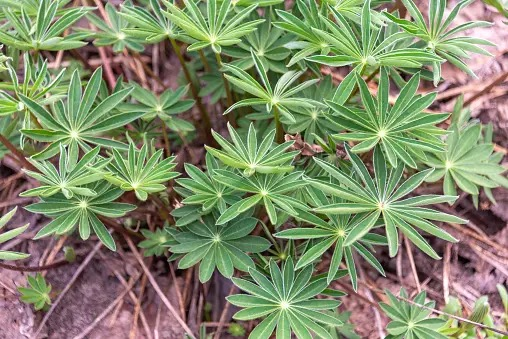
- Buying plants: Choose sturdy, symmetrical rosettes with clean foliage. Avoid pot-bound stock; lupines hate cramped roots.
- Containers: Use deep pots to accommodate the taproot and prioritize drainage.
H2: A note of lore: why “lupine” and what it symbolizes
The name comes from lupus—Latin for “wolf”—a nod to an old myth that lupines “robbed” the soil. In reality they enrich it over time through nitrogen fixation. In flower language, lupines are linked with imagination and creative exuberance—fitting for a plant that paints borders with vertical rainbows. Some traditions also wink at themes of appetite or greed, a reminder that symbolism reflects human stories as much as botany.
H2: The takeaway
- For numbers: sow seed after scarifying or soaking, at 2–3 cm deep; direct in autumn or early spring for the least fuss.
- For clones: take basal cuttings in early spring from fresh, non-flowering shoots with a sliver of crown.
- For divisions: possible, but proceed gently and only when necessary—the taproot rules here.
- For precise color repeats: don’t gamble on Russell-type seed; grow them vegetatively.
Master these three routes—seed, cuttings, careful division—and your garden can be awash in lupine spires for years, reliably, beautifully, and on your terms.