

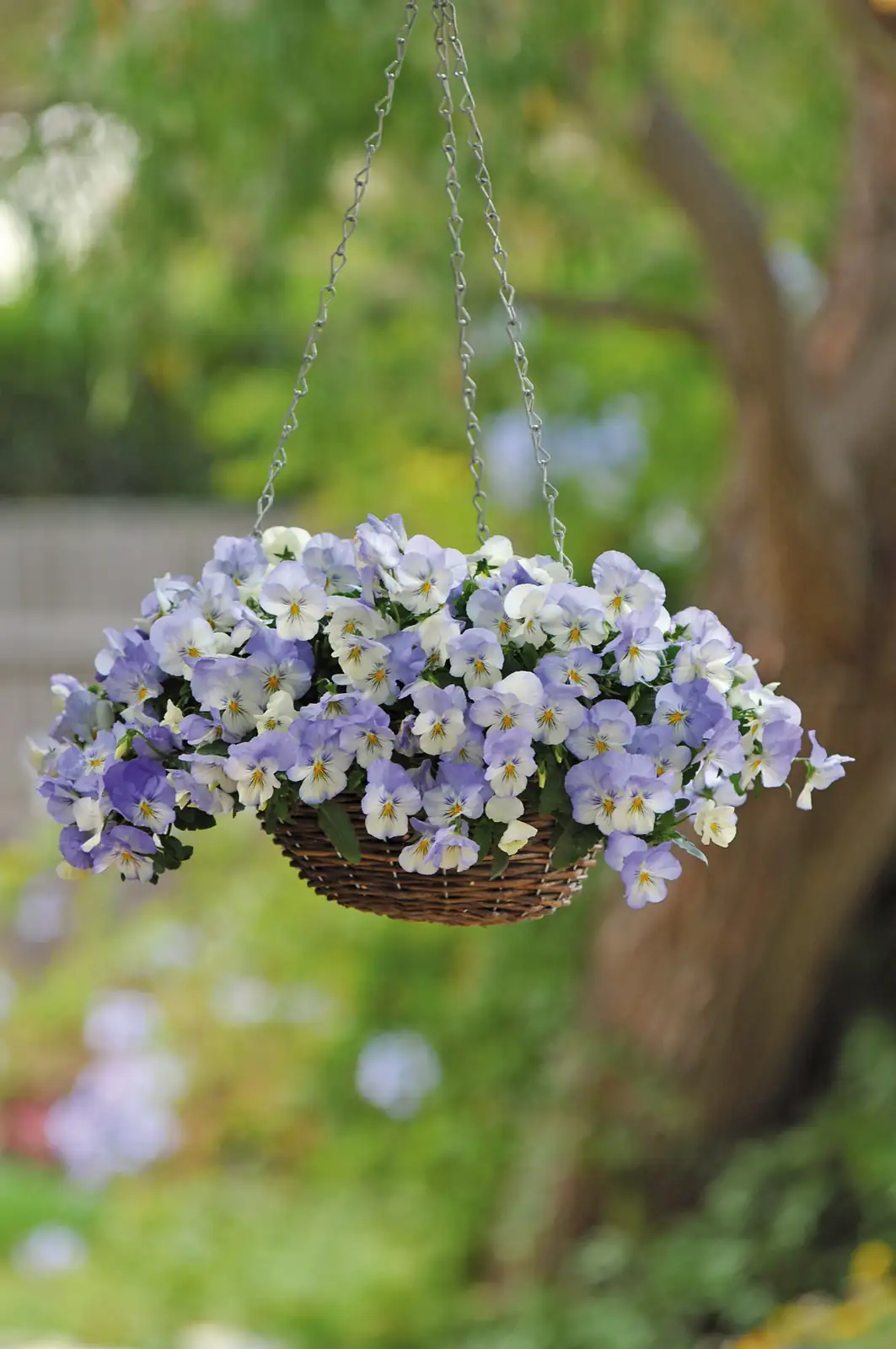
If there’s a flower that knows how to steal the spotlight while the rest of the garden naps, it’s the pansy. Viola × wittrockiana glows in cool weather, smiles through light frosts, and rewards precise growers with a parade of velvety “faces.” Here’s your pro-grade, seed-to-bloom playbook—cool, dark germination, crisp transplant timing, softwood cuttings you can actually root, and a week-by-week schedule to your first flowers.
Meet Viola × wittrockiana (Garden Pansy)
- Identity: A modern hybrid in the violet family (Violaceae), bred from several Viola species including the wild star Viola tricolor.
- Habit: Compact, mounded clumps typically 15–25 cm tall and 15–30 cm wide.
- Flowers: 4–6.5 cm across, often with that iconic face-like blotch; colors from moody purples and blues to citrusy yellows and whites.
- Season: A cool-season champion—blooming in spring to early summer and again in fall; often through mild winters.
The Pro Seed-to-Bloom Playbook
Start cool and in the dark (this is non-negotiable)
Pansy seed is light-sensitive. Darkness plus cool temperatures flips the germination switch.
- Temperature sweet spot: 13–16°C (55–61°F).
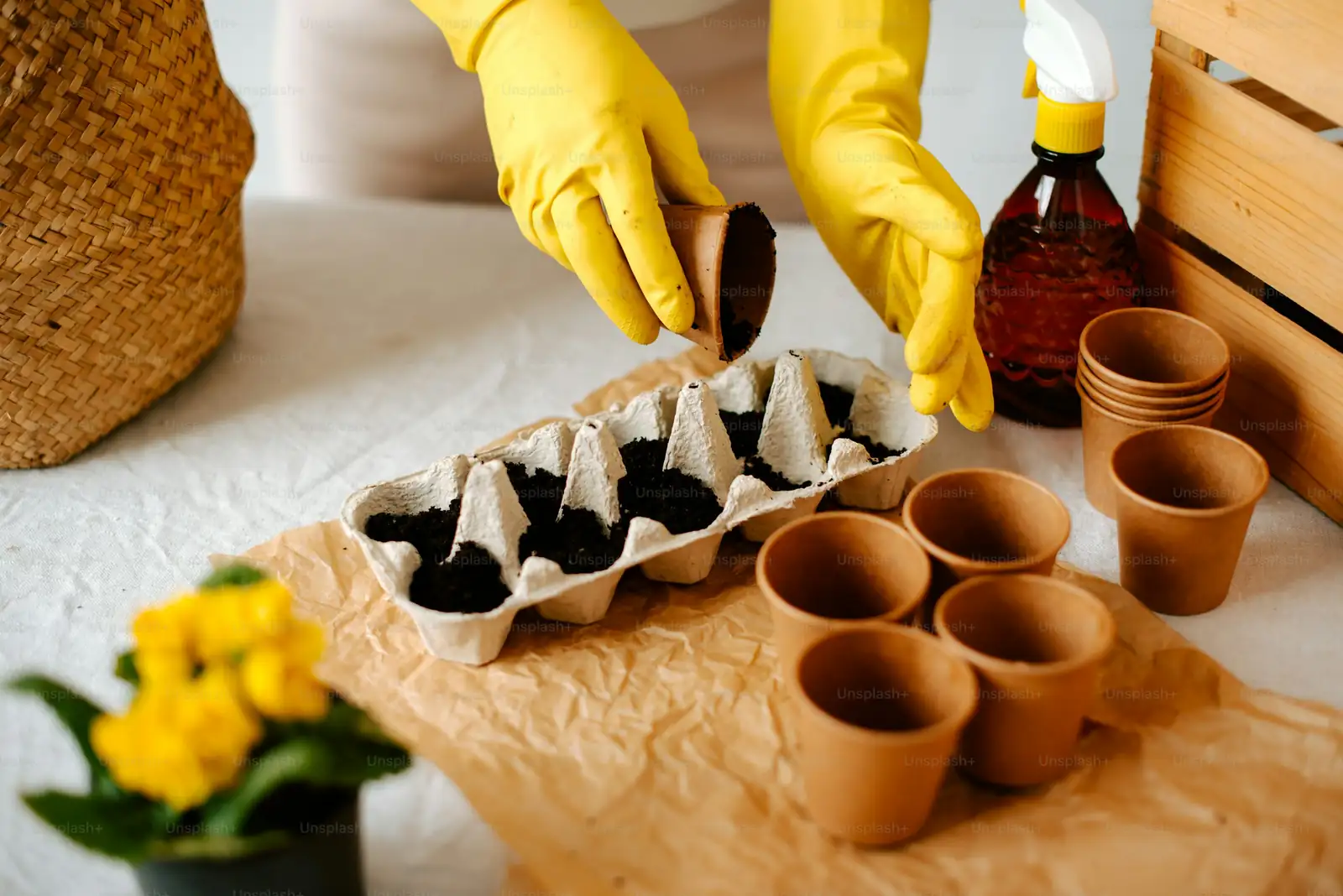
- Darkness methods:
- Use opaque humidity domes or slip trays into a light-proof cover.
- Cover freshly sown seed with a fine 2–3 mm layer of vermiculite or sifted mix to exclude light while keeping the surface aerated.
- Sowing details:
- Use a sterile, peat-based or sandy/loamy seed mix with excellent drainage.
- Surface-sow, then lightly cover (don’t bury deeply).
- Bottom-water so the surface stays just moist, never sodden.
- Aim for steady moisture and gentle airflow (no direct drafts).
- Timeline cue: Expect sprouting in roughly 10–14 days; around 2 weeks is common in ideal conditions.
Pro tip: Skip heat mats unless your space dips below the target range—too much warmth slows or skews pansy germination.
The first light: keep it bright and cool
Once you see green, remove light blocks immediately.
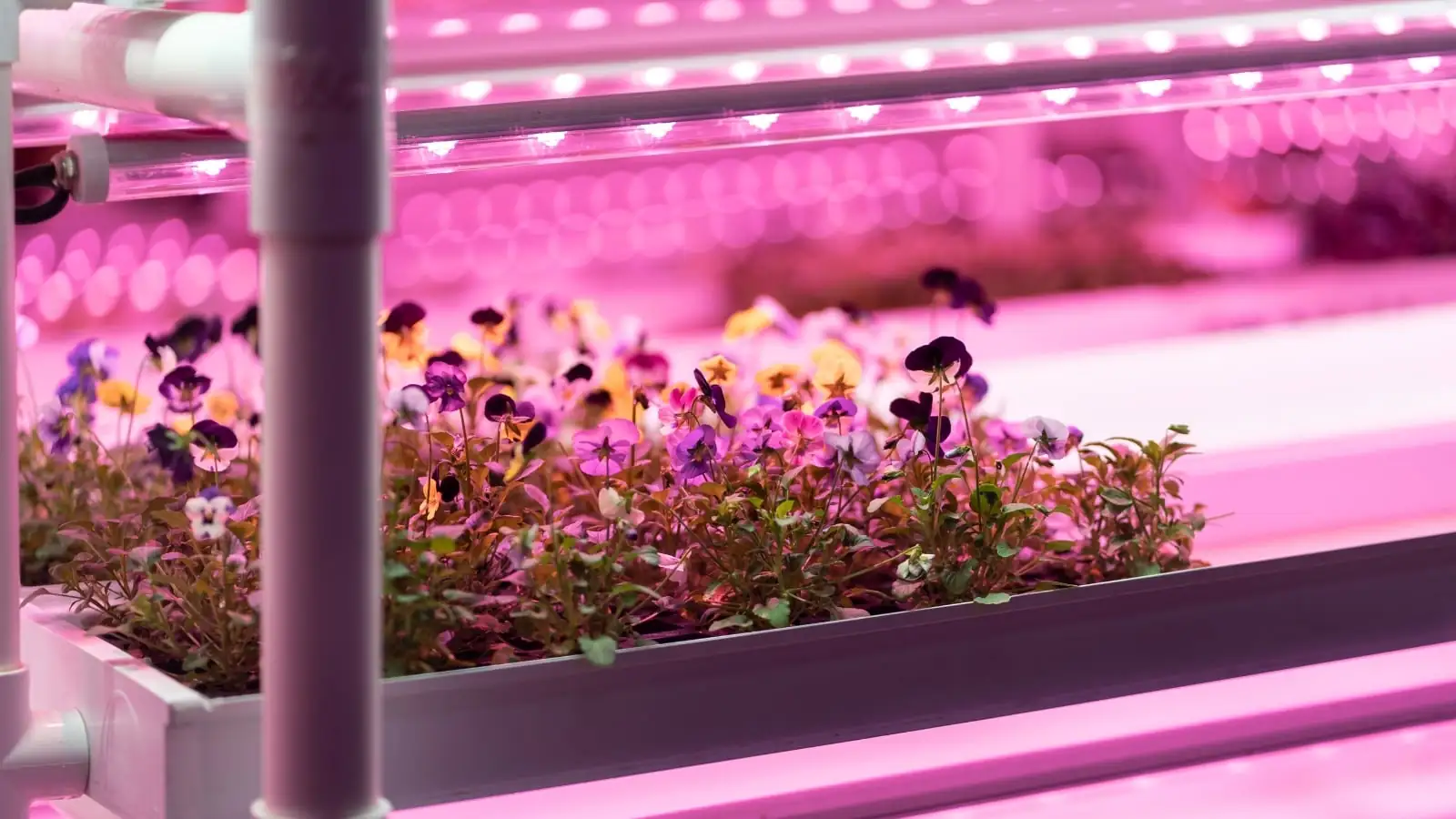
- Light: Strong, indirect to bright light; 12–14 hours under grow lights if indoors.
- Temperature: Keep it cool—about 10–15°C (50–59°F) for tight, stocky growth.
- Watering: Continue bottom-watering; never let seedlings sit in water. Aim for evenly moist, not wet.
- Feeding: Begin at first true leaves with a gentle, balanced feed at 1/4–1/2 strength.
Time your first pot-up (pricking out)
Move seedlings at 2–3 true leaves—this hits the sweet spot between fragile and root-bound.
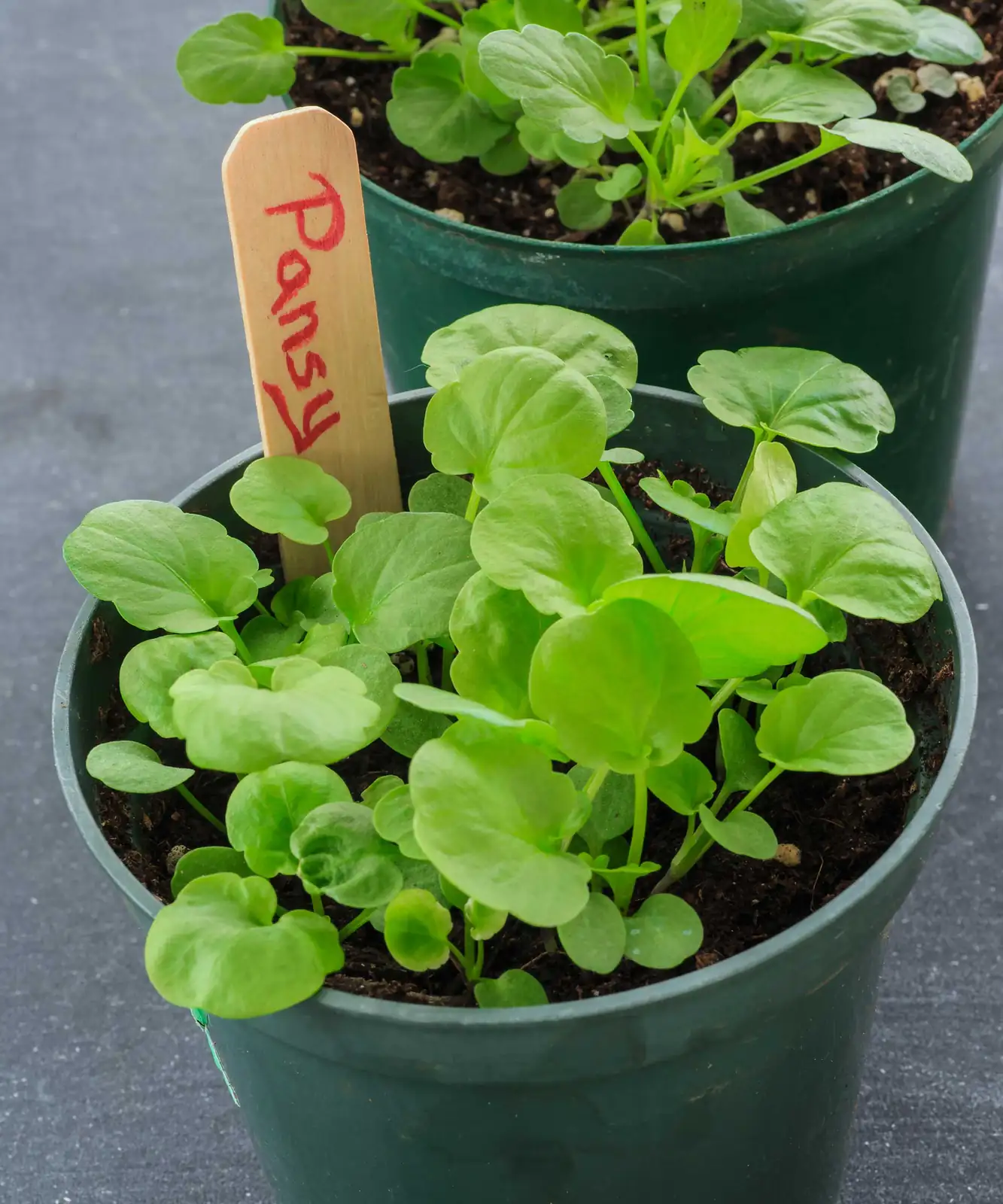
- Handling: Lift by a leaf, never the stem.
- Depth: Set at the same depth as in the seed tray (do not bury stems).
- Containers: Cell packs or small pots; a loose, fertile, well-draining mix is key.
- Focus: Bright light, cool temps, even moisture. Good airflow to prevent mildew.
Hardening off and final transplant
Strong roots and cool heads make the best pansies.
- Hardening schedule (7–10 days): Start with cool shade outdoors, then gradually increase light and breeze exposure.
- When to plant out:
- Cool-season windows are best (spring and fall).
- Target daytime 10–18°C (50–64°F). Light frosts usually won’t faze established plants, but protect fresh transplants from hard freezes.
- Spacing: 15–20 cm for compact types (wider for trailing forms).
- Containers: Use excellent drainage. A single plant is happy in a 10 cm pot; larger bowls and baskets need room and airflow (avoid crowding).
Bloom-leaning nutrition without the stretch
- At planting: A light slow-release fertilizer is helpful.
- In active growth: Feed monthly with a balanced fertilizer, or every 2 weeks at half strength (common for containers).
- As buds form: Shift to a bloom-leaning formula (more P and K) and hold back on high nitrogen to avoid leafy giants with few flowers.
Your Week-by-Week Timeline to First Bloom (14–16 Weeks)
- Week 0: Sow in sterile mix. Temperature 13–16°C. Block light. Even moisture.
- Week 1: Keep dark and cool; surface just moist. No peeking under domes except to vent briefly.
- Week 2: Germination arrives. Uncover to light immediately. Move to bright, cool (10–15°C).
- Week 3: Cotyledons open fully. Begin gentle airflow; continue bottom-watering.
- Week 4: First true leaves. Start a 1/4–1/2 strength balanced feed.
- Week 5: Seedlings sturdy. Maintain high light and cool temps to prevent legginess.
- Week 6: Prick out at 2–3 true leaves into cell packs/small pots. Don’t plant deeper than before.
- Week 7: Optional soft pinch to encourage branching on vigorous seedlings.
- Week 8: Roots fill cells nicely. Keep cool and bright; steady, light feeding.
- Week 9: Begin hardening off if outdoor conditions are in range.
- Week 10: Transplant to beds/containers (10–18°C days). Space 15–20 cm. Water in well.
- Week 11: Growth surges. Switch to a bloom-leaning feed. Start deadheading the instant any early spent blooms appear.
- Week 12–13: Buds visible. Maintain even moisture, bright light, and excellent airflow.
- Week 14–16: First flush of blooms. Keep deadheading and feeding lightly for a rolling display.
Note: Cool, steady conditions keep you on the 14–16 week track. Heat above ~25°C (77°F) slows growth and stalls buds; plants may sulk around 29°C (85°F) and up.
Rooting Softwood Cuttings (Clone Your Champions)
Want more of a perfect color blend or performance plant? You can root pansies from softwood cuttings.
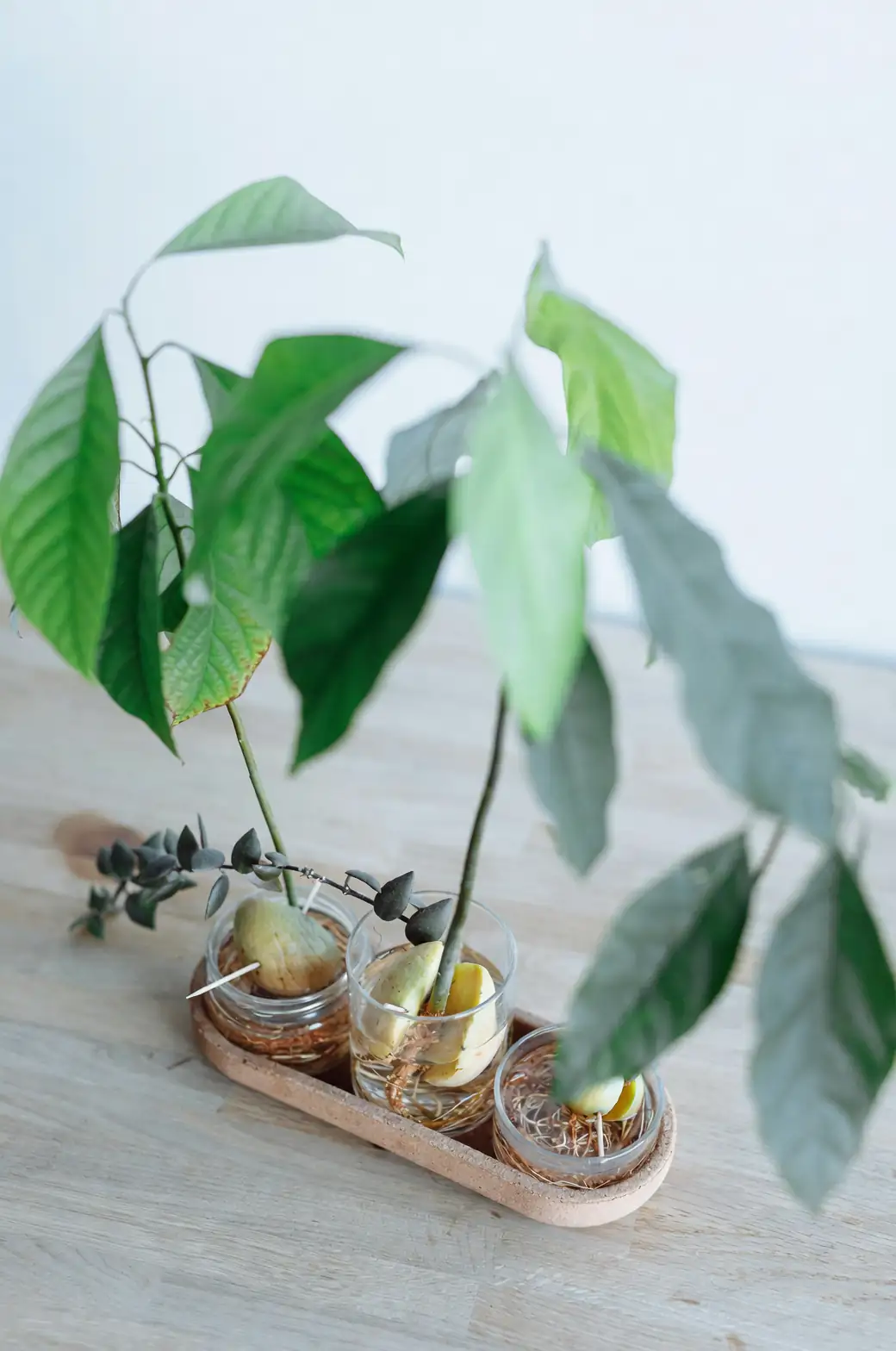
- Best timing: Late spring to early summer (roughly May–June), when plants are pushing fresh, short shoots.
- What to take: 3–5 cm non-flowering shoot tips. Remove any buds.
- Prep:
- Make a clean cut just below a node.
- Strip lower leaves; keep 1–2 small leaves at the top.
- Optional: Dip in a mild rooting hormone.
- Medium: Peat- or coir-based mix cut with perlite for fast drainage.
- Conditions:
- Temperature: Cool-moderate, around 15–18°C (59–64°F).
- Light: Bright, indirect; avoid blazing sun.
- Humidity: High but fresh—use a vented dome or intermittent mist. Keep mix barely moist, not wet.
- Timeline: Rooting commonly takes 15–20 days.
- Aftercare: Pot on gently, pinch the tip for bushiness, and keep growth cool and bright. Transplant outdoors when established and weather is in the cool range.
Respect local regulations regarding propagation of patented cultivars.
Sun, Temperature, and Placement: The Performance Rules
- Light: Full sun to partial shade; aim for ~6 hours. In warm climates, provide afternoon shade to preserve blooms and prevent stress.
- Temperature: Best growth in cool conditions—roughly 7–15°C (45–59°F); blooming is happy around 10–20°C (50–68°F).
- Heat: Above ~25°C (77°F), expect fewer buds or a pause. Use mulch, morning sun/afternoon shade, and airflow to help.
- Cold: Light frosts are usually fine; prolonged hard freezes near -5°C (23°F) can cause damage, especially in containers.
Water, Soil, and Feeding: The Quality Trifecta
- Soil: Fertile, humus-rich, and sharply draining. Slightly acidic suits them. In containers, airy peat-based mixes excel.
- Water: Evenly moist, never soggy. Water at soil level—keep flowers and leaves dry to reduce fungal issues. Bottom-watering is great for seedlings.
- Feeding: Light and regular is better than heavy and rare. Shift to bloom-leaning once buds appear.
Keep Them Blooming: Grooming and Quick Refresh
- Deadhead constantly—remove the entire spent flower and its stem to stop seed set.
- If plants get leggy, shear back to 7.5–10 cm to refresh growth.
- In summer lulls, prioritize cooling, shade, and careful moisture over extra fertilizer or water.
Common Snags (and Fast Fixes)
- Damping-off in seedlings: Sterile mix, cool temps, bottom-water, strong light, and airflow. Don’t overwater.
- Leggy seedlings: Cooler temps, brighter light, and closer lamps; avoid excess nitrogen.
- Bud stall: Usually heat. Add afternoon shade, improve airflow, and keep soil evenly moist with excellent drainage.
- Pests: Aphids, mites, and slugs/snails are the usual suspects. Use insecticidal soap for soft-bodied pests and manage slugs with traps/hand-picking.
- Diseases: Powdery/downy mildew, leaf spots, rust, anthracnose, Botrytis, and root rot—prevent with spacing, base-watering, and prompt cleanup of spent blooms/leaves.
Edible Flowers and Safety
Pansy flowers are widely used as edible garnishes when grown without pesticides. Use them as accents, not main courses; large quantities can cause mild stomach upset in people or pets.
Flower Language: Why Pansies Mean “Thoughts”
The very word “pansy” comes from the French pensée—“thought.” In the 18th–19th century craze for the language of flowers, pansies stood for remembrance, affectionate regard, and sometimes secret or “forbidden” love. Color nuances crept in—purple, for instance, often whispered of deep or silent devotion. As charming as floriography is, remember it was never a single, fixed code; meanings varied by time and author. What remains beautifully consistent is the sentiment: a pansy says “I’m thinking of you.”
Quick Planting Cheat Sheet
- Sow: 13–16°C, in darkness; 8–12 weeks before transplanting window.
- Germination: ~2 weeks. Move to cool, bright light at first green.
- Pot-up: At 2–3 true leaves.
- Harden: 7–10 days.
- Transplant: Cool spells (spring/fall); 15–20 cm apart.
- Bloom: Roughly 14–16 weeks from sowing under steady, cool conditions.
- Cuttings: Take soft tips in late spring/early summer; root in 15–20 days.
Master the cool-and-dark start, keep growth crisp and airy, and time transplants to the cool side of the season—your Viola × wittrockiana will repay you with a long, generous show of thoughtful little faces.


