
Think of Capsicum annuum—ornamental pepper—as a living string of tiny lanterns. With the right warm start and a few well-timed tweaks, you can drive it from seed to a riot of colors in as little as 60–90 days. Here’s your step-by-step masterclass: soaking and sowing, quick warm germination, a smart transplant at 8–10 true leaves, and precision light/feeding to cue that fireworks display of fruit.
Meet Capsicum annuum (Ornamental Pepper)
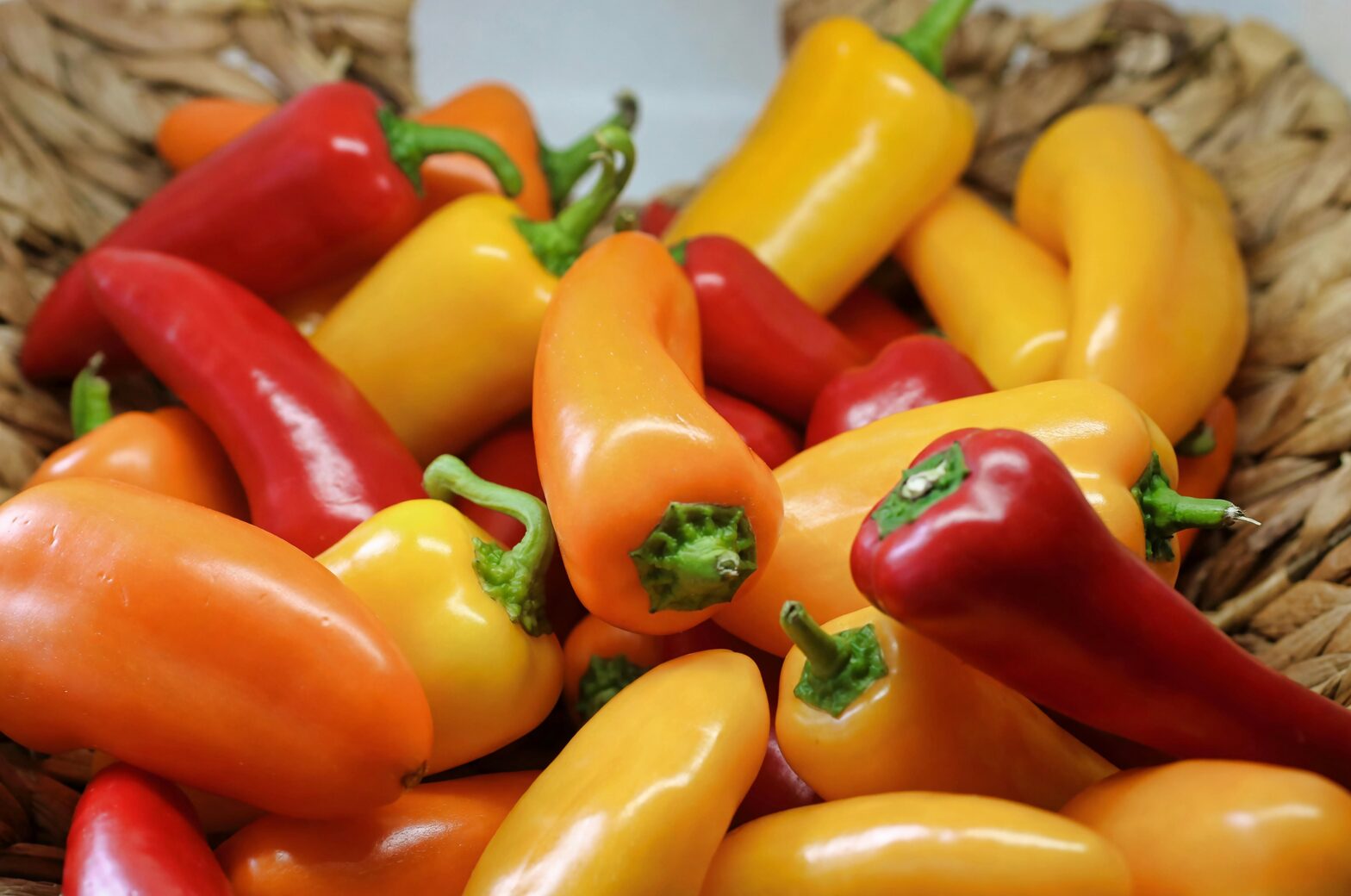
Ornamental pepper is a compact, bushy member of the Solanaceae family from the tropical Americas (Mexico to northern South America), now grown worldwide. What makes it irresistible? Glossy, upright “candle” fruits that ripen in waves—often green to yellow, orange, red, with purple in some cultivars—so you see multiple colors at once.
- Size and habit: Typically 20–45 cm tall, dense and branching; perfect for 12–15 cm pots on bright windowsills, sunrooms, and sunny balconies.
- Display season: Peak fruiting often lands in autumn to winter indoors, though timing depends on when you sow and the light you provide.
- Edibility and safety: Same species as culinary peppers—the fruits are technically edible—but ornamental types are often extremely hot. Capsaicin can burn eyes, mouths, and broken skin. Handle carefully and keep out of reach of children and pets.
The 60–90 Day Color Show Roadmap
- Day 0: Soak and sow seeds.
- Days 3–5: Sprouts pop fast at 25–30°C.
- Weeks 1–3: Seedling care under very bright light; start gentle branching work.
- Weeks 3–5: Transplant when seedlings have 8–10 true leaves; shift to a fertile, fast-draining mix.
- Weeks 6–9: Buds, bloom, and first set—dial in water and add 1–2 higher P/K feeds after fruit set.
- Weeks 8–13: Color waves roll in—keep light maximal and moisture even for a long, showy run.
Step-by-Step Masterclass
Step 1: Soak and Sow for Lightning-Fast Germination
- Soak: Immerse seeds in room-temperature water for 1–2 hours. Surface-dry on a paper towel.
- Medium: Use a quality seed-starting or potting mix. Blend in 10–30% perlite or coarse sand for drainage. You can pre-charge with a little mature compost or well-rotted manure (roughly up to 15%), but keep the starting mix light and airy.
- Sowing depth: Cover seeds with about 1 cm of mix.
- Heat and humidity: Keep at 25–30°C; a humidity dome or plastic cover helps maintain moisture. Vent daily to prevent stale, damp air.
- Watering: Mist or bottom-water to keep the medium evenly moist—not soggy.
- Result: With this warm start, expect sprouts in roughly 3–5 days.
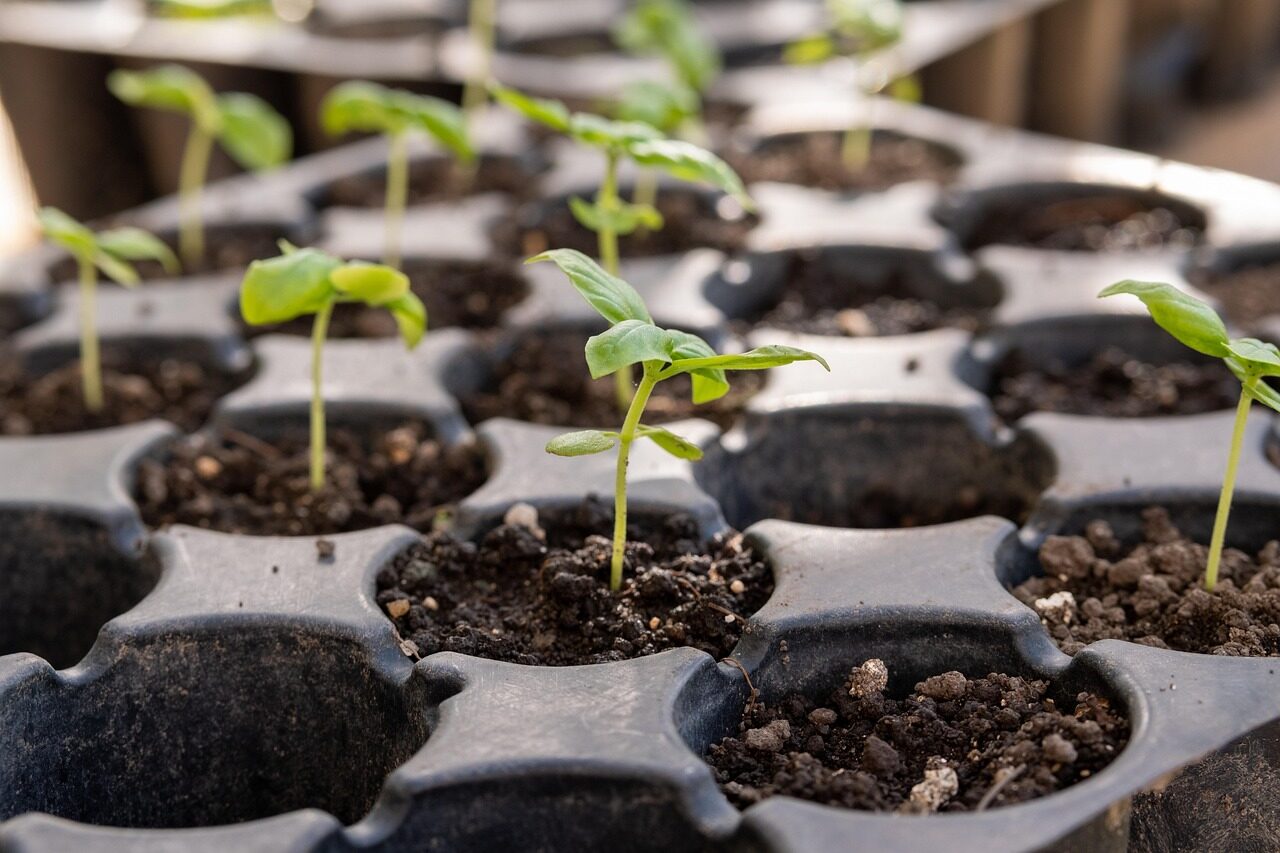
Pro tip: Label your trays by date and variety; ornamental cultivars vary in fruit shape and color transitions.
Step 2: Nurture Seedlings—Light, Air, and Steady Warmth
- Temperature: After sprouting, aim for 21–25°C for steady growth. Above 30°C, growth can slow and fruit set later may suffer.
- Light: Give 6–8 hours of direct sun or supplement with strong grow lights for 12–14 hours daily. Insufficient light = leggy stems and fewer, smaller fruits later.
- Moisture: Water when the top 2–3 cm of mix feels dry. Keep moisture even; no droughts and no soggy trays.
- Airflow: A small fan on low reduces damping-off and builds sturdier stems.
- Early feeding: Once seedlings have a couple of true leaves, feed lightly at label rates with a balanced fertilizer. From April to August, weekly feeding suits peppers well under bright conditions.
Optional shaping: When seedlings are growing strongly, pinch the soft tip once or twice early to encourage branching for a fuller, fruit-laden canopy.
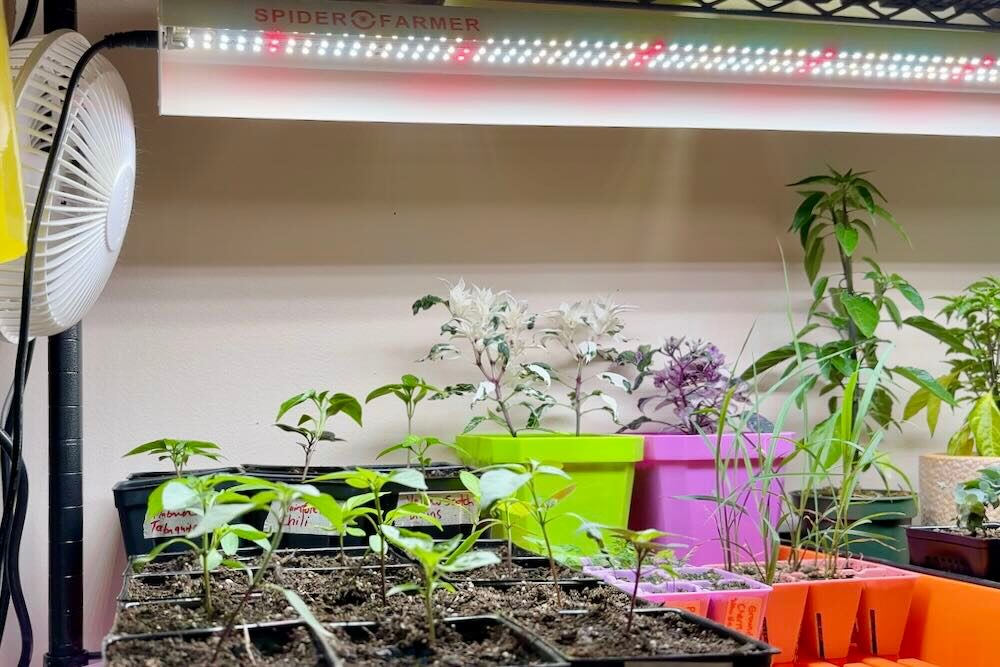
Step 3: Transplant at 8–10 True Leaves
- Timing: Move each seedling to its finishing pot when it has 8–10 true leaves (ignore the first two cotyledons).
- Pot and mix: Use a 12–15 cm pot with drainage holes. Fill with a rich, well-drained blend: potting soil plus compost/leaf mold, and 10–30% perlite or coarse sand. Avoid oversized pots—they stay wet too long.
- Planting depth: Set at the same depth as in the seed cell; firm gently and water through.
- Acclimation: If moving outdoors to a sunny balcony or patio, harden off over 5–7 days. Keep nights well above 10°C and protect from any frost.
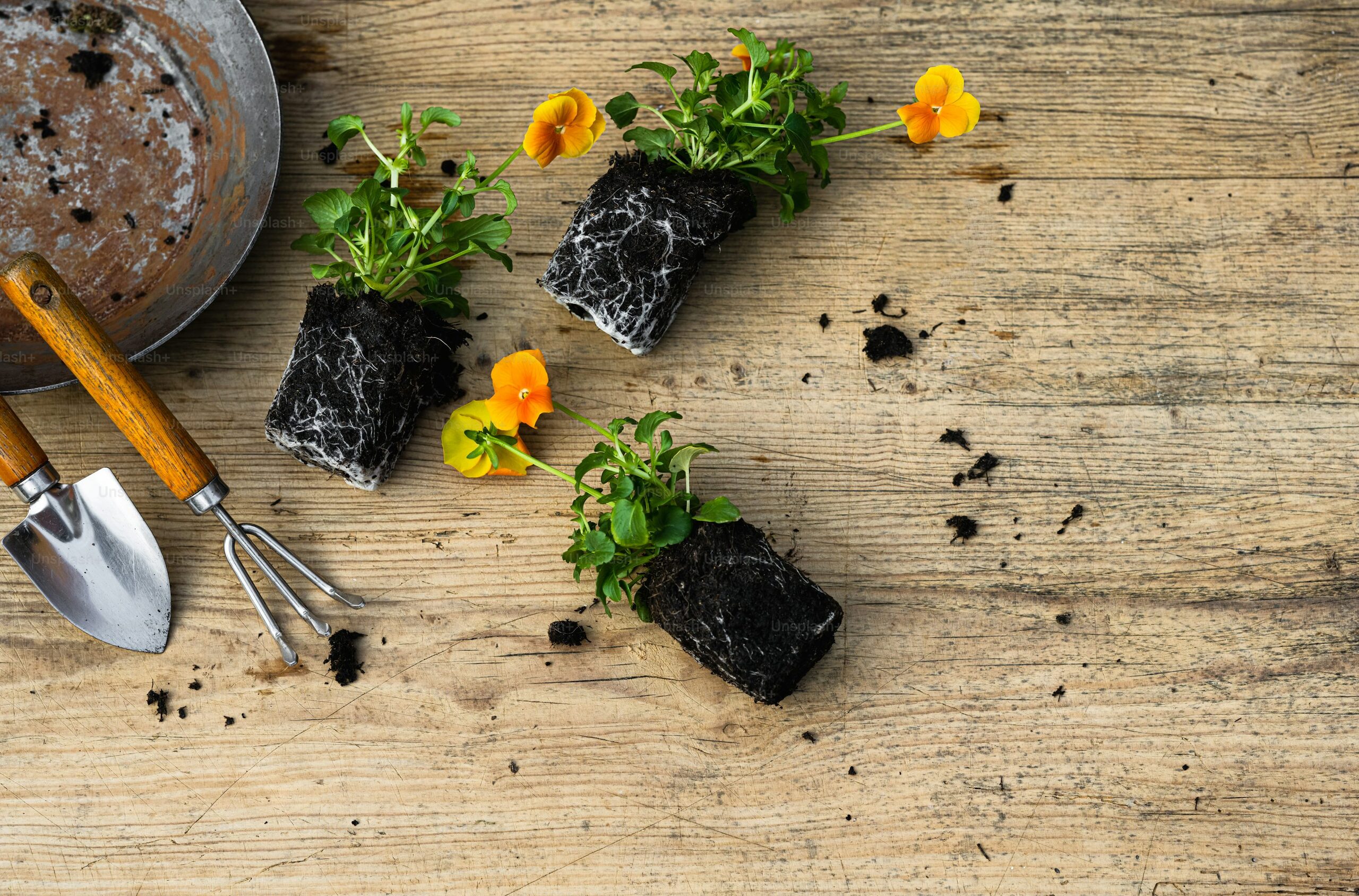
Step 4: Dial In Light, Water, and Feeding for the Color Show
- Sunlight: Full sun to very bright light—aim for 6–8 hours of direct sun daily. Bright east-, south-, or west-facing windows are ideal.
- Temperature: Best growth at 21–25°C. Prolonged heat above 30°C can reduce fruit set; in heat waves, boost airflow and prevent the pot from baking dry.
- Watering rhythm: In warm, bright conditions, water when the top 2–3 cm dries—often about every 3 days. Keep the soil evenly moist. Missed waterings plus hot, dry air commonly trigger flower and young-fruit drop.
- Feeding strategy:
- Growth phase (typically April–August): Feed about weekly with a balanced NPK (e.g., 20-20-20) at label rates.
- After fruit set: Add 1–2 feeds higher in P and K (e.g., 15-30-15) to support flowering and fruit development.
- Air and humidity: Moderate humidity helps. If the air is very dry, an occasional light mist in the morning can help—but avoid wet foliage overnight and ensure good ventilation.
Pro tip: Keep the plant away from bowls of ripening fruit—ethylene gas can encourage flower and fruit drop indoors.
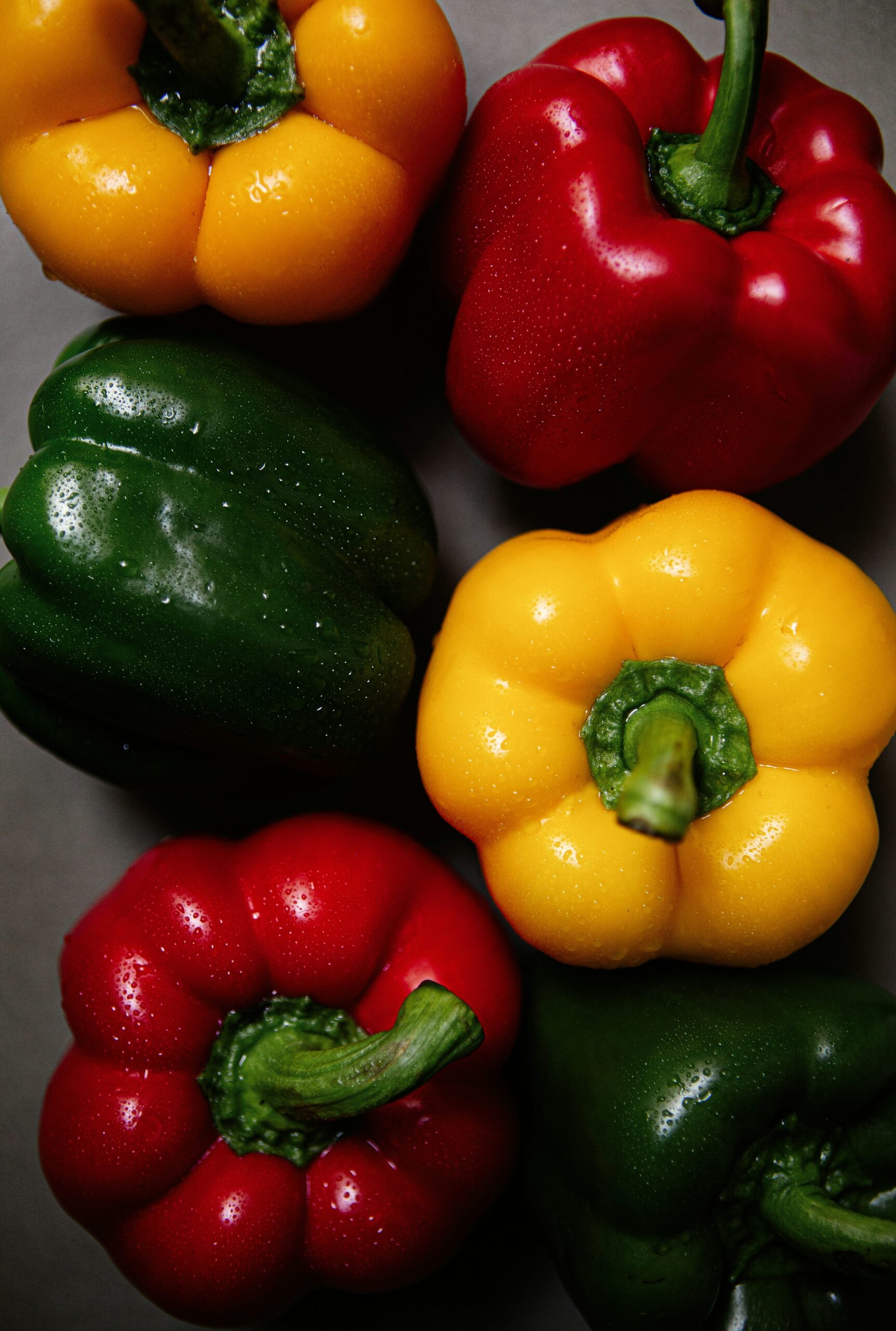
Step 5: Flowering, Fruit Set, and Load Management
- Pollination: Flowers are small, white, and typically self-pollinating. Indoors, a gentle shake of the stems helps distribute pollen.
- Thinning: If the plant overloads with buds or tiny fruits, nip out a few to improve fruit size and reduce stress-related drop.
- Pruning for shape: Pinch tips 2–3 times early for branching. Later, thin a few crowded interior leaves to improve airflow and light penetration.
Seasonal Playbook (Indoors or Patio Pots)
- Late winter–early spring: Start seeds inside. Keep 25–30°C for 3–5 day sprouting. Grow under bright light; transplant at 8–10 true leaves.
- Spring–summer: Maximum sun. Even moisture (often every ~3 days). Weekly feeding April–August. Light morning mist only if air is very dry.
- After fruit set: Add 1–2 higher P/K feeds. Thin if overloaded. Maintain warmth and steady moisture.
- Autumn–winter: Peak display—keep in the brightest window, warm, and evenly moist. Avoid hot/dry drafts from heaters and do not let soil dry hard.
Troubleshooting Quick Fixes
- Sparse or small fruits: Increase direct sun, maintain 21–25°C, and keep moisture even. Low light and drought are classic culprits.
- Flowers/young fruits dropping: Usually from hot, dry air or erratic watering. Improve humidity balance, water on time, and avoid temperature spikes. Keep away from ethylene sources (ripening fruit bowls).
- Leggy plants: Not enough light—move to a sunnier spot or increase grow-light intensity/duration.
- Pests: Aphids and spider mites thrive in warm, dry indoor air. Rinse foliage, increase airflow, and treat with insecticidal soap or horticultural oil as needed.
- Disease: Anthracnose and other rots show up on leaves/fruits if they stay damp. Remove affected parts, avoid wet foliage late in the day, and improve ventilation.
Safety, Taste, and Use
- Edibility: Fruits are technically edible, but ornamental types are often extremely hot. If you want to sample, start with a tiny amount and wash hands afterward—capsaicin can burn skin and eyes.
- Placement: Display out of reach of children and pets, and handle fruits carefully when pruning or harvesting.
Symbolism and Styling Notes
Ornamental peppers carry a festive, celebratory vibe—one plant can glow with several fruit colors at once, like a mini firework finale on your windowsill. “Flower language” for peppers isn’t rooted in classical Victorian codes; it’s modern and metaphorical—think warmth, vitality, and bold cheer. Cluster a trio of contrasting cultivars (for example, upright cones, round “cherries,” and a purple-fruited type) to amplify the color chorus.
Quick Specs
- Botanical name: Capsicum annuum (Ornamental pepper; aka Christmas Pepper, Five-Color Pepper)
- Family/Genus: Solanaceae / Capsicum
- Habit/size: Compact, bushy; about 20–45 cm tall
- Light: Full sun to very bright light; 6–8 hours direct sun ideal
- Temperature: Best at 21–25°C; protect from chills; avoid sustained >30°C
- Humidity: Moderate; avoid hot/dry drafts
- Soil: Rich, fertile, fast-draining potting mix; avoid waterlogging
- Potting: Finish in 12–15 cm pots; don’t oversize
- Hardiness: Frost-tender; outdoors year-round typically only in USDA 10–12
Your Takeaway Cheat Sheet
- Soak seeds 1–2 hours, sow 1 cm deep.
- Germinate at 25–30°C for 3–5 day sprouting.
- Transplant at 8–10 true leaves into a 12–15 cm pot.
- Give 6–8 hours of direct sun, water when the top 2–3 cm dries, and feed weekly in the bright season—add 1–2 higher P/K feeds after fruit set.
- Expect a 60–90 day color show under strong light and steady warmth.
Set the stage, keep the rhythm, and your ornamental pepper will repay you with a long, joyful parade of glossy, color-shifting fruits.