

Grow Your Own Winter Blooms: Propagating Cyclamen persicum from Seeds
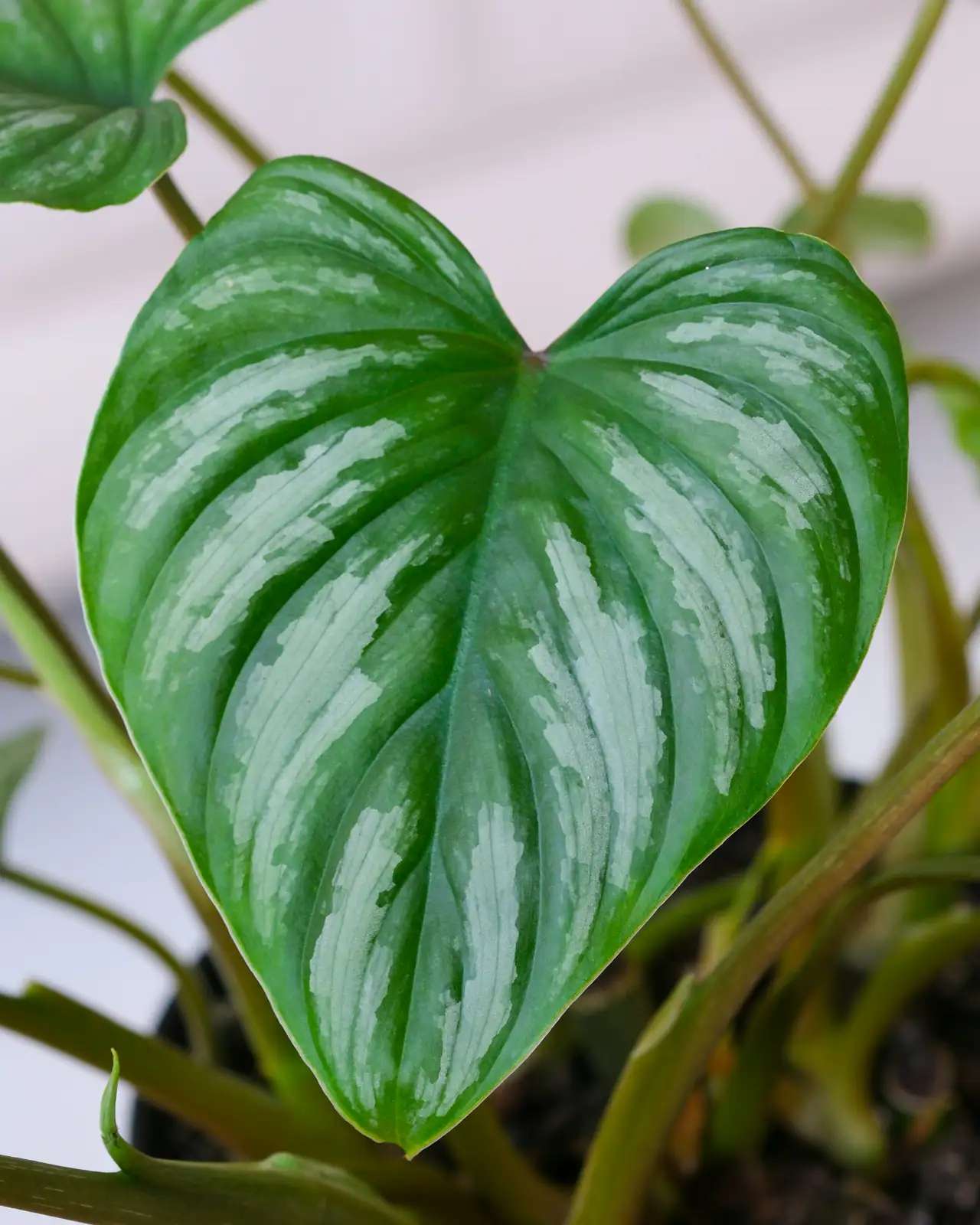
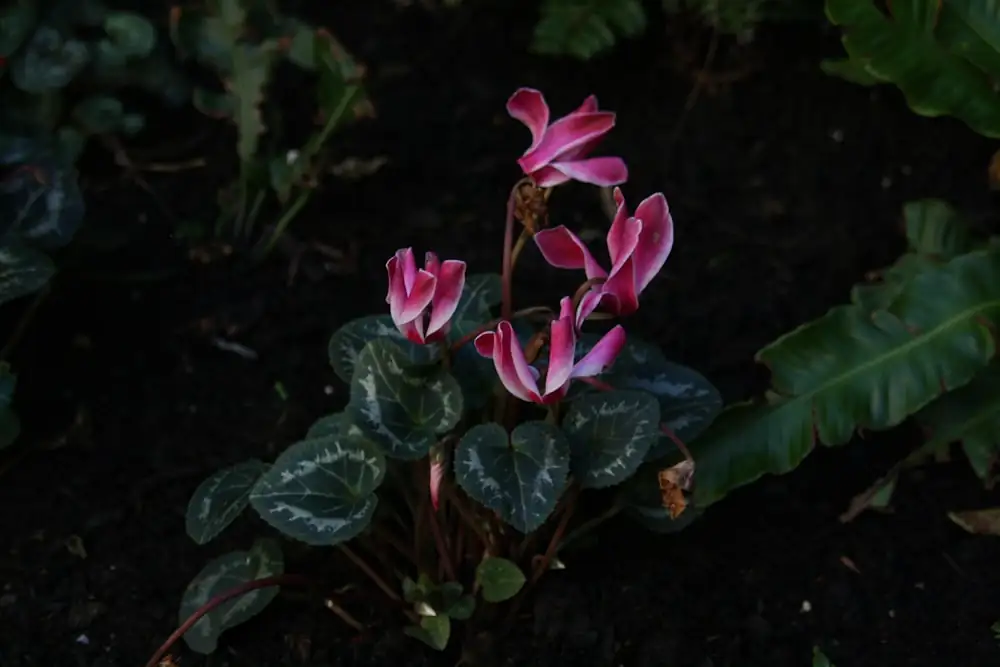
Cyclamen persicum, commonly known as Florist’s Cyclamen, is a winter delight for any indoor garden. Known for its vibrant, butterfly-like blooms and charming, heart-shaped leaves, this plant adds a splash of color during the colder months. While these plants are often purchased as gifts, propagating them from seeds offers the rewarding experience of nurturing your own blooming beauties from scratch. Here’s your comprehensive guide to sowing the seeds of Cyclamen persicum and watching them flourish into spectacular winter blooms.
Why Grow Cyclamen from Seed?
Growing Cyclamen persicum from seed might seem like a daunting task, but it’s a surprisingly straightforward process that can save you money and provide a sense of accomplishment. Plus, it offers the chance to cultivate a whole swath of these gorgeous plants, perfect for brightening up your home during the dull days of winter.
Step-by-Step Guide to Propagating Cyclamen persicum from Seeds
1. Gathering and Preparing Seeds
The journey begins with the seeds. Cyclamen seeds ripen in early to mid-summer, encased in capsules that eventually peel open. If you’re collecting seeds from your own plants, watch for the capsules to start opening. The seeds inside will be pale brown and slightly sticky—nature’s way of ensuring ants help distribute them.
If you’re buying seeds, opt for ones harvested recently or stored properly in paper envelopes to avoid mildew. Before planting, soak your seeds in lukewarm water with a drop of dish soap for about 24 hours. This step rehydrates the seeds and helps break any air bubbles that might prevent them from absorbing water.
2. Choosing the Right Time to Sow
Timing is everything! The best period to sow Cyclamen seeds in the Northern Hemisphere is from late August to September. This timing ensures optimal germination, as seeds prefer cooler, darker conditions reminiscent of their natural habitat.
3. Creating the Ideal Growing Environment
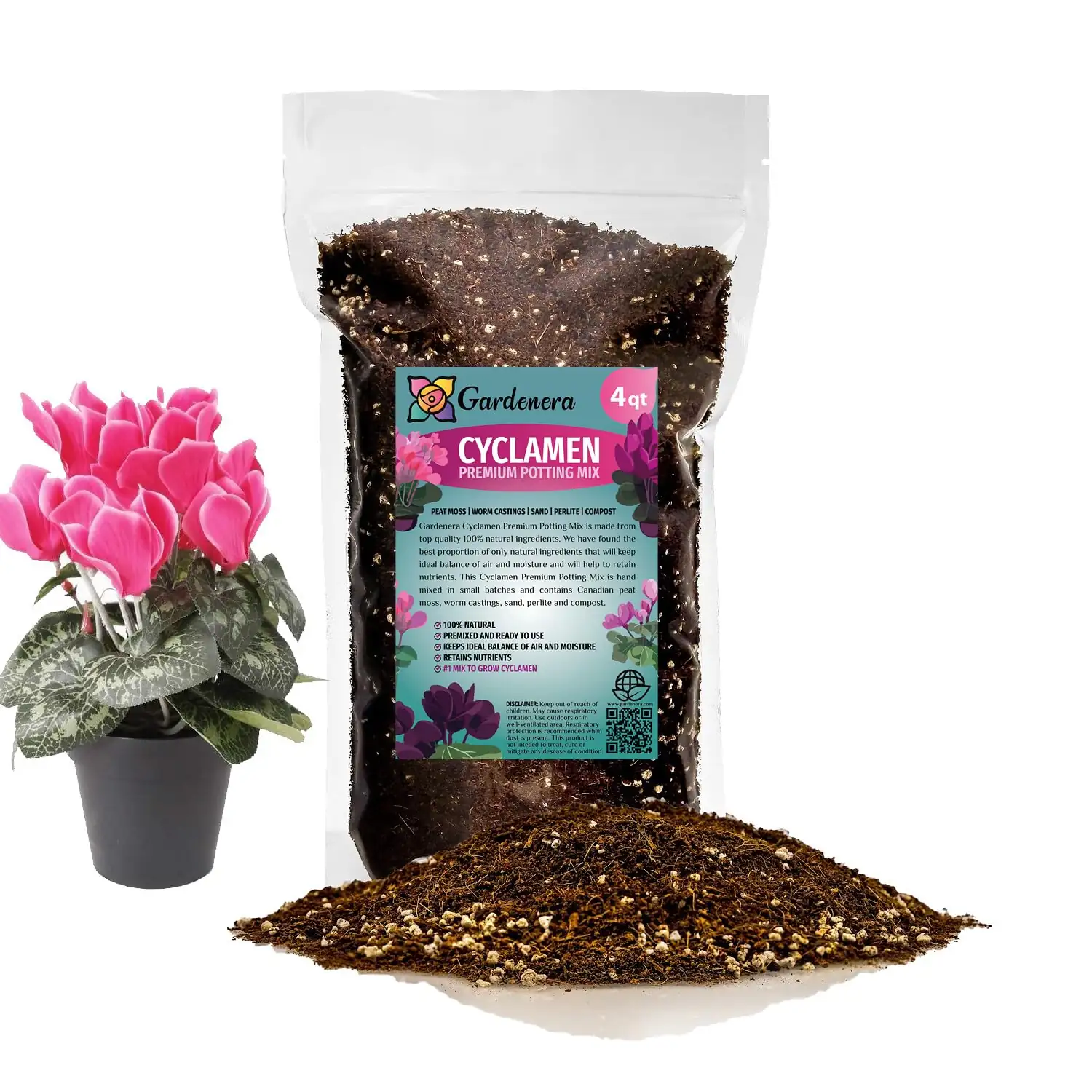
Cyclamen seeds require a well-draining potting mix to thrive. A blend of compost mixed with grit or perlite is perfect. Use small pots, about 8-10 cm (3-4 inches) in diameter, and plant roughly 20 seeds per pot. Cover them lightly with more compost or grit, ensuring they are shielded from light as they prefer dark conditions to germinate.
4. Maintaining Proper Conditions for Germination
Place your pots in a cool location, ideally where temperatures hover around 15°C (59°F). Cover the pots to block out light completely, as germination occurs best in the dark. Patience is vital here—germination can take a few weeks to several months. As soon as seedlings appear, remove the cover and transition them to a brighter, cool spot.
5. Caring for Your Seedlings
Once your seedlings emerge, provide them with bright, indirect light and maintain a consistently cool environment. Cyclamen persicum thrives in temperatures between 12-20°C (54-68°F). As they grow, thin out the seedlings to avoid overcrowding, eventually transplanting them into larger pots.
Ensuring a Healthy Growth
- Watering: Cyclamen is sensitive to overwatering. Allow the soil to dry slightly between waterings to prevent tuber rot.
- Fertilization: Feed your growing plants with a balanced liquid fertilizer every two weeks during their active growth phase.
- Airflow: Ensure good ventilation to prevent fungal problems, especially around the crown.
Flowering and Beyond
Cyclamen persicum typically flowers 24-32 weeks after sowing, rewarding your patience with their delicate blooms. The key to prolonged flowering is keeping the plants cool and ensuring steady airflow.
A Touch of Symbolism: The Heartfelt Cyclamen
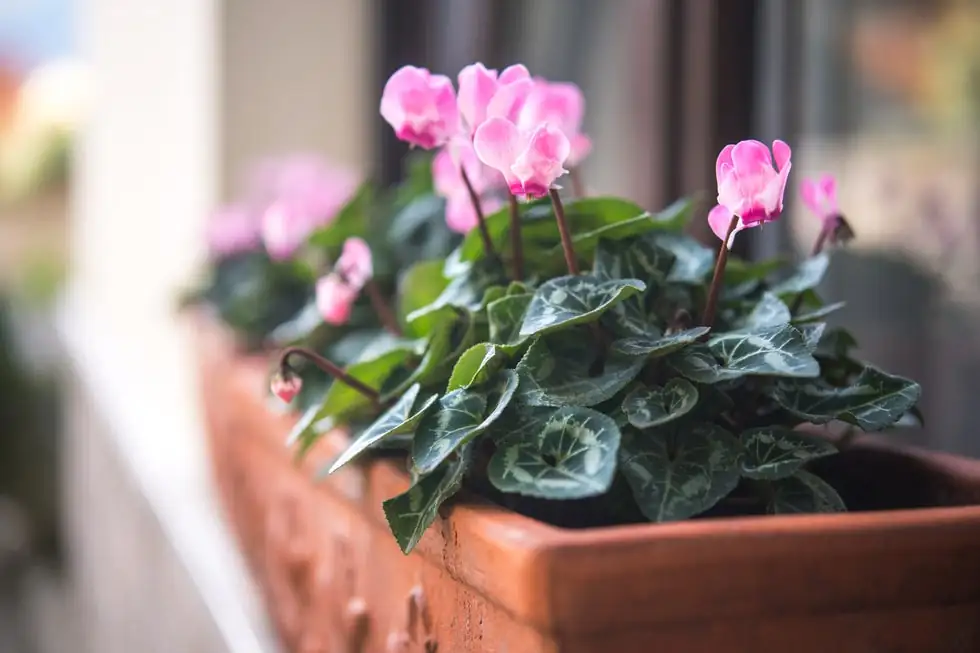
Cyclamen persicum is often associated with affection and thoughtful love, making it a popular choice for gifts during the winter holidays. Its flowers are seen as a symbol of sincere emotions and well-wishes, embodying the warmth and joy of personal connections even during the coldest days.
Conclusion
Growing Cyclamen persicum from seed is not just a project; it’s a journey into the delicate world of these charming winter bloomers. With careful attention to their unique needs and a bit of patience, you can transform tiny seeds into a vibrant indoor display, brightening your home and your spirits throughout the winter months. So why not give it a try and cultivate your own indoor garden of winter wonders? Your future self, surrounded by blooms, will thank you!


