

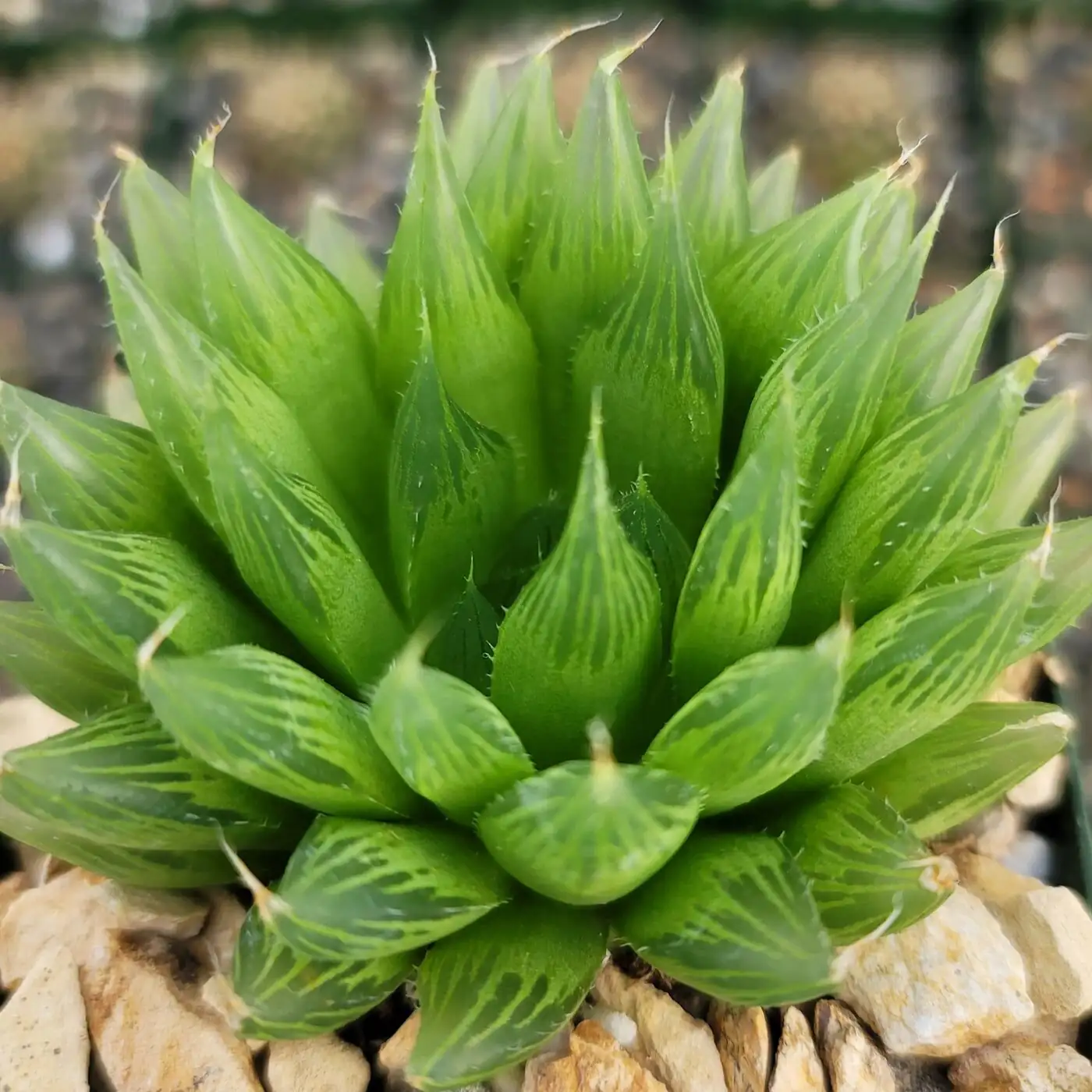
Imagine a tiny rosette made of jelly and glass, quietly channeling sunshine through see‑through leaf tips like a microscopic solar observatory. That’s Haworthia cooperi—an optical wonder that turns physics into plant art. If you’ve ever wondered why those “alien bubbles” glow, how the angle of light matters, and why a good drink makes the windows sparkle, pull up a chair. Let’s nerd out.
Meet Haworthia cooperi (a.k.a. Cooper’s Haworthia, “Crystal” or “Window” Haworthia)
- Origin: Southern Africa (especially South Africa’s Eastern Cape)
- Family/Genus: Asphodelaceae; Haworthia
- Habit: Petite, clump-forming rosette (typically ~10 cm / 4 in across indoors)
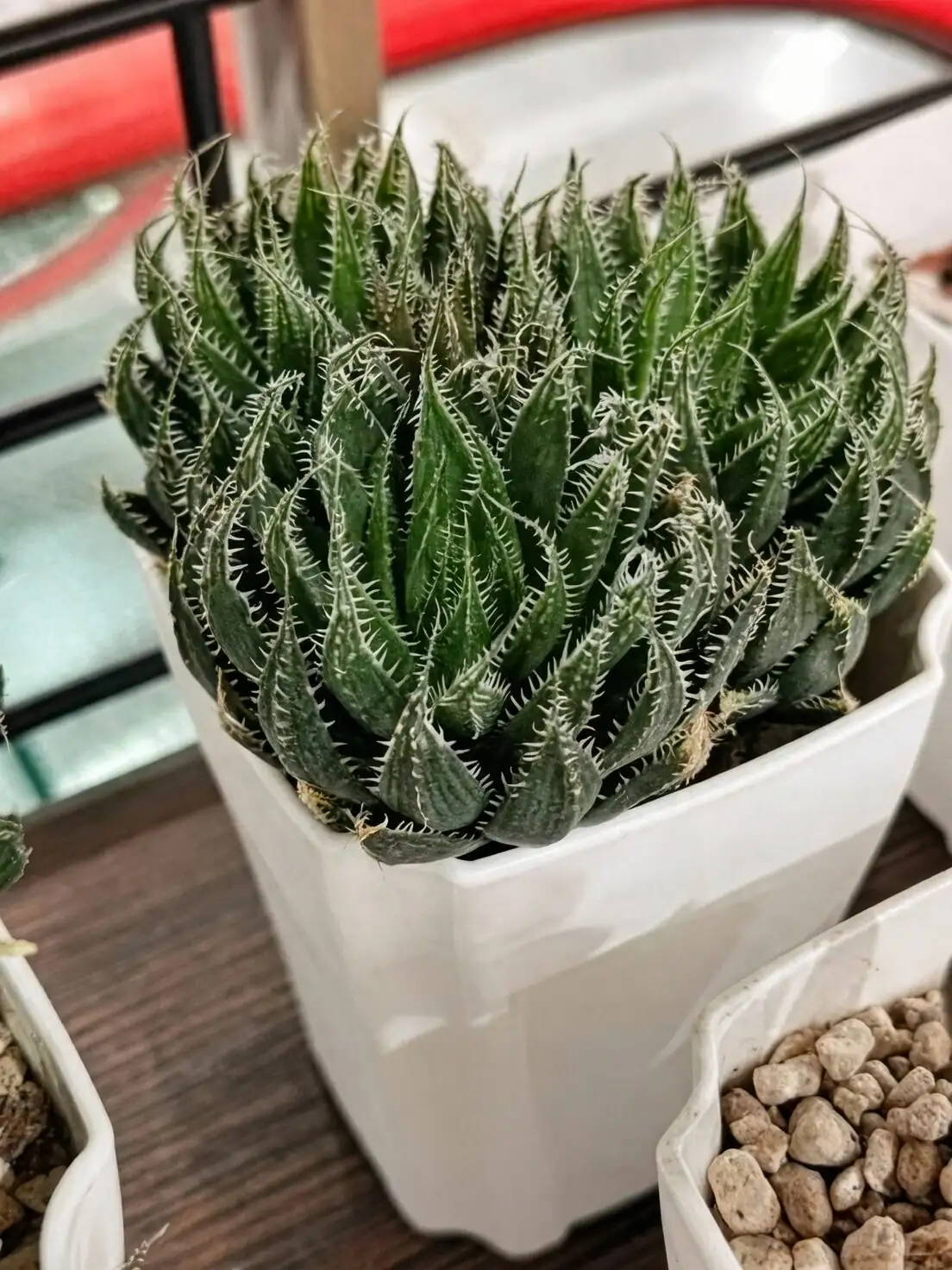
- Foliage: Plump, light-to-medium green leaves tightly packed; translucent “window” tips with fine, vein-like markings
- Flowers: In spring, a slender stalk with small, pale tubular blooms (cute, but the foliage is the star)
- Indoors: A desk/window-sill dream for bright, indirect light lovers
Why does it look like glass? The hyaline window system
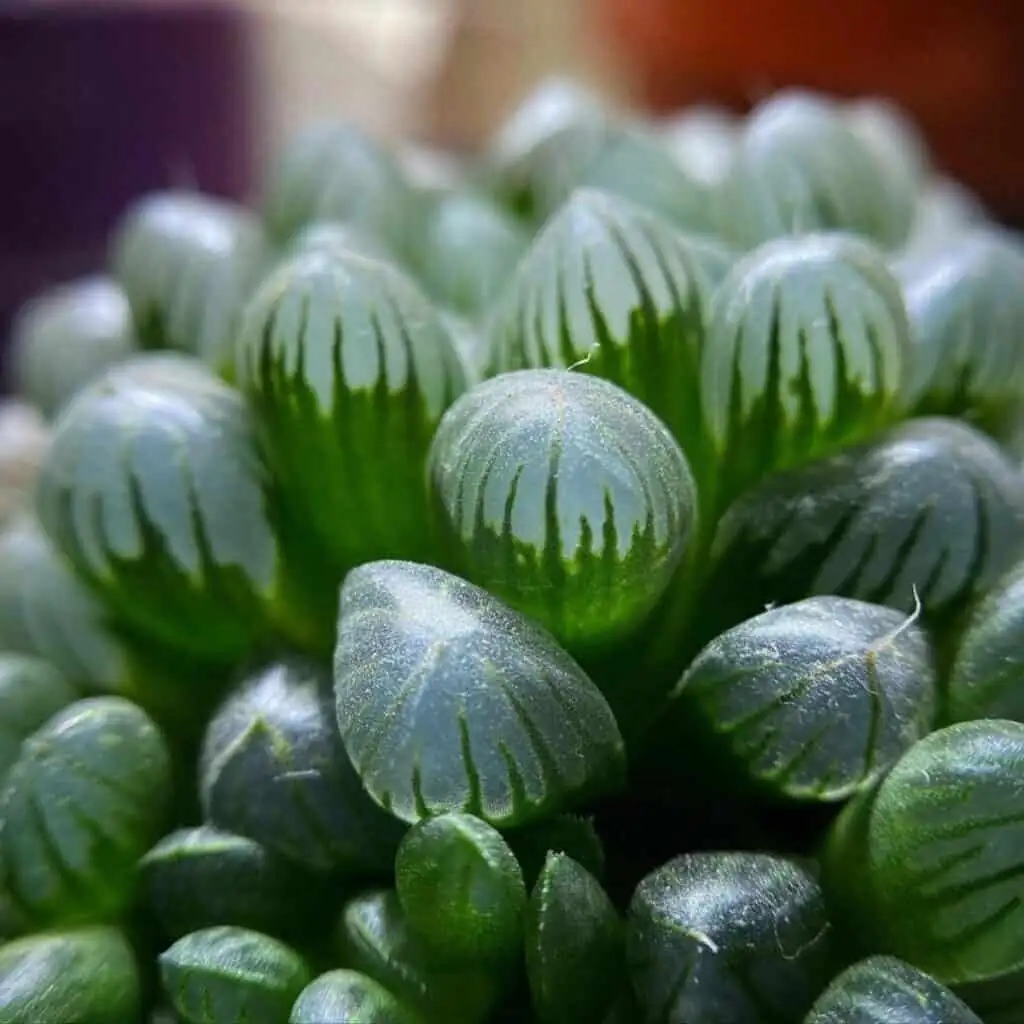
The “glassy” look comes from specialized, low-chlorophyll tissue near the leaf tips—hyaline tissue—that functions as an optical window. Instead of loading the surface with chlorophyll (where heat and water loss would spike), the plant keeps photosynthetic machinery deeper in the leaf, then pipes light in through the clear tip.
What is “hyaline” tissue?
- Hyaline = translucent, low-pigment tissue with minimal chlorophyll.
- In windowed succulents, this region often includes multiple cell layers of water-rich parenchyma—great for transparency and water storage.
- Few or no stomata are present in the window itself, which helps prevent water loss.
Light-channeling 101: from window to chloroplasts
Think of each leaf like a little periscope:
- The hyaline tip admits light (especially diffuse skylight) into the interior.
- Internal tissues scatter and sometimes focus photons, spreading usable light to chloroplast-rich layers wrapped around the leaf interior.
- Spectral twist: Inside the leaf, the light profile shifts as chlorophyll absorbs reds and blues; thus, internal light often skews greener. Studies on windowed succulents also detect surprisingly high near‑infrared light inside, which can add heat—part of why the plant prefers filtered light rather than harsh, direct midday sun.
Why light angle makes it glow
- Side/backlighting (morning or late-afternoon sun, or a bright sky behind a sheer curtain) strikes the windows at shallow angles, enhancing subsurface scattering—like backlit sea glass.
- Overhead, harsh midday beams can overwhelm those optics, heating the tissue faster than the plant can shed heat—cue bleaching or scorch. Filtered light is the sweet spot.
Hydration, turgor, and transparency
- Hydrated cells are “optically smoother.” When leaf windows are well-turgid, water fills spaces that would otherwise trap air. Fewer air/water boundaries = less internal reflection = more clarity and glow.
- Slightly dehydrated windows develop micro air gaps, scattering more light and appearing “frosted” or dull. Think jelly (hydrated, clear) versus gummy candy (drier, cloudy).
So… why the rosette?
- The compact rosette stacks windows like a cluster of lenses, pooling light down into the center while minimizing exposed surface area. It’s a tidy, low-profile strategy for bright, dry habitats.
Make your windows sparkle: practical lighting and watering
- Use an east-facing window or a bright, lightly shaded south-facing one. Aim for bright, filtered light and avoid harsh midday sun.
- Want the glow? Try:
- Morning side-light or soft backlight through a sheer curtain.
- A darker backdrop behind the plant to heighten perceived luminosity.
- A thorough watering after the mix is dry—then wait a day. Fully turgid leaves refract light cleanly.
- Avoid water sitting in the rosette. If splashed, tilt or wick it away; keep airflow up so no moisture lingers at the leaf bases.
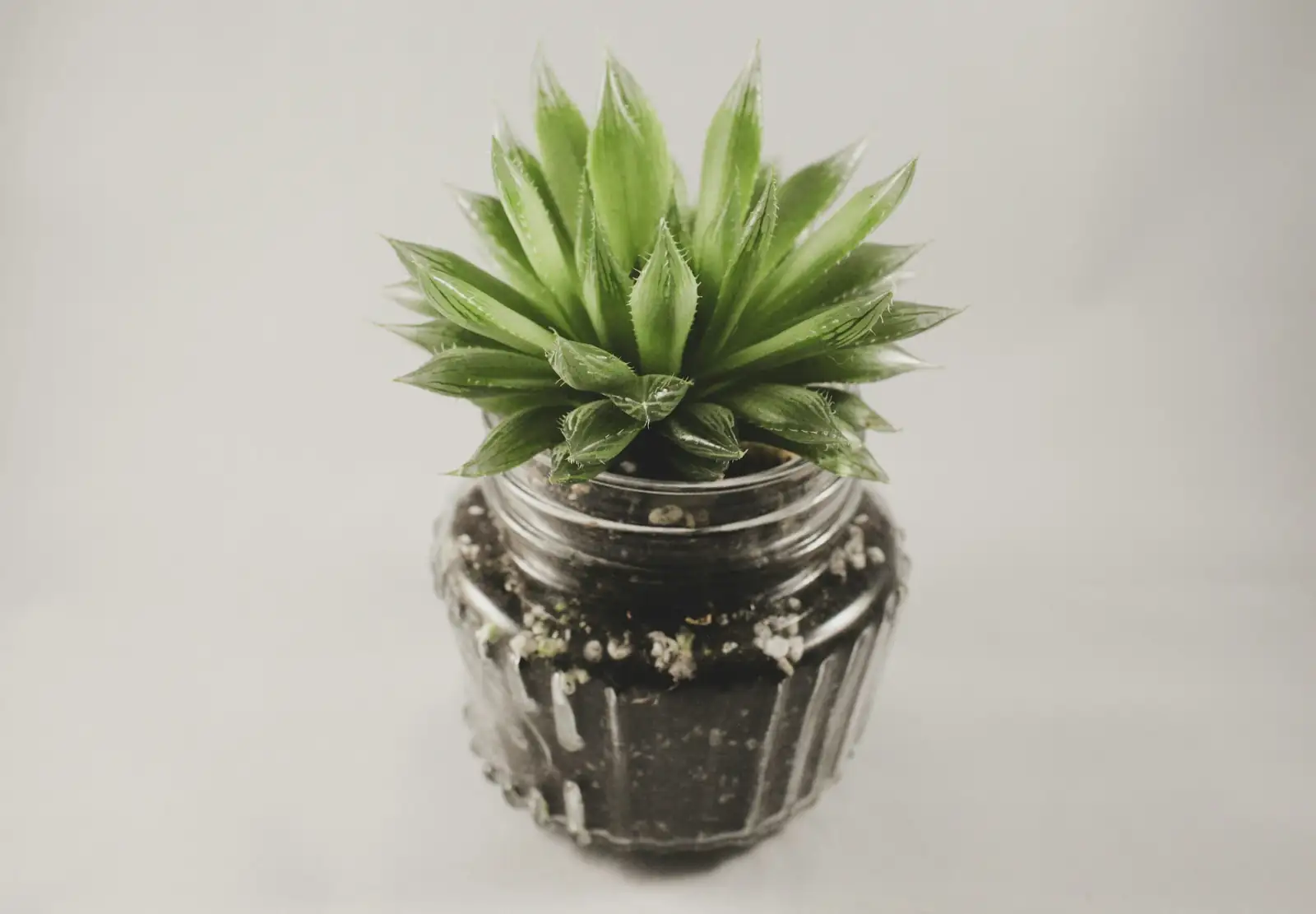
Care, short and nerdy (and beginner-friendly)
Light
- Bright, filtered light to partial shade; avoid harsh midday sun that can scorch those windows.
Water
- Water thoroughly only after the potting mix has dried.
- Active growth (often spring and fall): roughly weekly under warm, bright indoor conditions—adjust for your pot size and environment.
- Hot midsummer: growth may slow; water far less and keep the mix drier to prevent yellowing and rot.
- Winter: keep above 5°C (41°F), maximize light, and water very sparingly.
Temperature & humidity
- Ideal: 18–22°C (64–72°F); protect from frost.
- Prefers dry to average indoor humidity; never let water stagnate in the crown. Good airflow is your ally.
Soil & pot
- Use a very free-draining, gritty succulent mix (cactus soil + coarse sand/pumice/grit).
- Shallow-rooted: avoid deep pots. A 12–15 cm (4.7–5.9 in) pot suits mature clumps.
- It often looks its best slightly pot-bound, provided drainage is excellent.
Feeding
- During active growth, feed monthly with a diluted balanced or low‑nitrogen succulent fertilizer. Don’t fertilize stressed plants, and keep fertilizer out of the leaf bases.
Grooming
- Minimal. Remove shriveled lower leaves. If flowers aren’t your jam, clip the stalk to keep energy in the rosette.
Growth habit, repotting, and propagation
- Habit: Compact rosette that gradually clumps via offsets.
- Repot: As needed (often annually in spring) if the clump fills the pot.
- Propagation:
- Offsets (easiest): separate in spring, let cuts callus, then pot into gritty mix; water lightly at first.
- Leaf cuttings: possible late spring–early summer; allow to callus, then set in a free‑draining medium.
- Seeds: Sow indoors in spring at ~21–24°C (70–75°F); bright light and patience (germination often around two weeks under steady warmth).
Yearly rhythm (quick calendar)
- Spring: active growth—water when dry, feed monthly, repot/divide.
- Summer: may rest in high heat—reduce water, boost ventilation, shade from strong sun.
- Autumn: growth resumes—water when dry.
- Winter: above 5°C (41°F), brightest light possible, very sparse watering.
Troubleshooting (what the windows are “telling” you)
- Dull, cloudy windows: often slightly dehydrated or in too-dim light. Check soil moisture and move to brighter, indirect light.
- Yellowing base leaves, mushy crown: classic overwatering/poor drainage. Unpot, trim rot to healthy tissue, let callus, repot dry in a gritty mix, and increase airflow.
- Scorch or bleaching: too much direct, strong sun. Shift to filtered light.
- Pests: Mealybugs or whitefly may appear. Isolate, remove affected tissue if needed, and treat with insecticidal soap or an appropriate labeled product.
Bloom note
Expect a slender stalk with modest, pale tubular flowers in spring. The display is subtle; most growers prioritize the glimmering foliage.
Safety and symbolism
- Toxicity: Generally considered non‑toxic to humans and pets (ingestion can still cause mild stomach upset). Keep out of reach of curious mouths.
- Symbolism: Often linked with resilience and quiet determination—thriving with light sips of water and steady, gentle light. As “flower language,” it celebrates staying calm and efficient under pressure, a living lesson in doing more with less.
Fun facts (for the optics-obsessed)
- Those tips are true “leaf windows”—an adaptation shared with several South African succulents. They guide light to internal chloroplasts while keeping the leaf surface area minimal.
- Inside windowed leaves, the spectral balance shifts (more green photons prevail after chlorophyll’s first pass), yet internal light levels can still be surprisingly high thanks to scattering.
- It often looks its best slightly pot-bound—just ensure the mix is mineral and fast-draining.
How to maximize that “crystal” clarity (quick checklist)
- Light: East window or bright, filtered light; favor side/backlight moments for sparkle.
- Water: Only after the mix dries; let leaves re-inflate for peak clarity.
- Airflow: Keep the crown dry; ventilate after watering.
- Substrate: Gritty, mineral-rich mix that never sulks wet.
- Patience: Healthy, plump windows take consistent, gentle care rather than constant tinkering.
FAQ: How can I make the leaves look clearer and more “crystal-like”?
- Give bright, indirect light and water only after the mix has dried. Plump, well‑hydrated leaves display the windows best—but avoid keeping the medium constantly moist. Some growers briefly raise ambient humidity with a clear cover to reduce surface evaporation, but it must be well‑ventilated and should be avoided in hot weather to prevent overheating and rot.
Geek coda: To really see the optical magic, set your Haworthia cooperi by an east-facing pane, let morning light graze those hyaline tips, and water only after the potting mix has dried. When the rosette is hydrated and the light skims across at a low angle, the whole plant becomes a slow-burning gemstone—physics and photosynthesis, humming in plain sight.