

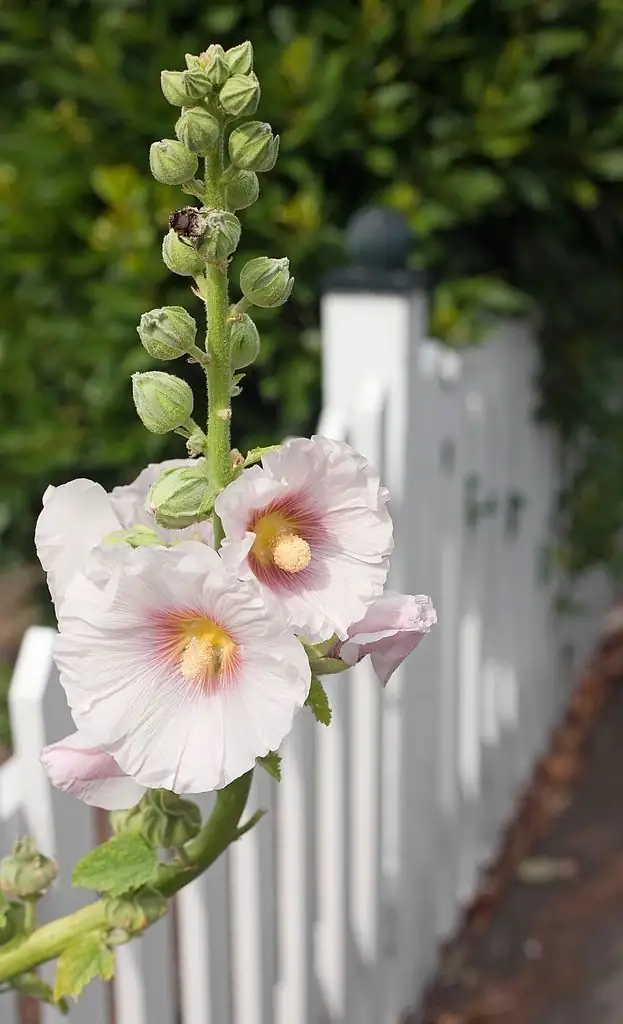
Imagine a garden where towering spires of color dance in the summer breeze, drawing the eye upward as if reaching for the heavens. This is the enchanting world of Alcea rosea, commonly known as hollyhock—a beloved staple of cottage gardens. With their charming old-world presence, these plants add vertical interest and nostalgic beauty to any landscape. But what does it take to keep these majestic blooms healthy and vibrant year-round? Let’s dive into the essential care techniques for hollyhocks, ensuring these garden giants stand tall and proud through the seasons.
Sunlight and Placement: Reaching for the Sun
Hollyhocks thrive best when basked in full sun, requiring about 6 to 8 hours of direct sunlight daily. While they can tolerate partial shade, too much shade might cause the plants to stretch, or even flop, as they reach for more light. Imagine them as sun-loving giants, happiest when they’re soaking up the rays. To prevent wind damage, consider planting them along fences or walls, which provide both support and a picturesque backdrop.
Watering Wisdom: Quenching Their Thirst
Watering is an art when it comes to hollyhocks. Young seedlings and plants establishing their roots need consistent moisture to thrive. Picture them as thirsty travelers needing regular refreshment on a long journey. Mature plants, however, are more resilient. During hot, dry spells, deep watering is key to maintaining a vibrant display of blooms. Remember to water at the base, avoiding the leaves, to minimize the risk of rust—those pesky orange-yellow spots that can mar their beauty.
Soil and Fertilization: The Foundation of Growth
Rich, well-draining soil is a must for hollyhocks. Before planting, enrich the soil with compost or aged manure to give your hollyhocks a nutritious start. When it comes to feeding, think of it like crafting a balanced diet. A general-purpose fertilizer applied once or twice during the growing season is usually sufficient. However, if your soil is less than ideal, consider a light feeding every 2–4 weeks during blooming, focusing on phosphorus and potassium to encourage more flowers rather than foliage.
Seasonal Care: From Spring to Winter
- Spring: Start by sowing seeds about a week before the last frost, or indoors 8–10 weeks prior. As the soil warms, begin regular watering and watch for seedlings to emerge.
- Summer: This is showtime for hollyhocks. Deadhead spent blooms to encourage more flowers and reduce unwanted self-seeding. Stake taller plants to prevent them from toppling over in the wind.
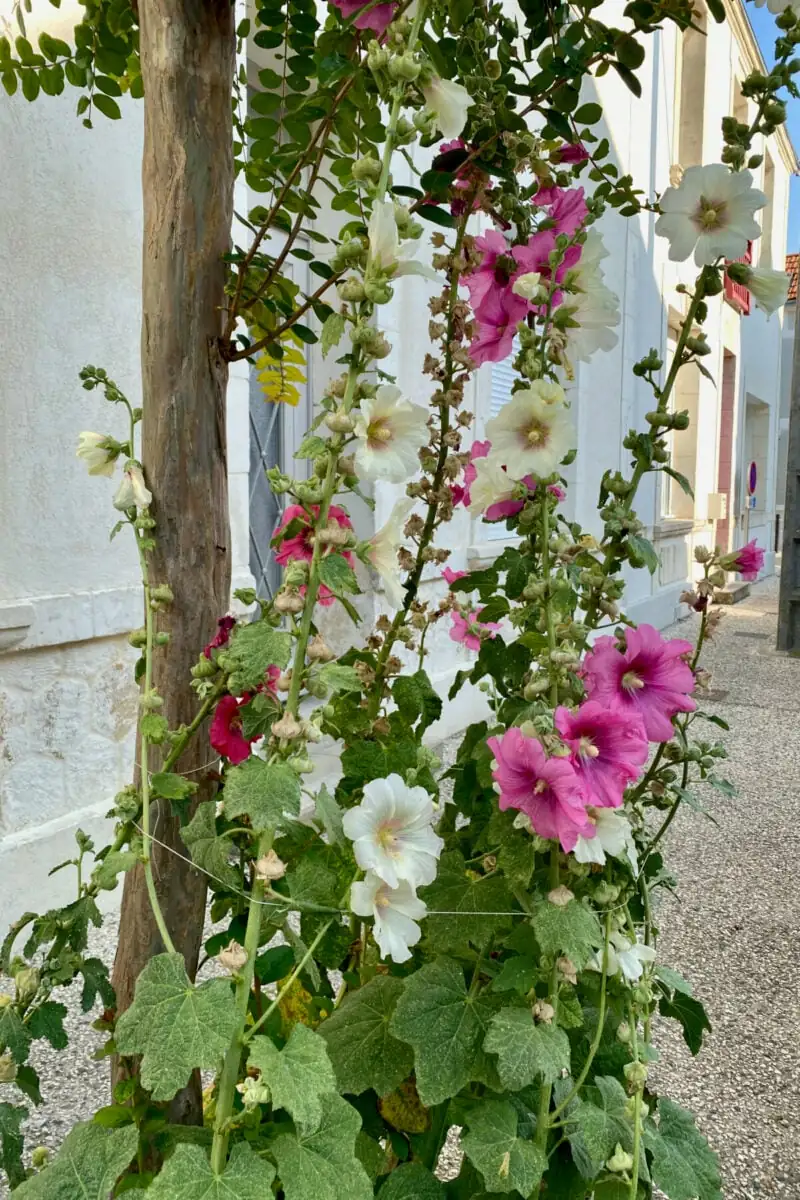
- Fall: Collect seeds if you wish to expand your hollyhock kingdom. As blooms fade, cut back the stalks and clear away debris to prepare for winter.
- Winter: In colder regions, mulch around the crowns with straw after the ground freezes to protect them from freeze-thaw cycles. Gradually remove the mulch in spring as temperatures rise.
Combatting Pests and Diseases: A Gardener’s Vigil
Hollyhock rust can be a persistent adversary, but fear not! By ensuring good airflow, spacing plants adequately, and keeping foliage dry, you can significantly reduce the risk. Early intervention with fungicides at the first sign of rust can also help. While hollyhocks are generally resilient, keep an eye out for pests like Japanese beetles and slugs, particularly on young plants.
A Legacy of Dreams and Ambitions
Beyond their aesthetic appeal, hollyhocks are steeped in symbolism. In the language of flowers, they represent dreams and ambitions, a nod to their skyward reach and enduring presence. Historically, hollyhocks journeyed westward from Asia, becoming a cherished feature in European gardens by the medieval period. Their ties to the past are as rich as their blooms, whispering stories of gardens long gone.
Incorporating hollyhocks into your garden invites not just color and height, but a connection to history and nature’s rhythms. With proper care, these towering giants will reward you with a cascade of blooms, each one a beacon of beauty and a testament to nature’s splendor. So plant, nurture, and watch as your garden transforms into a living tapestry of color and life.


