

The Cultural Significance of Bellis perennis: Innocence and Love Divination
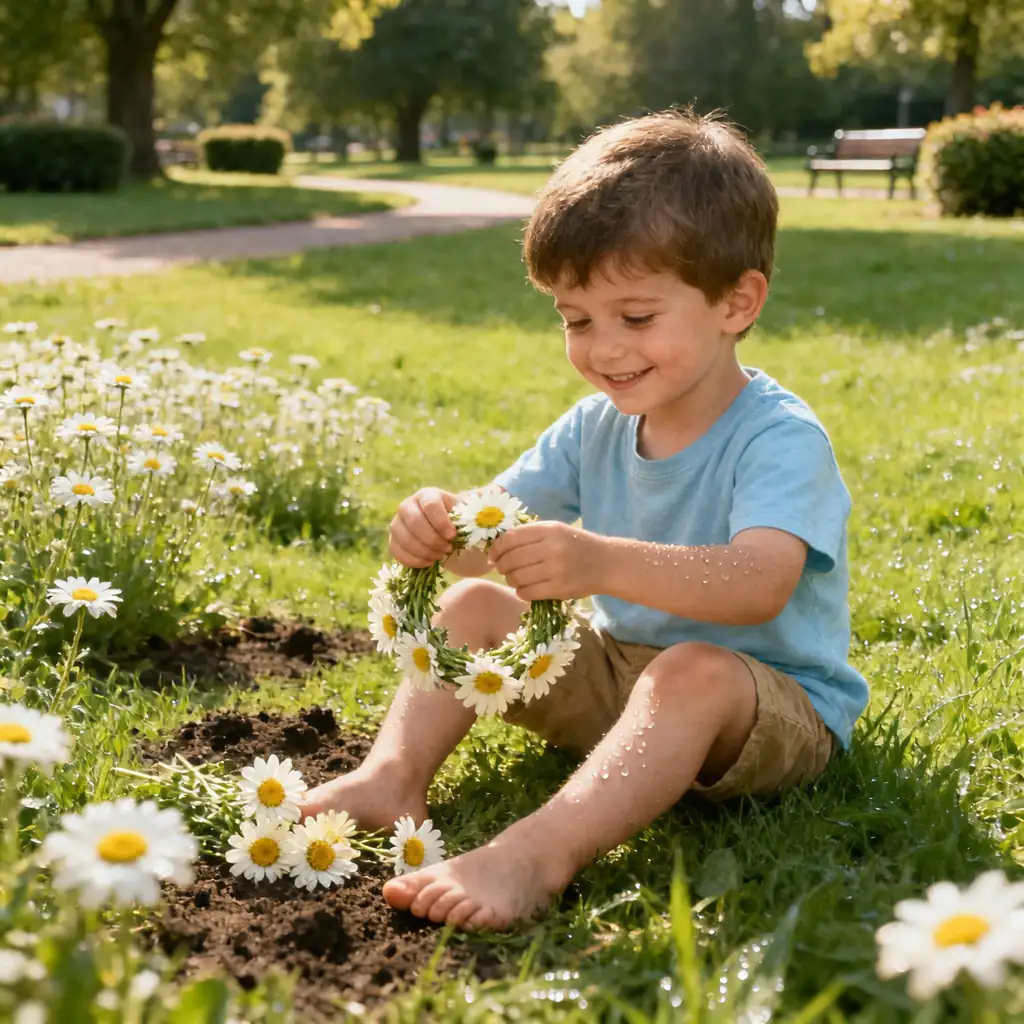
When you think of daisies, what comes to mind? Perhaps it’s the image of a child lying in a sunny meadow, weaving a daisy chain, or maybe it’s the timeless romantic game of “he loves me, he loves me not.” The Bellis perennis, commonly known as the daisy, holds a cherished place in our hearts and cultural traditions, transcending its simple appearance to symbolize innocence and eternal love.
A Symbol of Innocence and Purity
The daisy’s charm lies in its unassuming beauty. With its crisp white petals and vibrant yellow center, it’s easy to see why this flower is often associated with innocence and purity. Historically, the daisy was known as “Mary’s Rose” during medieval times, linking it to the Virgin Mary and cementing its symbolic connection to purity and new beginnings.
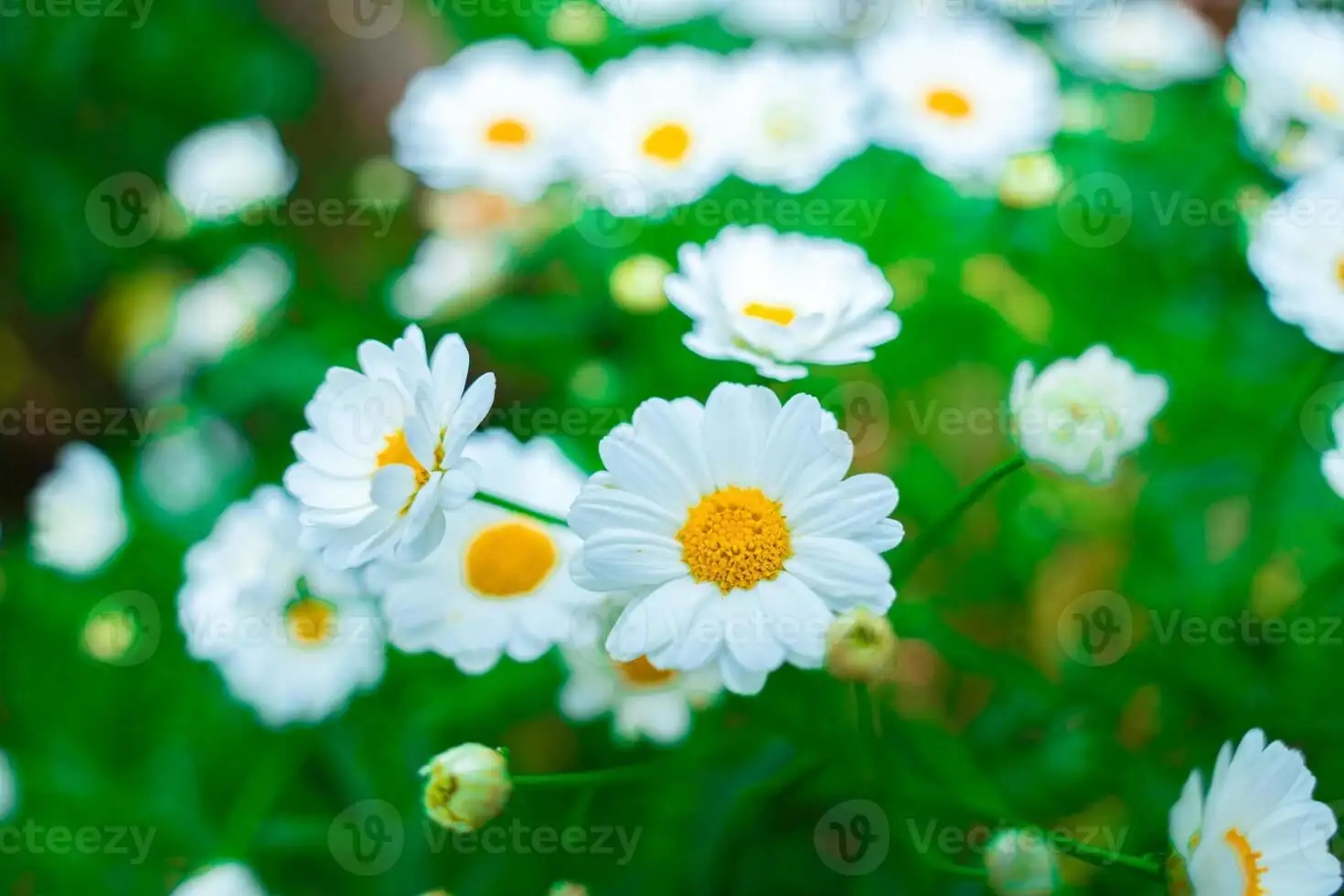
The name “daisy” itself is derived from the Old English “day’s eye,” a reference to how the flower opens with the morning sun and closes at dusk. This daily cycle reflects the idea of fresh starts and the purity of a new day. The daisy’s perennial nature, as suggested by its Latin name “perennis,” meaning everlasting, further emphasizes its role as a symbol of enduring innocence and purity.
Love and Hidden Feelings
Beyond its association with innocence, the daisy has long been a symbol of loyal and true love. This connection is perhaps best illustrated through the playful tradition of love divination. Who hasn’t plucked the petals of a daisy, chanting “he loves me, he loves me not,” hoping to divine the truth of a romantic interest’s feelings? This simple ritual speaks to the daisy’s role as a conduit for expressing and exploring hidden emotions.
The daisy’s connection to love is not just a modern notion. In mythology, the Latin name “Bellis” is said to be derived from Belides, one of the nymphs who transformed herself into a daisy to escape unwanted attention from the orchard god, Vertumnus. This tale of transformation and protection captures the essence of the daisy as a symbol of hidden feelings and unspoken love.
The Daisy in Literature and Art
The daisy’s simplicity and beauty have inspired countless artists and writers. From Chaucer to Wordsworth, poets have celebrated the daisy in their works, often using it as a metaphor for innocence, joy, and the beauty of nature. The flower’s delicate form and cheerful demeanor make it a favorite subject for paintings and illustrations, capturing the essence of spring and the renewal of life.
Beyond Symbolism: Uses and Traditions
While the daisy’s cultural symbolism is rich, it’s also worth noting its practical uses. Traditionally, young daisy leaves were eaten as a salad green, and the flower has been used in folk remedies for soothing bruises and minor skin irritations. The daisy’s ability to thrive in various conditions, from lawns to wild meadows, makes it a versatile and enduring plant in both gardens and natural landscapes.
Fun Facts and FAQs
- Did you know? Despite its delicate appearance, the daisy is incredibly hardy. It can withstand mowing and still manage to bloom, making it both a beloved wildflower and a persistent lawn invader.
- Why do daisies close at night? This phenomenon, known as nyctinasty, helps protect the flower’s pollen and central florets from cold and damp conditions.
- Are daisies invasive? In certain climates, particularly those with cool summers, daisies can spread rapidly, often self-seeding and colonizing lawns.
The daisy, with its simple elegance and profound symbolism, continues to captivate us. Whether you see it as a symbol of innocence, a tool for love divination, or simply a charming garden plant, the daisy remains an enduring emblem of beauty and sentiment in our cultural landscape. So next time you spot a daisy, take a moment to appreciate its rich history and the many roles it plays in our lives.


