Think of ornamental peppers as tiny candles that refuse to blow out—if you give them the right indoor winter stage. Capsicum annuum, the classic “Christmas Pepper,” bursts with glossy fruits that change color like confetti, peaking just as days get short. The trick to keeping this frost-tender beauty going? Brightest light, steady warmth, slightly leaner watering, a little strategic pruning—and a spring reset that turns year two into a fuller, fruitier encore.
Meet the plant
- Scientific name: Capsicum annuum (Solanaceae)
- Common names: Ornamental Pepper, Christmas Pepper, Five-Color Pepper
- Native to: Tropical Americas (Mexico to northern South America); now grown worldwide
- Look and habit: Compact, upright, bushy, typically 20–45 cm tall with glossy green leaves and upright, candle-like fruits that ripen in waves (green to yellow, orange, red, sometimes purple)
- Edibility/safety: Fruits are technically edible—but many ornamental types are extremely hot. Handle carefully, keep away from kids and pets, and wash hands after touching fruits.
The autumn move-in: timing and triage
Bring peppers inside before cold snaps do their worst.
When to act
- Move indoors before nights approach 10°C/50°F. Below 10°C, growth stalls; a single frost can end the show.
Clean-up and check-in
- Rinse the canopy and pot (shower spray or hose) to dislodge pests; let foliage dry quickly with good airflow.
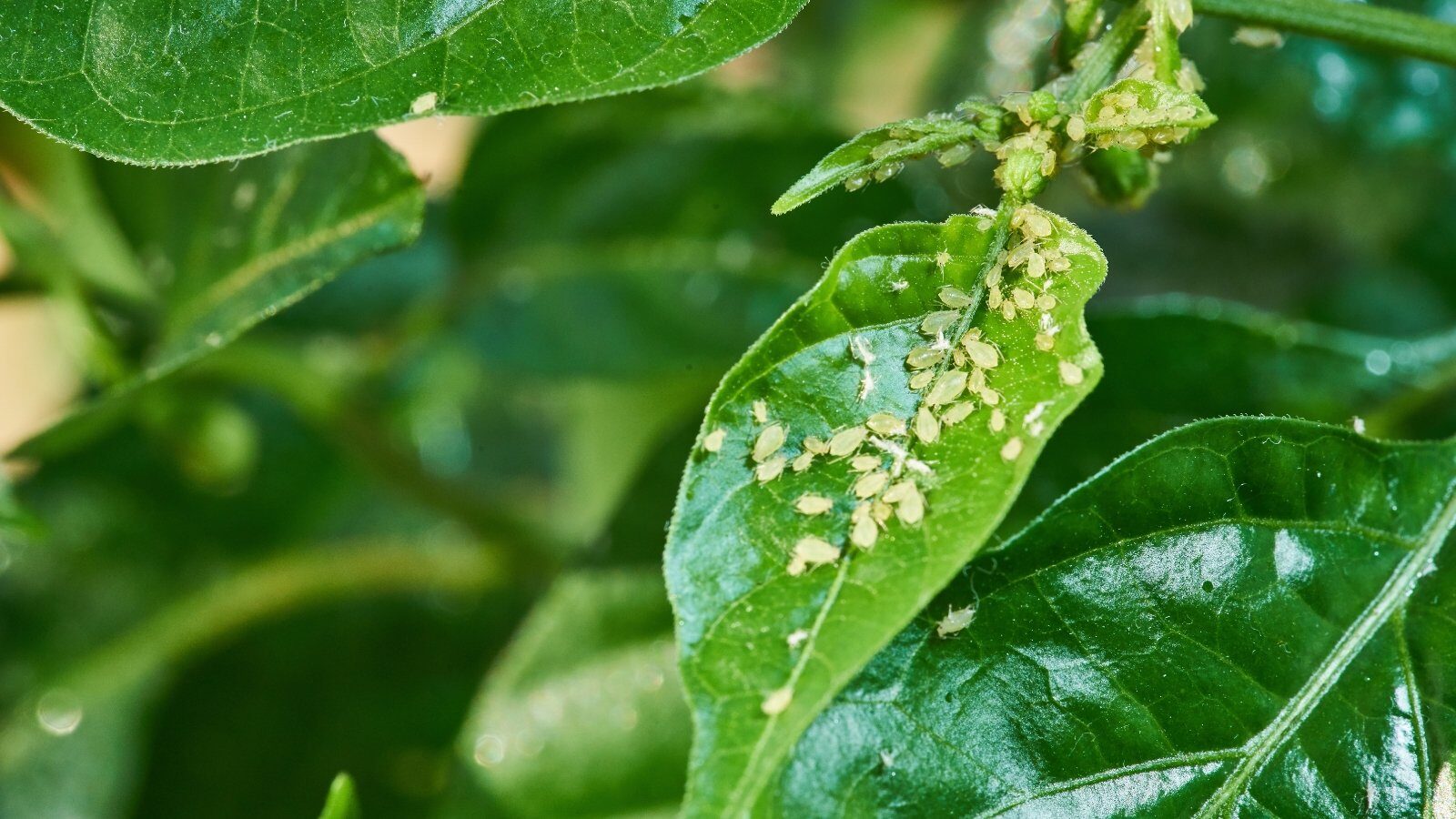
- Inspect for aphids or spider mites. Treat early with insecticidal soap or horticultural oil.
- Thin a few crowded leaves to improve airflow and light penetration.
- If fruits are overloading branches, remove a few to reduce stress and drop.
Pot and soil
- Avoid oversized pots: most ornamental peppers are happy in 12–15 cm diameter containers.
- Use a fertile, fast-draining mix: quality potting soil with compost or leaf mold plus 10–30% perlite or coarse sand. Ensure drainage holes.
Indoors through winter: the five essentials
1) Light: brighter than you think
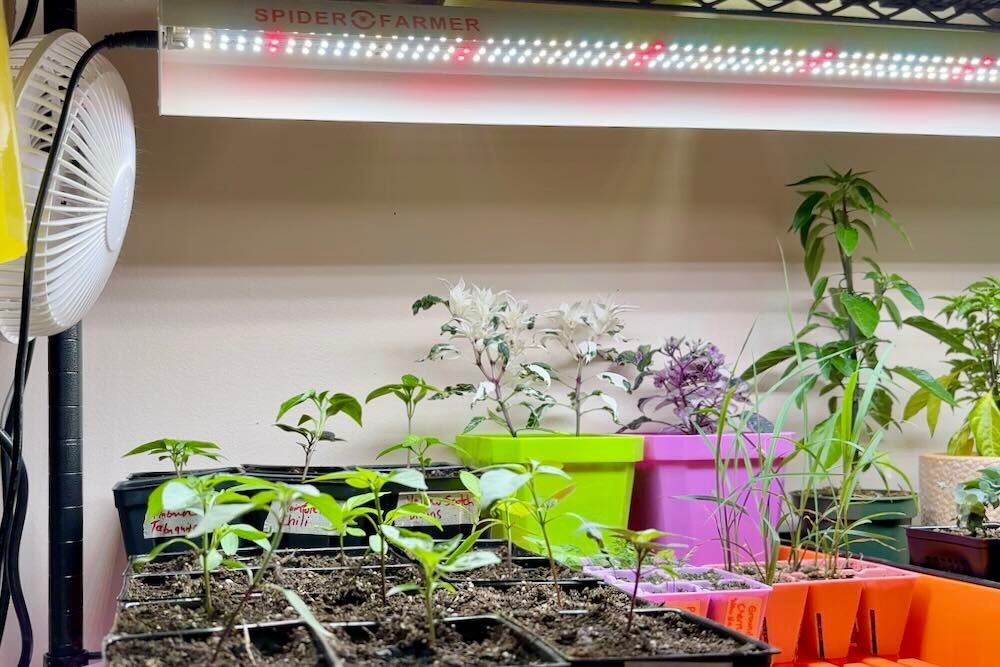
- Aim for full sun or very bright light—6–8 hours of direct sun. A bright south or west window, sunroom, or supplemental grow lights work well.
- Signs of too little light: leggy stems, few flowers, undersized fruit.
- Pro move: rotate the pot weekly for even growth; keep glass clean.
2) Warmth: peppers love cozy
- Best growth and fruiting at 21–25°C (70–77°F). Growth slows over 30°C (86°F); avoid hot, dry blasts from heaters.
- Two workable paths indoors:
- Keep it active: warm and bright, and it can keep flowering and fruiting.
- Give it a rest: cooler-but-frost-free (safely above 10°C/50°F), bright spot. Growth may pause, which is fine; resume vigor in spring.
3) Water: slightly reduced, never neglected
- Water when the top 2–3 cm (0.8–1.2 in) of mix feels dry. In bright, warm rooms this is often every ~3 days in active growth; in winter light, expect less frequent but still consistent watering.
- Aim for evenly moist, never soggy. Don’t let the pot go bone-dry—drought plus hot, dry air triggers flower and young-fruit drop.
- As fruits fully color, you can ease back slightly—but keep the moisture steady.
4) Humidity and airflow: balance matters
- Moderate humidity is helpful. Hot, dry air + dry soil = blossom/fruit drop and spider mites.
- If air is very dry, group plants or run a small humidifier nearby. Mist lightly only in the morning; avoid wet leaves overnight.
- Keep gentle airflow to prevent lingering moisture on foliage and fruit.
5) Selective pruning and fruit-thinning
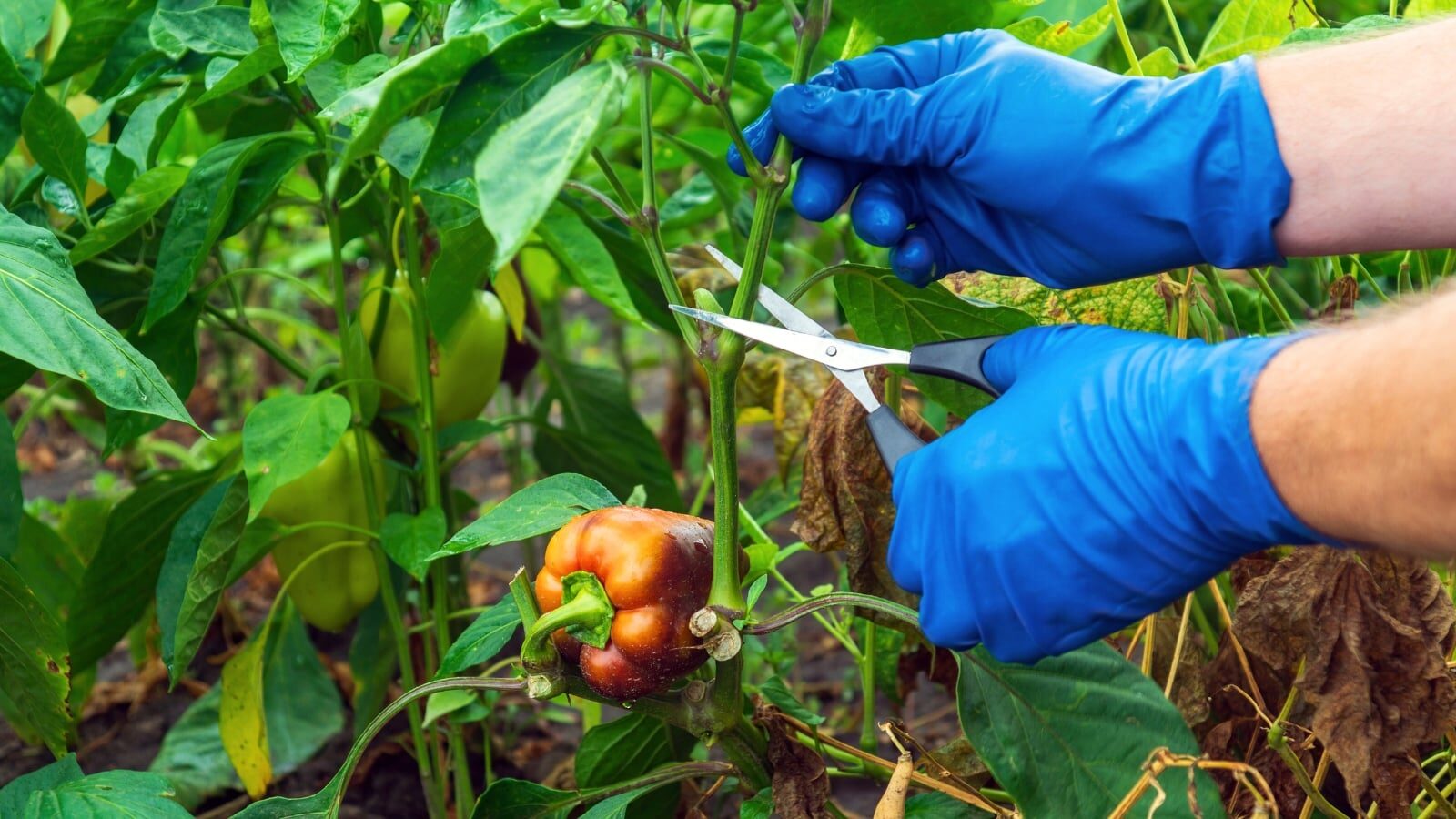
- Through winter: remove yellowing leaves and the odd leggy tip to keep a compact, airy canopy.
- If the plant sets more fruits than it can support, thin a few; remaining fruits size up better and the plant drops fewer.
- Safety note: peppers can be extremely hot—wear gloves if sensitive, and don’t touch your eyes.
Feeding indoors
- Hold off on heavy feeding over winter. Resume a regular schedule in spring (see “Spring reconditioning”).
Bonus: indoor pollination
- If you’re pushing for winter fruit indoors, gently tap flowers or use a small brush to move pollen. Keep temps warm and light strong.
Quick troubleshooting
- Fruits or buds dropping? Most often low light, hot/dry air, or uneven watering. Also, keep plants away from ripening fruit bowls—ethylene gas encourages drop.
- Sparse or small fruits? Maximize direct sun, keep warmth steady (around 21–25°C), and maintain even moisture.
- Pests (aphids, spider mites)? Rinse plants, improve humidity/airflow, and use insecticidal soap or horticultural oil as needed.
- Leaf spots/rot? Remove affected parts, improve ventilation, and avoid leaving foliage wet late in the day.
Spring reconditioning: your year-two power-up
1) Repot or refresh
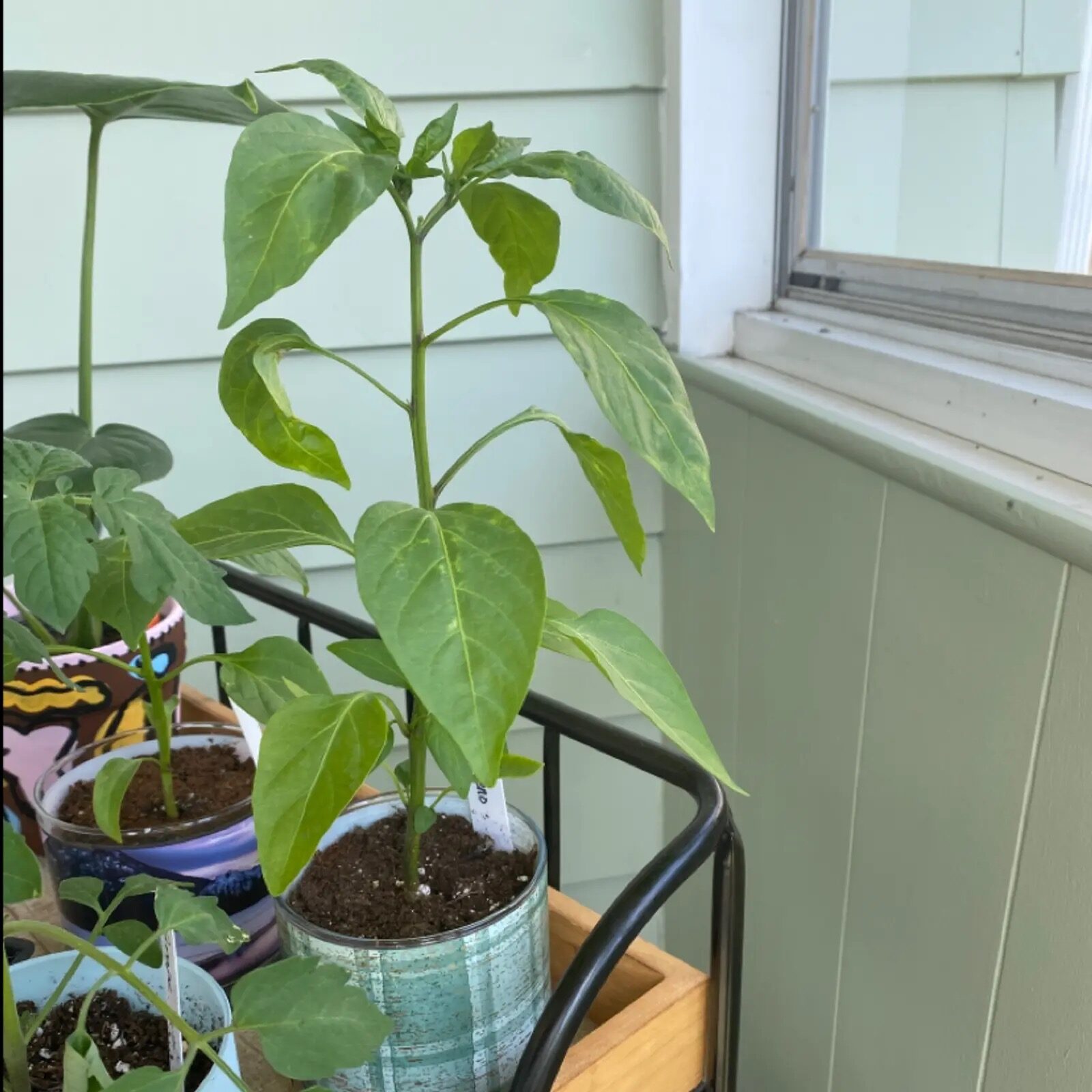
- Check roots. If circling and tight, move up just one pot size; if not rootbound, simply refresh the top third of the potting mix.
- Stick with rich, well-drained soil; don’t bury stems deeper than they were.
2) Shape for fullness and fruit
- As growth resumes, pinch the soft tips 2–3 times over several weeks to encourage branching and a denser canopy.
- Lightly thin crowded interior leaves so sunlight reaches budding sites.
3) Feed for takeoff
- From April to August, feed about once a week with a balanced fertilizer (e.g., 20-20-20) at label rates.
- After fruit set, add 1–2 feedings higher in phosphorus and potassium (e.g., 15-30-15) to support flowering and fruit development.
4) Sun training and timing
- Harden off gradually before moving outdoors: start with bright shade, then step up to full sun over 7–10 days to avoid leaf scorch.
- Wait until nights sit safely above 10°C (50°F). In full sun, you’ll see rapid bud and fruit set.
5) Water rhythm in spring–summer
- In strong sun and warmth, expect to water roughly every ~3 days, always guided by the top 2–3 cm dryness test.
- Consistency is everything—missed waterings during heat are a prime cause of bud and fruit drop.
A seasonal snapshot
- Late winter–early spring: start seeds indoors for new plants; germinate warm at 25–30°C (77–86°F), typically sprouting in 3–5 days; transplant at 8–10 true leaves. Overwintered plants: begin pinching, repot if needed, resume feeding.
- Spring–summer: maximum sun, steady watering, and weekly feeding; thin overloads after heavy flower set.
- Autumn–winter: peak display indoors—brightest light, warm temps, even moisture, and good airflow; reduce feeding; avoid hot, dry drafts.
Style, symbolism, and safety
- Style: Upright, glossy “candles” in multiple colors at once make a festive, modern accent for sunny windowsills and patios, especially in cooler months.
- Symbolism: Across culinary cultures, peppers embody warmth, vitality, and celebration—ornamental varieties turn that energy into visual fireworks.
- Safety: Fruits can be extremely hot. Keep away from children and pets; avoid touching your face after handling; wash hands promptly.
Want more plants next year? Try seed too
- For showy winter displays from seed, start in late winter to early spring; with warmth and strong light, you’ll often see colorful fruits within 60–90 days from sowing (variety and conditions vary).
Bring your ornamental pepper in before the cold knocks, give it sun-drenched real estate and cozy temps, water thoughtfully, trim with intent, and then recondition in spring. Do that, and year two isn’t a sequel—it’s the blockbuster.