

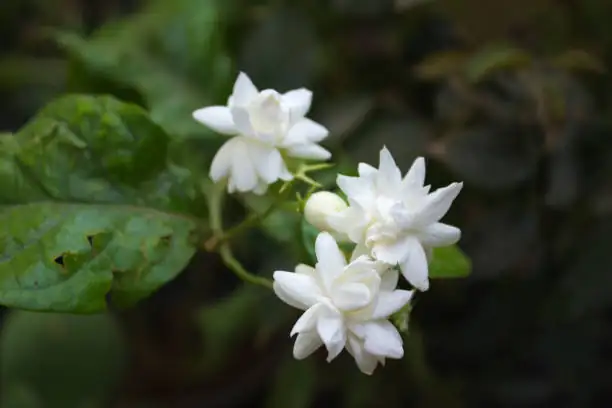
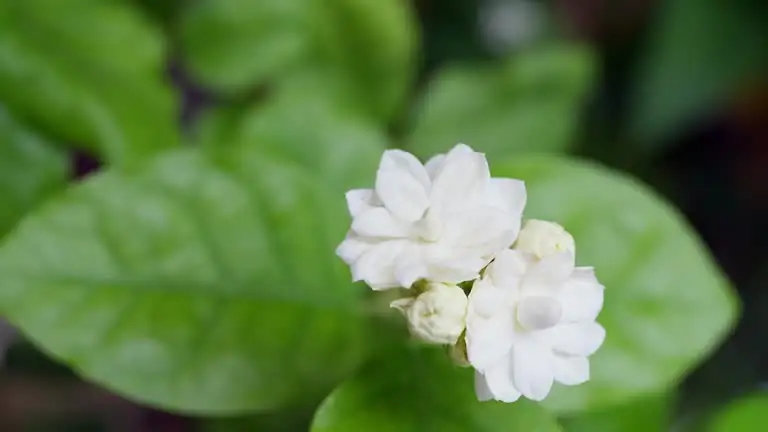
Imagine a sun-baked patio where the air turns honeyed at dusk. That’s exactly where Arabian jasmine (Jasminum sambac) shines—its waxy white blooms release a rich, velvety perfume that’s strongest on warm evenings. Pair it with heat-loving companions that steady pest pressure by day and amplify the fragrance by night, and you’ve got a patio planting that feels like a tiny, perfumed oasis.
Why Arabian jasmine is your heat-and-sun hero
- Loves light: Give 6–8+ hours of direct sun for the best bloom and fragrance. In extreme climates, a touch of late-afternoon shade is fine.
- Warmth boosts scent: Growth hums along in warm weather (about 25–35°C / 77–95°F). It’s frost tender—treat it as a container star outside USDA Zones 10–12.
- Container-friendly: Takes very well to pots and trellises; a bright balcony or patio is prime real estate.
- Soil and water: Rich, free-draining mix (slightly acidic to near-neutral) and steady moisture—not soggy. Think “evenly moist during growth; never waterlogged.”
The pest-smart summer guild: basil, marigold, and lavender
These sun-lovers share compatible heat-and-light needs with Arabian jasmine and help diffuse pest pressure in hot weather. Use them in one roomy bed, or cluster in separate containers so each plant can have its preferred soil and watering routine.
Basil (Ocimum basilicum): Aromatic decoy and flavor booster
- Why it pairs: Thrives in warmth and full sun; its clove-sweet aroma can distract or deter some pests (think flies and mosquitoes) while supporting a lively, beneficial-insect scene.
- How to place it:
- In beds: Tuck basil 30–45 cm (12–18 in) from jasmine to keep air moving and roots uncrowded.
- In pots: Give basil its own pot and nestle it within the jasmine cluster for tailored watering (basil likes consistent moisture).
- Extra perks: Pinch basil regularly; it stays bushy and you get endless kitchen sprigs.
Marigold (Tagetes spp.): The sunny border that works
- Why it pairs: Soaks up sun, looks brilliant against glossy jasmine leaves, and is widely used to discourage certain soil pests and aphids while attracting pollinators and hoverflies.
- How to place it:
- In beds: Create a low marigold ring or drift 20–30 cm (8–12 in) from jasmine’s drip line.
- In pots: Plant marigolds around the base in a large shared container only if drainage is excellent, or—better—use a matching pot and group it nearby.
- Maintenance: Deadhead to keep the border blooming until frost.
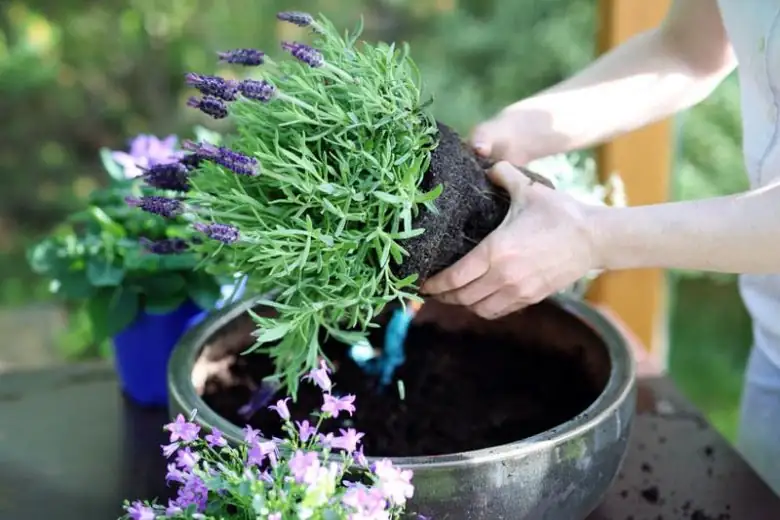
Lavender (Lavandula spp.): The drought-chic bodyguard
- Why it pairs: Sun, scent, and pollinator power. Lavender’s aromatic oils can help repel some nuisance insects, adding a fragrant buffer.
- Soil and water nuance: Lavender prefers leaner, drier soil than Arabian jasmine. That’s why many gardeners grow them in adjacent pots or in a bed with grading—lavender on the driest edge, jasmine in the richer pocket.
- How to place it:
- In beds: Keep 45–60 cm (18–24 in) from jasmine for airflow and so you can water each zone strategically.
- In pots: Separate, then cluster. Lavender gets a grittier mix and less frequent watering than jasmine.
Pro tip: Mixing water-lovers (basil, jasmine) and water-light plants (lavender) is easiest when each lives in its own container. Group the pots snugly so the foliage mingles, but the roots never argue.
The moonlit duet: Arabian jasmine + moonflower
For an evening garden that turns heads, pair Arabian jasmine with moonflower (Ipomoea alba). Both bloom white and intensify their perfume after sunset, drawing night-active pollinators.
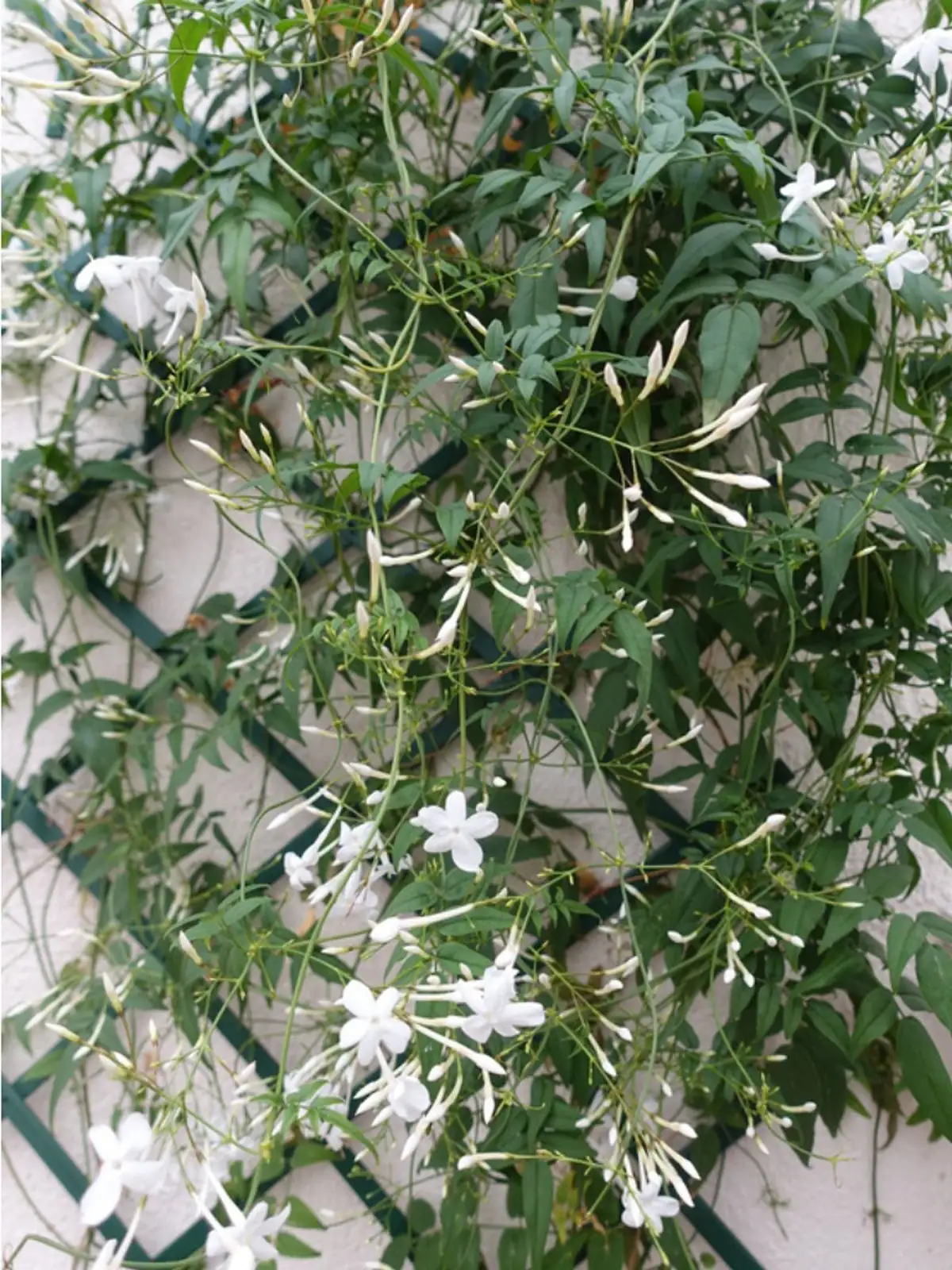
- Training: Give each a dedicated support. Let jasmine climb a trellis panel or small obelisk; let moonflower twine a separate arch or the upper rail so it won’t shade jasmine’s lower foliage.
- Spacing: Plant moonflower at least 30–45 cm (12–18 in) from jasmine’s base to protect airflow and sunlight.
- Heat fit: Both adore warm nights. In containers, moonflower is vigorous—use a tall stake and keep the mix sharply drained.
Spacing, drainage, and container design for hot patios
- Sun and airflow:
- Aim for 6–8+ hours of sun.
- Leave at least a palm’s width of air between foliage masses; 30–45 cm (12–18 in) spacing around jasmine prevents pest build-up.
- Pot size and materials:
- Jasmine is commonly sold in 15–20 cm (6–8 in) pots; step up only 2.5–5 cm (1–2 in) at a time to avoid soggy soil.
- For mixed displays, use separate, coordinated containers: e.g., jasmine in 25–30 cm (10–12 in), basil in 20–25 cm (8–10 in), lavender in 20–30 cm (8–12 in). Group them as one composition.
- Unglazed clay breathes in heat, helping prevent waterlogging.
- Mix recipe for jasmine (example): 60% high-quality, loam-based potting mix + 20% fine bark + 20% perlite or vermiculite. pH near 6.5–7.5.
- Drainage done right:
- Big, unobstructed holes; add pot feet or risers.
- Skip a “rocks layer” (it can trap water). Use uniform, free-draining mix from top to bottom.
- Watering cadence in heat:
- Water deeply when the top 2–3 cm (about 1 in) is dry; in peak summer, that can be every 1–3 days for jasmine (smaller pots may be daily).
- Empty saucers—jasmine hates wet feet.
- Basil will often need the most frequent water; lavender the least.
Three easy companion recipes (containers or beds)
1) Sun-kissed pest-smart trio
- Centerpiece: Arabian jasmine on a slim trellis.
- Flankers: Marigold ring at 20–30 cm (8–12 in) and a separate basil pot tucked close.
- Benefits: Daytime color, beneficial insects, and steady kitchen harvests; jasmine blooms freely with steady moisture.
2) Fragrance bar for the balcony
- Pot 1: Arabian jasmine in a rich, free-draining mix.
- Pot 2: Lavender in a gritty, drier mix (less compost, more mineral).
- Pot 3: Compact basil.
- Arrange in a triangle with 15–20 cm (6–8 in) between pots so scents mingle but watering can be customized.
3) Moonlit arch
- Bed or long planter: Train jasmine up a side trellis and moonflower up the arch top, keeping 30–45 cm (12–18 in) between root zones.
- Edge with marigolds. Add a small stool or chair—you’ll want to sit here at dusk.
Care rhythm in peak heat (so blooms keep coming)
- Light and temperature: Maximize sun; warm nights turbocharge scent. If afternoons scorch, a veil of dappled shade is fine.
- Water: Keep jasmine evenly moist (never boggy). Basil appreciates similar moisture; lavender prefers a longer dry-down.
- Feeding: During active growth, feed jasmine regularly (weekly to every 2 weeks) with a balanced fertilizer. If blooms lag, shift to a bloom-supporting formula and avoid pushing too much nitrogen. Go lighter on lavender.
- Pruning:
- Jasmine: Pinch tips for bushiness; prune back after a main flush to spark new bloom-ready shoots.
- Basil: Pinch flower spikes.
- Marigold/Lavender: Deadhead to extend the show.
- Humidity and airflow: Warm patios can be dry; occasional morning mist near (not on) jasmine flowers helps, and strong airflow reduces spider-mite pressure.
Troubleshooting (and how companions help)
- Few or no flowers: Usually not enough direct sun, overfeeding with nitrogen, irregular watering, or too-cool conditions. Correct light first.
- Pests to watch: Aphids, spider mites, whiteflies, scale, thrips. Your basil, lavender, and marigolds help create a less-inviting environment, but inspect often and act early with a gentle rinse or insecticidal soap/horticultural oil.
- Yellowing leaves: Often a watering or nutrient imbalance. Check drainage, then adjust feeding modestly.
- Leaf drop after chills: Bring containers indoors before nights slip below 10°C (50°F).
A note on meaning: why evening scent feels like a promise
Across Asia, Arabian jasmine has long symbolized love, purity, and gentle devotion—a natural fit for weddings and leis. The name itself echoes a gift—yasmin, “a gift from God.” You can feel why when the blooms open at dusk: night-scented flowers evolved to guide moths after dark, and we humans tuned our hearts to that same signal. In companion plantings that hum all day and glow at night—marigolds bright as sun coins, basil peppery and sweet, lavender cool and clean, moonflower luminous—you’re creating more than a planting plan. You’re composing a little ritual of devotion that returns, evening after evening, on a warm, perfumed breeze.


