

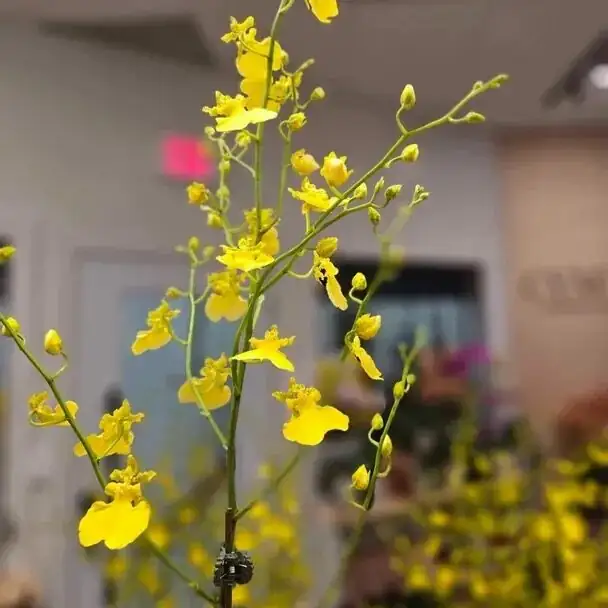
Meet the Dancing Lady Orchid—Oncidium and its lively hybrid clan—an exuberant spray of tiny “dancers” that charms…and sometimes attracts uninvited guests. This is your pest playbook: fast visual IDs, when each pest is most vulnerable, orchid-safe treatments that work (insecticidal soap and horticultural oil), and the airflow-and-sanitation routines that stop the comeback tour.
Heads up: everything here is tailored to Oncidium-type orchids in bright, filtered light, moderate humidity, and airy bark mixes—exactly how these epiphytic, pseudobulb-forming beauties prefer to live.
H2: The 10‑second field guide: fast visual IDs
H3: Scale (armored and soft)
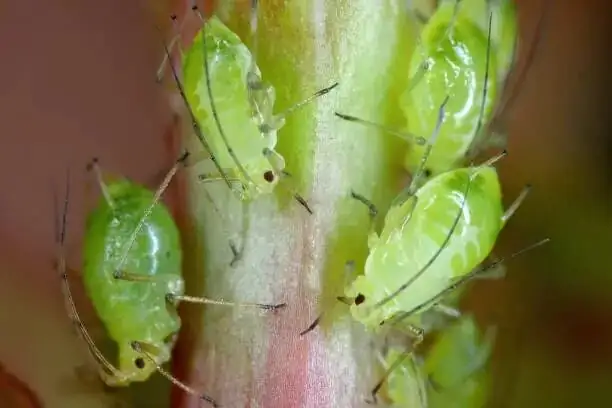
- What you see
- Armored scale: pinhead-sized tan/brown domes stuck to leaves, pseudobulbs, and rhizomes.
- Soft scale: round/oval bumps, often honeydew-shiny; may dot spikes and leaves.
- Hiding places
- Under old leaf and pseudobulb sheaths, leaf undersides, leaf axils, along the rhizome.
- Damage signature
- Yellow chlorotic blotches, sticky leaves (soft scale), premature leaf drop in bad cases.
- Quick confirm
- Flick with a toothpick—armored scale shells pop off; soft scale squishes and leaves honeydew.
H3: Mealybugs
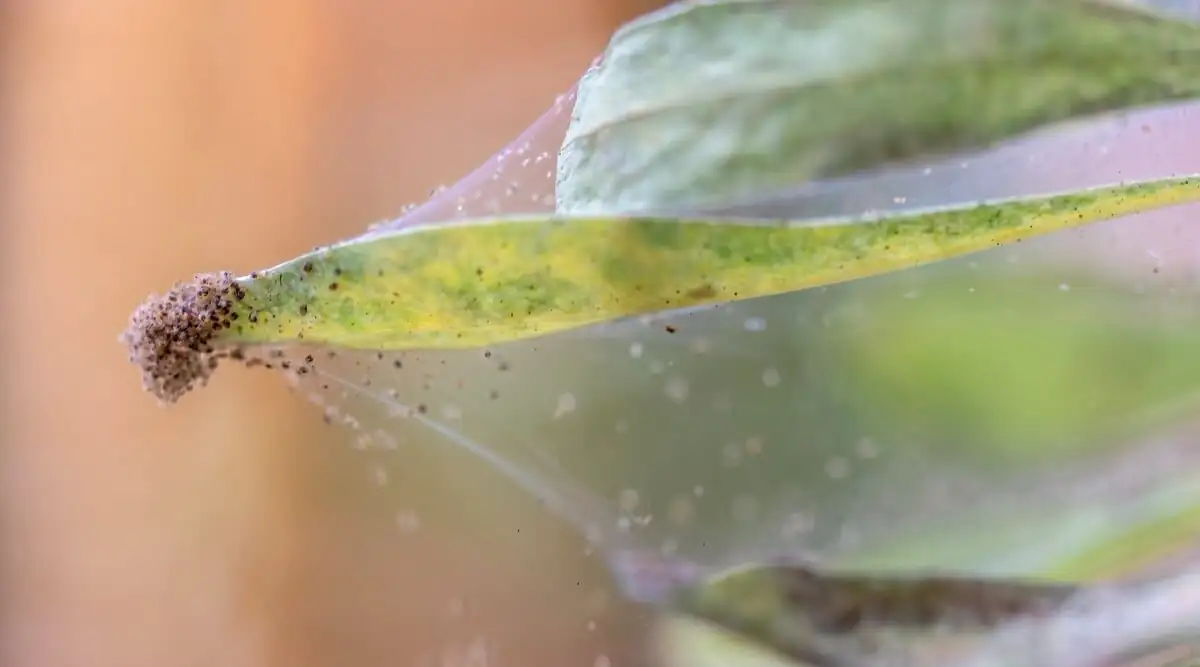
- What you see
- Tufts of cotton in leaf joints and around new growth; sometimes a powdery ring around roots or at the base of pseudobulbs.
- Hiding places
- Deep in crevices, inside tight leaf axils, along spikes and behind bracts.
- Damage signature
- Sticky honeydew and sooty mold; wilting new growth; deformed buds.
- Quick confirm
- Disturb the “cotton”—you’ll find soft, slow-moving, pale insects inside.
H3: Spider mites
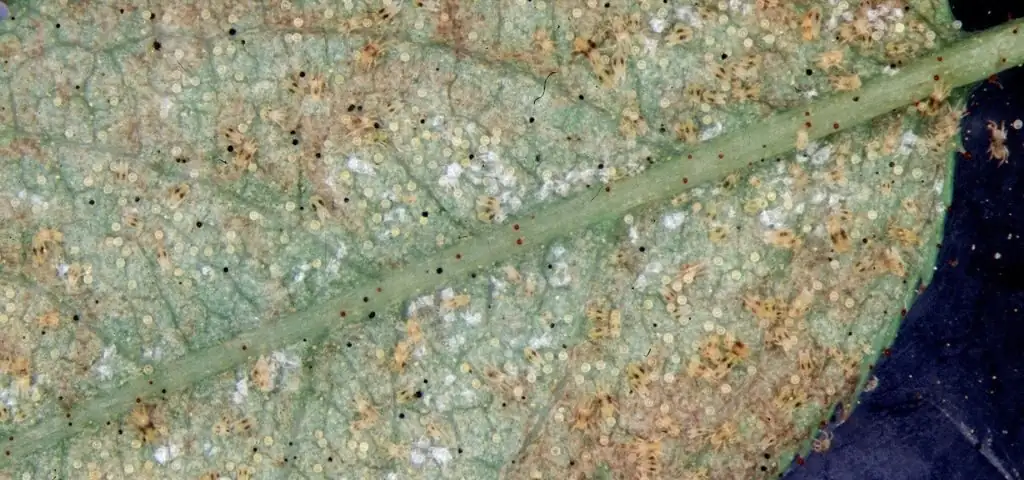
- What you see
- Fine stippling or silvery bronzing on leaves; faint webbing on undersides in severe cases.
- Hiding places
- Leaf undersides, especially on plants kept too warm, too dry, and too still.
- Damage signature
- Dull, dusty-looking foliage that doesn’t shine; slow decline, then speckled yellowing.
- Quick confirm
- Tap a leaf over white paper—see tiny red/brown specks scuttle? Mites.
H3: Aphids
- What you see
- Soft-bodied green, black, or peach insects clustered on spikes, buds, and fresh tips.
- Hiding places
- Inside developing buds and branch points on flower spikes.
- Damage signature
- Twisted buds, sticky honeydew, ant interest; distorted new growth.
- Quick confirm
- Gently roll a bud—soft insects crush easily and leave greenish residue.
H2: When to strike: life-cycle timing that beats each pest
- Scale
- Kryptonite: the crawler stage (the tiny mobile babies). Adults hide under shields.
- Timing: target with sprays; repeat every 10–14 days for several cycles to catch new hatchlings.
- Mealybugs
- Fast repro: many species mature and lay eggs in a few to several weeks (roughly 3–10 weeks, temperature-dependent).
- Timing: disrupt nests physically first, then spray; repeat weekly until no new cotton appears.
- Spider mites
- Thrive in warm, dry air with poor airflow; life cycles can be very quick in heat.
- Timing: consecutive weekly sprays + a humidity/airflow reset break the cycle.
- Aphids
- Rapid repro on tender spikes and buds, especially in spring and during autumn flowering.
- Timing: early spray at first sight; repeat in a week to mop up stragglers.
H2: Orchid-safe treatments that actually work
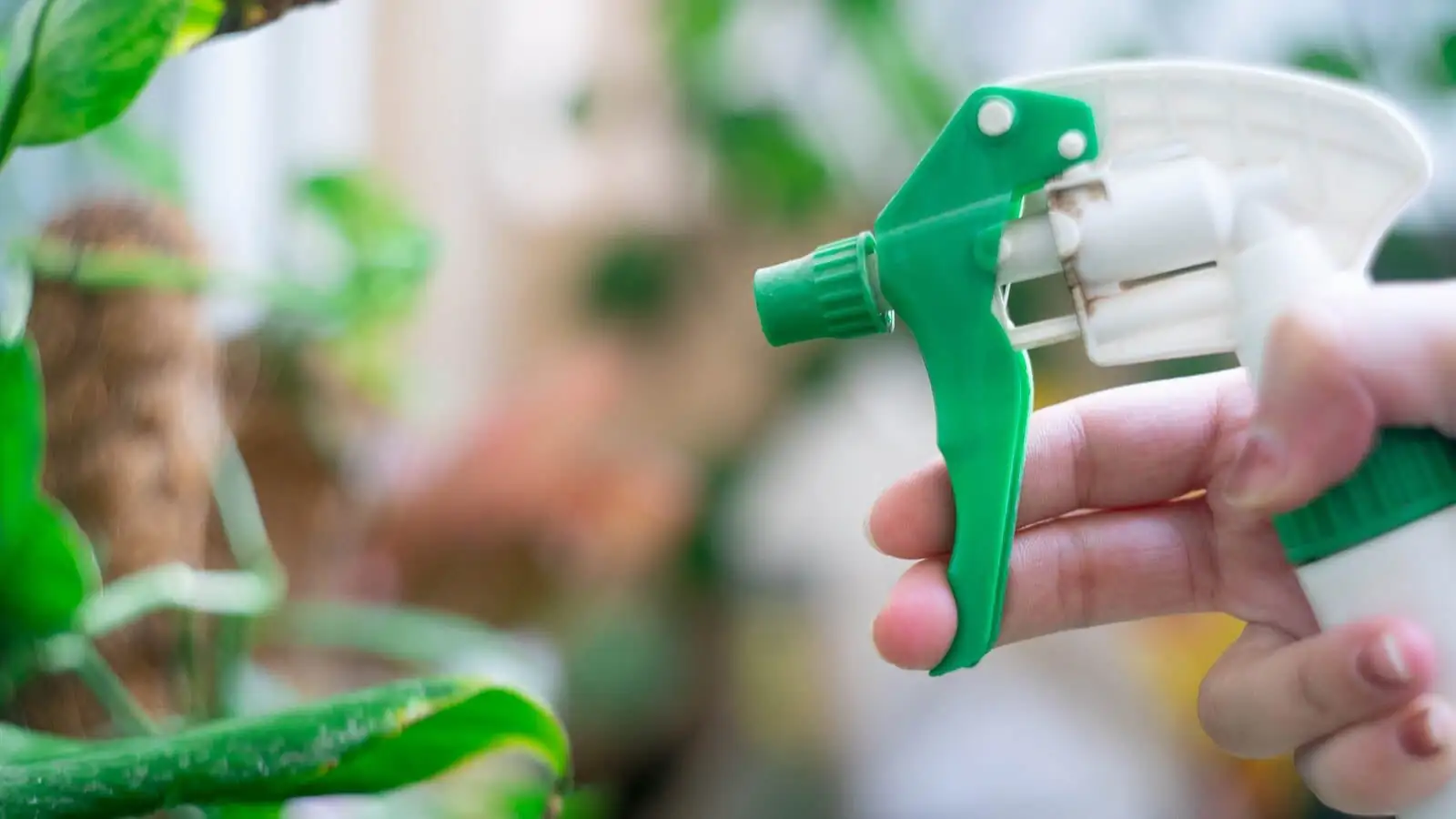
Use contact treatments thoroughly and consistently. Always follow label directions and local regulations.
H3: Before you spray: prep for success
- Isolate the plant. Keep it away from your collection while you treat.
- Pre-rinse with tepid water. This knocks off dust, honeydew, and some pests so sprays contact better.
- Peel old sheaths. Gently remove dried pseudobulb sheaths where scale and mealybugs hide.
- Shade and cool. Treat in the coolest part of the day, with bright shade and gentle airflow.
H3: Insecticidal soap (for aphids, mealybugs, mites, young scale)
- Why it works
- Soap dissolves pest cuticles and disrupts membranes—great on soft-bodied insects and mite nymphs.
- How to use it well
- Mix and apply exactly as labeled. Thorough coverage is everything—especially leaf undersides, axils, behind sheaths, and along spikes.
- Keep it wet for several minutes; ensure runoff reaches crevices.
- Avoid drenching open flowers; it can spot or shorten their life.
- Repeat cadence
- Reapply in 7 days, then again if needed.
H3: Horticultural oil (superior/summer oil; smothers pests)
- Why it works
- Thin, highly refined oil coats and suffocates pests and some eggs (including scale and mites).
- How to use it well
- Use only products labeled for in-leaf application; apply in bright shade, not in hot sun or heat waves.
- Ensure even, glossy coverage of all plant surfaces, especially the undersides and inside axils.
- Good airflow is essential after spraying so leaves dry within a few hours.
- Safety notes for orchids
- Test-spray one leaf first and wait 24–48 hours if you’ve never used that product on your plant.
- Don’t spray heat-stressed plants or above roughly 29–32°C (85–90°F).
- Never tank-mix soap and oil together; alternate them by at least 4–7 days.
- Repeat cadence
- Reapply in 10–14 days for scale to nail the crawler wave; 7–10 days for mites/mealybugs if needed.
H3: Mechanical assists that boost results
- Strong tepid rinse or shower first to reduce numbers.
- Cotton swab or soft brush to dislodge mealy “nests” and scale shells before spraying.
- Do not rely on alcohol alone for mealybugs; physical removal plus a labeled soap or oil spray is more reliable.
H3: Aftercare
- Lightly rinse residues off leaves 12–24 hours later if you see spotting or soap scum—keep water off the blooms.
- Keep the plant in bright, filtered light with steady airflow for fast recovery.
H2: Airflow and sanitation routines that stop re-infestations
Make your Oncidium a place pests don’t want to live.
H3: Air and light, tuned for orchids
- Bright, filtered light; avoid harsh midday sun that scorches leaves.
- Gentle, continuous airflow so leaves dry within a few hours after watering or misting.
- Humidity around 40–60% paired with airflow reduces mite pressure yet avoids wet stagnation that fosters rot.
H3: The water rhythm that keeps rots away
- Water thoroughly, then let the orchid bark approach dryness—never constantly soggy.
- In active growth and bud/spike stages, avoid harsh droughts that cause bud yellowing and drop.
- In winter, many Oncidium-types slow down—water sparingly. If temperatures dip below about 10°C (50°F), keep much drier to minimize rot risk.
H3: Media, spacing, and cleanliness
- Use fresh, airy orchid mix (fine-to-medium bark with perlite/charcoal). Repot every 1–2 years or when the mix breaks down.
- Space plants so leaves don’t touch; this stops pest bridges and lets air move.
- Remove dead leaves and dried sheaths that become scale condos.
- Disinfect tools between plants; don’t reuse old mix. Clean benches and saucers regularly.
- Quarantine new orchids for 3–4 weeks; inspect undersides, sheaths, and spikes weekly.
- Manage ants if you see them—they farm honeydew producers like aphids and soft scale.
H2: Disease watch: spots and rots tied to moisture mistakes
- Leaf spot/black spot and rust
- Triggers: water lingering on leaves/flowers, stagnant air.
- Response: improve airflow, water early in the day, remove affected tissue, and avoid wetting blooms.
- Soft rot/root rot
- Triggers: staying too wet, cold + wet, stale compacted media.
- Response: unpot, cut away rotted tissue, refresh into airy mix, and reset watering to the wet-then-almost-dry rhythm.
H2: Pest calendar for Oncidium (what to scout, when)
- Spring (new growth begins)
- Watch: aphids and mealybugs on tender growth.
- Do: resume regular watering and light feeding; boost airflow as days warm.
- Summer (active growth; outdoors needs shade)
- Watch: spider mites in hot, dry spells; scale under sheaths.
- Do: 30–50% shade outside; water more often in heat; keep humidity with airflow.
- Autumn (many hybrids bloom)
- Watch: aphids on spikes and buds; mealybugs in bracts.
- Do: keep moisture steady to prevent bud drop; inspect spikes every few days.
- Winter (many slow down; some bloom)
- Watch: scale tucked under sheaths; mites if air is very dry indoors.
- Do: keep cooler, bright conditions; reduce watering strongly; provide gentle airflow.
H2: Growing conditions that make pest management easier
- Light: bright, filtered/indirect; an east window is ideal; lightly shaded south or west can work.
- Temperature: generally 12–25°C (54–77°F) with cooler nights; keep above about 8°C (46°F).
- Humidity: about 40–60% with airflow; use pebble trays or a humidifier and mist only in the morning so leaves dry fast.
- Potting: snug pots with excellent drainage; mounts/baskets work if you can water more often.
- Pruning: cut spent spikes once they brown; stake long spikes to prevent damage.
H2: Quick rescue plans
- Light mealybug/aphid outbreak on spikes
- Step 1: Rinse the plant, especially buds and undersides.
- Step 2: Spot-wipe cottony clusters, then spray with insecticidal soap.
- Step 3: Recheck and respray in 7 days; avoid oil on open blooms.
- Scale outbreak under sheaths
- Step 1: Peel dry sheaths; brush off adults.
- Step 2: Spray all surfaces (especially undersides and axils) with horticultural oil labeled for in-leaf use.
- Step 3: Repeat in 10–14 days; do 2–3 rounds to catch crawlers.
H2: Safety, pets, and you
- Most orchid-safe soaps and horticultural oils are gentle when used as labeled; wear gloves and protect your eyes.
- Dancing Lady Orchids are generally considered non-toxic to people and often listed as non-toxic to cats and dogs—still, discourage nibbling.
H2: A final note on meaning and mood
Dancing Lady Orchids are often gifted for their spirited sprays that look like tiny skirted figures mid-twirl—no surprise they symbolize joy, celebration, and lively elegance. Grow them in bright, filtered light with that signature orchid rhythm—wet, then almost dry—and keep the air moving. Do that, and your Oncidium will out-dance pests and deliver long, showy performances most months of the year, depending on the hybrid.
Your credo from here on out
- Scout weekly. Spray deliberately. Repeat on schedule.
- Keep the air light, the medium airy, the water timely.
- Peel the hideouts, clean the tools, quarantine the newcomers.
That’s how you win the pest game—gracefully.