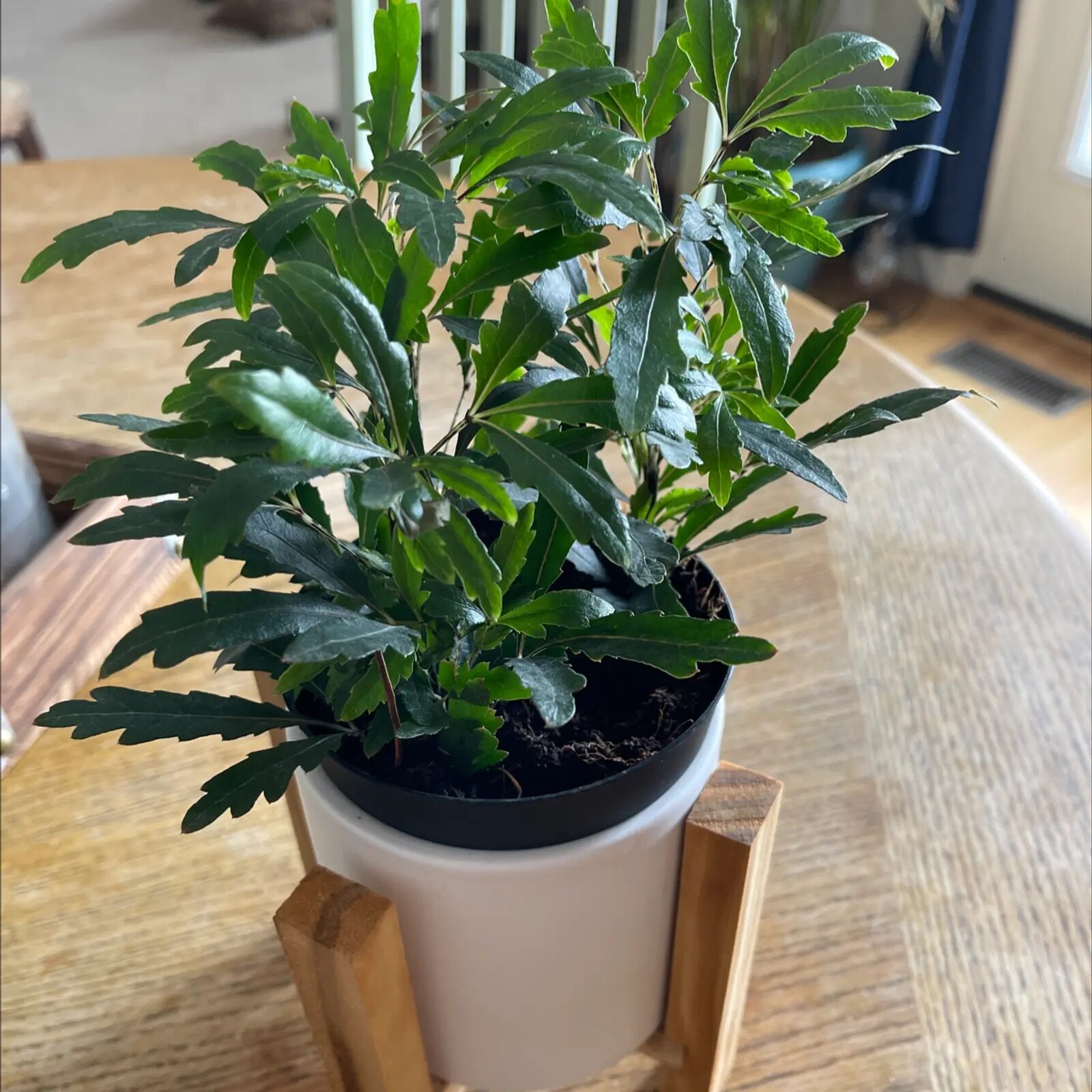
False aralia’s lacy leaves look delicate, but they’ll stand tall if you outsmart the two pests most likely to crash the party—scale insects and aphids—and head off leaf spot before it spreads. Here’s a practical, plant-safe game plan built around early detection, smart soap/oil rotations, gentle Q‑tip removals, better airflow, and confident recovery care.
Meet your plant: quick context for smarter pest control
- Name: Polyscias elegantissima (aka False Aralia, Aralia Elegantissima, Ming Aralia)
- Family: Araliaceae; origin: Madagascar
- Habit: Evergreen shrub to small tree with finely divided, feathery foliage; fast-growing and can get leggy if not shaped
- Light: Bright, filtered light to partial shade; harsh sun can scorch
- Indoors year‑round: Aim for 20–30°C (68–86°F), above 13°C (55°F) in winter; loves humidity around 60%+
- Water: Keep the potting mix slightly and evenly moist—never bone‑dry for long or waterlogged
Why this matters for pests and disease: a warm, bright, gently humid environment keeps stress low, which means fewer pest explosions and faster recovery after treatment.
Early detection: the 60‑second weekly check
Make a quick date with your plant once a week. It’s the easiest way to stop problems early.
What to look for
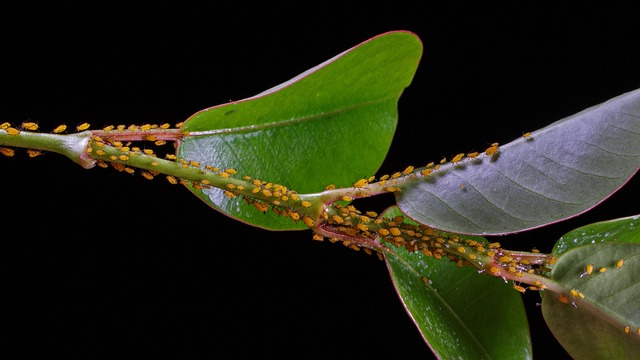
- On new growth and leaf undersides: tiny green/black aphids, curled or sticky leaves, distorted tips
- Along stems, leaf petioles, and where leaflets join: brown/tan domes or “barnacles” (scale insects), often with sticky honeydew
- On surrounding surfaces: shiny stickiness or sooty mold (a black film that grows on honeydew)
- For leaf spot: round or irregular brown spots with yellow halos; remove affected leaves immediately
Tools that help
- A handheld magnifier or your phone’s macro mode
- A white tissue to dab sticky honeydew
- Yellow sticky cards nearby (to catch flying aphids early)
- Good light and a slow turn of the plant to see the inner canopy
Precision removal: the Q‑tip triage that buys you time
Scale adults are armored and shrug off many sprays. Remove them first so your later treatments reach any “crawler” stages that hatch.
Step‑by‑step
- Isolate the plant from its neighbors.
- Mix 70% isopropyl alcohol in a cup and dip a cotton swab.
- Dab each scale for a second or two to loosen its shell, then wipe it off the stem or leaflet midrib. For aphids, a gentle wipe is usually enough.
- Refresh swabs often; don’t smear pests around.
- After 10–15 minutes, lightly rinse the plant with lukewarm water to remove residue and honeydew. Let it dry in bright, indirect light.
Tip: Test the alcohol on one leaflet first and wait a day. False aralia generally tolerates brief dabs, but a spot test is the safe move.
The soap–oil rotation that works
Insecticidal soaps and horticultural oils are contact‑only tools with low residue. They shine when you alternate them and repeat—perfect for aphids and the crawler stage of scale.
Why rotate?
- Soaps disrupt soft-bodied pests and help wash off honeydew and sooty mold.
- Horticultural oils smother eggs, crawlers, and aphids on contact.
- Alternating reduces the chance of survivors and keeps your plant clean without resorting to harsher chemicals.
How to run a cycle
- Week 0: Do the Q‑tip cleanup first.
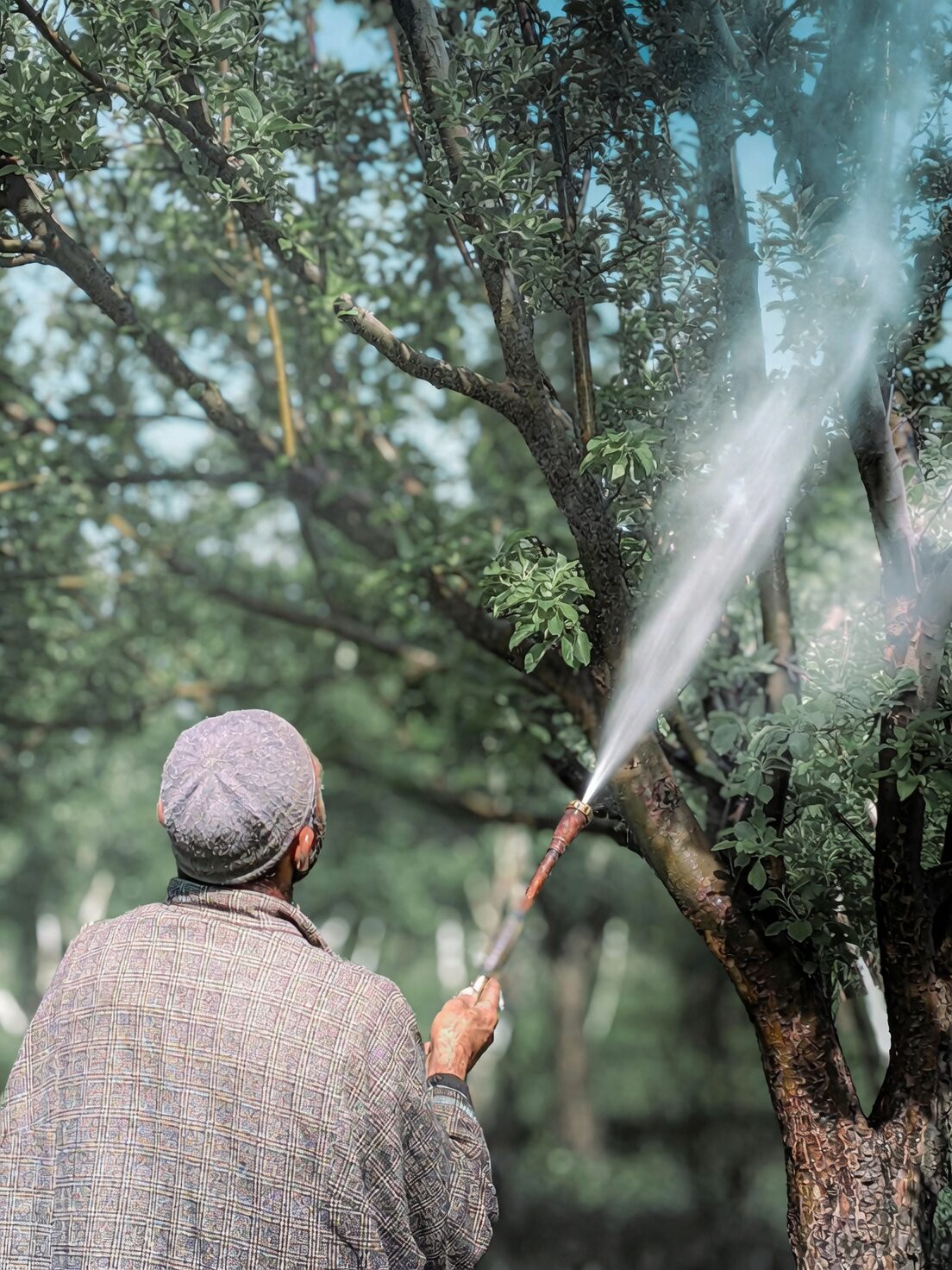
- Day 1: Spray insecticidal soap labeled for indoor plants. Thoroughly wet all surfaces—tops, undersides, stems, and especially nodes—until just shy of runoff.
- Day 6–7: Switch to a ready‑to‑use horticultural oil (lightweight, indoor-safe). Again, full coverage is key.
- Day 12–14: Repeat insecticidal soap.
- Day 18–21: Repeat horticultural oil if you still see activity.
Usually 2–3 weeks of rotation cleans up an infestation. Keep inspecting new growth each week for a month.
Application checklist (to protect those delicate leaves)
- Always use labeled, ready‑to‑use products—not homemade dish soap mixes.
- Test-spray a small section and wait 24 hours.
- Water the plant the evening before spraying; never spray a thirsty, heat‑stressed plant.
- Apply in the cooler part of the day with gentle airflow; avoid strong sun and avoid temperatures near extremes.
- Do not mix soap and oil in the same application, and give several days between them.
- Wipe drips off furniture and cover the soil surface if you’re concerned about runoff.
- After 24 hours, you can lightly rinse the foliage to restore that crisp, feathery look.
Signs it’s working
- Fewer fresh aphids on new growth
- No new honeydew or sooty mold
- Scale pop off more easily; no new tiny “crawler” dots around older scale sites
Airflow, spacing, and leaf-spot prevention
False aralia prefers moist air around the plant—not wet leaves that sit damp overnight.
Do this to prevent leaf spot and keep pests at bay
- Space and shape: Leave a few inches between your plant and walls/curtains. Lightly thin congested interior shoots during active growth to open the canopy.
- Watering style: Water the potting mix, not the foliage. Morning is best. Avoid late‑day splashing of leaves.
- Humidity with dry leaves: Target around 60% room humidity, but ensure leaves dry by evening. If you mist in dry spells, do it early and sparingly.
- Clean cuts: If you remove spotted leaves, sterilize shears between cuts.
- Gentle circulation: A small fan on low across the room keeps air moving without chilling drafts. Avoid placing the plant in the path of air‑conditioning vents or cold windows.
- If spots keep spreading: Remove affected leaves, improve airflow, avoid wetting foliage late in the day, and consider an appropriate indoor‑labeled fungicide.
Aftercare and recovery: bring back the feathery glow
Post‑treatment, help your plant rebound quickly.
- Light: Bright, filtered light; avoid harsh sun that can scorch recovering leaves. Seasonal tip indoors: east‑facing light in spring/autumn, gentler north‑facing light in summer, and the brightest spot (often south‑facing) in winter.
- Temperature: Keep it warm (20–30°C / 68–86°F) and well away from cold drafts; never below 13°C (55°F).
- Watering: Keep the mix slightly moist and even. Avoid the “soak, then bone‑dry” cycle, which can trigger leaf drop.
- Feeding: Pause fertilizer until you see clean new growth, then feed monthly in the growing season with a balanced fertilizer. Stop in winter.
- Grooming: After each spray cycle, gently wipe leaves to remove residues and honeydew so the foliage looks crisp again.
- Pruning for fullness: Once vigorous again, cut stems back by about one‑third in early summer. When new shoots appear, prune once more. Repeating this 2–3 times encourages branching and a denser crown.
- Quarantine newcomers: Keep newly purchased plants separate for 2–3 weeks to avoid reinfestation.
What’s normal during recovery
- A few older leaves may yellow or drop—especially if the plant was stressed by cold, dryness, or treatment. Focus on the quality of new growth.
- Slight leaf dullness after sprays; a gentle rinse the next day restores shine.
Quick troubleshooting
- Sticky leaves, ants, or black sooty mold: You have honeydew from aphids or scale—start the Q‑tip cleanup plus soap–oil rotation.
- “Bumps” that don’t move: Likely mature scale; remove by hand, then spray for crawlers.
- Twisted new tips or clustered insects on soft growth: Aphids—start with insecticidal soap and repeat.
- Spots enlarging after overhead watering: Remove spotted leaves, boost airflow, and avoid wet leaves late in the day.
Safety notes
- Keep out of reach of children and pets. While toxicity isn’t consistently confirmed, treat the plant as potentially irritating if chewed and wash hands after pruning or treatments.
- Always follow product labels for indoor use.
A note on symbolism (flower language)
False aralia is cherished in some regions as a good‑luck foliage plant, linked with prosperity and well‑being. This meaning doesn’t come from flowers (its blooms are small and uncommon indoors) but from cultural associations with lush, thriving greenery—especially in parts of China, where its poised, refined silhouette evokes a prosperous, harmonious home.
With early detection, a calm soap–oil rhythm, and breezy, leaf‑drying airflow, Polyscias elegantissima keeps its elegant poise—and your space keeps that serene, tropical feel all year.