

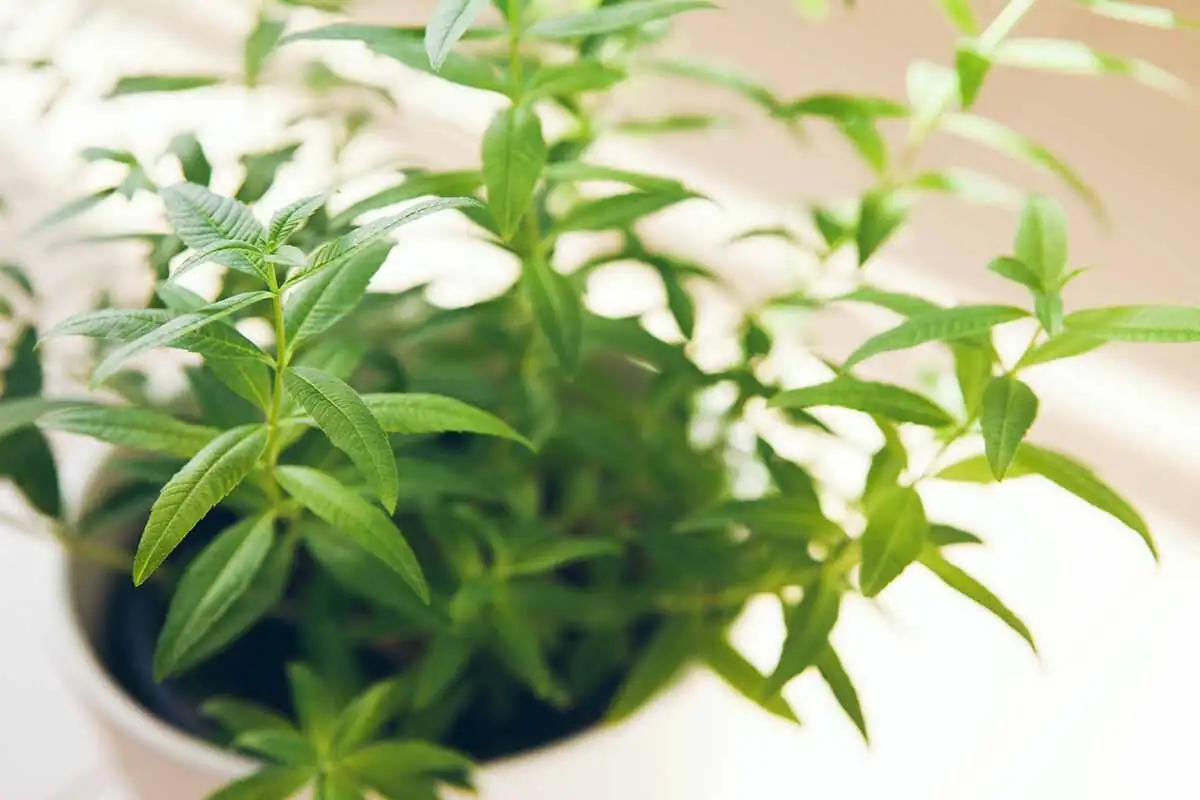
Garden verbena (Verbena × hybrida) is the quintessential summer charmer—mounded, flower-packed, and unfazed by heat so long as its feet drain well. When the season cools, though, this tender beauty needs a thoughtful “wintering-in” to keep the floral show coming next spring. Here’s your step‑by‑step plan to move it from long summer days to a cool, bright winter rest—and then reboot it for extra‑early blooms.
Winter at a glance: the targets that keep verbena happy
- Temperature: cool and steady—ideally 12–16°C (54–61°F). For earliest indoor flowering, aim for ~16°C (61°F) days and ~12°C (54°F) nights.
- Light: as bright as you can give—full sun indoors or strong grow lights; keep airflow moving.
- Water: lightly moist, never wet; avoid leaving pots standing in water.
- Air: crisp and fresh; avoid stagnant corners to reduce mildew pressure.
When to lift or move pots indoors
Garden verbena isn’t reliably frost‑hardy. Many cultivars can shrug off brief dips to about -5°C (23°F), but hard frost is risky—so act before it arrives.
- Watch the forecast
- Move containers indoors when nights start dipping to around 5°C (41°F) or when the first frost is forecast.
- In mild-winter areas (roughly USDA Zone 9–11), plants may overwinter outdoors with protection and excellent drainage. Everywhere else, plan to bring them in.
- For plants in pots
- Shift them to the brightest, coolest indoor spot you have (sunny window, unheated sunroom, bright stairwell, or under lights).
- For plants in the ground (cold-winter regions)
- Lift before hard frost: dig a neat root ball, keeping as much root as possible.
- Pot into a very free‑draining mix (quality potting soil cut with perlite or coarse sand). Choose a container with ample drainage holes; avoid oversized pots that hold excess moisture.
Sanitize and prune before they come inside
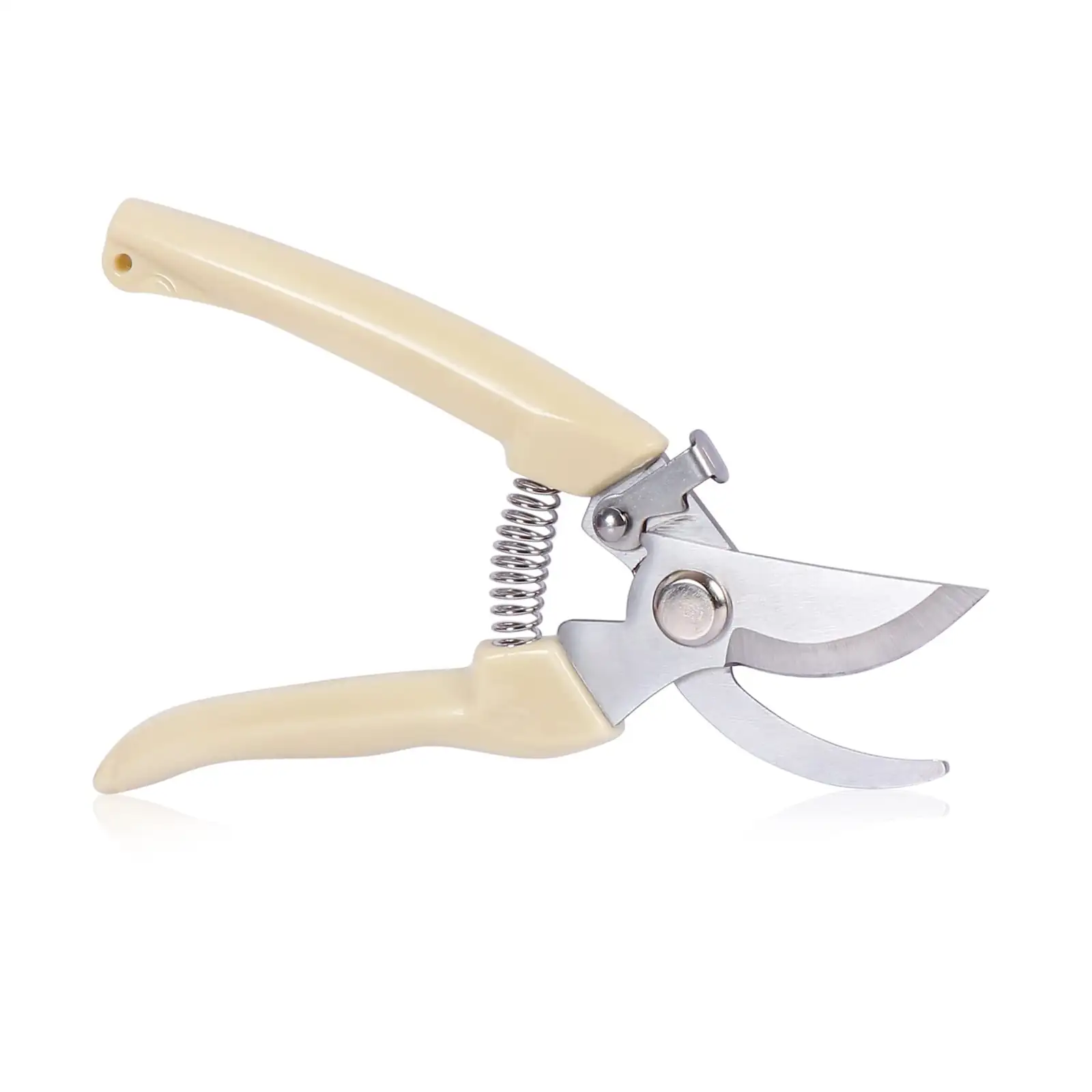
Think of this as tucking verbena in with a tidy haircut and clean pajamas.
- Clean tools and pots
- Disinfect pruners and any reused containers with 70% isopropyl alcohol or a 10% bleach solution; rinse and dry thoroughly.
- Prune back to reset shape
- Reduce plants by about 1/3 to 1/2, focusing on leggy, weak, or shadowed stems. This curbs transpiration, improves airflow, and stimulates compact, branching regrowth.
- Deadhead all spent flower clusters.
- Strip trouble leaves
- Remove any foliage with powdery or downy mildew spotting; discard in the trash (not the compost).
Do a pest and disease check at the door
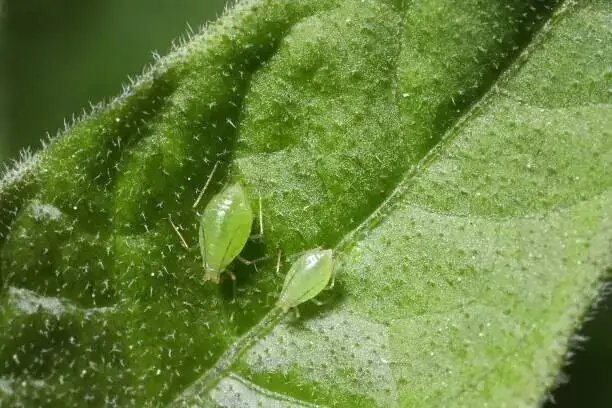
- Look for
- Aphids and whiteflies (common hitchhikers). Check shoot tips and leaf undersides.
- Mildews (powdery or downy) favored by stale air and wet leaves.
- Act quickly
- Isolate newcomers for 10–14 days.
- Treat soft‑bodied pests with insecticidal soap; use a labeled pyrethrin/pyrethroid product if needed, following directions carefully.
- Improve ventilation; avoid late‑day overhead watering; remove infected leaves promptly.
Set the winter environment: light, temperature, and airflow
- Temperature
- Sweet spot: 12–16°C (54–61°F).
- For early indoor blooms: ~16°C days and ~12°C nights.
- Avoid very warm rooms with weak light—this invites legginess and mildew.
- Light
- Aim for full sun indoors. South or west windows are ideal in winter.
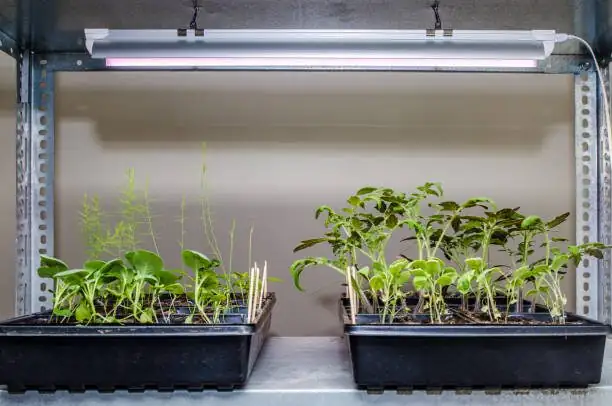
- Supplement with LED grow lights if needed: 12–14 hours daily, keeping the fixture 20–30 cm (8–12 in) above the canopy. Rotate pots weekly for even growth.
- Airflow
- Space plants so leaves don’t touch. A small, gentle fan on low helps keep mildew at bay.
Watering and feeding through winter
- Watering
- Keep the mix lightly moist—never soggy. Let the top 2–3 cm (about an inch) dry before watering again.
- Water deeply, then let excess drain; empty saucers.
- Skip routine misting (wet leaves favor mildew). Bottom‑watering is fine if you let the pot drain off afterward.
- Feeding
- Hold fertilizer while growth is slow. Resume feeding as days lengthen and new shoots accelerate.
The spring reboot: pinch, feed, and fast‑track blooms
As light returns (late winter to early spring), verbena is ready to reawaken. Your job: encourage branching and set it up for a flower‑heavy season.
- Step up care as growth ramps
- Increase watering frequency slightly, still avoiding waterlogging.
- Begin feeding every two weeks with a balanced fertilizer (e.g., 20‑20‑20) at label strength.
- Pinch for power
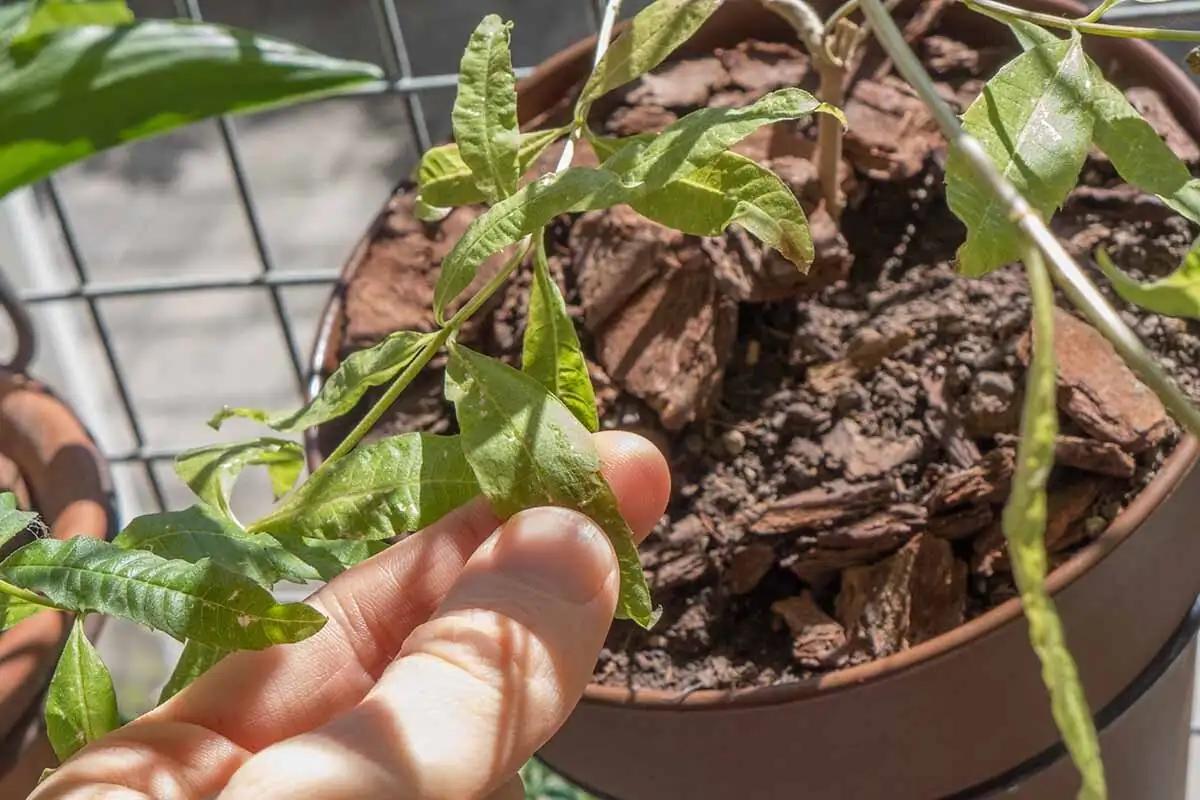
- When stems reach about 10–12 cm (4–5 in), pinch out the tip above the 3rd–4th node. This triggers side shoots and a fuller dome of flower clusters.
- If growth is still lanky after two weeks, pinch once more for symmetry.
- Repot or refresh
- If roots circle the pot, step up one size only (avoid big jumps). Refresh tired mix with a loose, well‑drained blend.
- Harden off before the outdoor move
- Once frost risk has passed, acclimate plants to outdoor sun over 7–10 days: start in bright shade, then increase direct sun daily.
- Place in a sunny, airy location—full sun (6+ hours) keeps stems stocky and colors vivid.
- Keep the momentum going
- Deadhead spent clusters to trigger repeat flushes from summer into fall.
- If plants crowd or splay midseason, cut back by 1/3 to 1/2 to reset and spark new bloom spikes. Use healthy trimmings as cuttings.
Propagation bonus: multiply your favorites
- Take soft, non‑woody tip cuttings from healthy overwintered plants.
- Root in vermiculite or start in water; pot up once roots form.
- For seed starting, sow shallowly in spring; best germination at 20–22°C (68–72°F). Transplant after roughly 30 days.
Troubleshooting quick fixes
- Leggy, pale growth
- Cause: not enough light and/or too warm.
- Fix: move to brighter light, keep temps near 12–16°C, and pinch.
- Mildew on leaves
- Cause: stagnant air, wet foliage, dim light.
- Fix: prune for airflow, run a fan on low, water soil only, remove infected parts.
- Leaves yellowing, soil stays wet
- Cause: overwatering or poor drainage.
- Fix: let the top layer dry between waterings, improve drainage, never leave pots standing in water.
- Few flowers despite healthy leaves
- Cause: low light or excess nitrogen.
- Fix: move to full sun/strong light, switch to balanced feeding and deadhead regularly.
A small note on symbolism
In Western floriography (the Victorian “language of flowers”), verbena often carries a message of togetherness and unity—one reason it’s a favorite for “harmony at home” plantings. Treat those meanings as cultural poetry rather than botany; the real magic is how a well‑tended verbena knits a space together with nonstop, bright clusters from summer into fall.
By giving Garden verbena a cool, bright perch (12–16°C), light but steady moisture, and a careful spring pinch, you’ll wake it early and keep it compact, colorful, and blooming hard—on windowsills, balconies, beds, and baskets—all season long.