
Think peony-level drama on a cooler, more compact stage. Persian buttercup (Ranunculus asiaticus) dazzles with satin-sheened petals that unfurl in hypnotic stages—and it all starts from those wonderfully weird, claw-like tubers. Here’s your bite-sized, trivia-packed guide to growing, styling, and savoring this spring showstopper.
Quick, delightful facts to wow your plant pals
- Claws to couture: Those “octopus-like” claws are tubers—storage organs that pack the energy for spring fireworks.
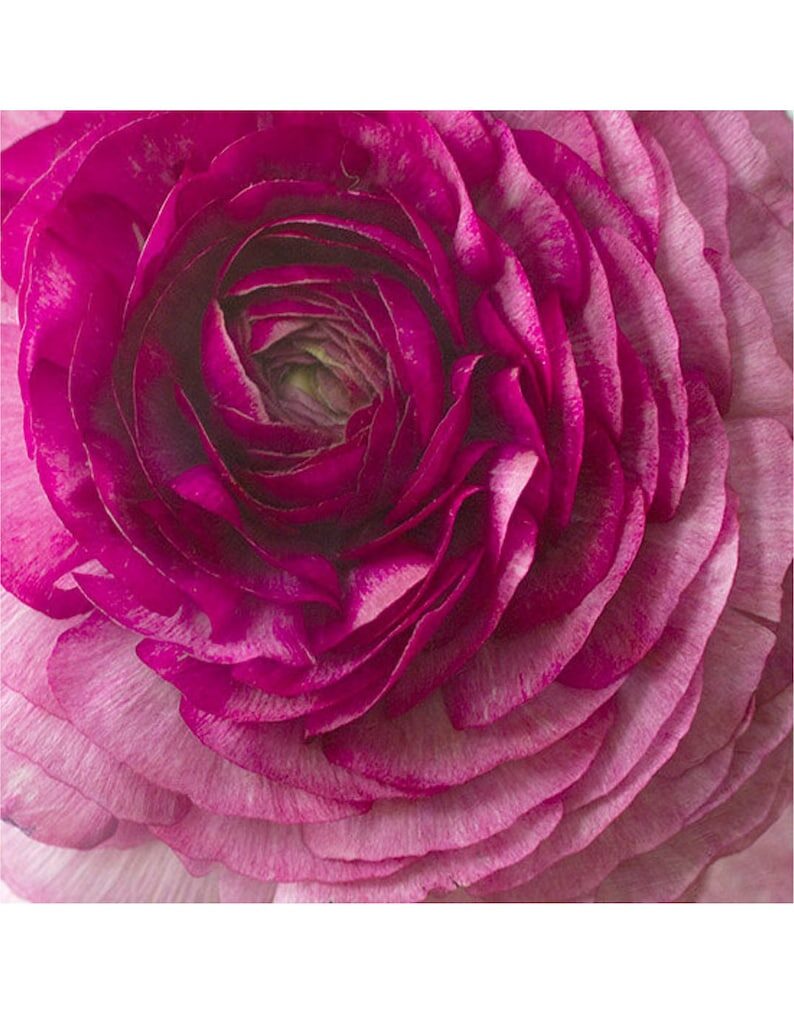
- Satin, not gloss: Petals often catch light with a soft, satin-like sheen, giving blooms a luxe, fabric finish on camera and in person.
- A bloom in slow motion: Flowers open in mesmerizing stages—from a tight rosette to a full, layered cup—so one stem can look different every day.
- Cool-season star: Thrives in bright, cool conditions; when heat moves in, buttercups gracefully yellow and slip into summer dormancy (perfectly normal).
- Cut-flower royalty: Long, elegant stems and rose- or peony-like doubles make it a florist favorite; the staged opening keeps arrangements interesting all week.
Meet Persian Buttercup (Ranunculus asiaticus)
- Family: Ranunculaceae; Genus: Ranunculus
- Origins: Mediterranean coastal regions, northeastern Africa, and southwestern Asia
- Habit: Tuberous perennial with distinctive claw-like tubers; usually grown as a cool-season annual
- Size: Typically 20–45 cm (8–18 in) tall; spreads 15–30 cm (6–12 in)
- Foliage: Bright green, deeply lobed rosette that naturally declines as the plant prepares for dormancy
- Flowers: Tightly layered, often fully double rosettes in white, yellow, pink, red, orange, purple, and striking bicolors (including antique/brownish tones)
- Season: Late spring to early summer; earlier in mild winter climates
The hypnotic “stage show”: how blooms open
Ranunculus petals are arranged in many neat whorls. As temperatures stay cool and moisture is steady, the outermost petals slowly relax:
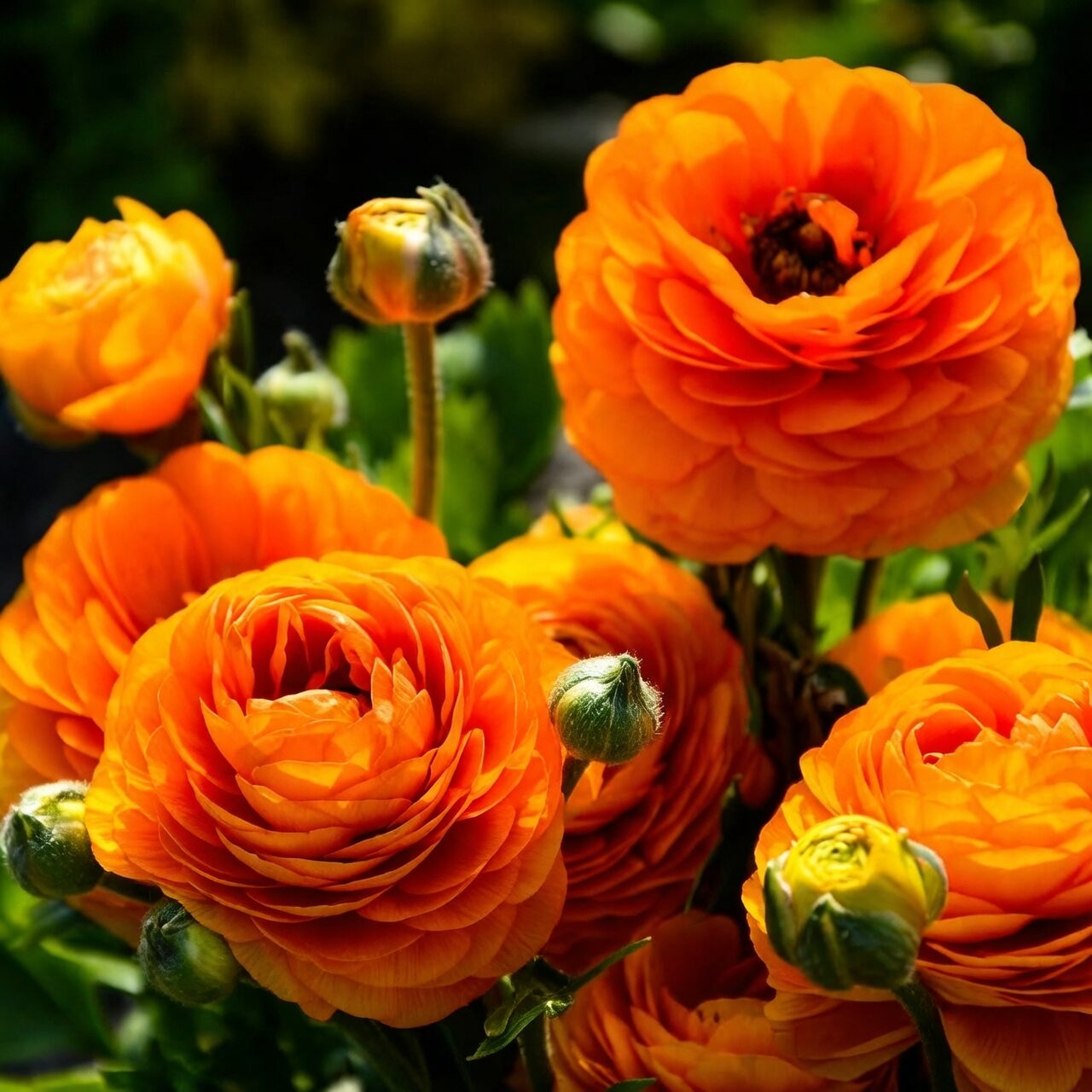
1) Button stage: a tight, perfect sphere for bud vases.
2) Teacup stage: petals begin to cup, revealing luminous inner layers.
3) Full swirl: a luxuriant, rose-like rosette—prime time for portraits.
This staggered opening is why a single bunch can deliver a week of changing textures on your table.
Where they shine: light, air, and temps
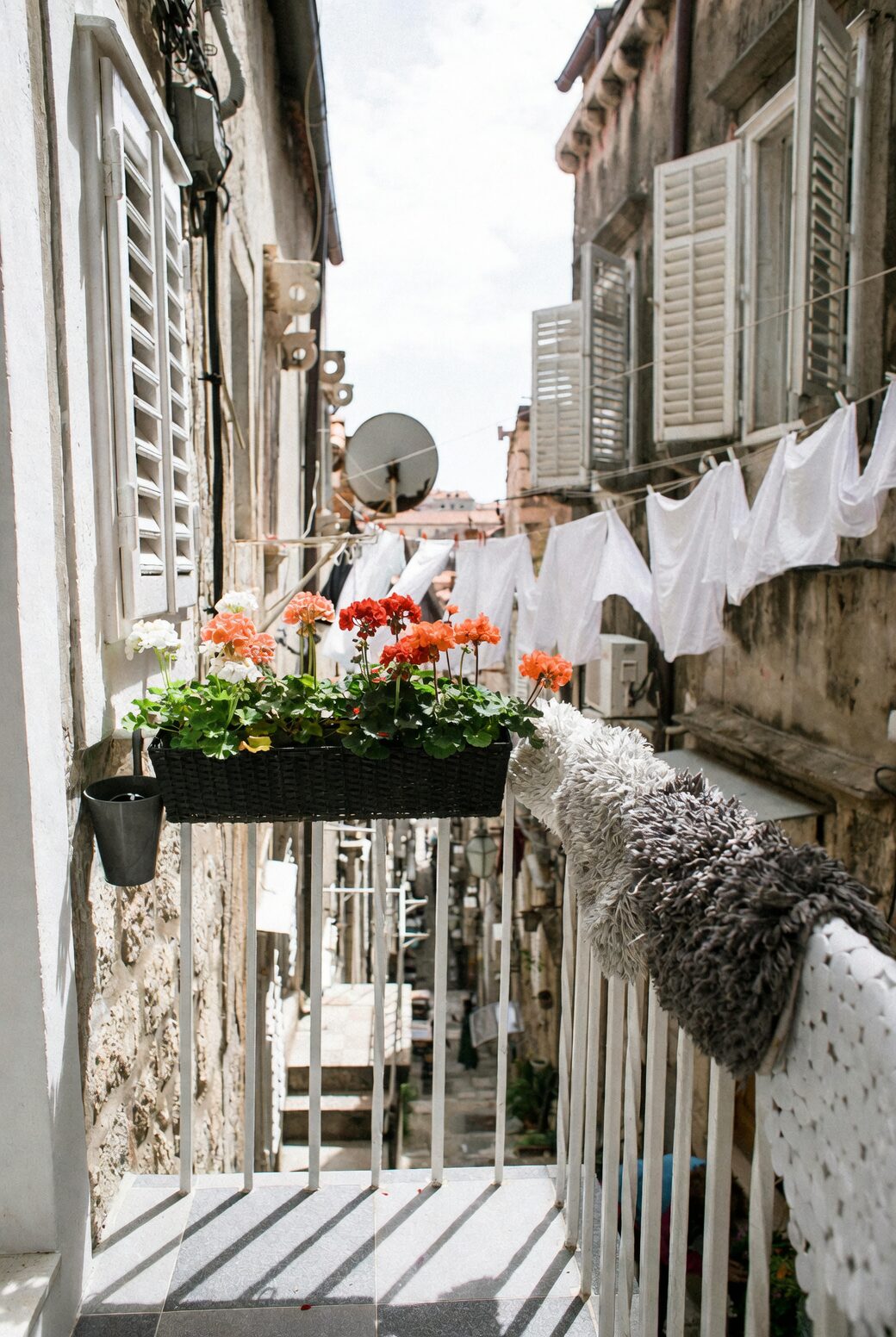
- Sunlight: Bright light to full sun; in warm climates, shield from scorching midday rays to prolong bloom. Indoors, choose an east- or south-facing window.
- Temperature sweet spot: About 15–20°C (59–68°F) by day and 7–10°C (45–50°F) by night. Brief dips to around -5°C (23°F) may be tolerated if sheltered and well-drained. Heat fast-forwards dormancy.
- Air & humidity: Likes cool, evenly moist conditions with good airflow. Avoid stagnant, damp air.
Soil and drainage: the non-negotiables
Think rich but fast-draining. Use a loose mix such as:
- Loam-based potting mix + leaf mold/compost
- Add coarse sand or perlite for sharp drainage
Avoid heavy, water-retentive soil. Ranunculus like moisture during growth, not a soggy slog.
Planting the “claws”
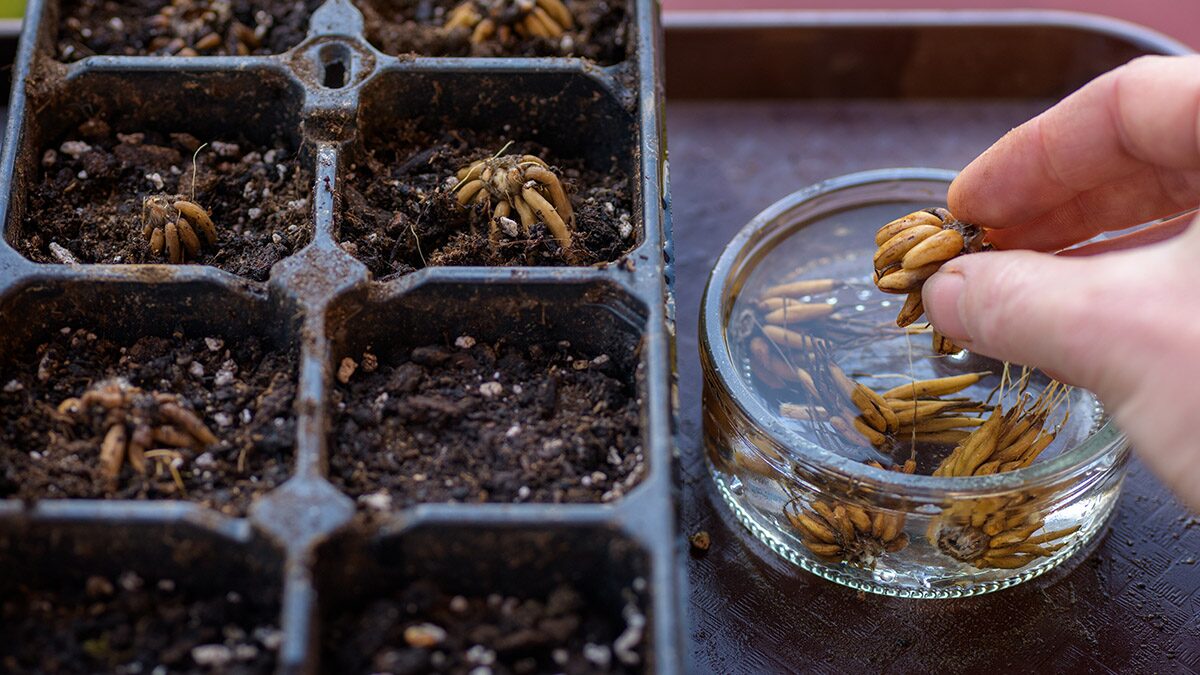
- Timing: Plant in early autumn in mild climates; in colder regions, pot up for a cool, bright late-winter/spring display.
- Depth: 2–3 cm (0.8–1.2 in) deep—do not bury too deeply.
- Orientation: Set the claw tips pointing downward.
- Pots: A 12 cm (4.7 in) pot commonly holds about 3 tubers. Ensure excellent drainage holes.
- Pro tip: Many gardeners briefly pre-soak tubers to rehydrate before planting and disinfect with an appropriate fungicide if rot has been an issue.
Watering with finesse
- Active growth and bloom: Keep evenly moist—never bone-dry, never waterlogged.
- After bloom: As foliage yellows, reduce water gradually.
- Dormant: Once the top growth is fully dry, stop watering and keep the tubers on the dry side.
Feeding, pruning, and bigger blooms
- Fertilize lightly and regularly: 1–2 feeds before flowering, then once after. A balanced-to-bloom formula (e.g., NPK 15-15-30) or a well-diluted organic feed works well.
- Deadhead: Remove spent blooms to tidy the plant and direct energy to tuber strength.
- Size boost: On very double, heavy-blooming types, thin to about 2–3 strong buds per plant for larger, showier flowers.
Your cool-season care calendar
- Late winter–spring: Keep cool, bright, and evenly moist; prioritize airflow and drainage.
- Flowering: Maintain steady moisture; deadhead and monitor for aphids and gray mold.
- Late spring–summer: As leaves yellow, taper watering to initiate dormancy; keep tubers drier.
- Autumn (Sep–Oct): Divide/plant tubers; sow seed in cool conditions.
- Winter: In cold areas, protect plants/tubers from hard freezes and winter-wet; aim to keep above about -5°C (23°F).
Propagating and repotting
- Seed: Collect in late spring to early summer and sow in autumn. Best germination is around 10–18°C (50–64°F); expect 2–3 weeks. Prick out seedlings at 2–5 true leaves; protect from cold and feed lightly. Most bloom the following spring.
- Tuber division: Divide after summer dormancy and replant in early autumn.
- Repotting: Use fresh, free-draining mix each season. Standard: 3 tubers per 12 cm pot at 2–3 cm depth.
Pests and pitfalls
- Gray mold (Botrytis): A risk in cool, damp, poorly ventilated spots. Improve airflow, avoid late-day overhead watering, remove infected material, and treat if needed.
- Aphids: Favor tender shoots and buds. Rinse off or use insecticidal soap/targeted controls.
- Slugs & snails: Nibble petals and leaves—use traps, barriers, or baits and reduce hiding places.
Indoors and in a vase: pro tips for a longer show
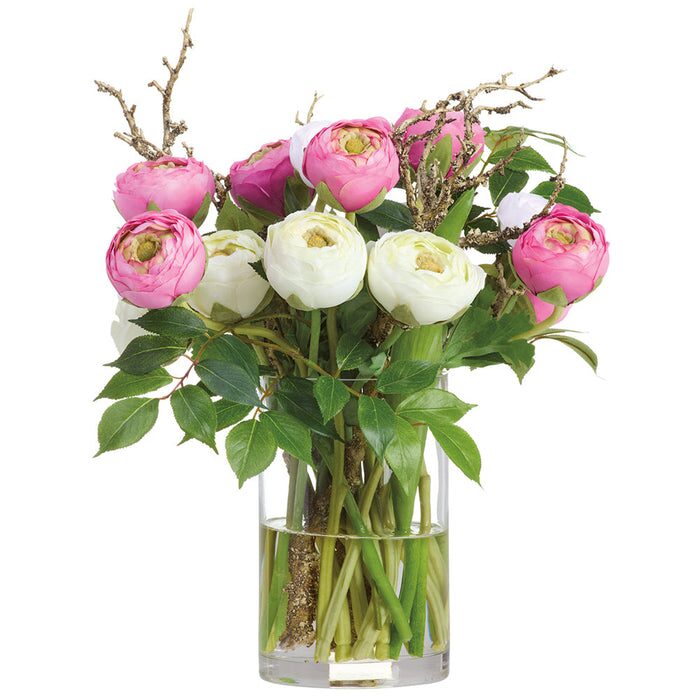
- Placement indoors: Cool, bright windowsill (east or south) with protection from harsh midday sun.
- Harvest timing: Cut when blooms are soft and vibrant but not fully unfurled for the longest vase life.
- Hydration matters: After transport, let stems hydrate upright before unwrapping or arranging—those plush heads ride on slender stems that benefit from a good drink first.
- Arrangement trick: Mix stages—some tight, some cupped, some fully open—for living, evolving centerpieces.
Safety and “flower language”
- Toxicity: Mildly toxic if ingested; sap may irritate sensitive skin. Keep away from pets and small children; wear gloves if you’re reactive.
- Symbolism: Often linked with charm, radiant beauty, and joyful celebration—meanings popularized by Victorian floriography and modern gifting culture. Flower “language” isn’t a botanical rulebook; it’s a cultural gloss that shifts by era and region. Still, it suits a bloom that seems to glow from within.
How to buy the best
- Potted plants: Choose compact, sturdy specimens (≤30 cm/12 in), with thick stems, bright green leaves, and buds just showing color.
- Tubers: Select firm, plump “claws”; a circumference around 7 cm (2.8 in) or more is often higher quality.
- Seed: Opt for fresh, plump seed from reliable sources. Double and bicolor strains deliver peak display.
Perfect placements
- Containers: Patio pots, window boxes, and cool, bright balconies—anywhere drainage is excellent.
- Borders and edges: Along steps or lawn edges where you’ll see the petal sheen catch morning light.
- Indoors: Cool, bright windows with excellent airflow.
Five bite-sized takeaways
- Those “claws” are tubers—plant them shallowly, claws down, and never in heavy, waterlogged soil.
- Cool days and cool nights equal peak performance; heat signals nap time (dormancy).
- The satin-like petal sheen and slow-blooming layers make ranunculus a natural scene-stealer in photos and bouquets.
- Deadhead, feed lightly, and thin buds for bigger, fuller blooms.
- Expect foliage to yellow as temperatures rise—it’s normal, not neglect.
Ready for a little stage magic on your stoop or sill? Give Persian buttercups bright light, cool air, and quick-draining soil, and enjoy the show as each bud pirouettes from button to full, silky swirl.