


If your garden hears the sea before it sees it—salt on the breeze, sand in the soil, and summer winds that test every stem—Red Hot Poker (Kniphofia uvaria) is the kind of plant that doesn’t just cope; it throws a party. Its blazing “torch” flowers stand tall on lean, fast‑draining ground, hummingbirds hover like tiny kites in the onshore flow, and a mineral mulch keeps crowns dry when winter storms drench the coast. Here’s your coastal‑and‑xeric blueprint for using Kniphofia uvaria as a backbone plant in resilient seaside plantings.
Meet Kniphofia uvaria: a torch for tough places
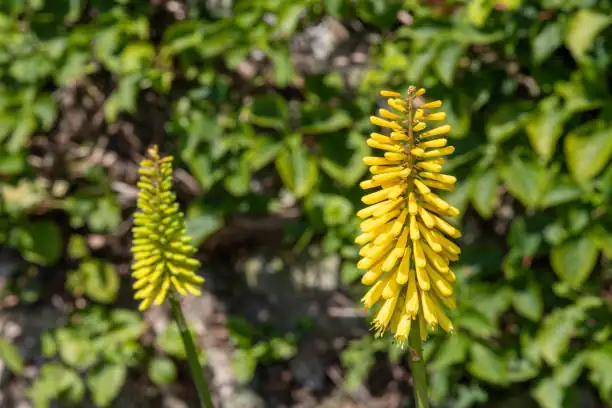
- Identity: Red Hot Poker, Torch Lily, Poker Plant (Kniphofia uvaria; Asphodelaceae), native to eastern and southern Africa.
- Look: Dense, upright spikes packed with 100–300+ tubular blooms that open from the bottom up, often ombréing through red, orange, coral, apricot, yellow, chartreuse, and cream. Below, narrow sword-like leaves fountain from a clump.
- Size: Typically 2–6 ft tall, 1–3 ft wide; dwarf selections 18–24 in tall.
- Season: Early summer into fall (often June–October, climate and variety dependent). Some rebloom with prompt deadheading.
- Habit and roots: Clump-forming perennial with a robust rhizomatous system, slowly enlarging over time.
- Coastal credentials: Sun-loving, salt-tolerant, heat-hardy, and happiest with fast drainage—exactly what windy, sandy sites deliver when designed well.
- Wildlife: Nectar-rich spikes draw hummingbirds, butterflies, and bees; superb vertical drama for pollinator-friendly borders.
Why it thrives beside the sea
- Handles salt and spray: Leaves may spot after major storms, but plants bounce back; flowers attract pollinators even in wind-swept exposures.
- Loves lean, sharp drainage: Sandy and gravelly maritime soils shed water fast—perfect for keeping crowns from rotting.
- Sun worshipper: Needs 6–8 hours of direct light for best bloom.
- Drought-tolerant once established: Short dry spells are fine; flowering is strongest with steady, not soggy, moisture.
Hardiness and climate notes
- USDA Zones: Commonly grown in Zones 5–9. In colder zones (5–6), keep crowns drier and mulched in winter to boost survival.
- Temperature sweet spot: Strong growth around 15–27°C (59–81°F). Some cultivars endure brief dips to about -20°C (-4°F) when well-established and protected.
- Foliage: Evergreen to semi-evergreen in mild winters.
Site strategy for coastal‑xeric success
Sun and exposure
- Aim for full sun. In very hot inland pockets, a touch of afternoon shade prevents stress, but on most coasts the light is perfect.
- Wind is fine. Position plants on the leeward side of low, airy shrubs or fencing to soften gale-force blasts without casting dense shade.
Wind and salt management
- Use “filter” windbreaks (not solid walls): open fencing, dune grasses, or salt-tough shrubs (e.g., Olearia/“daisy bushes,” Griselinia, or Elaeagnus) placed upwind to diffuse gusts.
- Expect some cosmetic leaf fray in storm seasons; simply groom ratty blades during spring clean-up.
- After severe salt spray events, a gentle freshwater rinse is optional—but avoid routine overhead watering that keeps crowns wet.
Drainage first: the marine-and-mineral foundation
- Best soils: Well-drained sands, decomposed granite, or loams amended for faster drainage; pH ~6.0–7.5.
- For heavy soils: Plant on berms or slopes; incorporate coarse grit and gravel; consider a rubble trench or French drain running downslope to shunt winter water.
- Sea sands too lean? Blend in compost modestly to buffer dryness; avoid heavy fertility that pushes leaves over flowers.
A lean soil recipe (coastal edition)
- Backfill blend (by volume):
- 40–60% native sandy soil or loam
- 20–40% 6–10 mm angular gravel or pumice
- 10–20% mature compost
- Goal: Aeration and quick drainage with just enough organic matter to maintain steady—not lush—growth.
Planting technique that keeps crowns safe
- Timing: Spring planting is ideal as soils warm.
- Depth: Set the crown shallow—at or just slightly below the surface, never more than about 3 in (7.5 cm) deep.
- Spacing: 18–30 in (45–75 cm) apart, depending on variety height and spread.
- First watering: A deep soak to settle soil; then shift quickly to the deep-but-infrequent rhythm described below.
Gravel mulch that works with the wind
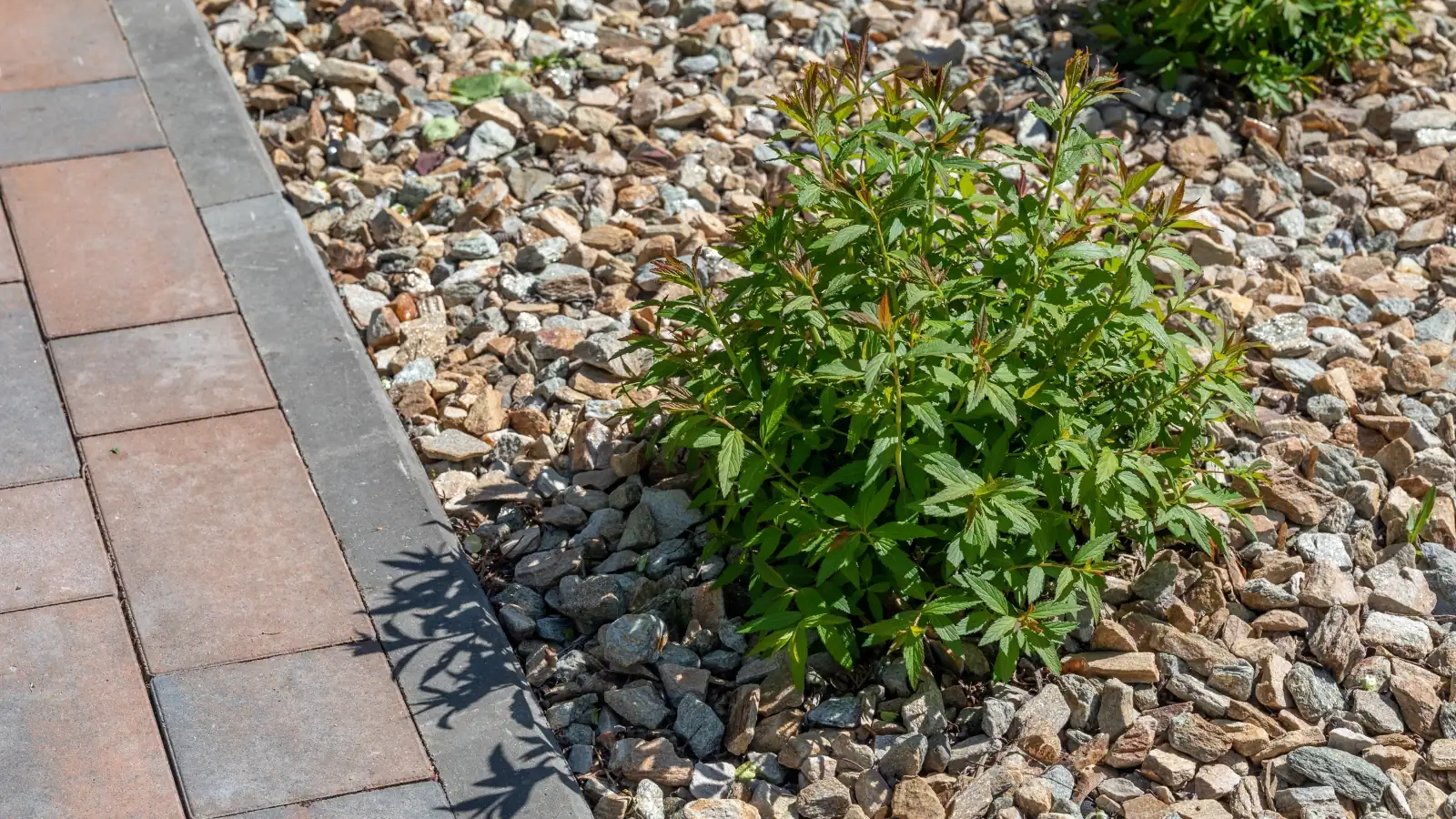
- Use angular mineral mulch 0.25–0.5 in (6–12 mm) deep to 2–3 in (5–8 cm) across the bed.
- Keep a 1–2 in (2.5–5 cm) bare collar around the crown to avoid moisture trapping.
- Benefits: Sheds winter wet from crowns, deters slugs and snails, prevents sand blowouts, and reflects light/heat for earlier spring warm-up.
Watering and feeding: dry-garden discipline
- Establishment (first season): About 1 in (2.5 cm) of water weekly during active growth, adjusted for rain and heat.
- Once established: Water deeply but less often; short dry spells are fine, but flowering peaks with steady moisture during bloom.
- Delivery: Subsurface drip or in-line emitter tubing under gravel suits wind-prone coasts.
- Fertility: Minimal. Work in compost before planting; if growth lags, a balanced, slow-release feed in spring is enough. Avoid heavy nitrogen—leaves soar, flowers stall.
Coastal‑resilient planting mixes that sing with Kniphofia
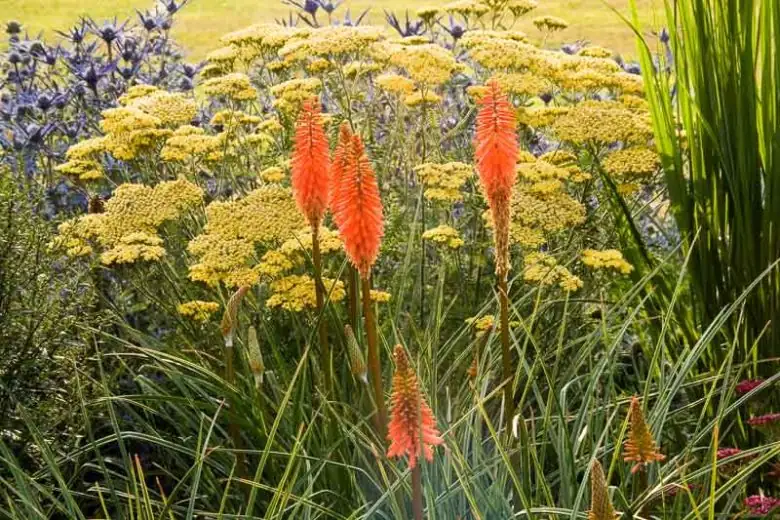
Design by hydrozoning: keep low-water partners together on the leanest ground; cluster any medium-water anchors nearer a hose or downspout.
- Ember and steel
- Kniphofia uvaria (orange-red torches)
- Eryngium (sea holly) for steel-blue cones
- Festuca glauca (blue fescue) as a tufted matrix
- Armeria maritima (sea thrift) for spring buttons
- Delosperma (hardy ice plant) as a near-weedless groundcover
- Honey and citrus
- Kniphofia in apricot/yellow tones
- Achillea (yarrow) ‘Moonshine’ or similar
- Santolina (cotton lavender) mounded silver
- Helichrysum italicum (curry plant) for fragrance and texture
- Hylotelephium (sedum) to carry color into fall
- Sunset spires
- Kniphofia mixed colors
- Salvia (heat- and wind-tough species)
- Agastache (anise hyssop) for hummingbirds
- Salvia yangii (Russian sage) as a misty blue foil
- Dianthus at the edge for salt-sparked fragrance
Shrubby filters for wind and salt (placed upwind, spaced to preserve sun and airflow)
- Compact, salt-tolerant evergreens such as Olearia or Griselinia to baffle gusts without shading the border.
Note: In frost-free coastal pockets, weave in sculptural succulents (Aeonium, some Agave) for year-round structure. In colder zones, substitute hardy, drought-wise perennials.
Containers and rooftops by the sea
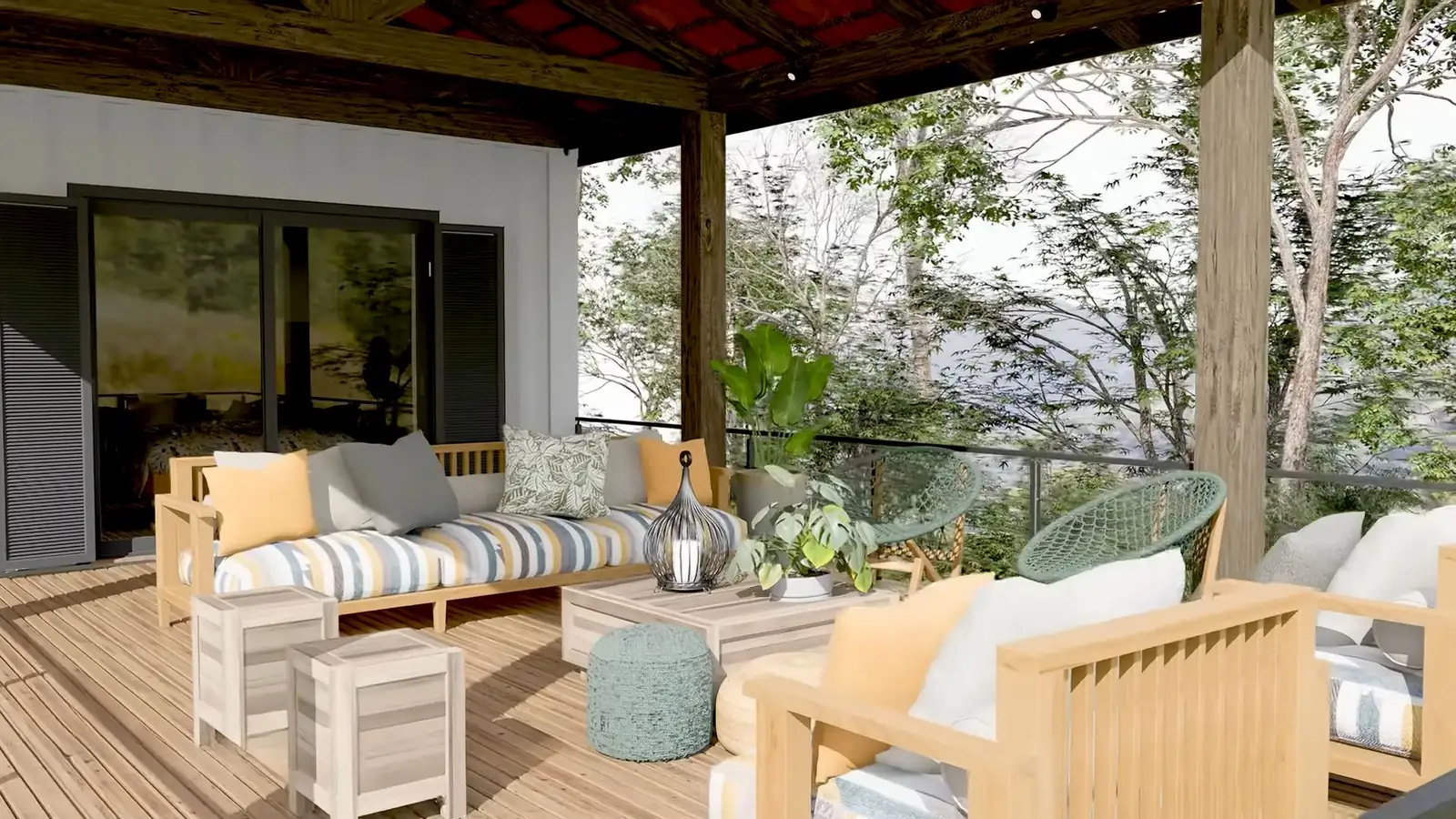
- Choose dwarf varieties for pots; they shine on sun-baked terraces and maritime rooftops.
- Pot size: At least 9 in (22 cm) wide with excellent drainage (multiple holes).
- Mix: 40% high-quality potting mix, 30% coarse pumice/perlite, 20% sharp sand, 10% fine bark; sit the crown high.
- Watering: Containers dry faster in wind; water deeply, then allow the top couple inches to dry before the next soak.
- Repot/divide every 2–3 years to prevent overcrowding and maintain vigor.
- Winter: In cold zones, move pots to a sheltered, dry spot and keep crowns protected from freeze–thaw wetting.
Care calendar (coastal edition)
- Spring
- Cut back winter-tattered foliage before new growth.
- Top-dress with compost; check drip lines under gravel.
- Divide crowded clumps.
- Summer
- Water during extended dry spells; deep, infrequent soaks.
- Deadhead spent spikes to encourage rebloom in repeat-blooming types.
- Fall
- Divide in mild regions after flowering.
- Reduce irrigation as growth slows.
- Winter
- In Zones 5–6, tie foliage loosely to shed water, and mulch with dry material (straw/leaves) to keep crowns drier.
- Keep gravel collar around crowns clear to speed drainage.
Troubleshooting on the shoreline
- Not blooming?
- Increase sun to 6–8 hours; divide congested clumps; avoid high-nitrogen fertilizer; ensure sharp drainage.
- Crown or root rot
- Remedy with better drainage: raise the planting, lighten soil with grit, keep crowns shallow, avoid constant overhead watering.
- Leaf tatters or salt spotting
- Normal after big storms; remove damaged blades in spring. Use airy windbreaks to cut gust intensity.
- Pests
- Generally low-trouble in sun and fast drainage. Watch for thrips or aphids on fresh growth; slugs/snails in cool, damp spells (gravel mulch helps).
Propagation and long-term vigor
- Division: The most reliable method. Split every few years in early spring or fall after flowering. Each division should include a healthy crown and roots; replant shallowly.
- Seed: Possible, but many garden forms are hybrids and won’t come true; seedlings also take longer to flower.
Pollinators and the cutting garden
- Wildlife magnet: Nectar is generous; spikes can look beaded with morning dew and hum with life.
- Cut flowers: Harvest when lower florets begin opening; expect about 5–7 days in a vase.
Safety
- Generally considered non-toxic to people and pets. As with many ornamentals, nibbling can cause mild stomach upset in sensitive individuals.
Symbolism and flower language
Red Hot Poker’s flaming torches have long suggested passion, strength, and the confidence to “stand out.” Unlike tightly codified Victorian floriography, modern “flower language” for Kniphofia is more intuitive—born from that unmistakable spike of color that reads like a protective beacon against gloom. In coastal gardens, where plants must be brave, those meanings feel earned: it’s a living standard-bearer for resilience.
Quick reference
- Light: Full sun (6–8 hours); light afternoon shade only in extreme heat.
- Soil: Well-drained; thrives in lean sands and gravel with modest compost. pH ~6.0–7.5.
- Water: Deep, regular moisture during establishment; drought-tolerant once established; avoid soggy crowns.
- Hardiness: USDA Zones 5–9; protect crowns from winter wet and freeze–thaw.
- Height/Spread: 2–6 ft tall, 1–3 ft wide; dwarfs 18–24 in.
- Best uses: Coastal and gravel gardens, sunny borders, slopes, pollinator plantings, and containers (dwarf forms).
Design your coastal bed like a well-built skiff: light, strong, and unsinkable. With sharp drainage underfoot, a mineral mulch up top, and a plant palette tuned to wind and salt, Kniphofia uvaria will hoist its fiery banners all season—proof that the wild edge of the sea is a perfect place for a garden to glow.


