

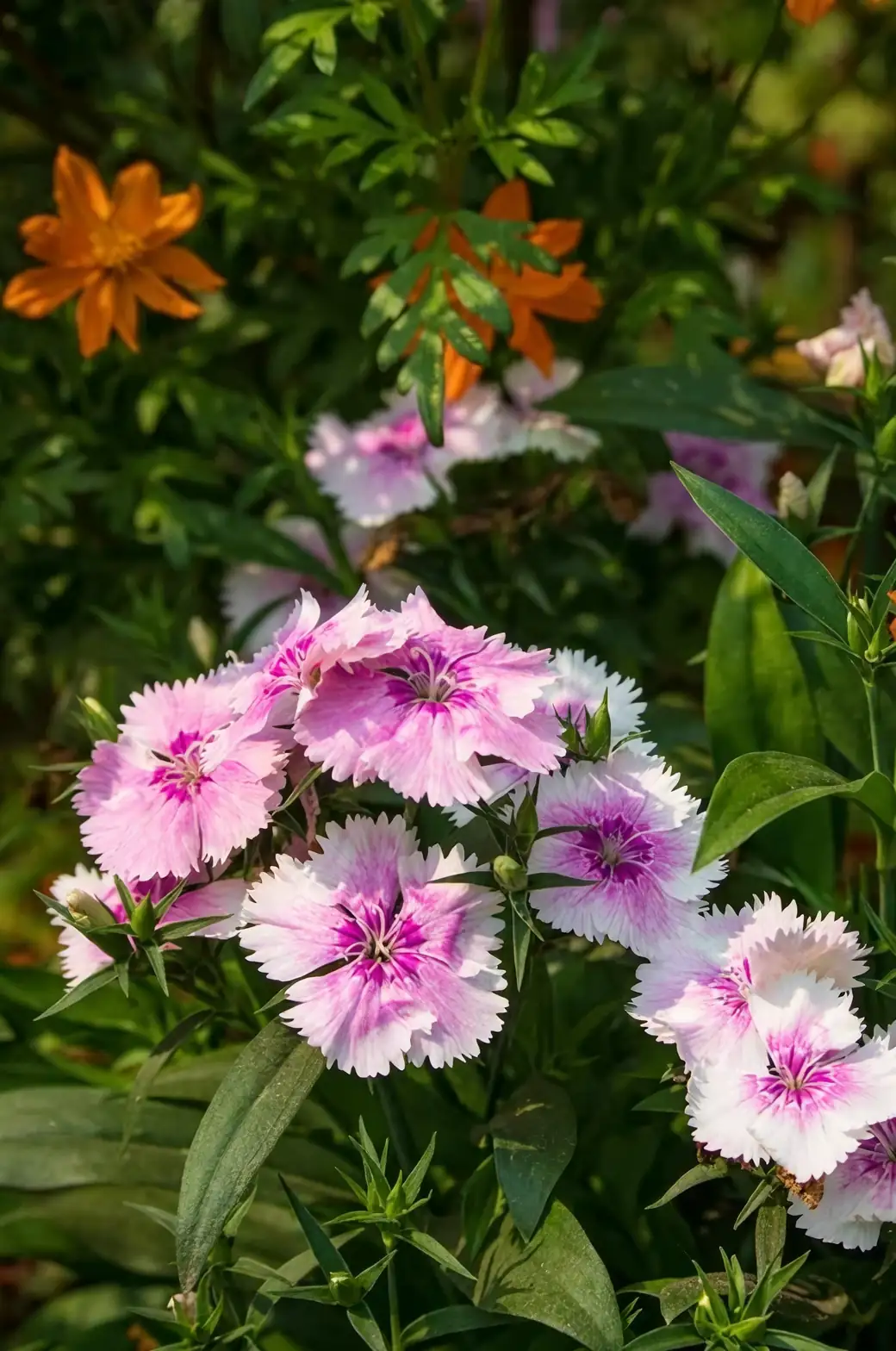
When Chinese pinks (Dianthus chinensis) hit their stride, they’re a carnival of fringed color with a light, clove-like lift on the breeze. But send in a hot, humid spell and that party can turn fast: rust spots creep in, leaves yellow, and spider mites whisper trouble from the undersides. The good news? A few smart cultural moves, plus gentle, well-timed soap and oil sprays, can steer your plants safely through sultry weather.
Know your plant, know the summer stressors
- Cool-lover at heart: Chinese pink thrives in bright, airy, cool-to-mild conditions (about 45–68°F / 7–20°C). In extreme heat, it may wilt and flower quality dips.
- Top priorities in muggy weather: fast drainage, elbow room, and dry leaves. Water at the base only and keep the foliage as dry as possible.
- Where they shine: full sun with good airflow; in very hot summers, morning sun plus light afternoon shade keeps blooms crisp.
Early warning signs: catch problems before they spread
Rust (fungal disease)
Rust loves humid, still air and wet foliage. Spot it early and you can halt it fast.
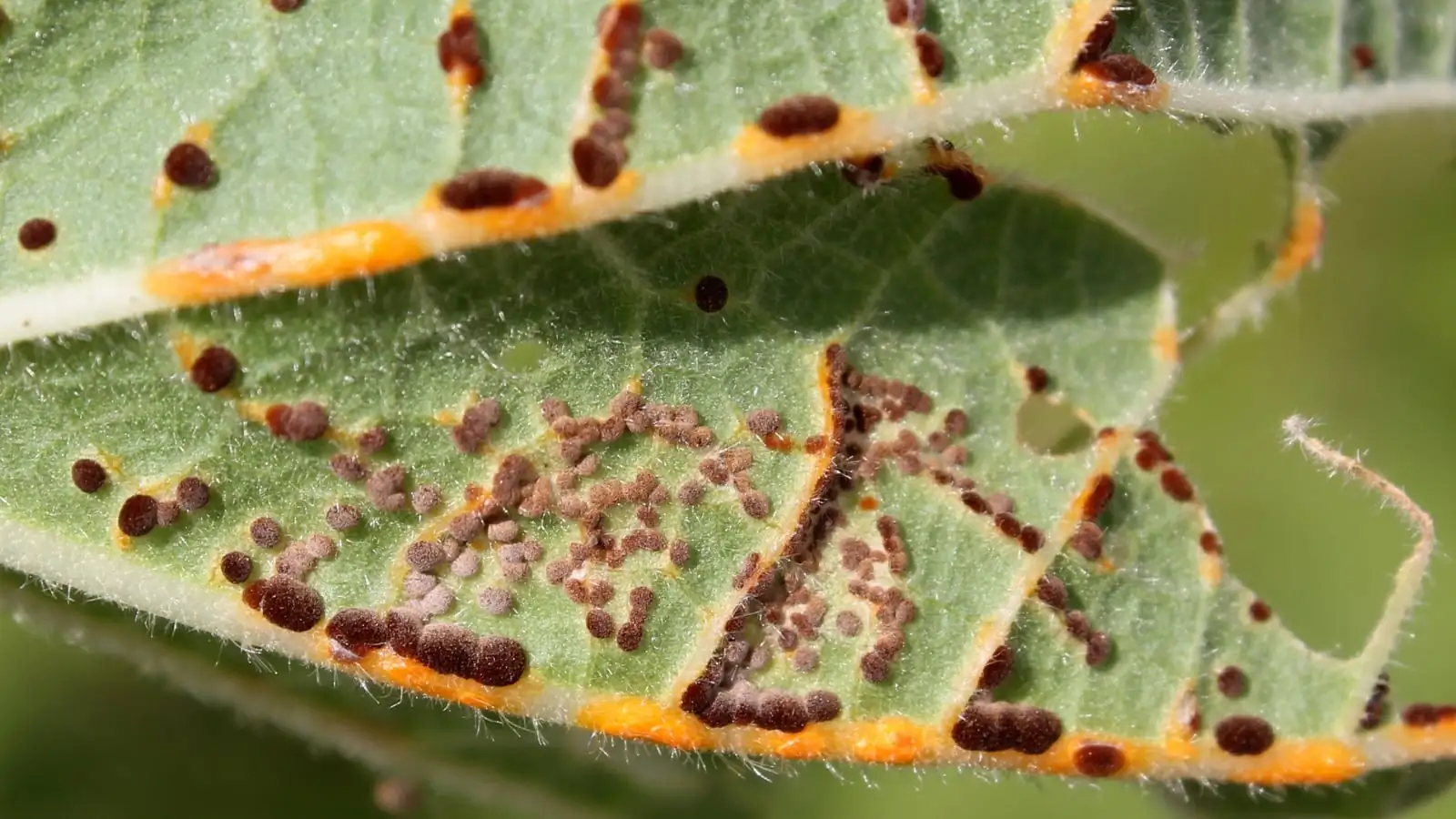
- What you’ll see first:
- Tiny yellow, pale, or chlorotic specks on the upper leaf surface.
- Powdery orange or cinnamon-brown pustules on undersides (rub a leaf on white tissue—orange dust = rust spores).
- Premature leaf yellowing and drop from the bottom up.
- Fast actions:
- Remove and bin infected leaves immediately—don’t compost.
- Increase spacing/airflow and water only at soil level.
- Avoid overhead watering and evening splash—wet nights turbocharge rust.
Spider mites
Mites flare in hot, dry conditions and on stressed plants. In a humid summer, they still explode on wind-sheltered, heat-baked spots (under eaves, along walls, on balcony rails, in crowded containers).
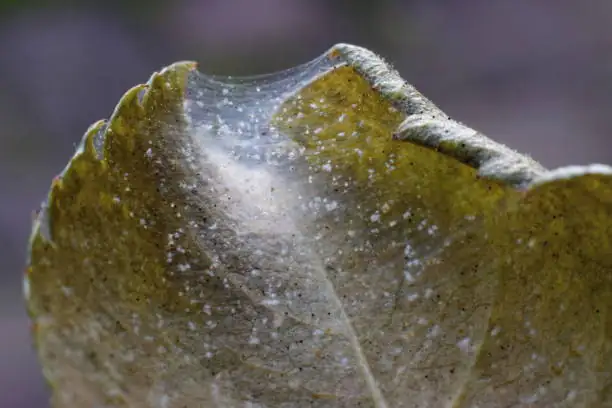
- Early symptoms:
- Fine stippling (pinpoint pale dots) on leaves; later, a dull bronze cast.
- Faint webbing in leaf axils and on flower stems.
- White paper test: tap a suspect stem over paper—if “dust” crawls, it’s mites.
- Fast actions:
- Rinse foliage with a firm, targeted stream (morning), then allow leaves to dry quickly.
- Follow with insecticidal soap or a light horticultural oil spray on cooled plants (details below).
Cultural prevention that works in muggy weather
- Space plants 8–10 inches (20–25 cm) apart. Think breezy, not packed.
- Water at the base only. A long-spout watering can or drip line keeps leaves dry and rust pressure low.
- Time your water: morning is best. Avoid water sitting on leaves overnight.
- Improve airflow: thin dense clumps lightly; don’t let neighboring plants crowd dianthus.
- Shade smartly in extreme heat: a touch of afternoon shade prevents stress without depriving light.
- Drainage, drainage: use a gritty, well-drained mix—never let pots sit in saucers of water.
- Feed lightly: monthly, half-strength balanced fertilizer during active growth. Avoid high-nitrogen flushes that make soft, disease-prone foliage.
- Sanitation: deadhead spent blooms, pick off yellowing leaves, and keep debris off the soil surface.
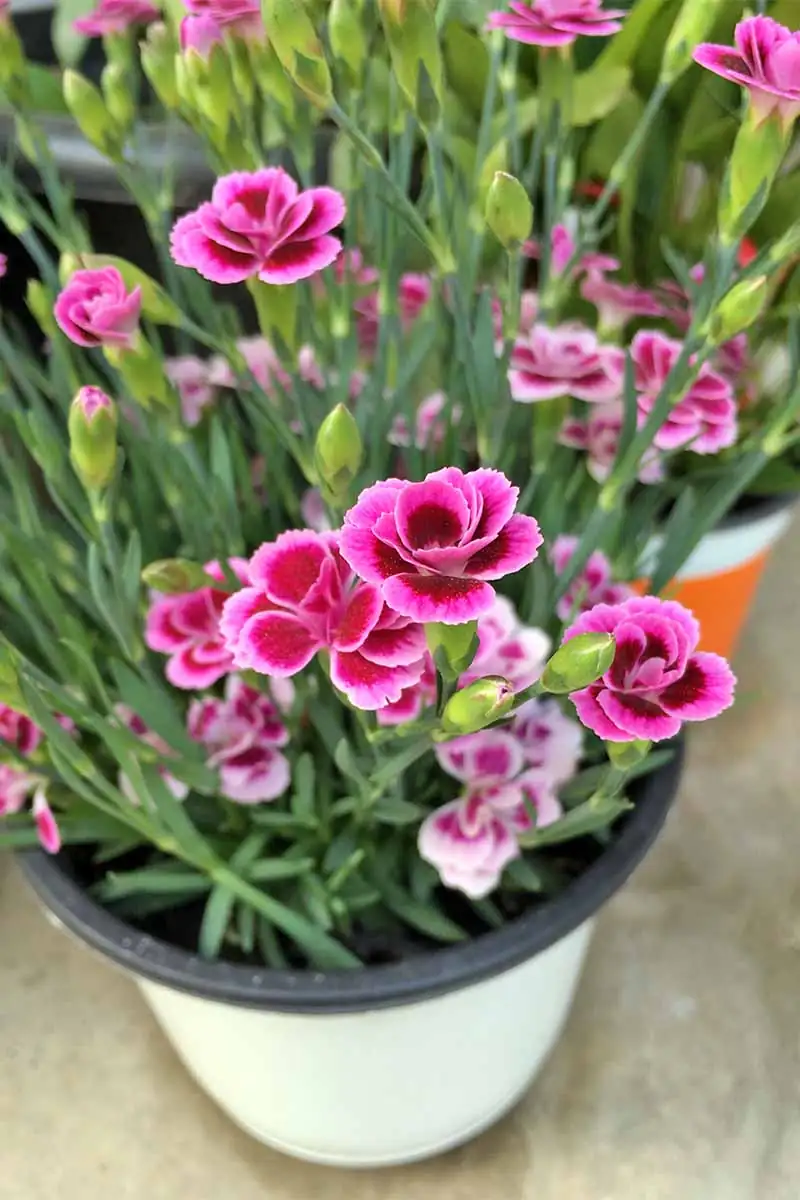
Safe, effective treatments: soaps and oils with timelines
Think of soaps and oils as gentle, precision tools. They work by contact—thorough coverage matters—and they’re most effective when plants are cool and hydrated.
For spider mites
- What to use:
- Insecticidal soap (potassium salts of fatty acids).
- Horticultural oil (lightweight mineral oil or highly refined plant-based oils like neem oil).
- How to apply:
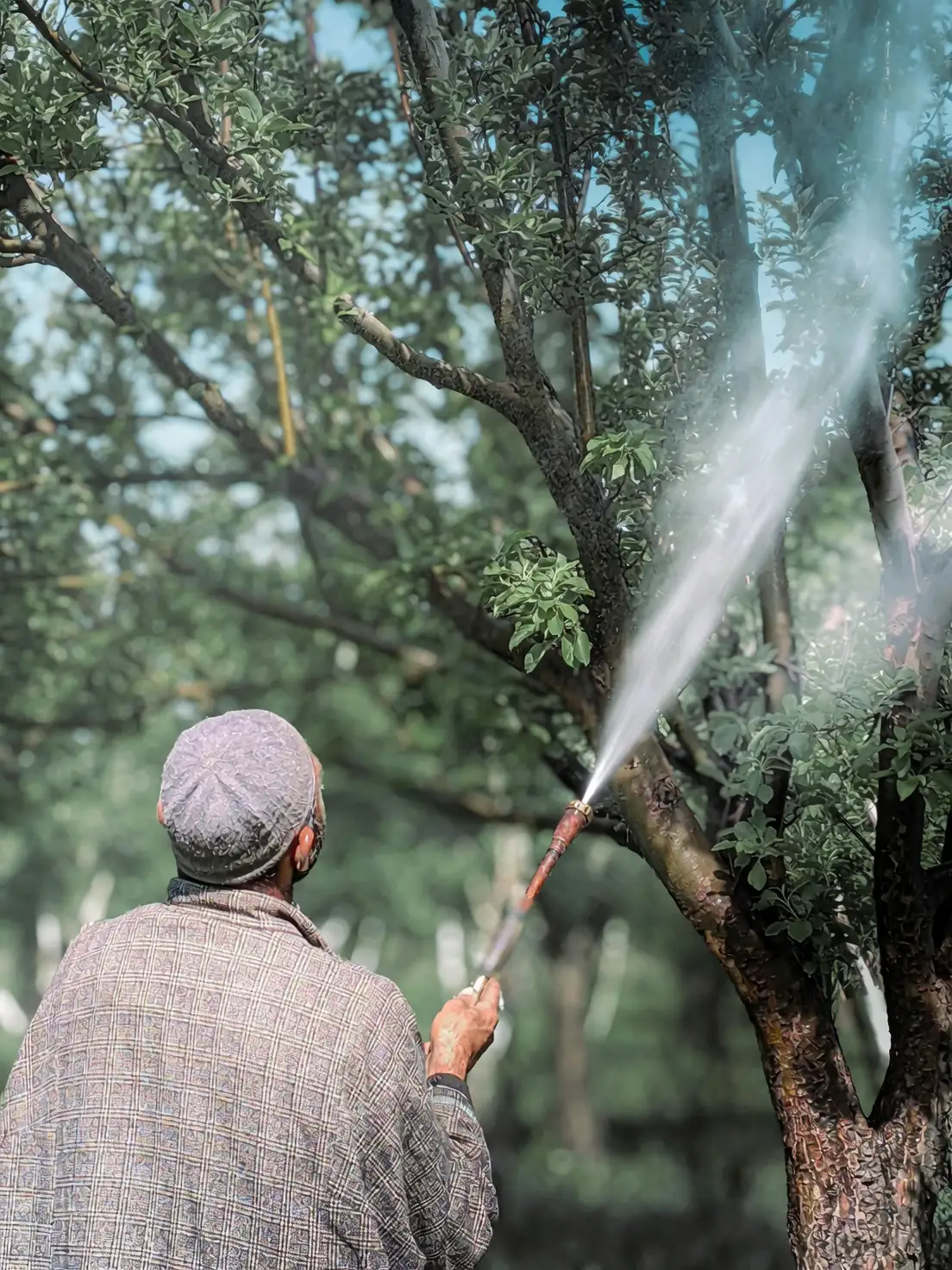
- Test first: spray a small section; wait 24 hours for any leaf scorch.
- Spray in the cool of morning or early evening—never on wilting plants or above about 85°F/29°C.
- Wet all leaf surfaces, especially undersides and inner stems; good coverage beats heavy dose.
- Repeat every 5–7 days for 2–3 rounds to catch new hatchlings.
- What to expect:
- Stippling halts within a week; new growth emerges clean by week two.
- Webbing disappears and leaves hold color better with each cycle.
For rust
Primary control is cultural: dry foliage, airflow, and sanitation. Oils can help suppress spore spread as a protectant film.
- What to use:
- Horticultural oil at labeled rates as a protectant on clean or lightly affected foliage.
- How to apply:
- Remove infected leaves first and dispose in the trash.
- Spray in cool conditions with light, even coverage; avoid dripping blooms.
- Repeat in 7–10 days if weather stays muggy and disease pressure remains high.
- What to expect:
- No new pustules on protected leaves; old leaf spots won’t “heal,” so watch the newest growth for improvement.
Golden rules for soaps and oils
- Hydrate plants a few hours before spraying; never spray drought-stressed foliage.
- Don’t combine oil with sulfur-based fungicides; allow a 2–3 week interval between them.
- Keep solutions off open blooms when possible and spray when pollinators are inactive.
- Always follow the product label for rates and intervals.
A practical 3‑week heat-and-humidity playbook
- Day 0 (first sticky heat wave):
- Space pots, thin lightly, tidy debris, and set up morning-only base watering.
- Inspect daily with a hand lens; do the white paper tap test for mites.
- If mites or early rust signs appear: prune affected leaves; apply first soap (mites) or oil (rust protectant) spray.
- Days 5–7:
- Recheck. If mites persist, second soap/oil spray with full coverage.
- Keep foliage dry; adjust airflow if any leaf-to-leaf “touch zones” remain.
- Days 10–14:
- Third application if needed. By now, new growth should be clean and color should stabilize.
- Resume light feeding if plants are actively growing; keep nitrogen modest.
- After the heat breaks:
- Deadhead, shape lightly, and refresh the top inch of potting mix with a gritty blend if drainage slowed.
- Maintain base watering; avoid relapse via overhead irrigation.
Extra summer watch: rot and wilts
Hot, humid stretches often come with heavy rains or overwatering—prime time for root troubles.
- Root/crown rot signals: persistent wilt even in moist soil, browning roots, and a flaccid, collapsing plant. Prevention is key: sharp drainage, smaller pots rather than oversized ones, and never let containers sit in water.
- Vascular wilts (e.g., Fusarium/Verticillium in the genus) show one-sided yellowing, midday wilt that “recovers” at night, and brown streaking in cut stems. Remove and discard severely affected plants; rotate planting spots and prioritize hygiene and airflow to reduce risk.
Quick diagnostic cheat sheet
- Yellow specks + orange dust under leaves = Rust. Remove leaves; oil as protectant; keep foliage dry.
- Speckled leaves + fine webbing = Spider mites. Soap or light oil, 5–7 day intervals, stellar coverage.
- Sudden wilt + soggy soil = Root rot. Improve drainage immediately; let soil dry slightly between waterings; discard severely rotted plants.
Pro tips for containers and balconies
- Use a gritty, well-drained mix; top-dress with horticultural grit to keep crowns dry.
- Elevate pots on feet; space containers 8–10 inches apart for airflow.
- Morning sun with a breeze is ideal; add light afternoon shade during extreme heat to reduce stress (and mite appeal).
- Pinch young plants once at 4–6 inches to encourage a branching, bloom-happy mound; deadhead to extend the show.
A brief note on symbolism
Chinese pink often carries themes of joy, good fortune, and honor in ornamental culture. In the broader dianthus lore, it’s linked with affection and admiration—the kind of quiet regard expressed with a handful of fringed, spice-scented blooms. Flower “language” is a cultural tradition rather than botany, but the plant’s steady cheer in cool seasons explains why so many gardeners read it as a sign of goodwill.
Bottom line
In steamy weather, success with Dianthus chinensis comes down to two rhythms: keep the leaves dry and the air moving, then use gentle, well-timed soap and oil sprays to clean up what slips through. Catch the first flecks and webs, act lightly but quickly, and your Chinese pinks will keep tossing up blooms long after the heat has lost its edge.


