

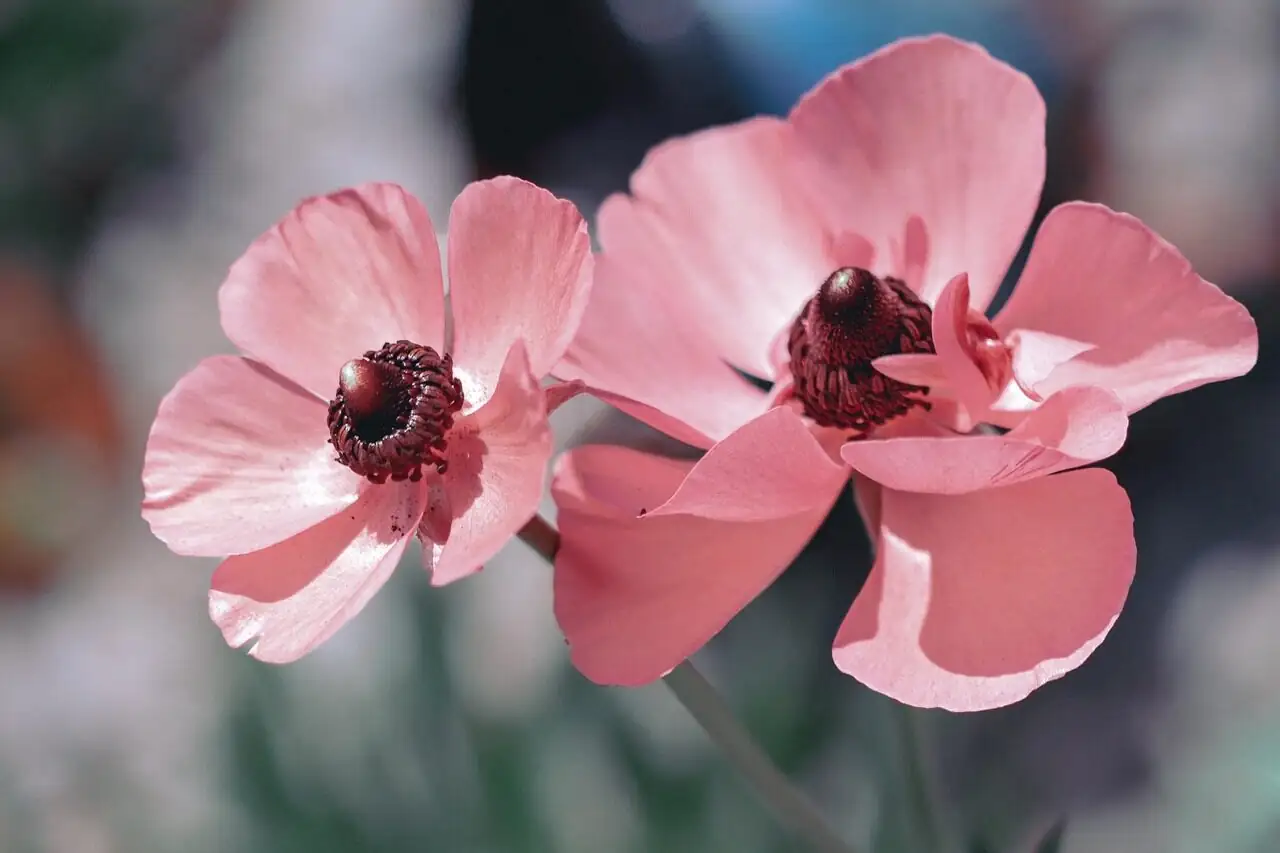
Vivid, papery blooms tossing in a spring breeze—that’s the magic of Poppy Anemone (Anemone coronaria). But in cool, damp spells the same conditions anemones enjoy can also invite four troublemakers: rust, Botrytis gray mold, Sclerotinia, and aphids. Here’s how to spot issues early, tweak drainage and airflow, get watering just right, and lean on gentle, effective controls before small problems become garden dramas.
H2: First, know your plant’s rhythm (so you don’t misdiagnose)
Anemone coronaria is a cool-season, tuberous spring bloomer from Mediterranean coastal regions. It thrives in bright light and steady, even moisture while actively growing and flowering, then naturally slips into dormancy when summer heat arrives (and sometimes during very cold winters). Good news: dormancy is normal.
- Lively, active-growth signs: fresh green, finely divided leaves; upright stems; buds forming; soil kept evenly moist but never waterlogged.
- Dormancy cues: foliage declining after flowering as heat ramps up; soil should be kept much drier to prevent tuber rot.
- Stress lookalikes: general yellowing from low light or overwatering can be mistaken for disease. Improve light and drainage first.
Best growth occurs around 15–20°C (59–68°F). In hot weather, provide 50–60% shade to limit stress.
H2: A 5‑minute weekly check: catch the “big four” early
H3: Rust (fungal)
- What you’ll see: tiny yellow spots on upper leaf surfaces; orange-brown powdery pustules underneath. Leaves may distort or drop prematurely.
- Where it starts: crowded leaves, damp foliage, low airflow.
H3: Botrytis gray mold
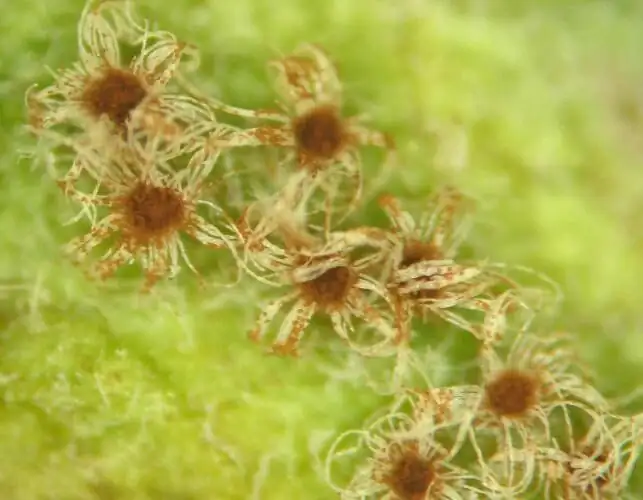
- What you’ll see: water-soaked specks on petals/leaves, softening buds, and a telltale fuzzy gray mold on spent blooms and damaged tissue.
- Where it starts: cool, humid conditions, old petals sitting on leaves, overhead watering late in the day.
H3: Sclerotinia (white mold, crown/stem rot)
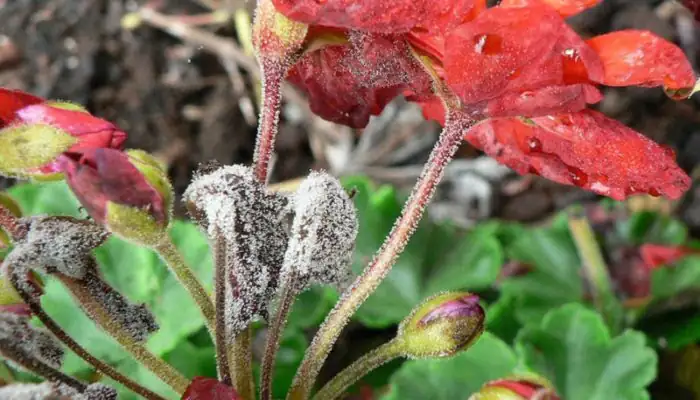
- What you’ll see: sudden wilting of stems; water-soaked lesions near the crown; white, cottony growth and sometimes small black sclerotia (hard resting bodies) in or on stems/soil.
- Where it starts: persistently wet, poorly drained soil around the crown and tubers.
H3: Aphids
- What you’ll see: clusters of tiny pear-shaped insects on tender stems and bud bases; curling or yellowing leaves; sticky honeydew and possible sooty mold.
- Why they matter: besides sap-sucking, aphids can open the door to disease. Emerging research shows aphids can physically carry Sclerotinia spores in some crops—another reason to act early.
H2: Why these problems appear (and how to stop inviting them)
- Soggy soil + stagnant air = fungal paradise. Anemone coronaria loves steady moisture while actively growing, but standing water quickly rots tubers.
- Overhead watering late in the day keeps leaves wet overnight.
- Crowding and heavy feeding (especially too much nitrogen) produce soft, disease-prone growth and make aphids feel right at home.
H2: Drainage: your No. 1 defense
H3: In containers
- Pot size: 12–15 cm (4.7–5.9 in) with free-draining holes; plant 3 tubers about 1.5 cm (0.6 in) deep.
- Mix recipe (example): roughly 40% fine compost/leaf mold + 40% fertile loam + 20% coarse sand or grit. Top-dress with a thin grit layer to keep crowns drier.
- Pot feet & placement: raise containers so water escapes freely; never let pots sit in saucers of water.
- After storms: tip off excess water and ensure the mix re-aerates quickly.
H3: In garden beds
- Site: raised, well-drained ground—avoid low spots that collect water.
- Soil prep: work in coarse sand/grit and organic matter for a rich yet free-draining profile.
- Planting depth: 5–7 cm (2–2.8 in) with the pointed side down.
- Slope and spacing: gently sloped beds and space so leaves don’t overlap (at least a hand’s width) for airflow.
Pro tip: After planting dry tubers, water lightly—don’t soak the potting mix. Increase watering only as new growth appears.
H2: Ventilation and light: keep leaves dry and air moving
- Space plants so foliage dries quickly after dew or light rain.
- Deadhead promptly; remove spent petals that stick to leaves.
- Morning sun with good airflow beats trapped afternoon humidity.
- Greenhouse or balcony? Use a small circulating fan. In hot spells, use 50–60% shade to reduce heat stress without stifling air movement.
H2: Smart watering habits (that fungi hate)
- During active growth: water when the soil surface dries; aim for evenly moist, never waterlogged.
- Technique: water at the base, early in the day. Avoid soaking the canopy.
- Dormancy or winter rest: keep the mix much drier to protect resting tubers.
- After heavy rain or snow outdoors: verify that excess water drains promptly.
H2: Gentle, plant-first controls for each problem
H3: Rust
- Immediate steps
- Snip off affected leaves; bag and bin them (don’t compost).
- Increase airflow and switch to base watering only.
- Low-impact tools
- Biological fungicides containing Bacillus subtilis can help protect new growth.
- Sulfur or copper soaps can suppress rust where permitted; always test on a small area first and avoid spraying in heat or strong sun.
- Cultural tune-up
- Keep nutrition balanced; monthly dilute feed during growth is enough. Avoid excess nitrogen.
H3: Botrytis gray mold
- Immediate steps
- Remove all blighted petals/buds; clear fallen petals daily during peak bloom.
- Dry the canopy fast: morning watering, fan/airflow, wider spacing.
- Low-impact tools
- Bio-fungicides (e.g., Bacillus subtilis or Trichoderma-based products) can help reduce outbreaks in humid spells.
- Cultural tune-up
- Keep flowers and cut stems away from ripening fruit—ethylene shortens vase life and stressed tissues succumb more easily to Botrytis.
H3: Sclerotinia (white mold)
- Immediate steps
- At first sign of crown rot or cottony growth, improve drainage and airflow at once.
- For advanced infections, remove the entire plant with surrounding soil to prevent sclerotia from persisting; dispose in the trash.
- Low-impact tools
- Consider biological soil drenches with mycoparasites (e.g., Coniothyrium minitans or Trichoderma spp.) if available locally.
- Cultural tune-up
- Avoid keeping mulch tight to crowns; use a thin grit collar instead.
- Rotate planting spots and avoid chronically wet beds.
H3: Aphids
- Immediate steps
- Blast colonies off with a firm stream of water, especially under leaves and around buds.
- Pinch off heavily infested tips.
- Low-impact tools
- Insecticidal soap or horticultural oil applied in the cool part of the day; spot-test first to avoid leaf burn.
- Neem oil can help; again, test first and avoid high heat.
- Encourage allies: lady beetles, lacewings, and hoverflies (avoid broad-spectrum pesticides that harm them).
- Cultural tune-up
- Keep growth sturdy, not sappy: bright light and balanced, dilute feeding about monthly.
- New research links aphids with spreading Sclerotinia spores in some crops—another reason to act early.
H2: A quick rescue plan (when you catch trouble)
Day 1
- Sanitize: remove diseased tissues and fallen petals; bag and bin.
- Reroute water: base watering only; skip overhead.
- Air and light: space pots, start a gentle fan if indoors, and shift to bright, airy exposure.
Days 2–3
- Drainage check: elevate pots on feet; ensure no saucer water; in beds, open soil surface with a hand fork without disturbing tubers.
- Gentle treatments: apply bio-fungicide for Botrytis/rust pressure; use insecticidal soap or water spray for aphids.
Days 4–7
- Daily 1‑minute scan: look under leaves, at crowns and buds.
- Keep petals off foliage; maintain airflow. Water mornings, just enough to keep the surface from staying wet for long.
Weeks 2–3
- Re-apply gentle products per label intervals if conditions remain favorable for disease.
- Reassess spacing and shade; add grit collar around crowns if soil stays damp.
H2: Prevention calendar for Poppy Anemone
- Planting (commonly Oct–Nov): rehydrate tubers in water or damp sand before planting; set 1.5 cm deep in pots, 5–7 cm in beds, pointed side down. Water lightly at first.
- Active growth and bloom (cool, bright months): keep evenly moist; feed monthly with a dilute balanced fertilizer. When buds appear, one bloom-boosting feed higher in P & K (e.g., around 15‑15‑30) supports flowering and tuber strength.
- Heat or deep winter: expect dormancy; keep much drier to prevent rot.
H2: Safety and handling
- Like many Ranunculaceae, plant sap can irritate skin and is harmful if eaten. Wear gloves if you have sensitive skin and keep away from children and pets.
- Clean tools between plants (70% alcohol wipe) to limit disease spread.
- Always follow local guidance for any control products.
H2: Cut-flower side note
- Harvest at the “first-open” stage—petals just lifting from the center—for the longest vase life.
- Keep cut anemones away from ripening fruit (ethylene shortens vase life) and avoid mixing with daffodils in the same vase; daffodil sap softens anemone stems.
H2: Troubleshooting cheat sheet
- Spots + orange dust under leaves = Rust → remove leaves, increase airflow, consider sulfur/copper or bio-fungicide.
- Gray fuzz on petals/buds = Botrytis → clear debris, water mornings, bio-fungicide, boost airflow.
- Sudden wilt + cottony white at crown = Sclerotinia → improve drainage, remove severely affected plants with soil, consider biological soil agents.
- Sticky, curling tips with tiny clusters = Aphids → hose off, insecticidal soap/oil, encourage predators.
H2: A brief note on symbolism (for the romantics)
“Windflower” hints at petals opening as if coaxed by a passing breeze. Across cultures, Anemone coronaria often symbolizes anticipation and hopeful expectation—appropriate for a plant that rests quietly, then bursts into spring color. As with most flower-language traditions, this meaning is a cultural lens rather than botanical fact, but it’s hard to deny how perfectly it fits the plant’s cool-season rhythm and airy poise.
With sharp drainage, bright cool light, and a light hand on the hose, your Poppy Anemones will spend spring dancing in the breeze—while rust, gray mold, Sclerotinia, and aphids sit out the show.