

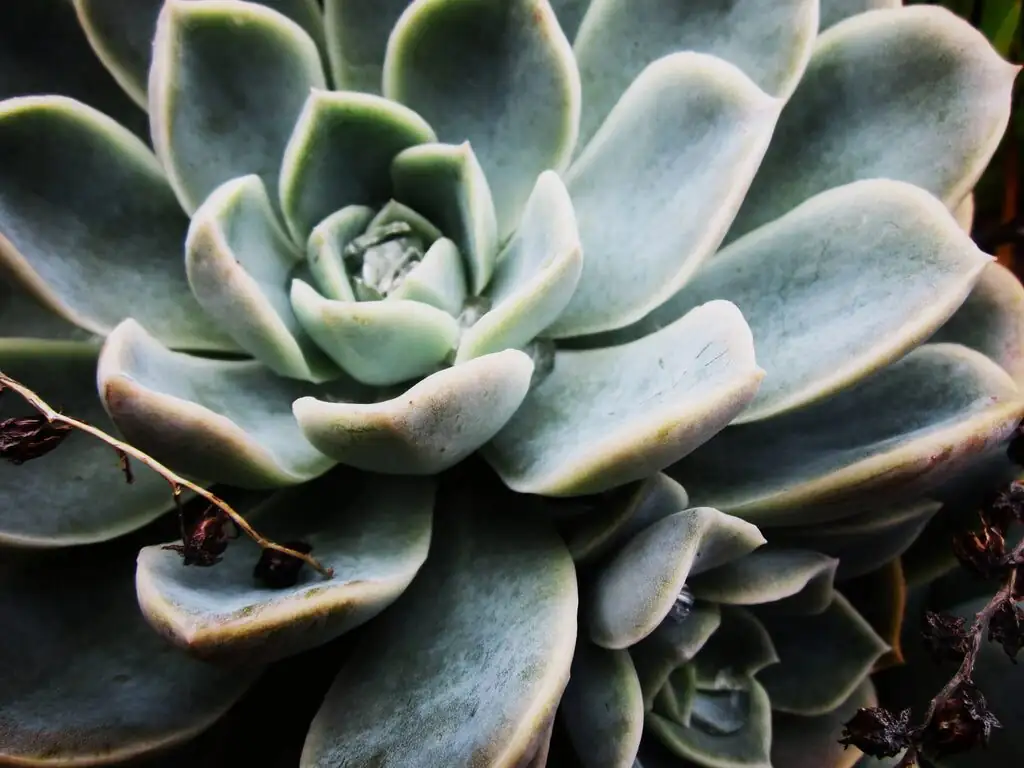
If your Mexican Snowball (Echeveria elegans) suddenly slumps, smells off, or drops its lower leaves like wet tissue, don’t panic—act. Root rot is the classic succulent crisis, but with quick hands and a gritty reset, you can save the rosette and come out a better grower. Here’s the pro playbook for fast diagnosis, emergency unpotting, surgical trimming and callusing, rerooting in a mineral mix, and a prevention plan that actually works.
Spot it fast: a 60‑second root rot diagnosis
Think triage. The sooner you intervene, the greater the odds of a clean recovery.
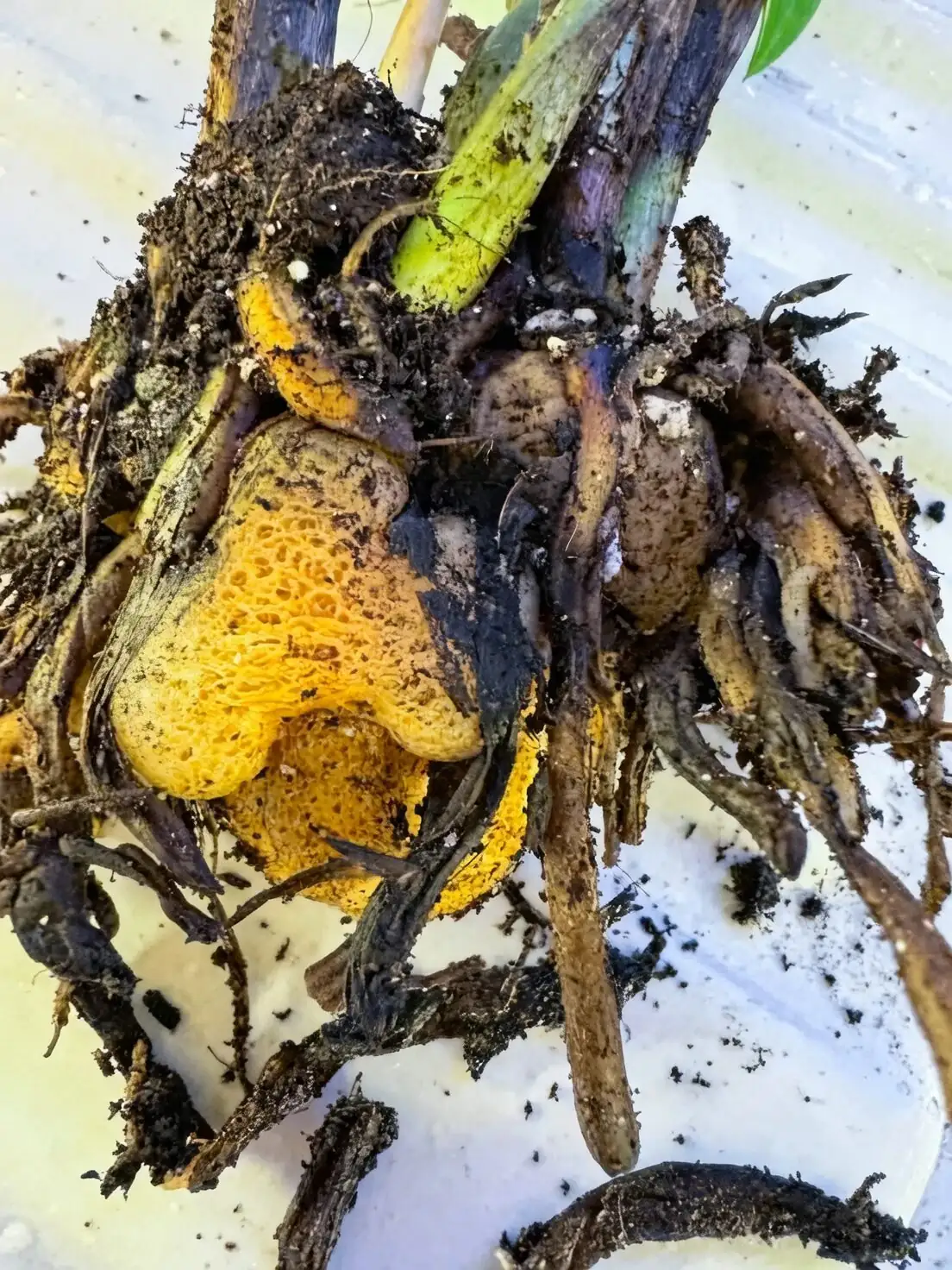
- Visual red flags
- Lower leaves turning translucent or mushy, starting at the base
- A wobbly rosette or a dark ring at the stem base
- Blackened crown tissue or a collapsing center (urgent)
- Feel and smell test
- Healthy roots: firm, pale to tan/white
- Rotted roots: mushy, dark brown/black, often with a foul or sweet/yeasty smell
- Sweet/fermented odor often points to bacterial soft rot; little to no smell can be fungal rot
- Context clues
- Recently watered, heavy mix, low light, cool temps, or poor airflow = perfect storm
- Water trapped in the rosette after watering or rain is especially risky
If two or more of the above align, unpot immediately.
Emergency unpotting: what to do in the first 15 minutes
Set up a clean, bright workspace out of direct midday sun.
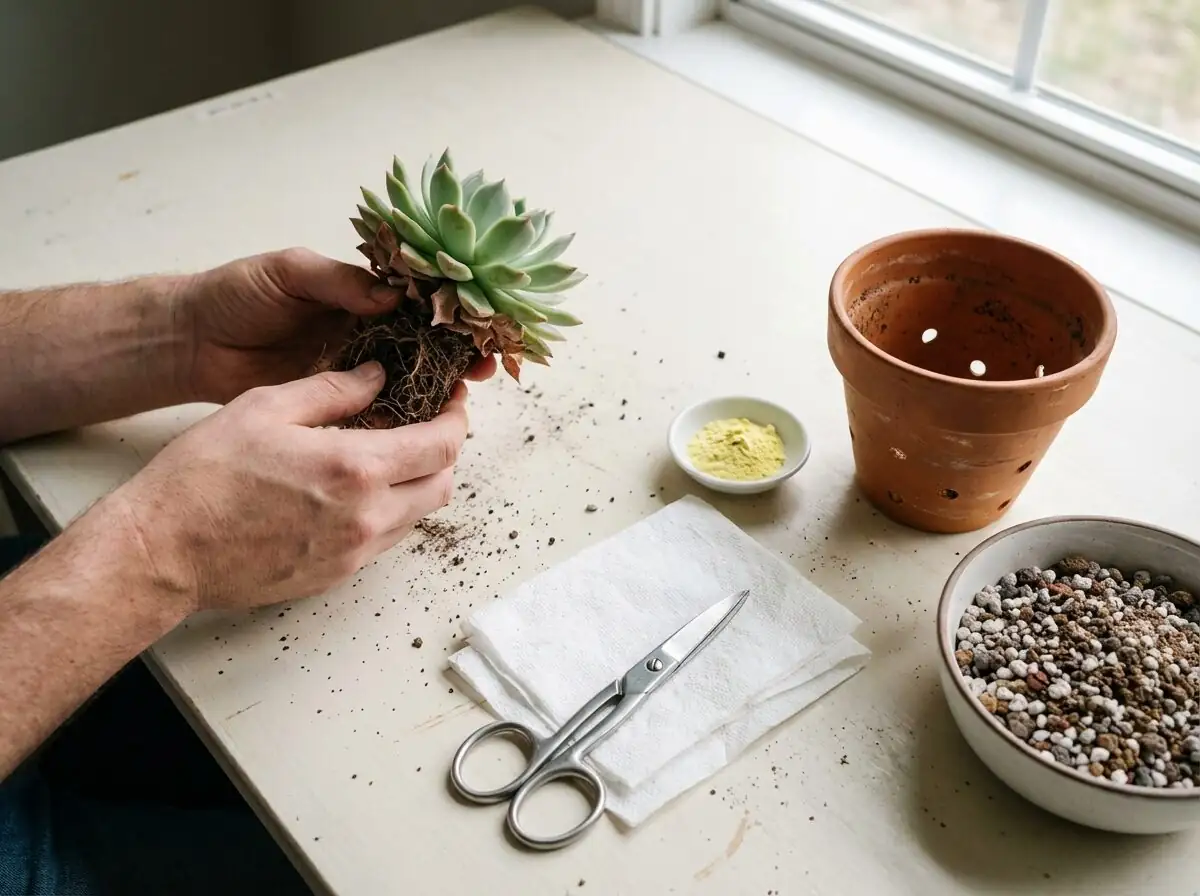
- Tools
- Sharp, sterilized shears or a knife
- Paper towels or clean cloths
- Powdered sulfur or ground cinnamon (helps keep the cut surface dry)
- A fan or breezy, dry spot for callusing
- A new pot with drainage holes (terracotta preferred) and a gritty, fast-draining mix
- Steps
- Slide the plant out of its pot; tap and tease away all soil. Avoid wetting the rosette and try not to rub off the leaf’s protective powder (farina).
- Inspect the stem and roots. Separate anything that’s mushy or blackened.
- Sterilize your blade. Trim back all affected tissue until you reach firm, pale, healthy stem and roots. If rot has climbed into the stem, you’ll likely need to behead the rosette.
Tip: When in doubt, cut higher. Leaving even a sliver of infected tissue invites a relapse.
Surgery done right: trimming, dusting, and callusing
- If the root zone is partly salvageable
- Keep only firm, pale roots. Dust cuts lightly with sulfur or cinnamon.
- Lay the plant bare-root on a dry paper towel in bright, airy shade.
- If you behead the rosette
- Remove a few lower leaves to reveal 1–2 cm of clean stem for rerooting.
- Lightly dust the cut with sulfur or cinnamon.
- Place the rosette upside-down or upright on a dry towel to callus.
- Callusing window
- 2–4 days in warm, dry air is typical; up to 5–7 days if the cut was large or humidity is high.
- Aim for 18–25°C (64–77°F) with strong airflow. Cooler + humid slows callusing and favors rot.
Optional advanced step (experienced growers): If you clearly identify a fungal issue, a labeled copper-based fungicide can be applied to the cut. For suspected bacterial soft rot, use a product labeled as a bactericide. Always follow local regulations and labels.
The gritty upgrade: switch to a mineral-rich mix
Echeveria elegans is happiest in a desert-like substrate—open, airy, and fast-draining.
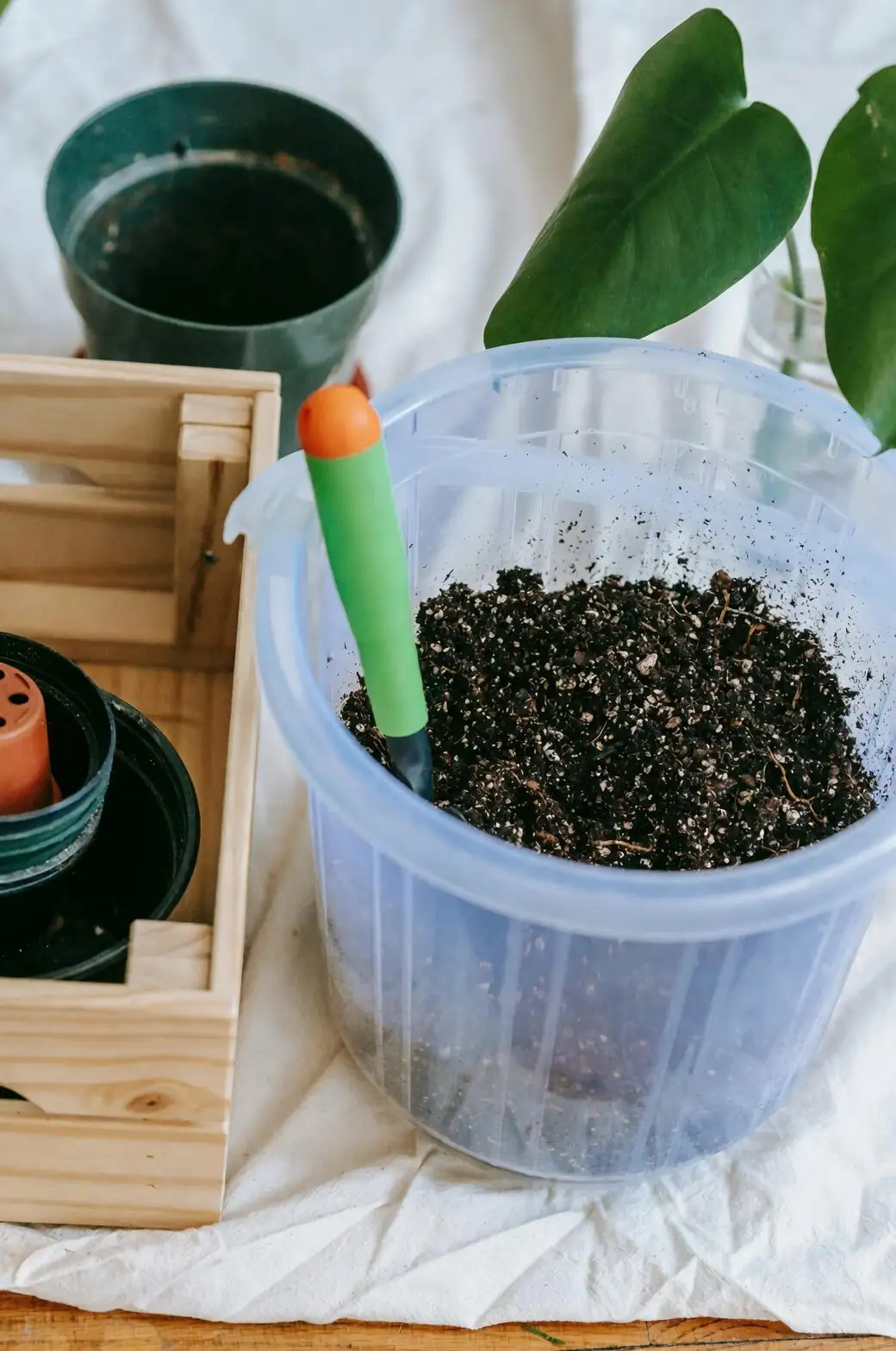
- Grit-first recipes (examples)
- 1 part quality cactus/succulent soil + 2 parts pumice or coarse grit
- 1:1:1 pumice (or lava rock):coarse sand:perlite
- Keep organic matter modest; the goal is mineral and fast-draining
- Pot choice
- Terracotta with a single, generous drainage hole
- Size only slightly larger than the root zone; shallow over deep
- Avoid water-retentive inserts, cachepots without holes, and saucers full of water
Rerooting the rosette: two reliable methods
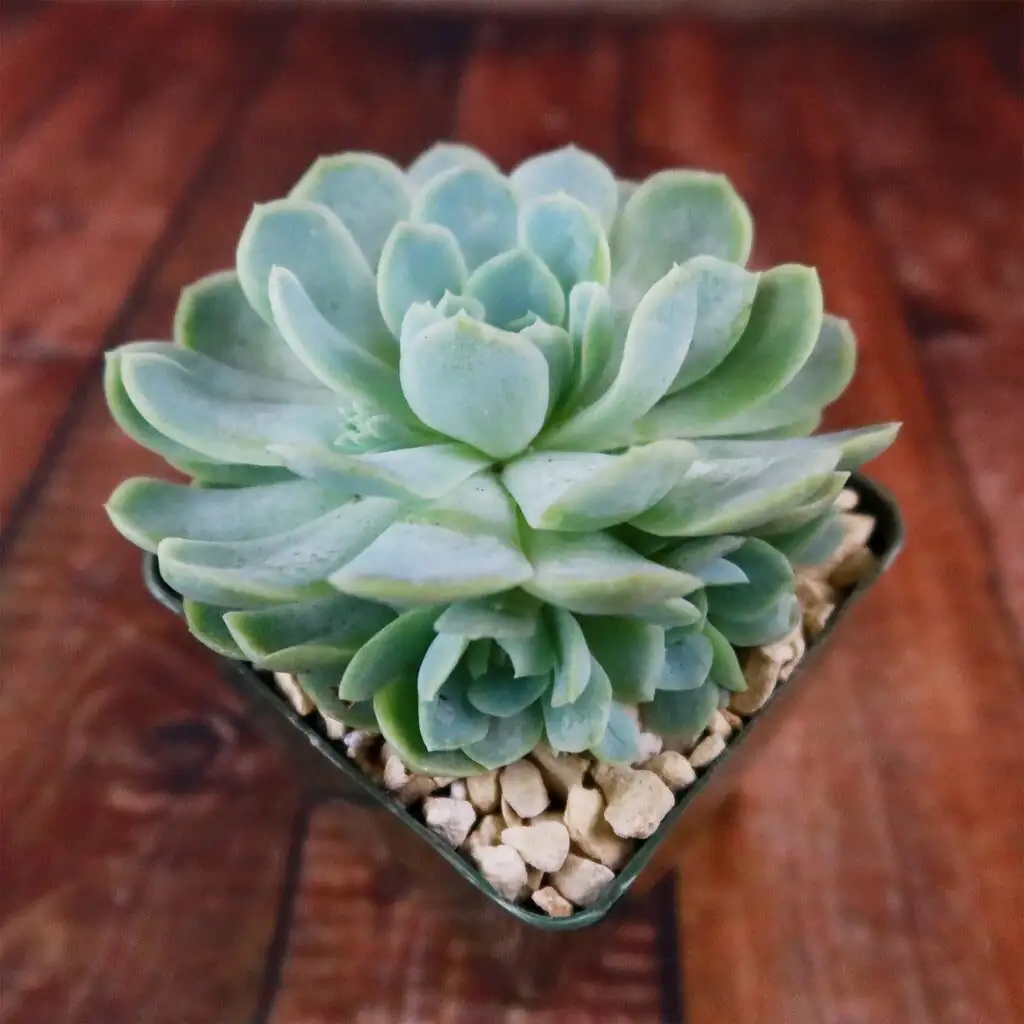
A) Dry-start method (best for beheaded rosettes)
- Stage 1: Set the callused rosette on top of dry, gritty mix—don’t bury it.
- Light and air: Bright light to gentle sun, strong airflow, warm temps. Avoid scorching midday sun during recovery.
- Patience: Tiny roots often appear in ~2–3 weeks in warm, bright conditions.
- Potting up: Once roots reach ~2–3 cm (0.8–1.2 in), plant shallowly and water lightly around the perimeter.
B) Shallow plant-and-wait (for plants with some healthy roots left)
- Plant into dry, gritty mix, seating the base just above the soil line.
- Wait 5–10 days before the first light watering to allow micro-wounds to seal.
- Resume normal soak-and-dry only after you see perkier leaves and firm anchoring.
Pro tip: Keep water out of the rosette. That velvety, chalky farina is protective—handle leaves minimally to avoid rubbing it off.
Watering reset: how to avoid a repeat
Echeveria elegans thrives on a soak-and-dry rhythm, then a real pause.
- After surgery/repot
- Wait 5–10 days before the first small drink (longer if cool/humid)
- Start with modest perimeter watering; escalate only as roots establish
- Ongoing (indoors as a guideline)
- Spring–summer: commonly every 7–14 days in bright light and warmth
- Autumn: stretch intervals to ~2–3 weeks as growth slows
- Winter: keep very bright and much drier—often every 3–5+ weeks or only once or twice if kept cool
- Always water only when the mix is bone-dry all the way through
- Technique
- Water the soil, not the rosette
- Empty saucers; no standing water
- If in doubt, under‑water beats over‑water
Environment reset: the conditions rot hates
- Light
- Bright light to full sun for 4–6+ hours keeps the rosette tight and compact
- In very hot regions, offer light afternoon shade to prevent scorch
- Too little light causes stretching and invites rot-friendly, slow drying soil
- Temperature and airflow
- Sweet spot: ~18–25°C (64–77°F); tolerates about 15–27°C (59–81°F)
- Protect from frost; above ~5–10°C (41–50°F) is safer, especially if not bone-dry
- Dry air and strong airflow are your allies—use a fan indoors if needed
- Placement
- Sunny east/south window, bright balcony/patio, or strong grow lights
- Outdoors, shelter from prolonged rain
Prevention that sticks: your “no‑rot” routine
- Repot rhythm: refresh into gritty mix every 1–2 years, ideally in early spring
- Hygiene: remove dead lower leaves, sterilize tools, quarantine new plants
- Mix matters: keep it mineral; avoid peat-heavy, water-retentive soils
- Pot smarts: drainage holes are non-negotiable; avoid deep pots that stay wet
- Seasonal sense: water less in short days/cool temps; “cold + wet” is the danger combo
- Pests: check for mealybugs in leaf axils and aphids on flower stalks; treat promptly to avoid secondary infections
- Handle gently: preserve the farina; lift by the pot or base, not the leaves
What if the crown is gone?
If rot reaches the growth center (meristem) and the rosette collapses:
- Salvage healthy leaves for propagation:
- Twist off cleanly, let them callus several days, then lay on dry, gritty mix
- Mist the air sparingly, not the leaf; be patient—pups form before roots bulk up
- Check for offsets: healthy pups can be separated once they have roots
A quick decision tree (save this)
- Mushy lower leaves + wobble? Unpot now.
- Roots dark and smelly? Trim back to firm tissue; behead if needed.
- Big fresh cuts? Dust lightly; callus 3–7 days with airflow.
- Replant into gritty mix; wait 5–10 days to water.
- Bright light, dry air, and soak‑and‑dry going forward.
Recovery timeline at a glance
- Day 0: Unpot, trim to healthy tissue, dust, begin callus
- Days 2–7: Callus completes (size and humidity dependent)
- Week 2–3: First new roots on a dry-start rosette in warm, bright conditions
- Week 3–4: Light perimeter watering; rosette begins to anchor
- Month 2–3: Normal soak-and-dry resumes; growth tightens under strong light
A note on “what caused this?”
Root rot is almost always cultural—too much water trapped in a not‑gritty mix under low light and cool, still air. Adjust those, and you fix the root cause. Literally.
Why this plant is worth the rescue
Echeveria elegans rewards good culture with tidy, powdery blue‑gray rosettes and graceful flower stalks in late spring to summer. It offsets readily, turning one survivor into a shareable little colony. Many growers see it as a symbol of resilience and quiet, lasting beauty—fitting for a plant that keeps its shape through dry spells and bounces back after a tough cut.
Stay bright, stay gritty, and keep that rosette dry. Your Mexican Snowball will thank you with a tight, sculptural glow.