

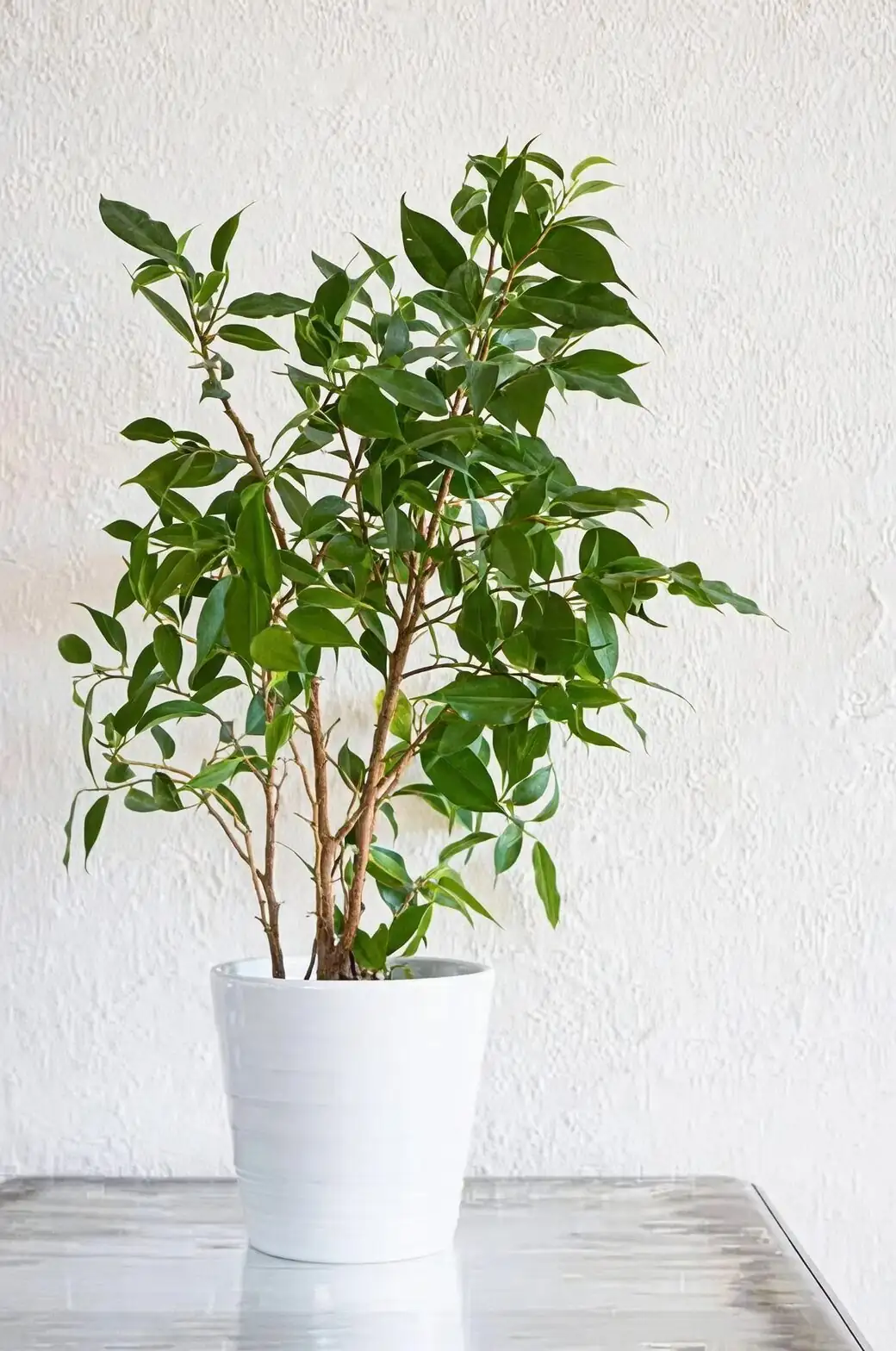
Ready to turn one elegant weeping fig into many? Ficus benjamina is a generous cloner—if you match the method to your goal and nail the humidity. Below, we pit two winning techniques against each other—stem cuttings versus air-layering—complete with real-world timelines, substrate recipes that root fast, and humidity hacks that cut losses.
Meet the contender: a graceful, sometimes dramatic house icon
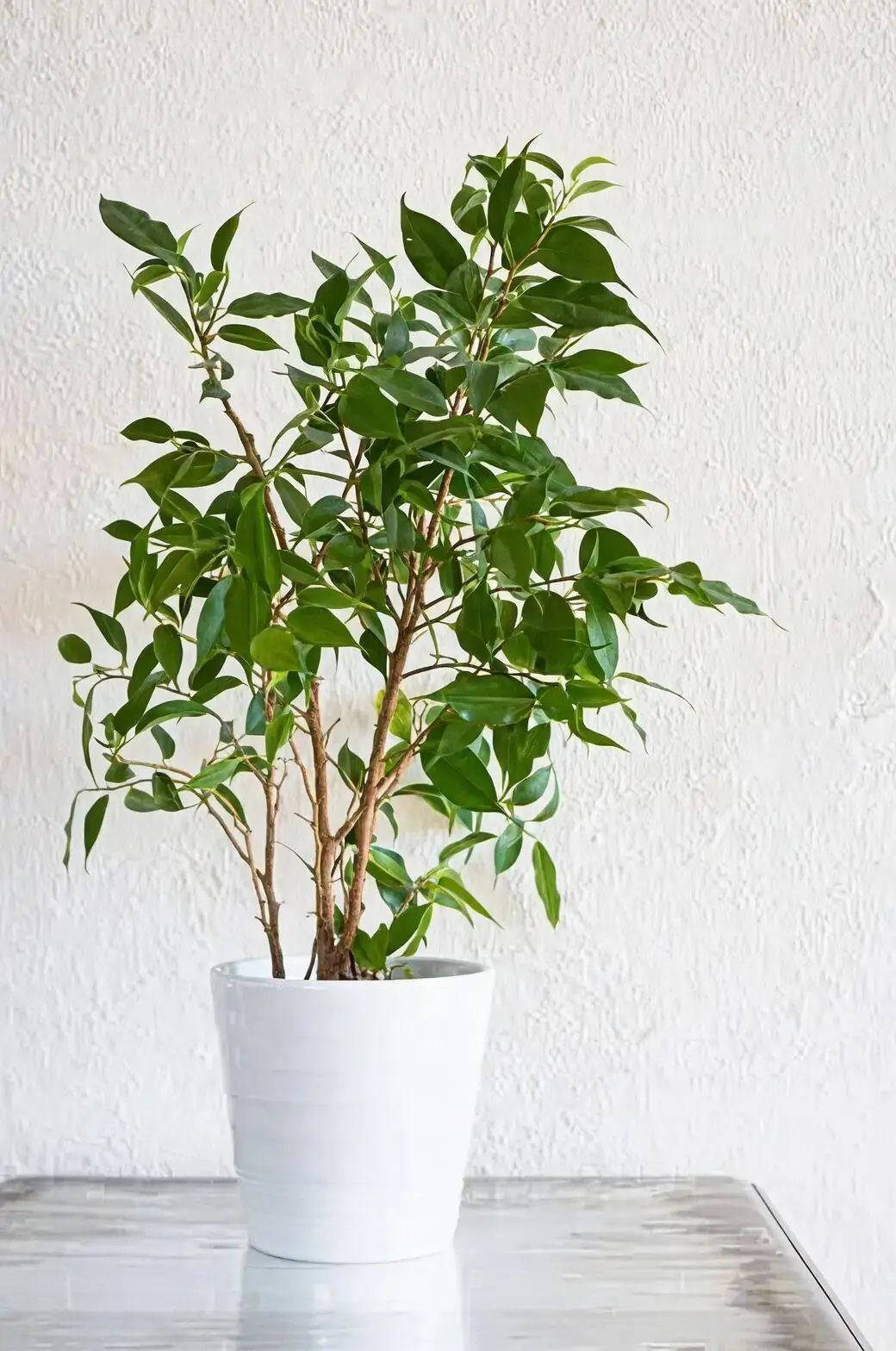
Ficus benjamina (Weeping Fig) is an evergreen ficus native to tropical and subtropical Asia and northern Australia. Indoors it’s prized for glossy leaves and sculptable, bonsai-friendly form. Keep it warm, bright, and evenly moist and it grows steadily; stress it (cold, drought, sudden changes) and it “speaks” with leaf drop. Translation for propagators: timing, warmth, and humidity matter.
- Ideal environment during propagation: bright, filtered light; 20–25°C (68–77°F); moderate–high humidity (about 60–70%).
- Sap alert: the milky latex can irritate skin and eyes. Wear gloves.
Propagation faceoff: cuttings vs. air-layering
- Speed to root
- Air-layer: roots appear in roughly 2–3 weeks; usually ready to sever and pot at about 4 weeks.
- Stem cuttings: typically root in about 4 weeks.
- Plant size you get
- Air-layer: an instant, larger plant with a formed canopy.
- Cuttings: small starter plants—great for numbers and shaping from scratch.
- Best season
- Cuttings: late spring to early summer (May–June).
- Air-layer: late spring to mid-summer (May–July).
- Gear/skill
- Cuttings: simple gear, great for beginners.
- Air-layer: a touch more technique, excellent payoff.
Tip: Pre-hydrate the mother plant a day before either method. A well-hydrated donor branches out roots faster and drops fewer leaves.
—
Method 1: Stem cuttings (the classic, 4-week rooter)
What you’ll need
- Sharp, sterilized pruners
- Gloves (for latex sap)
- Rooting hormone (optional but helpful)
- A small pot or tray
- A free-draining, airy medium (see “Best substrates” below)
- Clear humidity cover (prop dome or plastic bag with vents)
- Warm, bright spot out of direct midday sun
Best timing
- May–June, when growth is strong and roots initiate readily.
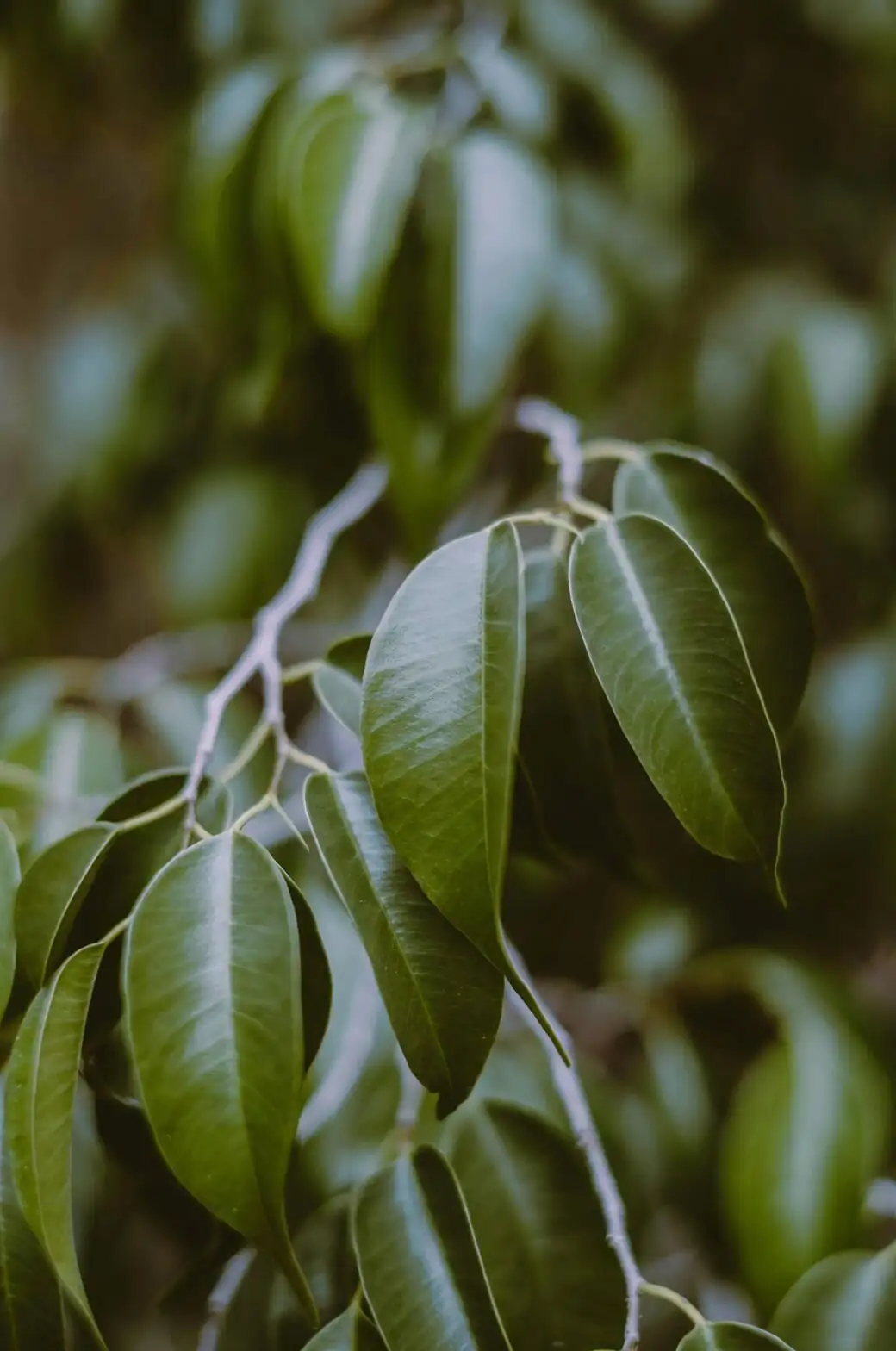
Step-by-step
- Select a healthy tip shoot 10–12 cm (about 4–5 in) long with mature tissue. Keep 2–3 leaves at the top; remove the rest.
- Make a clean cut just below a node; let the cut end dry briefly (a few minutes) to reduce latex bleed.
- Dip the cut end in rooting hormone (optional).
- Insert into a pre-moistened, sandy/airy medium so at least one node is buried.
- Tent with a clear cover to raise humidity; keep the medium evenly moist but never soggy.
- Place in bright, filtered light at 20–25°C (68–77°F).
Timeline (what “success” looks like)
- Week 1: Cutting stays turgid; no collapse. Minimal misting on foliage; focus on medium moisture.
- Weeks 2–3: Gentle tug shows resistance; tiny root nubs form.
- Week 4: Roots established; new leaf or bud swell appears. Pot up carefully into a houseplant mix amended with perlite, then harden off by opening the cover a bit more each day for a week.
Humidity tricks that boost your take rate
- Vent the bag daily for a minute to prevent fungal issues—aim for dewy, not drippy.
- Trim large leaves by a third to lower transpiration on very leafy tips.
- Set the pot on a pebble tray or near a humidifier to keep ambient humidity around 60–70%.
- Gentle bottom warmth (a heat mat set to ~22–24°C/72–75°F) speeds rooting—avoid hot windowsills.
—
Method 2: Air-layering (the sprinter to visible roots: 2–3 weeks)
Why choose it
You’ll root a chunk of canopy still attached to its life support system. Result: a ready-made, fuller plant with very little stall after separation.
What you’ll need
- Sharp, sterilized knife
- Gloves
- Moist leaf mold (primary choice) for wrapping the wound
- Plastic wrap (clear) and ties/tape
- Optional: a light-shielding outer wrap (foil or paper) to keep the root zone cool
Best timing
- May–July, in active growth.
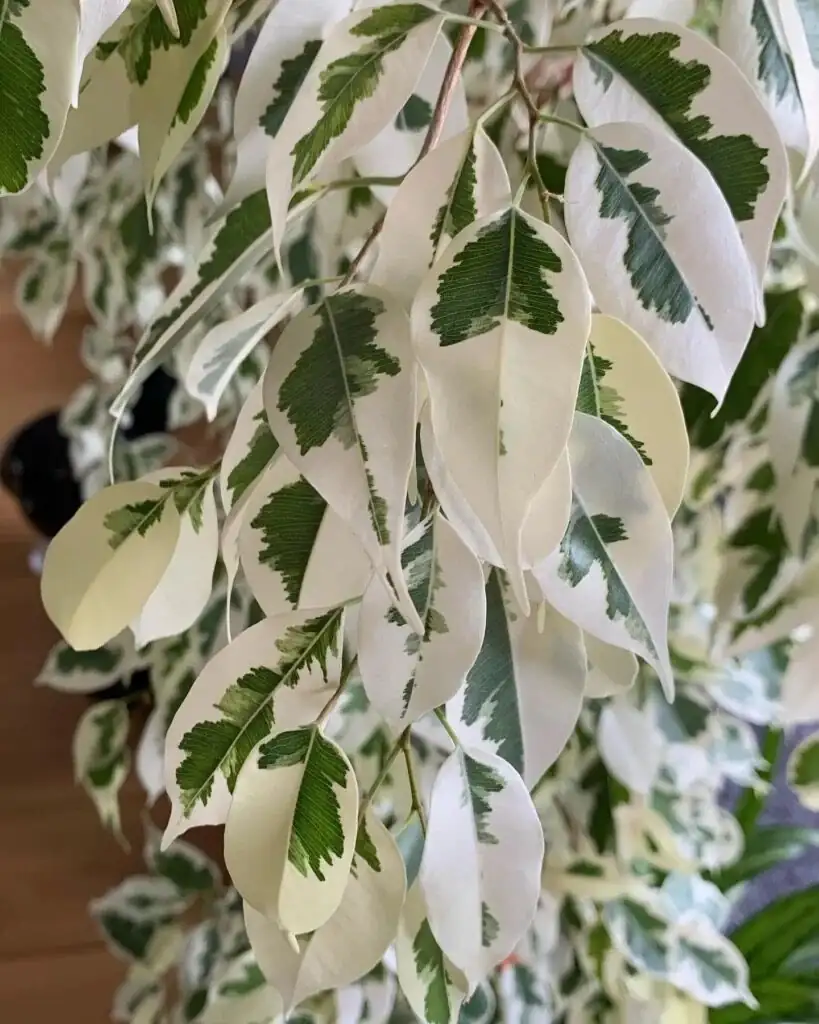
Step-by-step
- Pick a healthy shoot and measure 20–25 cm (8–10 in) below the tip.
- Remove a 1.5 cm (about 0.6 in) wide ring of bark completely around the stem. Scrape off any remaining soft cambium to prevent the ring from bridging.
- Pack the exposed area with moist leaf mold.
- Wrap snugly with plastic to seal in moisture; tie both ends. Optionally add an opaque outer layer to prevent overheating.
- Keep the wrap evenly moist. You should see roots through the plastic in roughly 2–3 weeks.
- At about 4 weeks, when you see a good root pad, cut just below the layer and pot the new plant.
Humidity and moisture mastery
- The wrap should feel springy and evenly damp—never sopping. If it dries, carefully open one end and re-moisten.
- Shade the wrapped area from harsh midday sun to avoid cooking tender new roots.
- After potting, keep the new plant in bright, filtered light and high humidity for 7–10 days as it transitions.
—
Best substrates: quick-draining and airy wins
For rooting cuttings or potting your newly separated air-layer, choose mixes that balance air with gentle moisture retention.
- For cuttings
- Leaf-mold/houseplant soil + coarse sand or perlite (light and fast-draining)
- Perlite: peat moss at 1:1
- Vermiculite: sand at 1:1
- For potting up
- A loose, well-aerated houseplant mix cut with perlite or coarse sand to prevent sogginess
Pro tip: Water thoroughly, then let excess drain fully. Slight, even moisture beats cycles of bone-dry followed by a flood—Ficus benjamina punishes extremes with leaf drop and blackened tips.
—
Lighting, temperature, and placement during propagation
- Light: bright, filtered light; avoid harsh midday sun on tender propagules.
- Temperature: steady 20–25°C (68–77°F). It dislikes cold; avoid below 10°C (50°F)—growth often stalls and leaves yellow in chilly rooms.
- Humidity: aim for 60–70%. In very dry homes, pair a clear cover with room-level humidity support (humidifier, pebble trays, or grouping plants).
—
Aftercare: from baby roots to steady growth
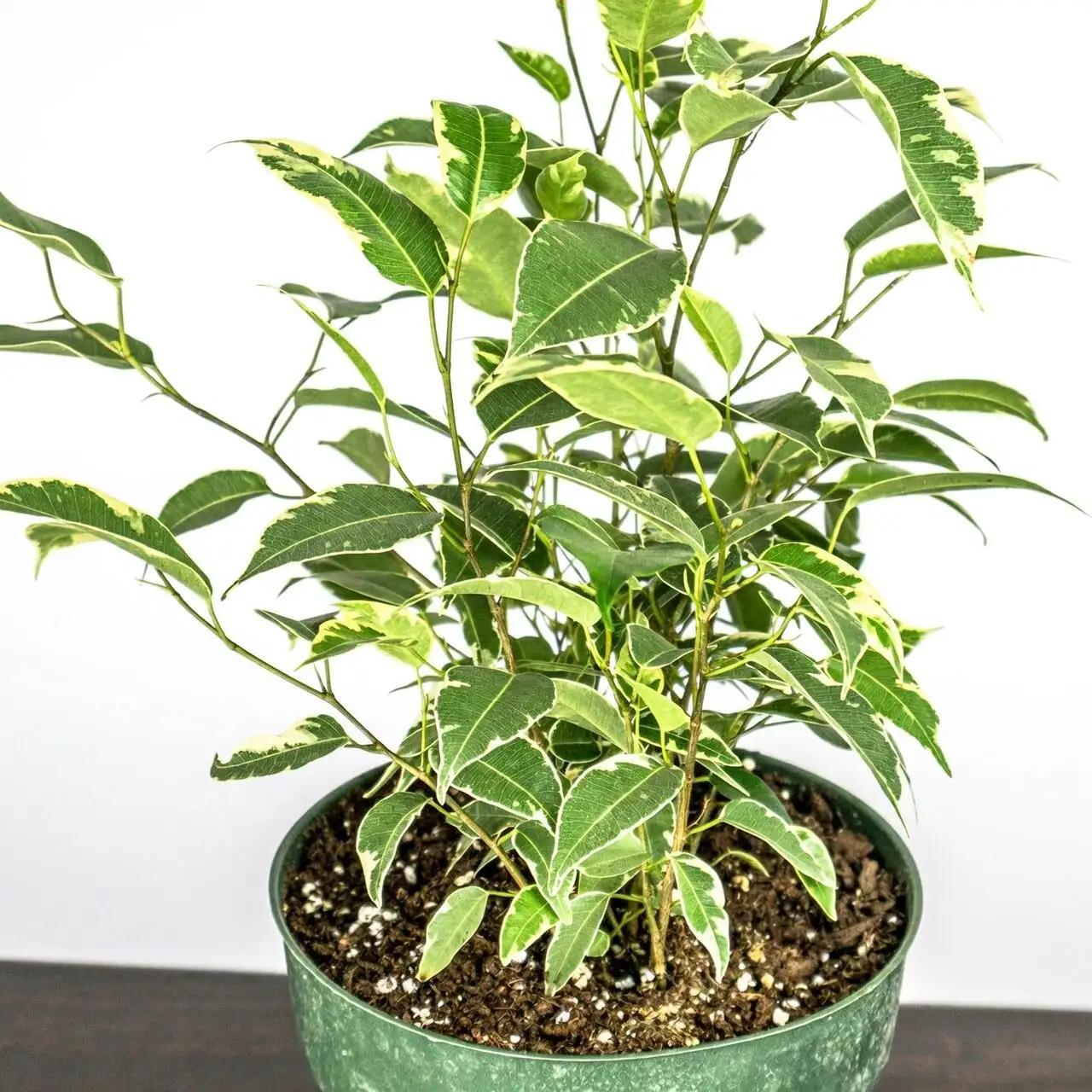
- Week 0–1 after potting: Maintain slightly moist mix; keep humidity higher, then taper.
- Week 2–4: Begin light feeding only after you see active new growth. During the main growing season, a balanced houseplant fertilizer every ~10 days supports momentum; pause/reduce as autumn arrives.
- Pruning and shaping: Pinch tips to encourage a fuller silhouette—perfect for those sculptural, indoor “trees.”
—
Troubleshooting the two methods
- Cutting wilts or collapses early
- Likely too hot, too dry, or the medium is waterlogged. Move to bright, indirect light; refresh to an airier mix; re-tent and vent daily.
- Leaves yellowing and drop
- Room too cool, air too dry, or inconsistent moisture. Stabilize at 20–25°C and 60–70% humidity; water evenly.
- Air-layer dries out
- Open one end and re-moisten the leaf mold; re-seal carefully.
- Fine webbing under dry indoor air
- Watch for spider mites. Increase humidity and use insecticidal soap or horticultural oil if needed.
—
Safety and pet note
That milky latex sap can irritate skin/eyes—gloves on, especially when wounding for layers or taking cuttings. Ficus benjamina is toxic to cats and dogs if chewed (drooling, vomiting, irritation), so keep propagules and mother plants out of reach.
—
A quick, poetic aside: symbolism
Weeping fig often symbolizes steadiness and resilience—apt for a plant that, once settled into warm, bright, humidity-kissed conditions, rewards you with graceful, reliable growth. Train it into sculptural forms and it becomes a living calm in your space.
—
The verdict
- Need multiples and enjoy shaping from scratch? Choose stem cuttings—rooting in about 4 weeks with minimal gear.
- Want instant presence and faster visible root action? Air-layer—roots in roughly 2–3 weeks; a pot-ready plant at around 4 weeks.
Whichever route you take, pair airy substrates with steady warmth and a smart humidity strategy, and your Ficus benjamina will repay you with a small forest of glossy, weeping silhouettes.