

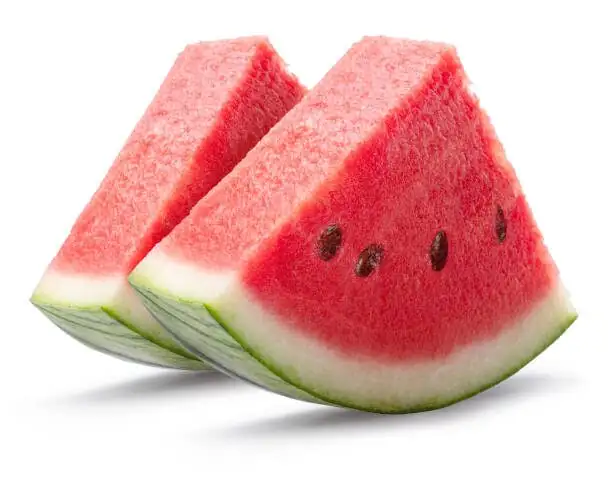
If you’ve ever wished your shelf looked like a tiny, well-curated understory, Watermelon Peperomia (Peperomia argyreia) is your anchor piece. Its round, lightly succulent leaves flash silvery-green stripes over deep green veins—like polished melon rinds on slender, reddish petioles. It stays compact and tidy (most pots mature around 8 × 8 inches/20 × 20 cm), which makes it the perfect “lead” plant to build harmonious pairings around.
Below, I’ll show you how to pair it with plants that want the same light and humidity—other peperomias, trailing aroids, and soft ferns—and why sunbathing cacti and the blast of a heat vent will turn this partnership into a mismatch.
Meet Watermelon Peperomia: the vibe and the vitals
- Native range: Northern South America, especially Brazil
- Look: Round to oval, slightly succulent leaves with bold silvery striping; slim, often reddish petioles; compact clumping habit
- Size indoors: Usually 6–12 in (15–30 cm) tall with a similar spread
- Light: Bright, indirect light to partial shade; avoid harsh direct sun that scorches and fades the pattern
- Temperature: Best at 59–75°F (15–24°C). Stress increases above ~86°F (30°C) and below ~55°F (13°C). Keep above ~50°F (10°C); not frost-hardy
- Humidity: Prefers moderate humidity; adapts to average indoor air with a little help (pebble tray, occasional light mist, and gentle airflow)
- Personality: Easy to moderate care; dislikes soggy soil, harsh sun, and cold drafts
The pairing compass: match the light and the air
Think of this plant as loving “bright shade.” It’s at home near an east window, near a bright north window, or set back with a sheer from south/west windows. In summer, keep it a step out of the furnace of hot glass; in winter, bring it brighter but still not into midday beams.
Plants that will thrive beside it generally:
- Like bright, indirect light (no hours of hot, direct sun)
- Prefer moderate humidity and appreciate gentle grouping
- Enjoy evenly moist-but-not-soggy soil with partial drying between waterings
That’s the sweet spot for successful roommates.
Perfect pairings by style
1) The Peperomia Club: textures that rhyme
Layering peperomias creates a refined, low-maintenance tableau with synchronized needs.
- Peperomia caperata (Ripple Peperomia): Deeply corrugated leaves add shadow and texture without needing more light.
- Peperomia obtusifolia (Baby Rubber Plant): Glossy, thicker leaves; tolerates the same bright-indirect window and similar water rhythm.
- Peperomia ‘Hope’ and Peperomia prostrata (String of Turtles): Soft trailers that echo the Watermelon’s round-leaf charm. Give them the same bright, filtered light and an airy, fast-draining mix.
Why it works: Similar tolerance for moderate humidity, dislike of soggy soil, and a shared love of bright-but-protected light. Keep all slightly pot-bound in airy mixes, and they’ll stay compact and crisp.
2) Trailing Aroids: a gentle cascade
Add movement without upping the sun.
- Philodendron hederaceum (including ‘Micans’): Velvet or satin leaves trail elegantly; both enjoy bright indirect light and partial drying.
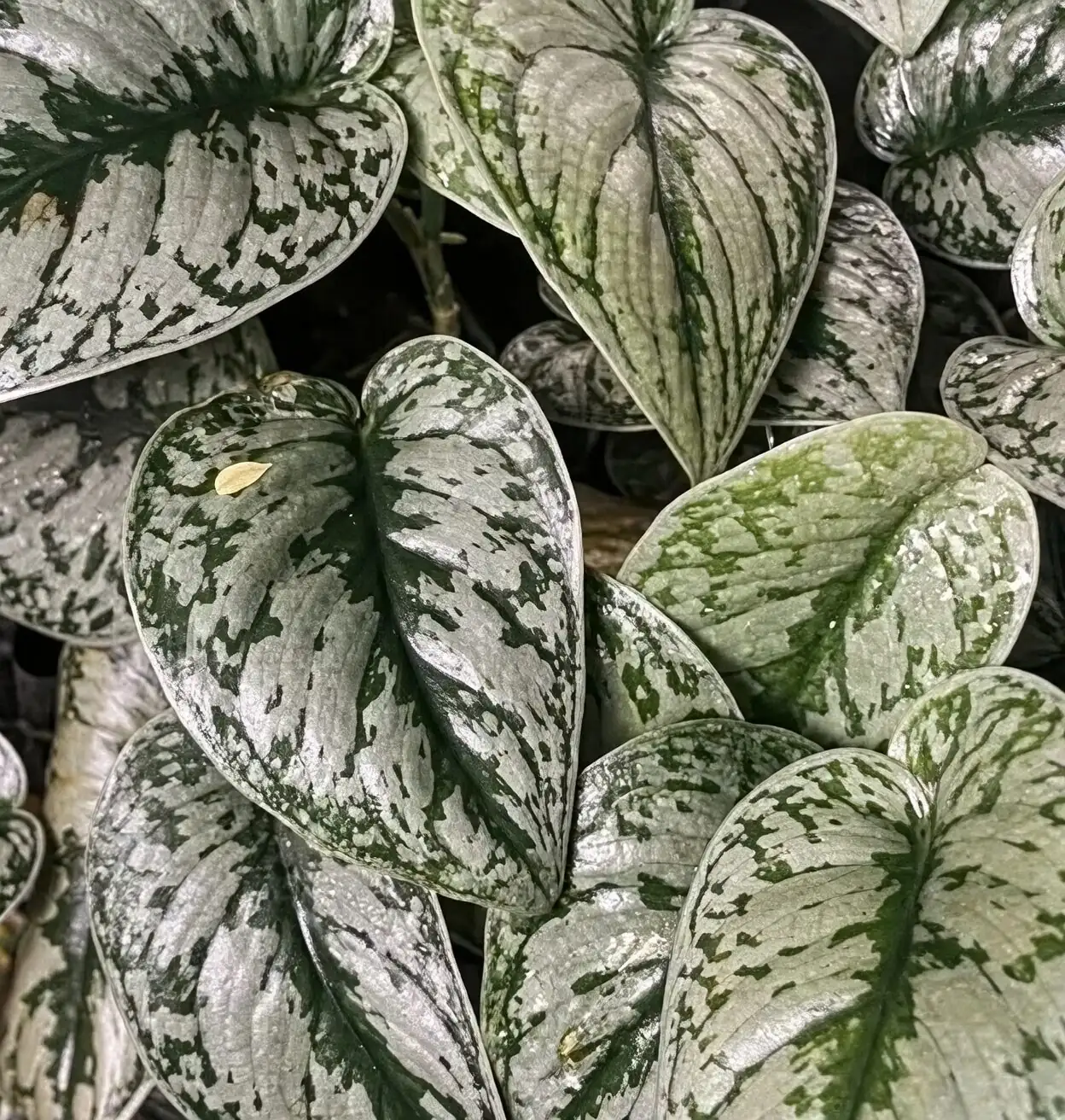
- Scindapsus pictus (Satin Pothos): Silvery flecks echo the Watermelon’s bands; thrives a few feet back from strong windows.
- Epipremnum aureum (Pothos): Classic, forgiving; likes to dry a bit between waterings—easy to sync with Watermelon Peperomia’s “soak, then let the top dry” rhythm.
- Monstera adansonii (Swiss Cheese Vine), if you’ve got space: Happy in the same filtered light; let it climb or trail nearby to “frame” the Watermelon.
Why it works: Similar light and moderate humidity needs. Their slightly bolder appetite for water is compatible if you allow partial drying, not prolonged wetness.
3) Soft Ferns: the plush understory
Use ferns to raise the humidity halo without roasting anyone in sun.
- Nephrolepis exaltata (Boston Fern) or feathery cultivars: Soft volume and an old-world vibe.
- Asplenium nidus (Bird’s-nest Fern): Architectural rosettes complement the Watermelon’s round leaves.
- Pteris (Brake ferns) and even Adiantum (Maidenhair), if you can maintain steadier moisture.
How to make it work: Ferns generally like more even moisture and slightly higher humidity. Keep each species in its own pot and mix; group them to gently boost humidity, use a pebble tray, and maintain airflow. Keep the Watermelon Peperomia’s substrate loose and fast-draining—never waterlog it just to keep a fern happy.
Microclimate recipes
East window vignette (filtered morning sun)
- Center: Watermelon Peperomia in a 4–5 in (10–12.5 cm) pot, slightly pot-bound for tidy growth.
- Flank: Philodendron ‘Micans’ draping from a riser.
- Accent: Bird’s-nest Fern on the shadier side to soften the edge.
- Tip: Use a sheer curtain from late spring to early fall to blunt rays that can fade striping.
Bright north window shelf
- Row of textures: Peperomia caperata (ripples), Watermelon Peperomia (stripes), Scindapsus pictus (satin spangles).
- Tip: Rotate the Watermelon a half-turn weekly to keep the mound symmetrical and prevent leaning.
Hanging-bright-shade corner
- Top hanger: String of Turtles.
- Mid shelf: Watermelon Peperomia as the visual “anchor.”
- Low shelf: Boston Fern to gently moisten the air.
- Tip: Small fan on low for gentle airflow—great for pest prevention.
Why full-sun cacti and heat vents are a mismatch
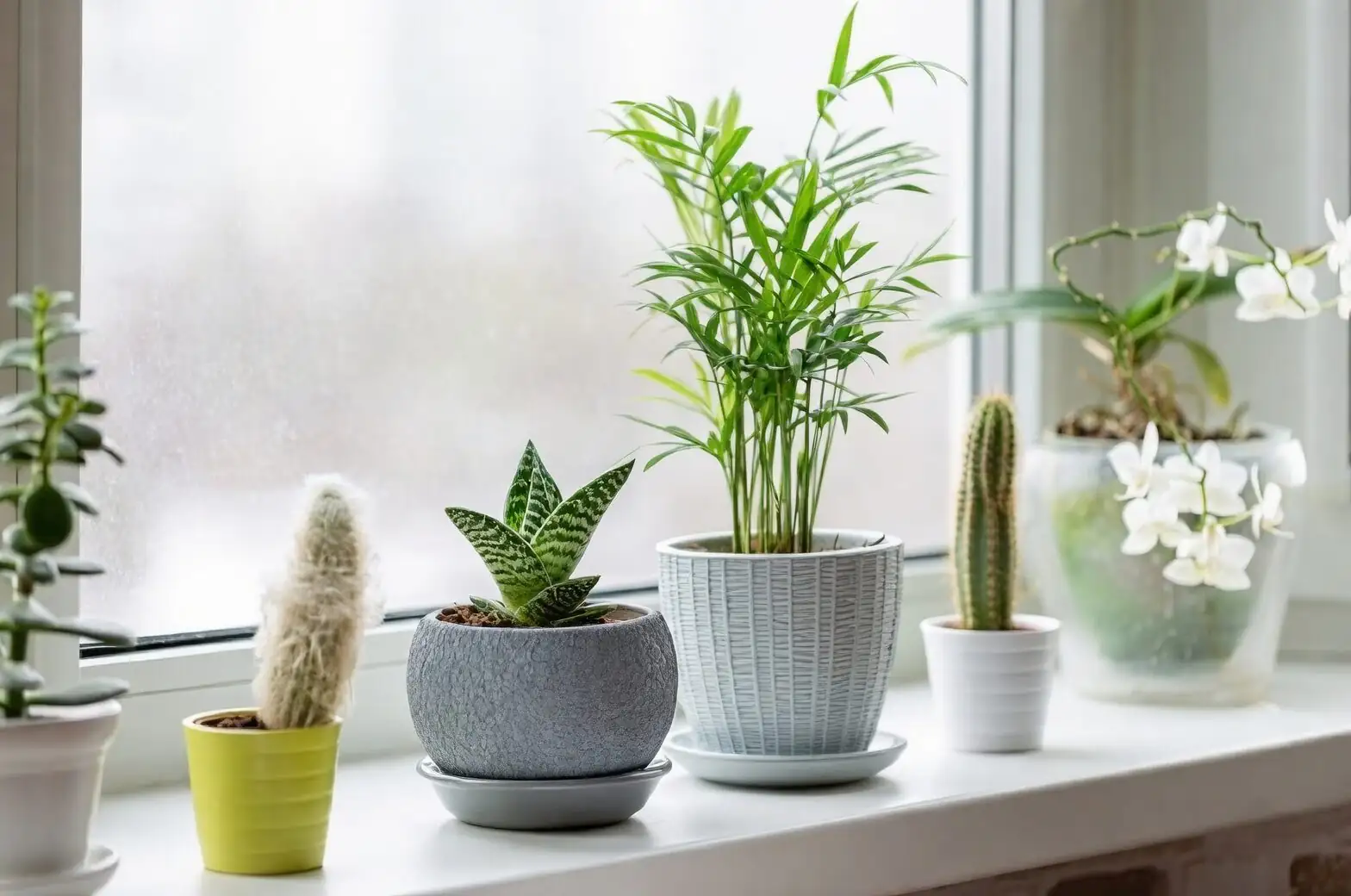
- Light mismatch: Watermelon Peperomia dislikes harsh direct sun—leaves can scorch and lose their sheen. Most cacti crave hours of direct sun. Group them together and one of them will be unhappy (it will be the Watermelon).
- Moisture mismatch: Cacti want long dry spells and ultra-mineral, fast-draining media. Watermelon Peperomia likes thorough watering followed by the top layer drying—more frequent than most desert plants. Shared schedules lead to overwatering one or underwatering the other.
- Air/temperature extremes: Heat vents blast very dry, hot air. The Watermelon Peperomia responds with curling or drooping (even without yellowing), dull foliage, and greater pest risk. It also hates cold drafts. Cacti won’t mind the dryness; your Watermelon will.
Better plan: Give cacti the sunniest sill. Build your Watermelon’s world one step back in bright, filtered light, away from vents and drafts.
Care notes that keep the whole display thriving
Light and placement
- Best: Bright, indirect light to partial shade (east window; bright north; a few feet back from south/west with a sheer).
- Summer: Protect from hot glass and midday sun. Winter: Move to the brightest safe spot, still avoiding strong direct midday beams.
Watering
- Spring–autumn: Water thoroughly, then let the surface dry before watering again (often weekly, depending on light/heat).
- Summer: Keep evenly moist, never soggy; never let it stand in water.
- Winter: Water sparingly (often about every 2 weeks), letting the mix dry a bit more.
- Signs: Overwatering = yellowing, soft leaves, sour-smelling pot, rot. Too dry too often = drooping, dull foliage.
Soil and pots
- Mix: Loose, fast-draining houseplant mix (peat/coco base) amended with perlite and/or coarse sand.
- Pot: Always with drainage. Likes being slightly pot-bound; repot every 2–3 years, only one size up. Top-dress or refresh mix annually.
Feeding
- During active growth: Either monthly at half-strength from spring to autumn, or every 2 weeks at a more diluted rate during peak growth (roughly May–August).
- Avoid heavy nitrogen that softens growth and blurs the leaf pattern. Pause feeding in winter.
Grooming and propagation
- Prune lightly: Remove yellowing or damaged leaves at the base; pinch leggy growth to keep the mound compact.
- Propagate: Leaf cuttings root readily in spring/summer. Insert a leaf with 0.4–0.8 in (1–2 cm) of petiole into a lightly moist, airy medium. Roots in ~3–4 weeks; baby plantlets in ~4–6 weeks. Stem cuttings can root in water or mix. Division works at spring repot.
Health and pests
- Common pests: Mealybugs, scale, spider mites, whitefly—especially in warm, dry air. Treat early with insecticidal soap or horticultural oil; repeat as needed and improve airflow.
- Disease watch: Overwatering triggers root rot. Occasionally you’ll see leaf spot or ringspot-like issues; start with clean plants and sterile mix, remove affected leaves, and isolate if symptoms spread.
Quick troubleshooting (especially in mixed groupings)
- Yellow leaves, drooping petioles: Often overwatering or a dense mix; give brighter filtered light and let the top dry between waterings.
- Curling/drooping without yellowing: Underwatering or very dry air; water thoroughly and move away from heat vents; add a pebble tray.
- Faded striping or stretched petioles: Light is too low. Move closer to bright, indirect light.
- Chilling or drafts: Leaves may droop or show damage below ~55°F (13°C). Keep it above ~50°F (10°C) and out of cold blasts.
Safety and symbolism
- Pet-safe: Generally considered non-toxic to cats, dogs, and people. Still, discourage nibbling.
- Symbolism (flower language): More modern than ancient—its crisp stripes and cheerful form are often linked to freshness and playfulness. There’s no deep folklore here; the “meaning” grew with its popularity as a contemporary, mood-lifting foliage plant that stays charming year-round.
Your finishing touches: design with confidence
- Group—not cram. Give each pot breathing room and a shared pebble tray to nudge humidity without wet feet.
- Filter the light. A sheer curtain or a position a couple of feet from bright windows keeps patterns vivid and leaves unscorched.
- Keep it even. Gentle airflow prevents pests; rotating the pot weekly keeps growth symmetrical.
And remember: style is easier when care is in sync. Pair your Watermelon Peperomia with other peperomias, trailing aroids, and soft ferns in bright, indirect light—and give sun-thirsty cacti their own sunny stage. Your display will look curated, cohesive, and, best of all, stay beautifully healthy.