

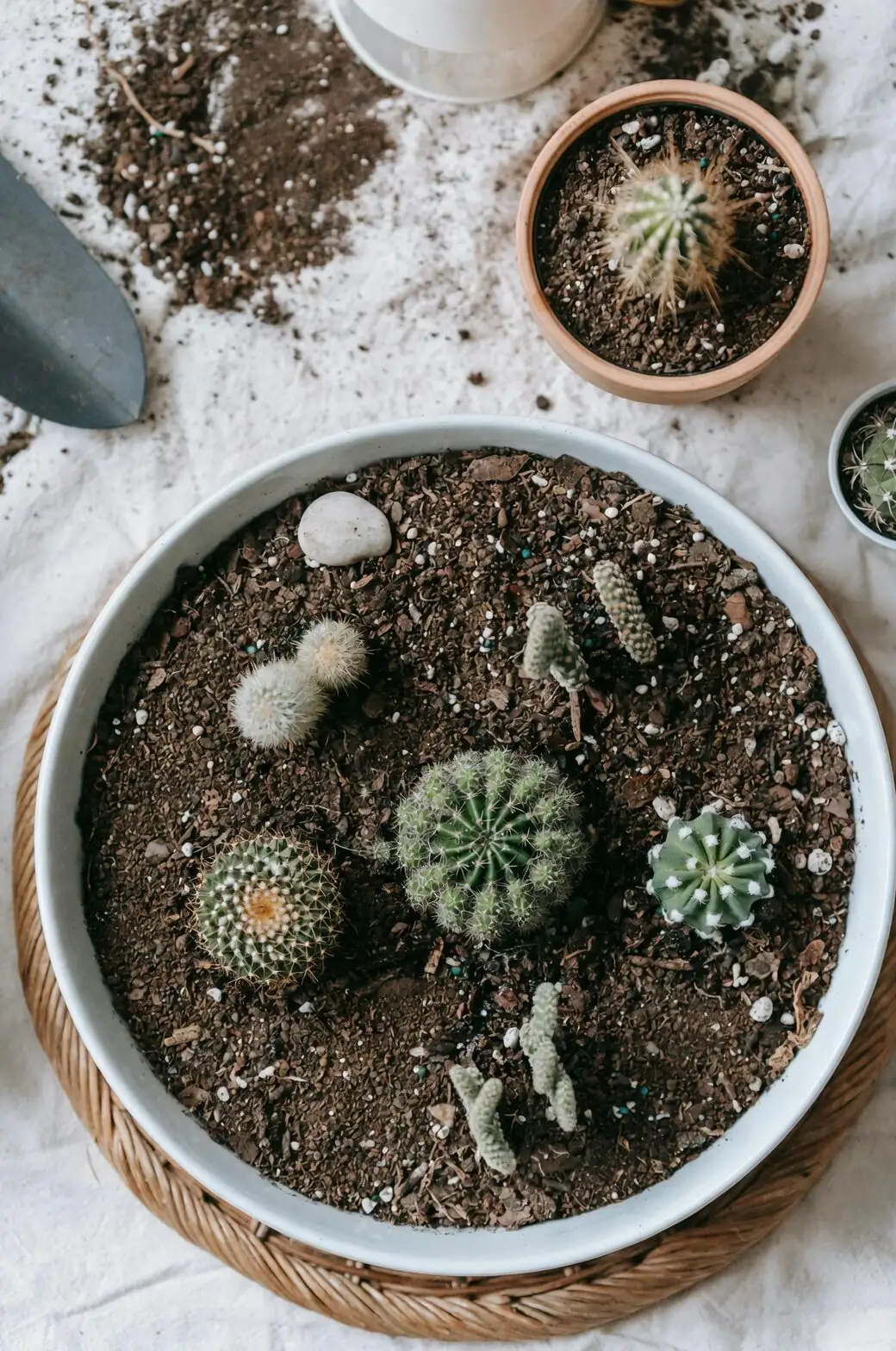
You can absolutely mix succulents in one container and have them thrive—if you think like a landscape architect in miniature. The secret is compatibility: group by growth season and water use, sculpt little “micro‑zones” with gritty mixes, and keep just enough space between plants to break the pest superhighways. Here’s your friendly, field-tested guide to arranging living mosaics that stay beautiful for seasons, not just for photos.
The golden rule: match growth rhythm and thirst
Succulents aren’t one tribe—they’re a lifestyle spread across many families (Crassulaceae, Cactaceae, Euphorbiaceae, Asphodelaceae, Asparagaceae, and more). That’s why compatibility starts with timing and water.
Three broad growth rhythms (with examples)
Note: individual species vary; always check your specific plant’s habits.
- Cool-season/winter‑active (often strongest fall–spring; slow or semi‑dormant in hot summers)
- Many Aloes, Aeonium, Haworthia, Gasteria, several Crassula types
- Care rhythm: a bit more water in cool bright seasons, less in scorching midsummer; midday shade in extreme heat
- Warm-season/summer‑active (strongest spring–summer; rest in winter)
- Many Echeveria, Graptopetalum and hybrids (e.g., Graptosedum ‘California Sunset’), tender Sedum, numerous Agave, many cacti
- Care rhythm: more frequent soak‑and‑dry in brighter, warmer months; sharply reduced water in winter
- Spring/Fall flushers (the “shoulder‑season” sweet spot)
- Many windowsill favorites fall here—active when light and temperatures are mild; treat watering as warm‑season with a pronounced winter slowdown
Watering compatibility in shared pots
- Use the soak‑and‑dry method for all: water thoroughly, then wait until the mix is completely dry before watering again.
- Group plants that want water at the same time of year. For example:
- Don’t pair a summer‑active “sun lover” that wants a good spring/summer watering cadence with a summer‑dormant Aeonium that prefers a leaner drink in heat.
- When in doubt, wait—most succulents handle a dry week better than a wet one.
Build micro‑zones in one pot (your stability superpower)
One container can mimic different footholds on a rocky slope. You’ll blend gritty mixes to create fast‑drying pockets for extreme xeric species and slightly more retentive zones for moderate drinkers—without ever sacrificing drainage.
Anatomy of a compatibility container
- Pot: wide and shallow is perfect for arrangements (roughly 6–8 inches deep works well). Always use a drainage hole.
- Light: aim for 4–6 hours of strong light; acclimate gradually before full sun to prevent sunburn.
- Air: good airflow keeps humidity low and rot risk down.
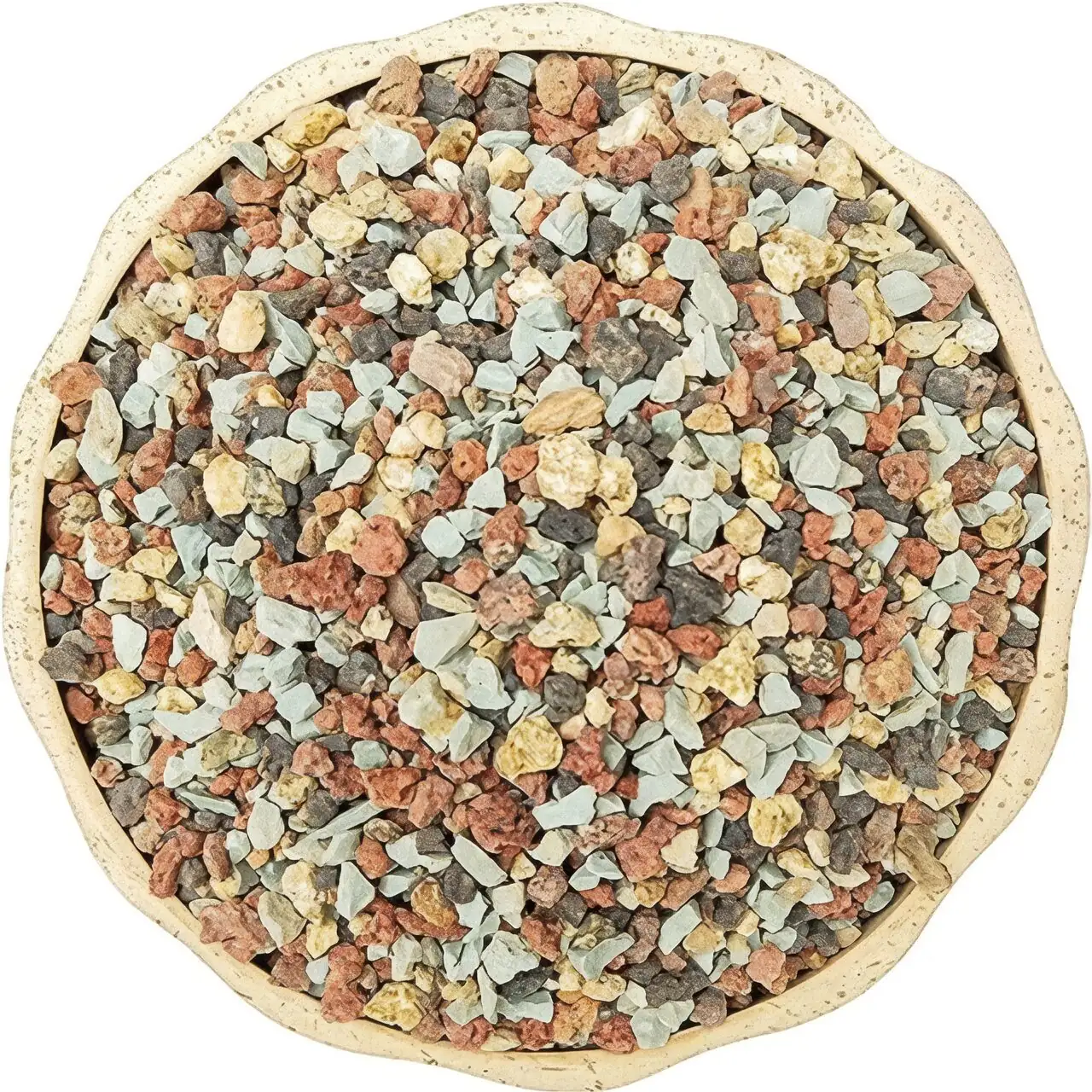
Your base gritty recipe (adjust by zone)
A fast-draining, airy mix is non‑negotiable. Start with:
- Roughly 10–20% fine organic matter (peat/coco coir/bark)
- ~20% coarse sand
- ~60–80% inorganic grit (pumice, perlite, lava rock, diatomite, akadama)
Now tune it into micro‑zones:
- Ultra‑gritty “desert lane” (for cacti, small Agave, very xeric Euphorbia)
- 80–90% inorganic grit, minimal fines
- Standard succulent zone (for most Echeveria, Graptopetalum, many Crassula)
- 60–70% inorganic grit
- Gentle, shaded pocket (for Haworthia, Gasteria; still fast-draining)
- 50–60% inorganic grit, placed where taller plants cast dappled shade
How to build it:
- Mound and terrace: create slight mounds for the ultra‑gritty lane (peaks dry faster), and gentle troughs for the moderate zone.
- Use stones as baffles: nestle river stones or lava pieces to keep zones from blending too much while roots thread between them.
- Top‑dress intentionally:
- Coarse gravel/pumice around ultra‑xeric plants to speed evaporation.
- Slightly finer grit where you want just a hint more moisture retention.
- Never plug the drain hole or add a “drainage layer” at the bottom. Keep the whole soil column fast and uniform; tune moisture with texture, mounding, and top-dress at the surface.
Shade and sun pockets
- Place taller, sun‑tough plants (Agave, Aloe, columnar cacti) on the sunward side to cast partial shade for Haworthia/Gasteria behind them.
- Keep the brightest edge for color‑loving rosettes (many Echeveria and Sedum blush vividly with strong light and cool nights).
Spacing that stops mealybug highways
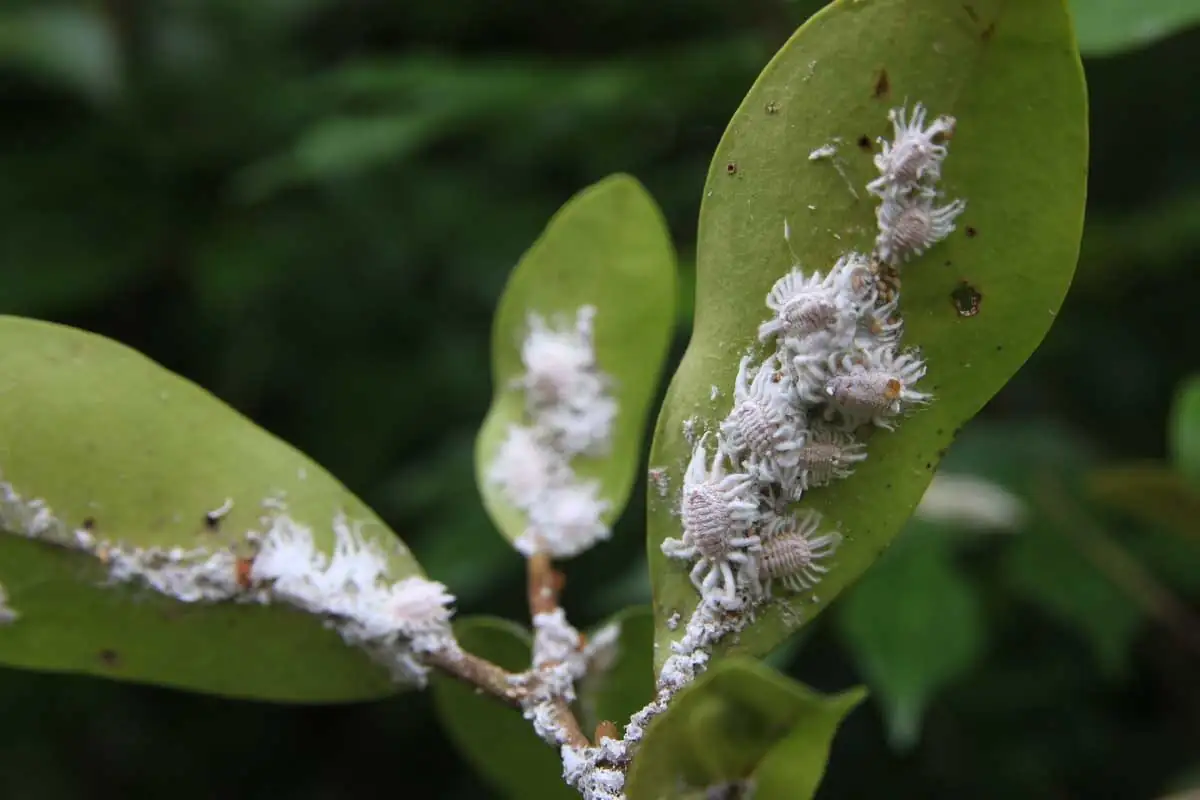
Mealybugs love bridges: leaf‑to‑leaf contact, crammed crowns, and dead foliage tucked at the base. Design against them.
Design for distance
- Keep 1–2 leaf‑widths of breathing room between plants; avoid crown‑to‑crown contact.
- Trim or redirect “spillers” so they don’t drape across neighbors.
- Regularly remove dried, lower leaves—prime mealybug hideouts.
Hardscape barriers
- Create “moats” of coarse pumice or sharp gravel between groups to break crawl paths.
- Keep leaves off the pot rim where pests commute; trim or reposition rosettes slightly higher on mounds.
- Use inert mineral top‑dress (not moss) to keep the surface dry and less welcoming.
Hygiene and response
- Quarantine new plants; inspect leaf axils and under rims.
- Spot‑treat with 70% isopropyl alcohol swabs or sprays on visible mealybugs; repeat checks weekly.
- Improve airflow; avoid heavy, frequent fertilizing that pushes soft, pest‑prone growth.
- If ants are present, manage them—they often protect and move mealybugs.
- Persistent problems? Uplift and rework the arrangement to restore spacing and remove infested debris.
Ready‑made combo recipes (by season and water use)
Use these as templates and swap in similar species you love.
Cool‑season stars (more active fall–spring; lighter water in summer heat)
- Aeonium arboreum (thriller)
- Aloe ‘Christmas Carol’ or a compact Aloe hybrid (accent)
- Haworthia ‘Zebra’ and/or Gasteria ‘Little Warty’ (fillers for the shaded pocket)
- Notes:
- Bright light with gentle midday shade in high heat (>35°C/95°F).
- Water sparingly in midsummer; resume soak‑and‑dry as temperatures ease.
Warm‑season sun lovers (active spring–summer; minimal winter water)
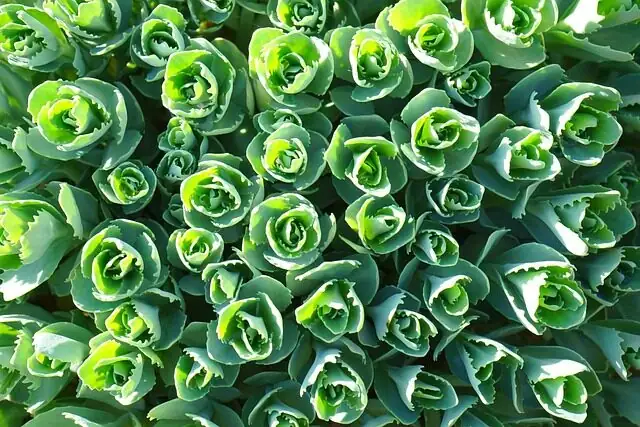
- Echeveria elegans (thriller rosette)
- Graptosedum ‘California Sunset’ (color pop filler)
- Sedum rubrotinctum (spiller with seasonal blush)
- A small Agave pup set into the ultra‑gritty lane (structural accent)
- Notes:
- Acclimate to full sun; aim for 4–6 hours light minimum.
- Water thoroughly only after full dry‑down in warm months; protect from frost in winter.
Desert minimalists (ultra‑low water)
- A trio of small cacti (Mammillaria, Rebutia, or Parodia) in the driest, most mineral zone
- Optional: a dwarf Agave or very xeric Euphorbia in its own gritty pocket
- Notes:
- Keep the mix extremely mineral and mounded; water sparingly—especially in winter.
- Give abundant light and airflow; handle carefully around spines and latex‑bearing Euphorbia.
Bright‑indirect, lower‑light bowl
- Haworthia cooperi cluster (glass‑leaf shimmer)
- Gasteria bicolor or hybrid (textural foil)
- Compact Sansevieria/Dracaena trifasciata ‘Hahnii’ (architectural accent)
- Notes:
- Bright indirect light; avoid harsh midday sun indoors.
- Let the mix dry completely; water even more conservatively in winter.
Planting playbook (step‑by‑step)
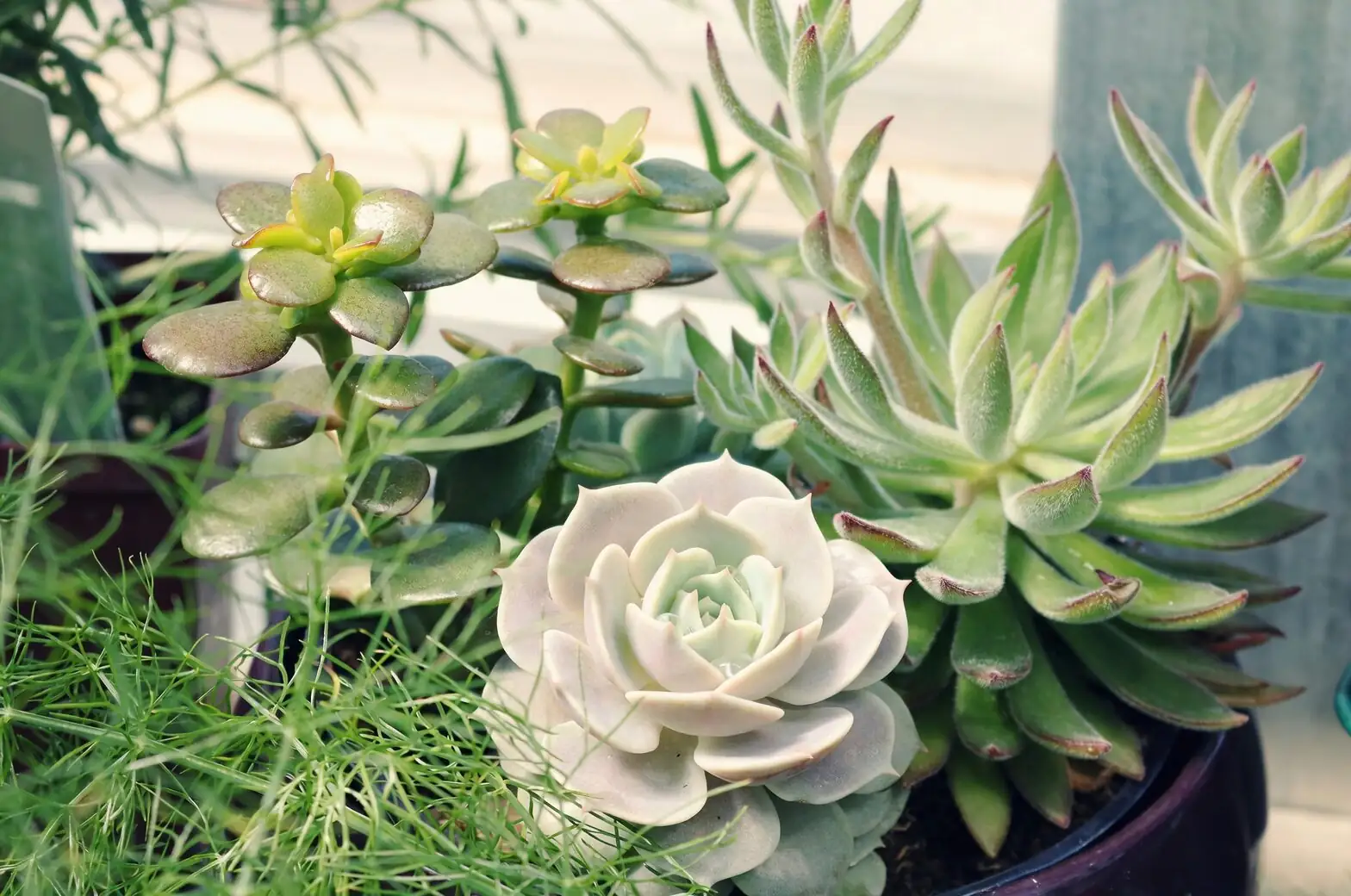
- Dry start: ensure plants are slightly dry before arranging to minimize breakage and rot risk.
- Build your mounds and pockets with tuned gritty mixes; set stones as baffles.
- Stage plants, checking spacing for airflow and future growth.
- Backfill and firm gently; don’t bury rosette necks or stems.
- Top‑dress with your chosen grit, creating mini “moats” where needed.
- Wait 2–3 days before the first watering to let any broken roots callus.
- Water with the soak‑and‑dry method thereafter; fertilize lightly (half‑strength, monthly) only in active growth.
Light, temperature, and seasonal care
- Light: bright is best. Indoors, a sunny window or supplemental grow light keeps growth compact and colors strong.
- Heat: above ~35°C/95°F, shift to morning sun/afternoon shade and boost airflow.
- Cold: many common succulents aren’t frost‑tolerant—protect from freezing.
- Humidity: lower is better; keep air moving to cut rot risk.
- Repotting: size up modestly (about 1–2 inches wider) when roots fill the pot or the mix degrades; keep dry a few days after repotting.
Quick troubleshooting
- Leggy, stretched growth: it wants more light. Brighten gradually, rotate the pot, and consider trimming and re‑rooting.
- Rosettes losing color: often light or temperature; brighter light and cooler nights can bring back reds and purples.
- Mushy leaves or a sour smell: likely rot from soggy mix. Unpot, remove rot, switch to a grittier blend, and reset your soak‑and‑dry routine.
Safety note
Toxicity varies by plant. Many Euphorbia bleed a milky latex that can irritate skin and eyes—wear gloves, don’t rub your face, and keep unknown succulents away from pets and children.
Why these arrangements resonate
Succulents endure by storing water in plump leaves, stems, or roots and often use CAM photosynthesis—opening stomata at night to save moisture by day. That survival story is why they’re widely seen as symbols of resilience and protection. In feng‑shui‑style traditions, they’re sometimes associated with good fortune; treat these as cultural interpretations rather than horticultural guarantees. What you can count on: with smart grouping, gritty micro‑zones, and pest‑blocking spacing, your container becomes a tiny, thriving landscape that ages gracefully—season after season.