

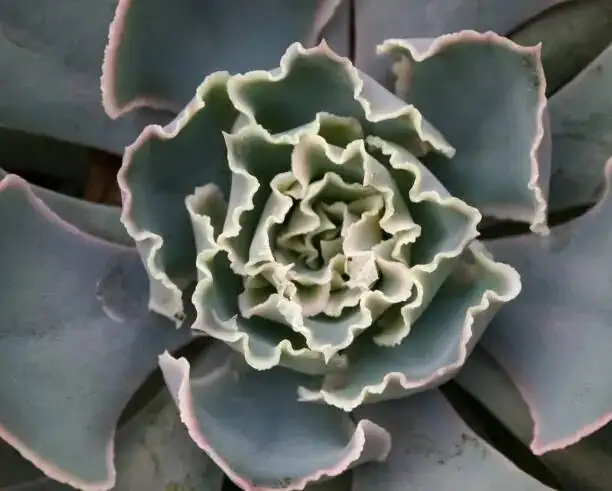
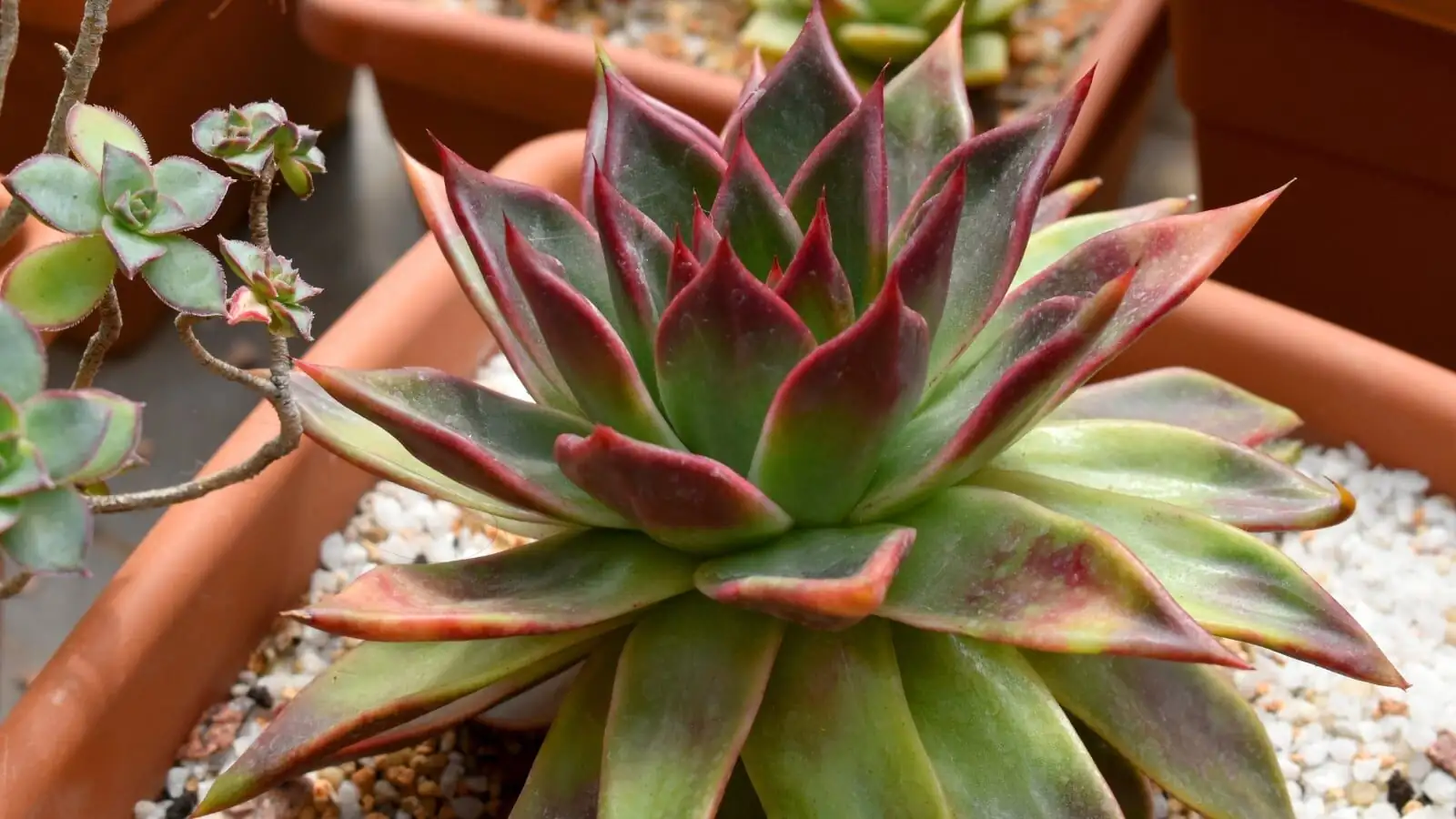
If you love the clean geometry of a succulent rosette and the drama of fireworks, “Meililian” Echeveria is your dish-garden diva. This compact beauty holds a tight, symmetrical crown of gray to deep charcoal leaves, then launches long, branched stalks carrying vivid pink-to-red, starry blooms. In a shallow bowl with the right companions, drainage, and light, it reads like living sculpture—elegant, drought-tough, and low-fuss.
Here’s how to design stunning thriller–filler–spiller compositions around Meililian, and how gritty mixes (think pumice and coarse sand) keep rosettes tight and roots genuinely happy.
Meet “Meililian” up close
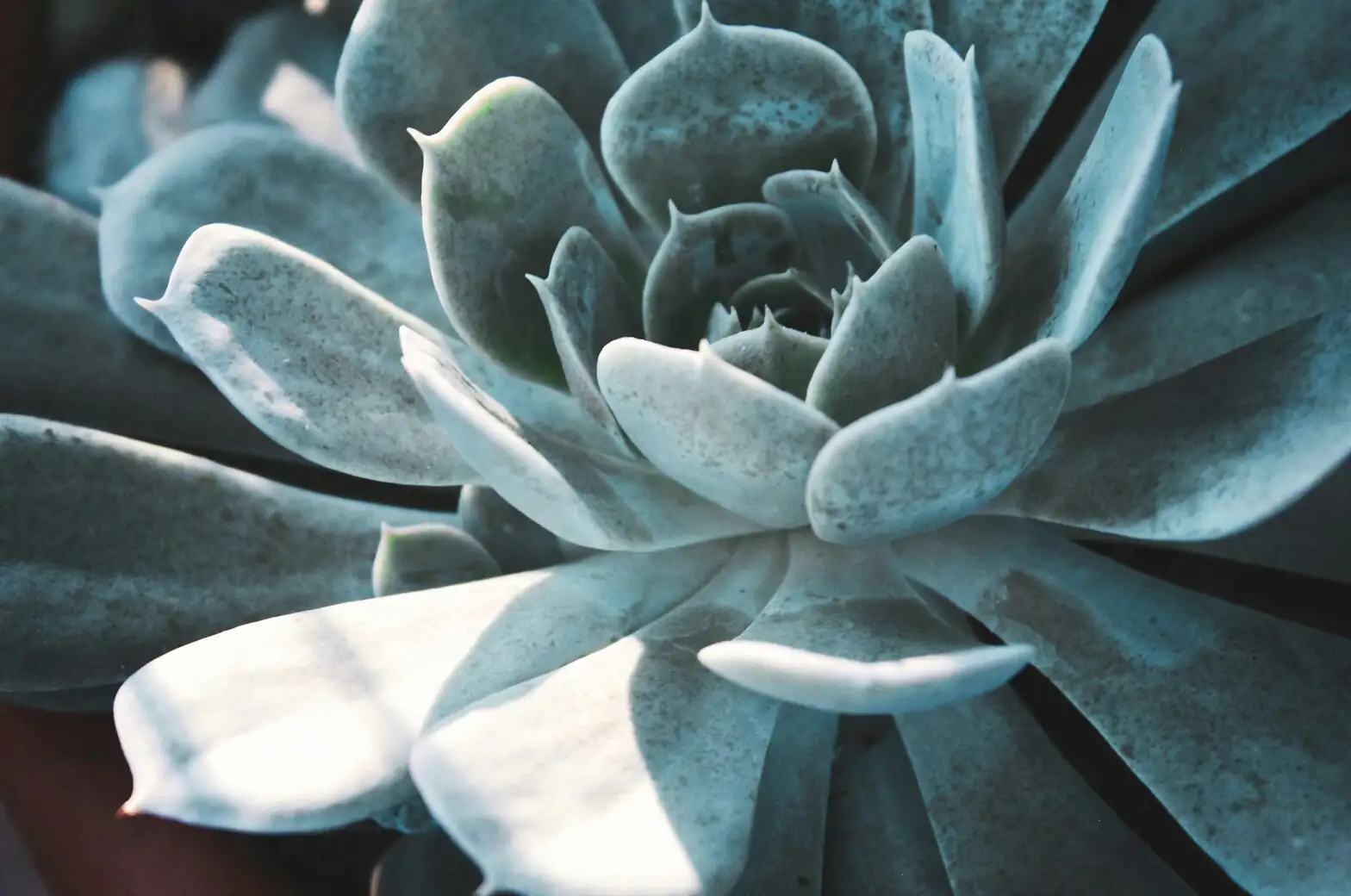
- Family/genus: Crassulaceae, Echeveria
- Habit: Compact, slow-growing rosette; approx. 15 × 10 cm (6 × 4 in). Flower stalks rise several times taller—like floaty fireworks.
- Foliage: Thick, gray to dark gray leaves, often edged paler. Color deepens in strong light.
- Flowers: Bright pink–red, star-shaped blooms in spring to early summer (best with strong light).
- Personality: Drought-tolerant, forgiving of missed waterings, but sensitive to overwatering and dense soil.
- Best placement: A sunny windowsill (south- or west-facing) or a bright outdoor nook in mild climates (frost-tender; year-round outdoors only in USDA 10–11).
The design lens: thriller, filler, spiller
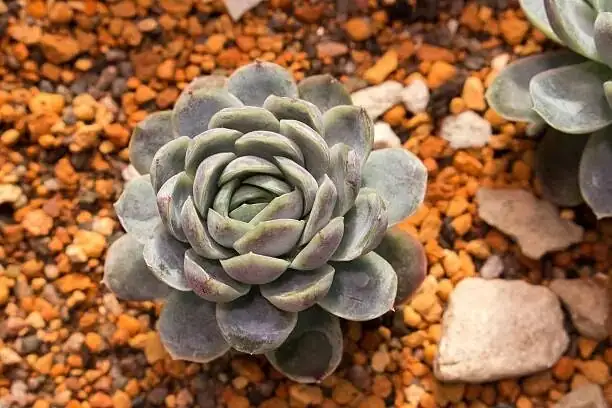
Think of a dish garden like a tiny stage:
- The thriller is your focal star—height, color pop, or strong form.
- The filler builds body and texture around the star.
- The spiller softens edges and cascades over the rim.
“Meililian” can be your thriller on its own—especially in bloom—but you can also use it as the serene center while a slender accent (like a small columnar succulent) adds vertical drama.
Thriller ideas
- Meililian as the central star: Its symmetrical rosette anchors the design; in flowering season, tall branched stalks become the vertical exclamation point.
- Or pair with a single, slim vertical accent:
- Pachycereus or Cereus (mini forms) for a clean, architectural spike
- Aloe or hybrid Aloes with upright spires (choose compact varieties)
- Aeonium ‘Zwartkop’ (small offsets) for a dark, sculptural contrast
Tip: Keep the thriller slightly off-center for a dynamic composition.
Filler friends (calm texture that won’t steal the show)
Choose plants with similar light and watering needs:
- Graptopetalum or xGraptoveria (pastel rosettes that echo Echeveria’s form)
- Gasteria or compact Haworthia (thick, patterned leaves; great texture contrast)
- Small Crassula (e.g., C. ovata ‘Hobbit’ minis or C. ‘Springtime’ offsets)
- Low-growing Sedum (tight mounds; pick drought-tolerant, sun-loving types)
Filler rule: Lower or equal height to your thriller; cluster in odd numbers for rhythm.
Spiller choices (edge softeners and graceful trails)
- Sedum morganianum and S. burrito (burro’s tail types; bead-like cascades)
- Curio rowleyanus (string-of-pearls) or C. radicans (string-of-bananas) in bright indoor spots
- Othonna capensis (ruby necklace) for color drape
Spillers dry quickly in shallow bowls—great for overwatering-prone gardeners. Let them hang just past the rim for a finished look.
The gritty foundation: mix ratios that keep rosettes tight
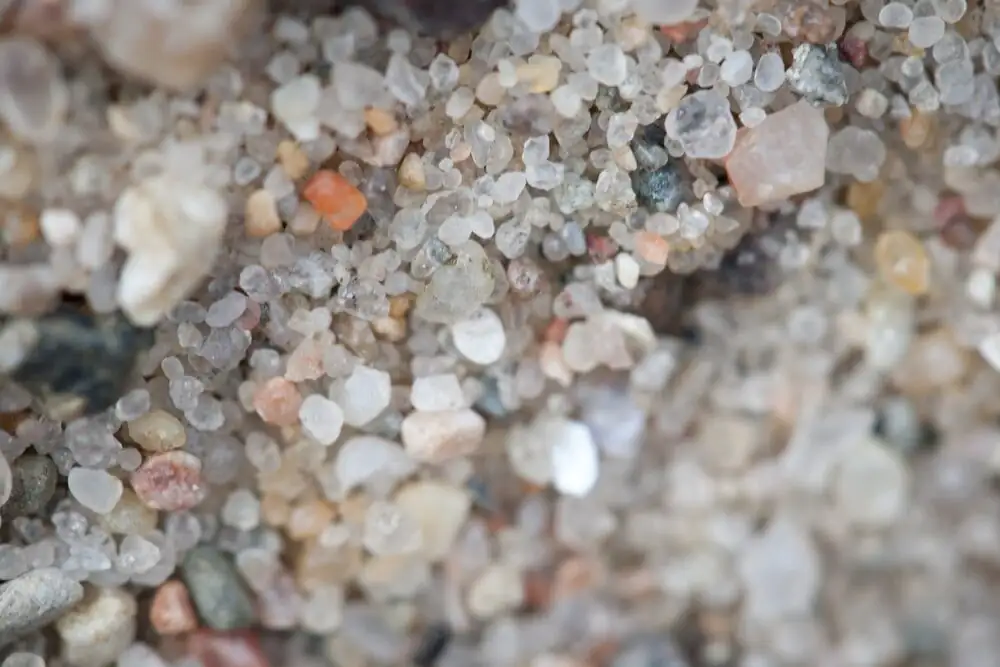
Echeverias hate wet feet. In dishes (which are shallow and dry from the top faster than the bottom), a fast, airy mix prevents rot and keeps leaves tight and compact.
Target texture
- Mineral-dominant: Aim for roughly two-thirds mineral to one-third organic matter.
- Particle size: 2–6 mm (about 1/12–1/4 in) for most of the mix; avoid fine dust.
- Ingredients that breathe:
- Pumice (top choice; porous, doesn’t float)
- Crushed granite or poultry grit (insoluble backbone)
- Coarse horticultural sand (not play sand)
- Perlite (works, but floats; mix with heavier minerals)
- Sifted pine bark fines or coconut coir (as the modest organic fraction)
Three reliable recipes (choose by conditions)
- Indoor standard (slow-drying homes, bright windows):
- 2 parts pumice
- 1 part coarse sand or crushed granite
- 1 part sifted pine bark fines or coco coir
- Ultra-gritty (shallow dishes, low airflow, or heavy-handed waterers):
- 2 parts pumice
- 1 part crushed granite
- 0.5 part coarse sand
- 0.5 part sifted bark fines/coir
- Quick upgrade to store-bought succulent soil:
- 2 parts commercial succulent/cactus mix
- 1 part pumice
- 1 part coarse sand
- Optional: sift out fine peat dust first
Why grit = tight rosettes: Roots get oxygen, water runs through fast, and the plant doesn’t swell or stretch between waterings. Combine with strong light and you’ll see denser leaf spacing and deeper color.
Containers, depth, and drainage
- Shape: Low, wide bowls show off rosettes and trails. A 20–30 cm (8–12 in) dish comfortably hosts 3–7 small plants.
- Material: Unglazed terracotta breathes and dries fast; glazed ceramic is fine if the mix is extra gritty.
- Drainage: Always have a hole. Cover with mesh or a shard—no “drainage layer” of pebbles.
- Size for Meililian: A small pot around 10–12.5 cm (4–5 in) suits its root ball; up-pot only every 2–3 years or when root-bound.
- Top-dress: A thin layer of 3–6 mm gravel or pumice finishes the look, reduces fungus gnats, and keeps leaves clean.
Planting, step by step
- Dry fit the layout first (thriller off-center, fillers clustered, spillers near the rim).
- Fill the dish with your gritty mix, mounding slightly so water sheds from the rosette.
- Tease out circling roots gently; plant crowns a hair above the final soil line.
- Tuck mix firmly around roots, but don’t bury lower leaves.
- Top-dress with gravel; keep rosette centers clear.
- Hold off on watering 2–3 days to let any root nicks callus.
Light, water, and that “just-right” rhythm
- Light: Full sun to bright partial sun; acclimate gradually to avoid scorch. Indoors, a south- or west-facing window is ideal.
- Color and blooms: Strong light deepens gray tones and triggers spring-to-early-summer flower stalks.
- Watering: Soak thoroughly, then let the mix dry completely. In spring–autumn, wait for full dry-down before the next drink. In winter, water sparingly—just enough to prevent severe shriveling.
- Technique: Water the soil, not the rosette. If splashed, tilt and tap to drain; lingering water in the crown invites rot.
- Airflow and humidity: Low humidity and good air movement keep leaves tight and disease low.
Seasonal care calendar for a dish garden
- Spring–autumn
- Bright light; soak-and-dry watering
- Light feed 2–3 times at half-strength (balanced or low-nitrogen succulent fertilizer)
- Deadhead flower stalks after the show to tidy and save energy
- Winter
- Cooler, bright conditions; keep much drier
- No fertilizer; resume regular watering when new growth restarts
Three foolproof design recipes
1) Modern monochrome (moody grays and sculptural lines)
- Thriller: Meililian (center-left)
- Fillers: 2× Graptoveria ‘Fred Ives’ pups (muted mauve) + 1× Gasteria offset (dark, textured)
- Spiller: Sedum morganianum (soft cascade)
- Mix: Ultra-gritty (roughly 70% mineral)
- Top-dress: Black lava rock for drama
2) Pastel meadow (soft, sun-kissed palette)
- Thriller: Meililian (center)
- Fillers: 3× Graptopetalum paraguayense (ghost plant rosettes)
- Spiller: Othonna capensis ‘Ruby Necklace’ (burgundy drape)
- Mix: Indoor standard (about two-thirds mineral)
- Top-dress: Cream pea gravel with a “dry creek” stripe of pumice
3) Fireworks focus (let the bloom steal the spotlight)
- Thriller: Meililian (slightly raised on a subtle soil mound)
- Fillers: 2× compact Crassula (e.g., ‘Hobbit’ minis) spaced low
- Spiller: Curio radicans (gentle green cascade)
- Mix: Ultra-gritty for a shallow, wide bowl
- Top-dress: Pale granite chips to mirror the pink–red flowers
Keeping the look crisp: five quick pro tips
- Use a gentle color echo: repeat leaf tones in your top-dressing.
- Leave breathing room: a little negative space prevents a crowded look and improves airflow.
- Elevate the star: a slight soil mound under Meililian helps shed water from the crown.
- Sun-step: increase light a bit each week to avoid scorch.
- Go easy on nitrogen: keeps rosettes tight, not puffy.
Troubleshooting
- Bottom leaves shriveling a bit? Normal aging. Remove only when dry and papery.
- Many leaves soft or dropping? Usually overwatering or dense soil. Let it dry fully, increase airflow, and repot into a grittier mix if needed.
- Stretched rosette (wide gaps between leaves)? Needs more light and/or leaner watering; move brighter and reduce frequency.
- Mealybugs or scale? Dab with cotton swabs dipped in alcohol or use an appropriate insecticidal soap; repeat weekly until gone. Prevent with light, airflow, and clean tools.
- Cold snaps? Frost-tender—move indoors before freezing.
Propagation and refresh
- Leaf cuttings: Gently twist off a full leaf, let callus, place on dry, gritty mix; mist sparingly until roots form, then water lightly.
- Offsets: If produced, sever, callus, and replant in a fast-draining mix.
- Repotting: Every 2–3 years or when root-bound; keep pots small to maintain tight form.
Safety and serenity
- Toxicity: Generally considered non-toxic; sap may mildly irritate sensitive skin. Keep curious pets and children from chewing any succulent leaves.
Meaning and backstory
Echeverias embody quiet resilience and balance—calm rosettes that suddenly send up celebratory spires of color. The genus honors Atanasio Echeverría y Godoy, a Mexican botanical illustrator whose work helped document the flora of Mexico and Central America. If you enjoy the “language of flowers,” think of Meililian’s bloom as a nod to poised patience rewarded: simple at first glance, surprisingly dramatic in its season.
Fast FAQ
- How do I get deeper color and more flowers?
- Increase light gradually to bright conditions, water on a soak-and-dry cycle, and avoid heavy feeding. Strong light is the main driver.
- Can regular potting soil work?
- Only if you heavily amend it with grit such as pumice and coarse sand to create a very well-draining mix.
With a sunlit perch, a mineral-rich mix, and thoughtful companions, “Meililian” brings both calm geometry and seasonal fireworks to your dish garden—proof that restraint and grit make the best kind of drama.