If your houseplants are looking a little under the weather despite your best watering efforts, the culprit might just be right under your nose—compacted potting soil. Compacted soil can turn into a brick-like barrier that keeps water and nutrients away from your plants’ roots. Luckily, improving soil aeration is easier than you might think. Let’s dive into some practical and easy ways to give your potted plants the breath of fresh air they need!
Why Does Soil Compaction Happen?
Before we jump into solutions, it’s helpful to understand why soil compacts in the first place. Over time, as you water your plants, the potting mix absorbs water, expands, and then contracts as it dries. This cycle can cause the soil particles to settle closer together, reducing the air pockets essential for root health. Without these pockets, your plant roots struggle to get enough oxygen.
Signs Your Plant Needs Aeration
You might notice a couple of tell-tale signs that your plant is struggling with compacted soil:
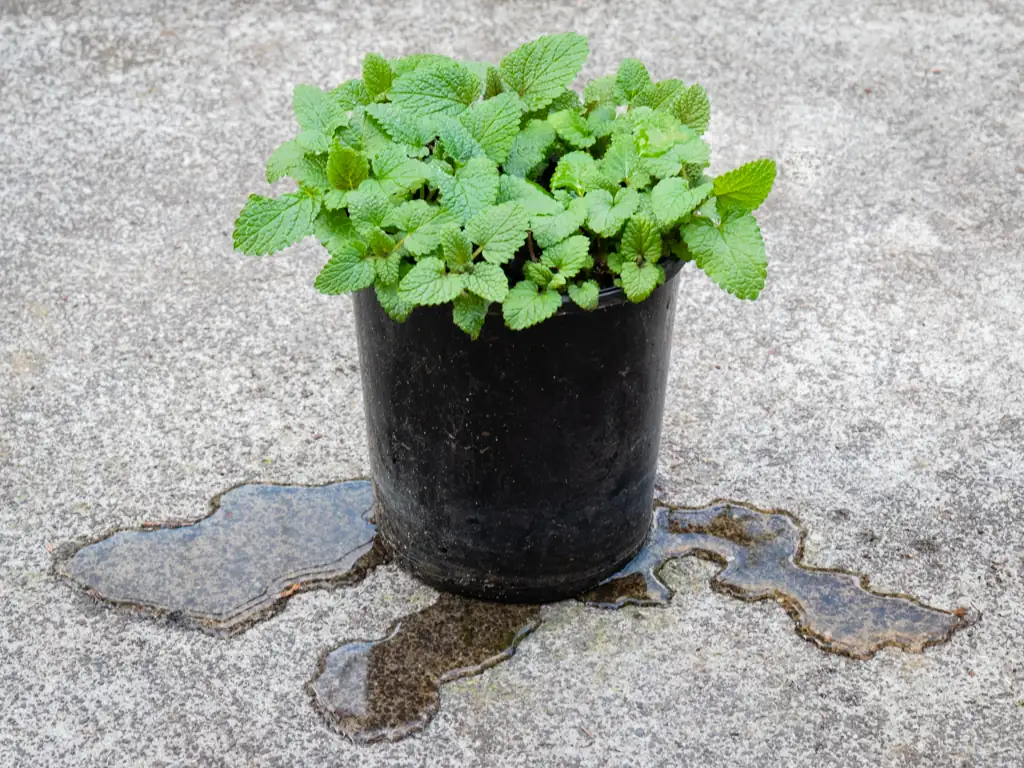
- Water Pools: When you water, does the water sit on top or run straight through without soaking in? This is a classic sign of compaction.
- Soil Pulling Away: If the soil starts pulling away from the edges of the pot, it’s a compacting red flag.
- Wilting Plants: Plants might show signs of under-watering even when you’re watering regularly. This can happen because the water can’t penetrate the compacted soil to reach the roots.
How to Aerate Your Potting Soil
1. Poke and Prod
A simple way to start aerating your soil is by using a long, slender tool like a chopstick or a knitting needle. Gently poke holes into the soil around the plant, making sure not to damage the roots. This creates paths for water and air to reach the deeper layers of soil.
2. Turn the Soil
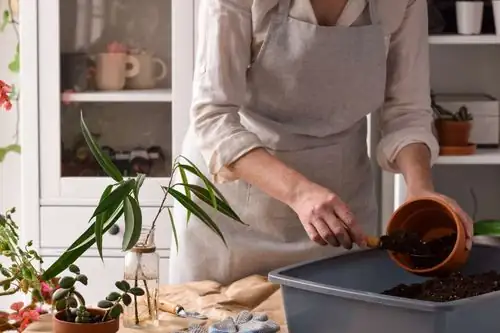
Using a hand trowel, carefully turn the top layer of soil. This method is great for breaking up the hardest compacted layers and improves aeration. Just be gentle to avoid disturbing the roots too much.
3. Add Organic Matter
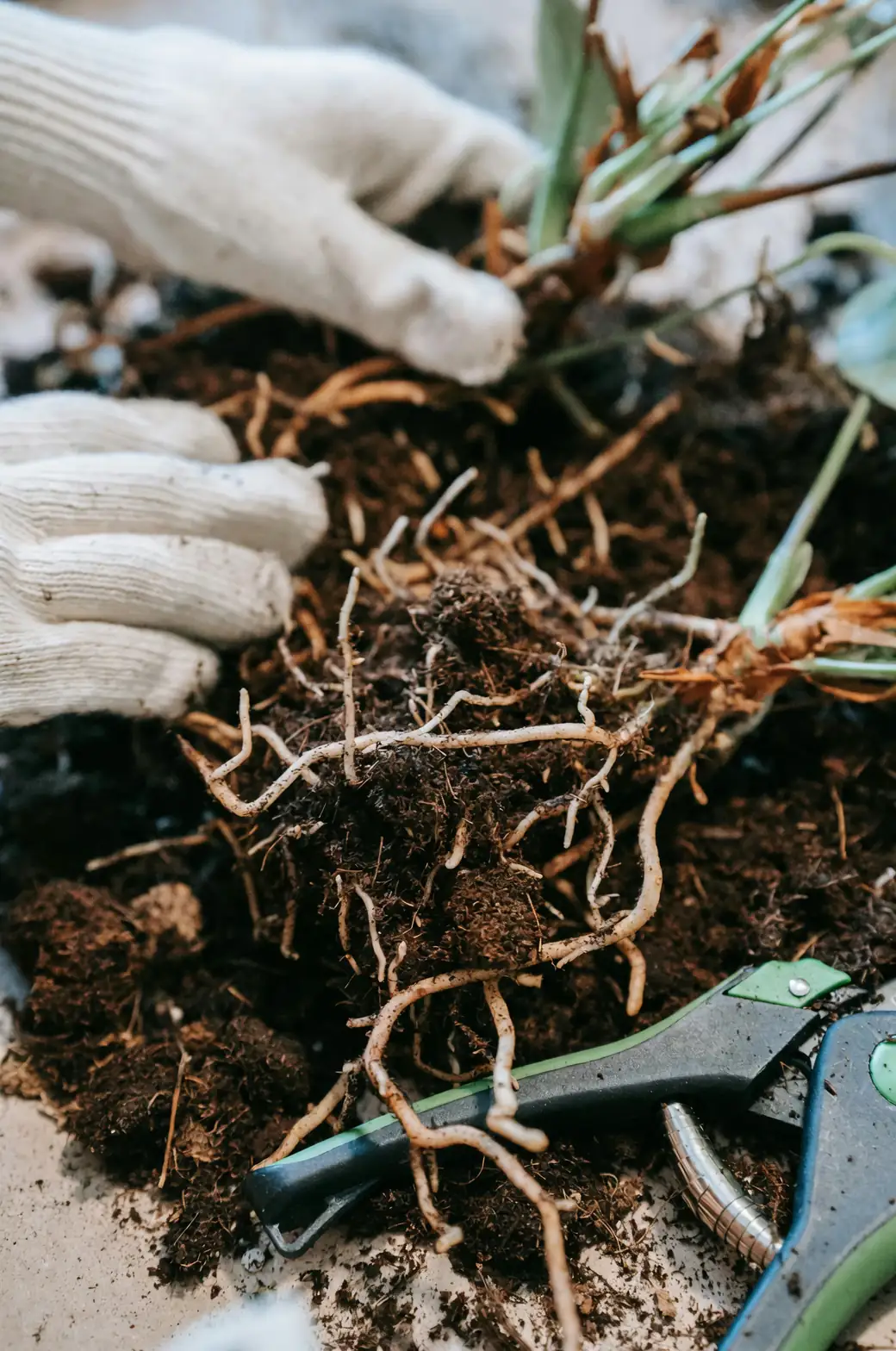
Mixing in organic matter like compost or coconut coir can help prevent soil from compacting. These materials improve soil structure by increasing its ability to hold air and water.
4. Choose the Right Potting Mix
Prevention is always better than cure. Opt for a high-quality, well-draining potting mix designed for container plants. Avoid using heavy garden soil as it compacts easily.
5. Mind Your Watering
Overwatering is a common mistake that can lead to compaction. Water only when the top inch of soil feels dry, and use a watering can to control the flow and avoid excess.
Conclusion
Aerating your plant soil doesn’t have to be a daunting task. With a few simple steps, you can ensure your houseplants have the airy, nutrient-rich soil they need to thrive. Keep an eye out for signs of compaction, and remember: a little poke here and a soil turn there can make all the difference in your plant’s health. Happy gardening!