

Repotting plants can feel like giving your leafy companions a fresh start, but sometimes it can lead to unexpected root problems. If your plant seems to be struggling after you’ve given it a new home, it might be facing root issues. Let’s dive into how you can identify, treat, and prevent root problems after repotting your beloved plants.
Spotting Trouble: Signs of Root Problems
After repotting, your plant might show signs of distress. Here’s what to look for:
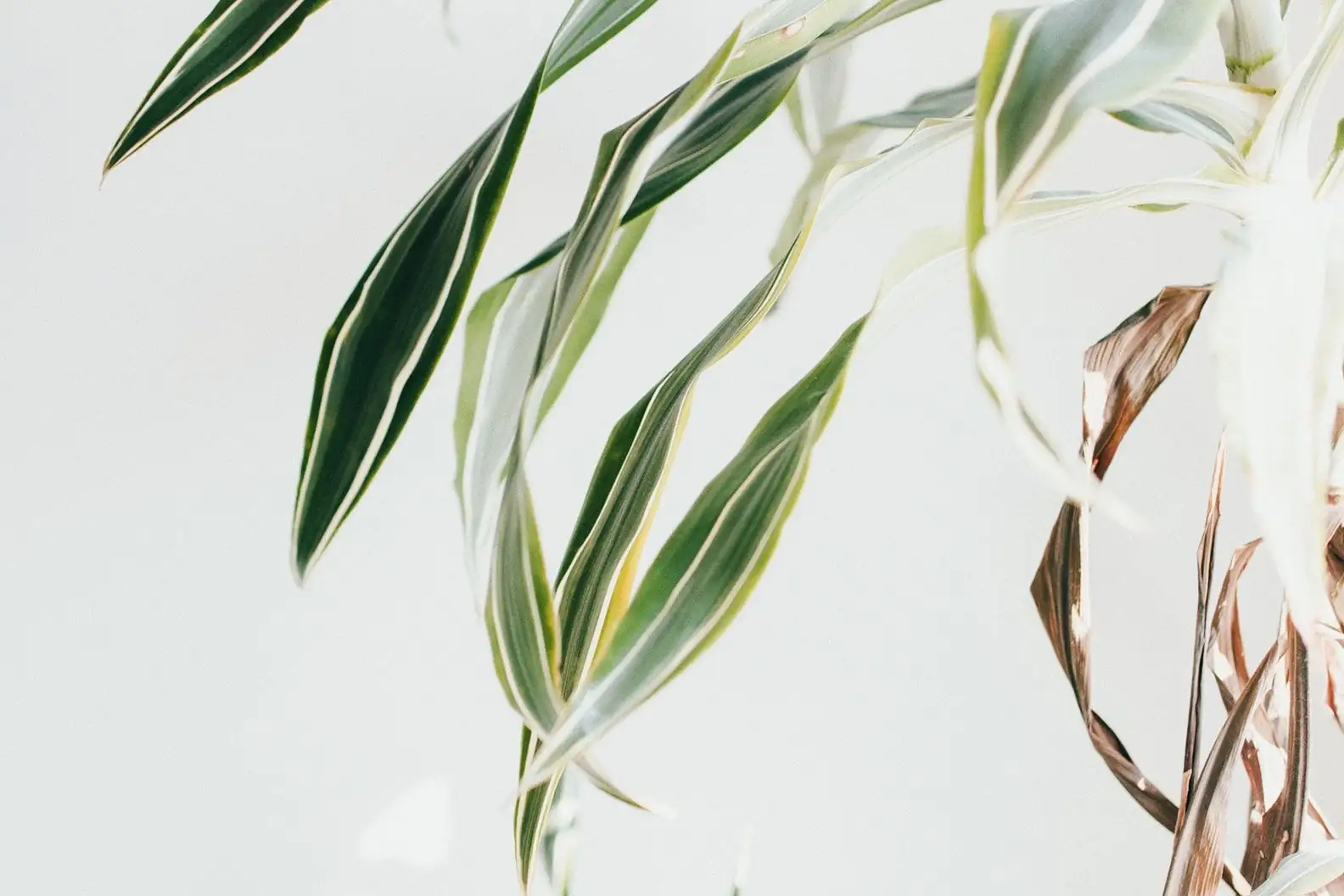
- Wilted or Yellow Leaves: If the leaves are drooping or turning yellow despite regular care, it’s a red flag.
- Foul Odor: A musty smell coming from the soil can indicate root rot.
- Stunted Growth: If your plant seems to have paused its growth spurt, it might be struggling underground.
These symptoms often indicate root rot, a common issue caused by overwatering or poor drainage.
Diagnosing the Issue: Is it Root Rot?
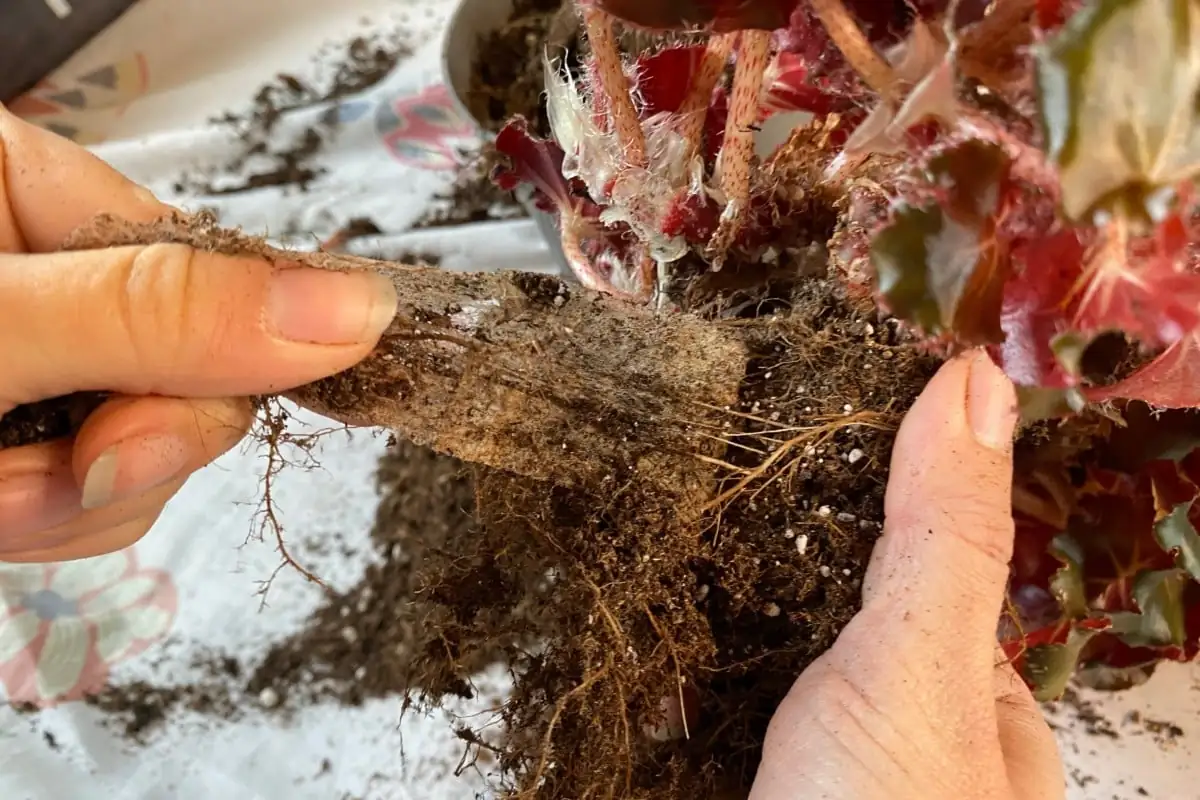
To confirm root rot, gently remove your plant from its pot and inspect the roots. Healthy roots are usually firm and white or light-colored. If they’re mushy, dark, or smelly, root rot is likely the culprit. It’s crucial to act quickly, as root rot can rapidly spread and weaken your plant.
Quick Fixes: Treating Root Rot
- Unpot and Clean: Carefully take your plant out of its pot. Shake off excess soil and rinse the roots gently with water.
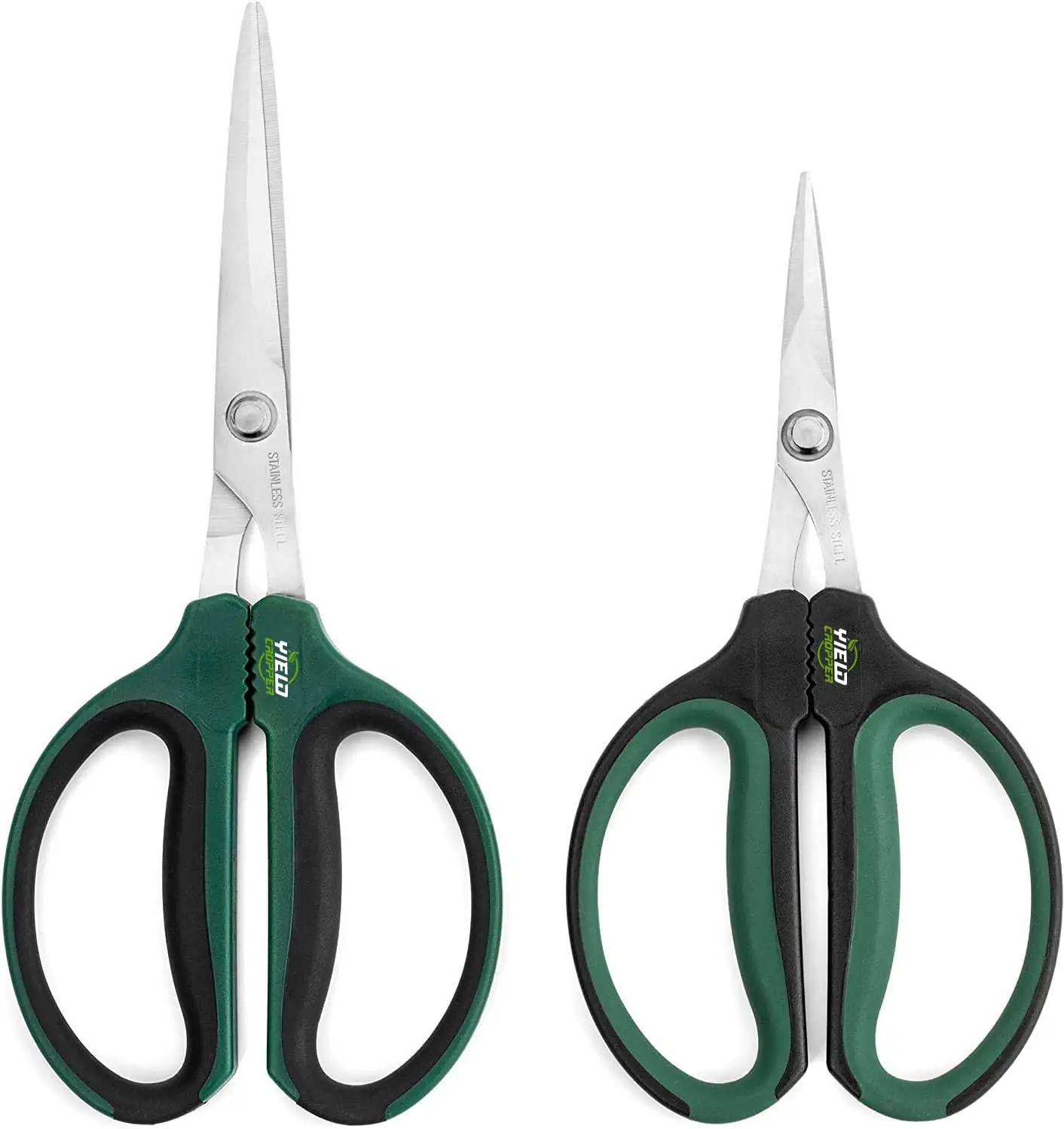
- Prune Damaged Roots: Use sterilized scissors to trim away any mushy or blackened roots. Aim to leave only the healthy, firm roots.
- Disinfect the Pot: Before replanting, clean your pot thoroughly to remove any lingering pathogens. A quick soak in a diluted bleach solution can do the trick.
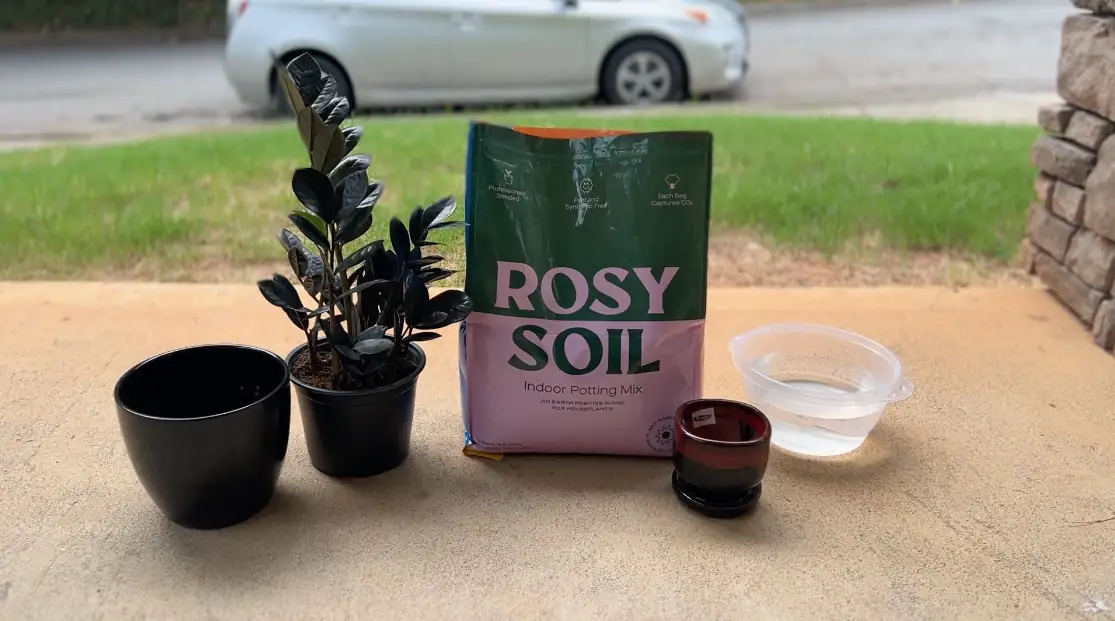
- Repot with Care: Use fresh, well-draining potting mix and ensure your pot has drainage holes. This will help prevent water from accumulating around the roots.
- Monitor and Adjust: After repotting, keep an eye on your plant. Water it sparingly at first, allowing the soil to dry slightly between waterings.
Prevention: Keeping Root Problems at Bay
- Right Pot, Right Soil: Choose pots with ample drainage holes and use a potting mix designed for your plant type. Some plants, like succulents, need particularly well-draining soil.
- Mindful Watering: Adjust your watering schedule based on the plant’s needs and the season. Generally, it’s better to underwater slightly than to overwater.
- Consider Light and Air: Ensure your plant receives adequate light and air circulation. This helps keep the soil from staying too damp, which can encourage root rot.
- Avoid Overcrowding: Give your plant enough space to breathe. Overcrowded roots can lead to poor air circulation and increased moisture retention.
Common Mistakes to Avoid
- Overwatering: It’s the leading cause of root rot. Always check the soil moisture before watering.
- Ignoring Pot Size: Repotting into a pot that’s too big can lead to waterlogged soil. Go up only a size or two.
- Neglecting Seasonal Changes: Plants often need less water in winter, so adjust your watering habits accordingly.
Repotting is a chance for your plants to thrive. By being mindful of their needs and watching for signs of trouble, you can keep them healthy and vibrant. Happy gardening!


