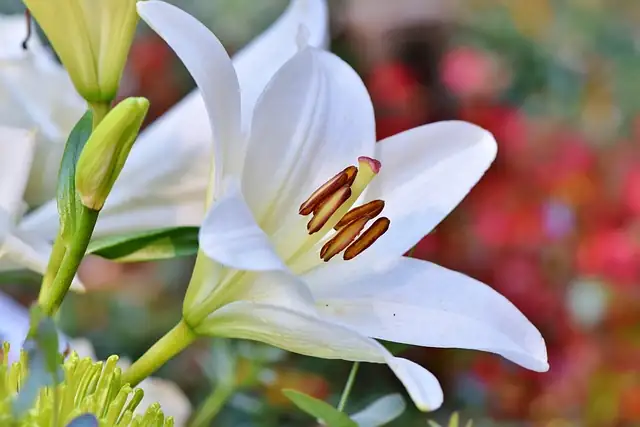
Lilies (Lilium spp.) are the show-stoppers of summer—upright green wands topped with trumpets, bowls, and Turk’s caps in jewel tones, often perfuming the whole border. But nothing wilts that magic faster than chewed leaves, mottled foliage, gray fuzz on petals, or a bulb that turns to mush. This hands-on guide helps you quickly diagnose the top lily troubles—lily leaf beetle, aphids and the virus risks they carry, Botrytis gray mold, and bulb rot—and fix them with smart prevention, organic and conventional tools, and airflow know-how.
Fast diagnosis: what’s chewing, spotting, or melting?
Lily leaf beetle (LLB, Lilioceris lilii)
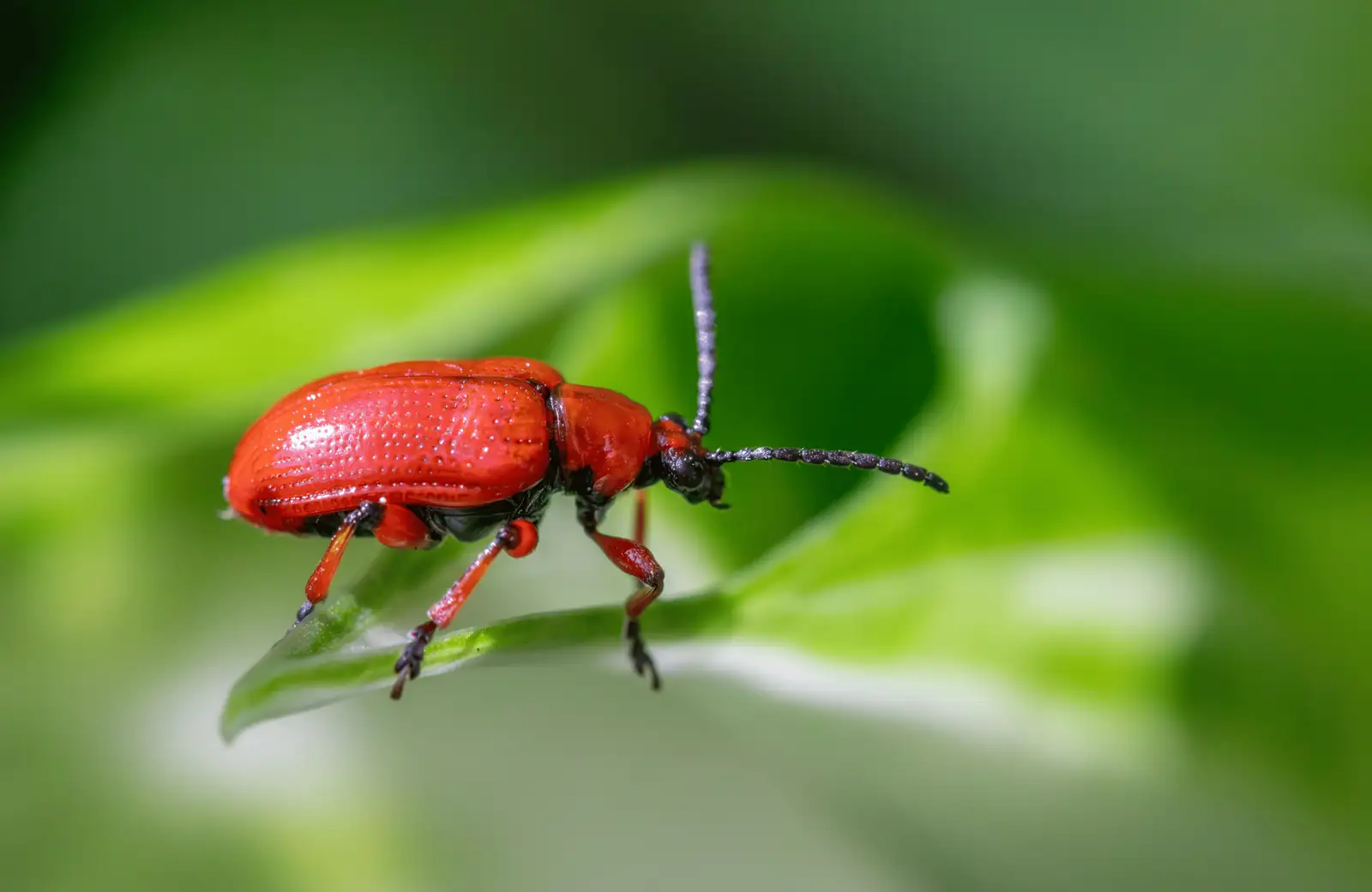
- What you’ll see
- Adults: shiny, scarlet-red beetles with black legs/antennae (easy to spot on green leaves).
- Eggs: tiny orange-red/yellow cylinders laid in rows on leaf undersides.
- Larvae: hump-backed, sluglike grubs that smear themselves with their own feces (a gross but effective disguise).
- Damage: windowpane chewing to complete defoliation of leaves, buds, and flowers.
- Timing: Adults emerge early spring; one generation per year. Larvae cause the most damage.
- Key note: True lilies (Lilium spp.) and fritillaries are attacked. Daylilies (Hemerocallis) are not.
Aphids and virus risks
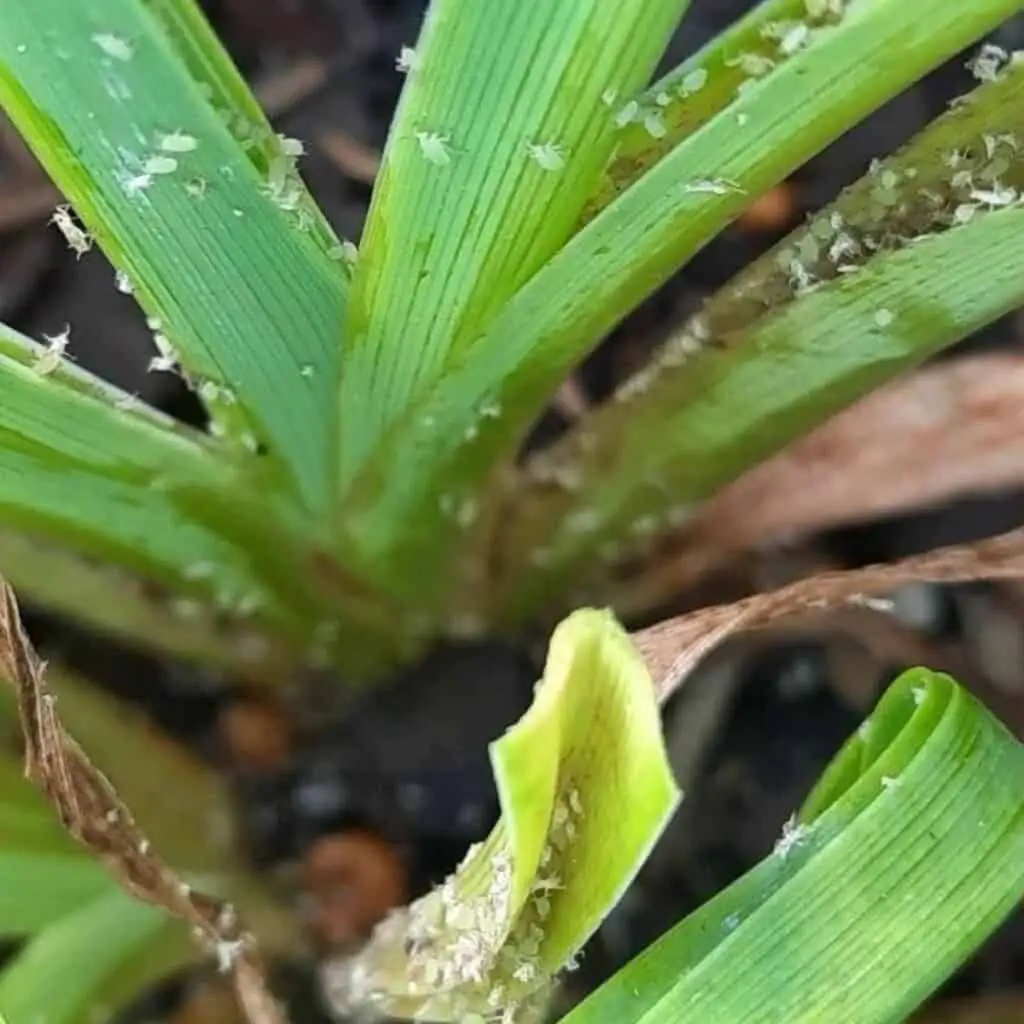
- What you’ll see
- Clusters of soft-bodied insects on buds and stems; sticky honeydew and sooty mold.
- Distorted new growth, curled leaves, reduced vigor.
- Virus red flags (no cure—management is about prevention and removal)
- Mottled “mosaic” light/dark green patterns, streaks, twisted leaves, stunted growth, off-color flowers.
- Symptoms tend to be patchy and vein-crossing (unlike uniform nutrient chlorosis).
Botrytis gray mold (Botrytis blight)
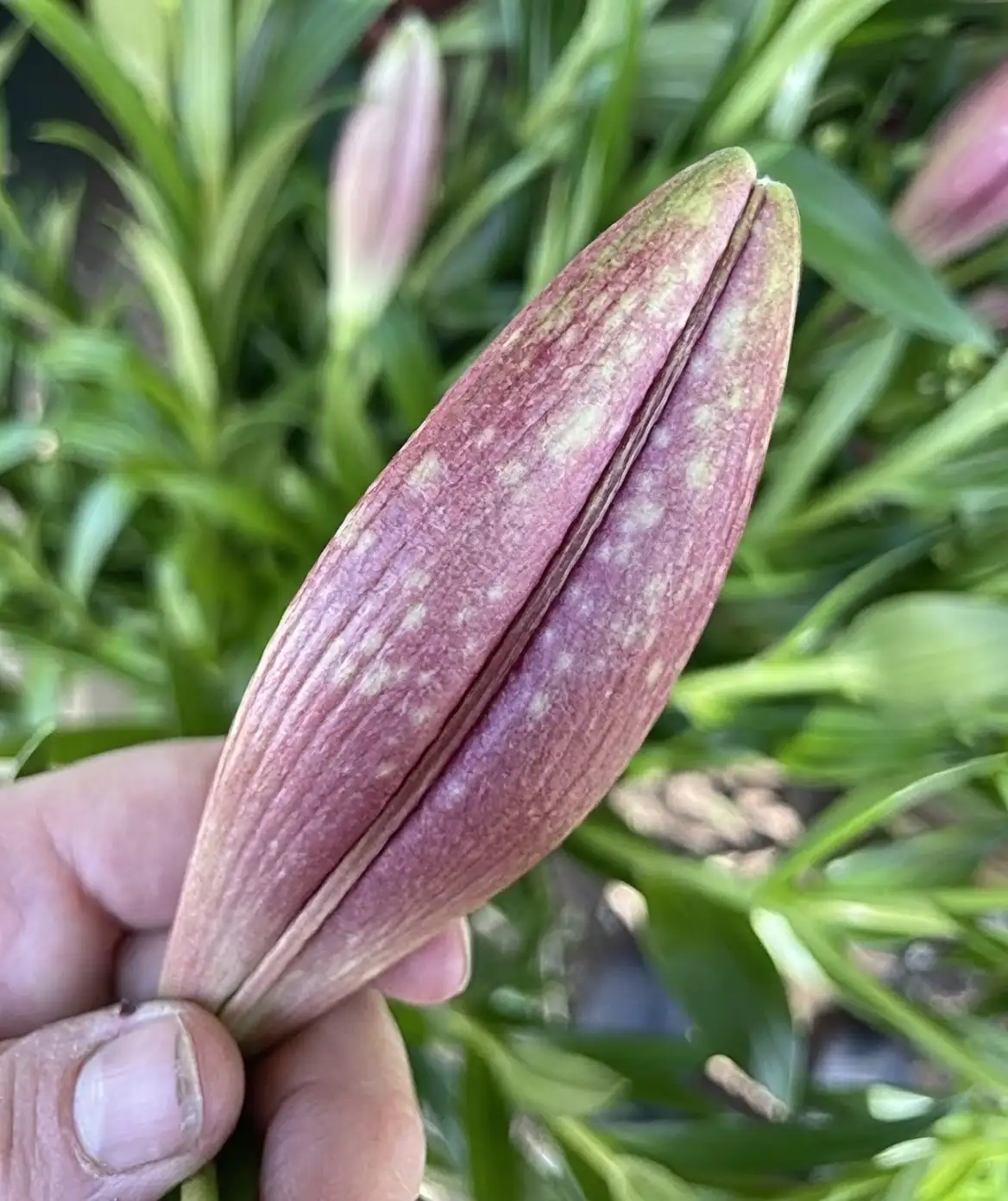
- What you’ll see
- Reddish-brown leaf spots with pale centers and purplish margins that can run together; stems may weaken.
- Buds/flowers turning brown and rotting, often cloaked in fuzzy gray growth.
- When it hits hardest: Cool, humid, crowded conditions—especially with wet foliage.
Bulb rot (fungal and bacterial)
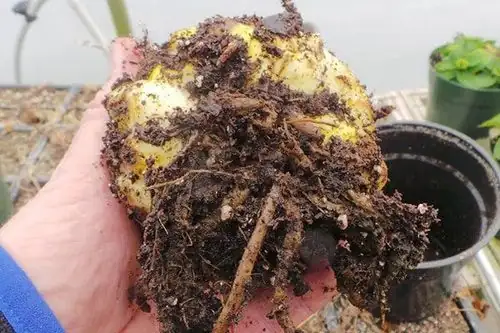
- Above ground
- Shoots fail to emerge, or plants yellow, wilt, and collapse in wet spells.
- Below ground
- Bulb scales dark, soft, or water-soaked; acrid or foul odor (bacterial soft rot). Blue-green mold on dry, punky scales (Penicillium “blue mold”).
- Root cause nearly every time: Soggy, poorly drained soil or pots sitting in water.
Prevention is 80% of the cure: your lily health blueprint
Site, soil, and planting
- Sun: Full sun to partial shade; aim for at least 4–6 hours daily. In hot regions, give afternoon shade.
- Soil: Fertile, loose, and extremely well-drained; slightly acidic to near-neutral (about pH 5.5–6.5).
- Planting depth
- In-ground: Commonly 2–3× the bulb’s height—encourages strong stem root formation.
- Containers: Use a deep pot with sharp drainage; some set pre-sprouted bulbs shallowly—drainage then becomes critical.
- Mix for pots: Compost/leaf mold + peat or coco coir + coarse sand/perlite. Never let containers sit in saucers of water.
Watering and feeding
- Water at the base, deeply but not often—keep soil evenly moist during active growth, never waterlogged.
- Reduce water after flowering; keep bulbs drier during dormancy.
- Feed lightly once early growth is active and again at bud set; shift to higher P/K as buds form.
Airflow and spacing (your anti-Botrytis insurance)
- Spacing: 20–30 cm (8–12 in) apart for compact Asiatics; 30–45 cm (12–18 in) for taller Orientals and big hybrids.
- Layout: Plant in rows or drifts aligned with prevailing breezes; avoid solid walls that block air.
- Thin and stake: Keep neighbors from crowding lilies; stake tall stems so foliage doesn’t mash together.
- Morning sun: Helps dry dew fast. Water early in the day so any incidental splash dries quickly.
- Mulch smart: A light, airy mulch keeps bulbs cool and reduces soil splash without trapping soggy moisture against stems.
Hygiene and sourcing
- Start clean: Buy firm, unblemished bulbs; reject any that are soft, moldy, or nicked.
- Sanitation: Remove and destroy spent, infected leaves/flowers and autumn debris.
- Tools and benches: Disinfest with 10% bleach solution or 70% alcohol, especially after handling suspect plants.
- Quarantine newcomers: Grow new bulbs in a separate bed or pot for a season to watch for viruses.
Organic and low-impact controls
Lily leaf beetle
- Scout weekly from early spring.
- Hand removal: Crush adults, wipe off egg rows on leaf undersides, and remove larvae (even if disguised by “poop coats”).
- Targeted sprays
- Spinosad products are effective on larvae; apply in the cool of day and avoid open bloom to protect pollinators.
- Neem/azadirachtin can suppress feeding and reduce egg-laying; reapply as labeled.
- Habitat help: Encourage predators; in regions where specialized parasitoid wasps have been released, they can reduce LLB populations over time.
Aphids (and virus prevention)
- Physical control: Pinch off heavily infested shoot tips; wipe clusters with a gloved hand or a soft cloth.
- Sprays
- Insecticidal soap or horticultural oil (as labeled) on undersides of leaves and buds; repeat as needed.
- Always spray early in the day for fast drying; avoid coating open flowers.
- Anti-virus steps
- Rogue and destroy any plants showing strong mosaic/stunting.
- Keep colonies down—aphids are primary virus vectors on lilies.
Botrytis gray mold
- Cultural first: Keep flowers and foliage as dry as practical, improve airflow, and remove spotted leaves early.
- Mulch to reduce splash; avoid overhead irrigation.
- Organic fungicides
- Copper and biofungicides based on Bacillus subtilis or B. amyloliquefaciens can help protect clean tissue when applied preventively in cool, wet spells.
- Potassium bicarbonate can suppress early foliar lesions. Always follow labels and avoid spraying open blooms.
Bulb rot
- Prevention is key: Perfect drainage and careful watering.
- Sanitation: Destroy infected bulbs; do not compost. Disinfest tools and trays (10% bleach or 70% alcohol).
- Handling: Avoid wounding bulbs during planting, lifting, and division.
- Pre-plant dip: Where permitted and labeled, a fungicidal bulb dip can help in sites with a history of rot.
Conventional options (when pressure is high)
- Read and follow local labels; observe pollinator and bloom safety.
Lily leaf beetle and aphids
- Systemics before bloom: Soil-applied systemics (e.g., imidacloprid) can suppress LLB larvae and aphids but carry pollinator risk—avoid use on or near open flowers and weigh non-chemical options first.
- Contact insecticides: Pyrethroids can knock down adults/larvae; target early instars and repeat as needed. Do not spray open blooms.
Botrytis gray mold
- When cool, humid weather sets in, protect new growth preventively.
- Examples of fungicides registered in many regions include chlorothalonil, thiophanate-methyl, iprodione, and mancozeb. Rotate modes of action and adhere to reentry intervals and preharvest intervals where applicable.
Bulb rot
- There’s no “rescue” spray once bulbs are mushy.
- In recurrent problem beds, consider labeled pre-plant fungicides and raise/reamend soil for sharper drainage.
Your airflow and spacing checklist
- Give lilies at least 20–45 cm (8–18 in) of elbow room, depending on cultivar size.
- Keep the root zone cool and the leaves sunny—use a light mulch or low, airy companion plants.
- Align plantings with the breeze; avoid deep, windless pockets.
- Stake tall stems; tie loosely so leaves don’t rub and trap moisture.
- Water at the base, early in the day; never let pots sit in water.
Season-by-season IPM game plan
- Spring (shoot emergence)
- Start regular watering once growth is active; feed lightly once roots are working.
- Scout for LLB adults/eggs weekly; hand-remove promptly.
- If Botrytis weather looms (cool, damp), begin preventive fungicide program where needed.
- Early–mid summer (bud set to bloom)
- Feed again at bud formation; keep evenly moist.
- Watch for aphids on buds; use soap/oil if colonies appear.
- Keep flowers dry; provide afternoon shade in hot climates.
- After bloom
- Deadhead promptly; keep foliage until it yellows naturally to recharge bulbs.
- Gradually reduce watering.
- Fall–winter (dormancy)
- Remove and destroy fallen leaves/stems.
- Stop watering after dieback; store potted bulbs cool and on the dry side, protecting from hard freezes.
Pro tips and safety notes
- True lily vs. daylily: LLB attacks true lilies (Lilium) and fritillaries—not daylilies (Hemerocallis).
- Cut-flower smarts: Harvest when the first bud is fully colored but closed. Remove anthers to prevent pollen stains, and keep arrangements away from ripening fruit—ethylene gas shortens vase life.
- Cats and lilies: True lilies are extremely toxic to cats—even pollen and vase water. Keep completely out of feline reach and seek urgent vet care if exposure is suspected.
- Don’t strip green leaves “for cleanliness”: Leaves are your bulb’s solar panels; remove only infected tissue and spent blooms.
Why we fuss over lilies: meaning beyond the petals
Across cultures, lilies carry a long lineage of symbolism—purity, renewal, devotion, and new beginnings. White “Madonna” lilies intertwined with Christian iconography emphasized innocence; in East Asia, layered bulbs inspired wishes for harmonious unions and long-lasting happiness. Modern “flower language” charts often assign tidy meanings to every color—white for purity and rebirth, pink for admiration, red for passion, orange for confidence, yellow for gratitude. These associations evolved from centuries of art, ceremony, and gifting customs rather than botany itself, but they endure because lilies so effortlessly embody celebration and hope.
—
With sharp drainage, bright but airy conditions, and quick hands-on scouting, you can keep beetles, aphids, gray mold, and rot from stealing the spotlight. Give your lilies sun on their shoulders, cool feet, and room to breathe—and they’ll repay you with towering color and fragrance, season after season.