

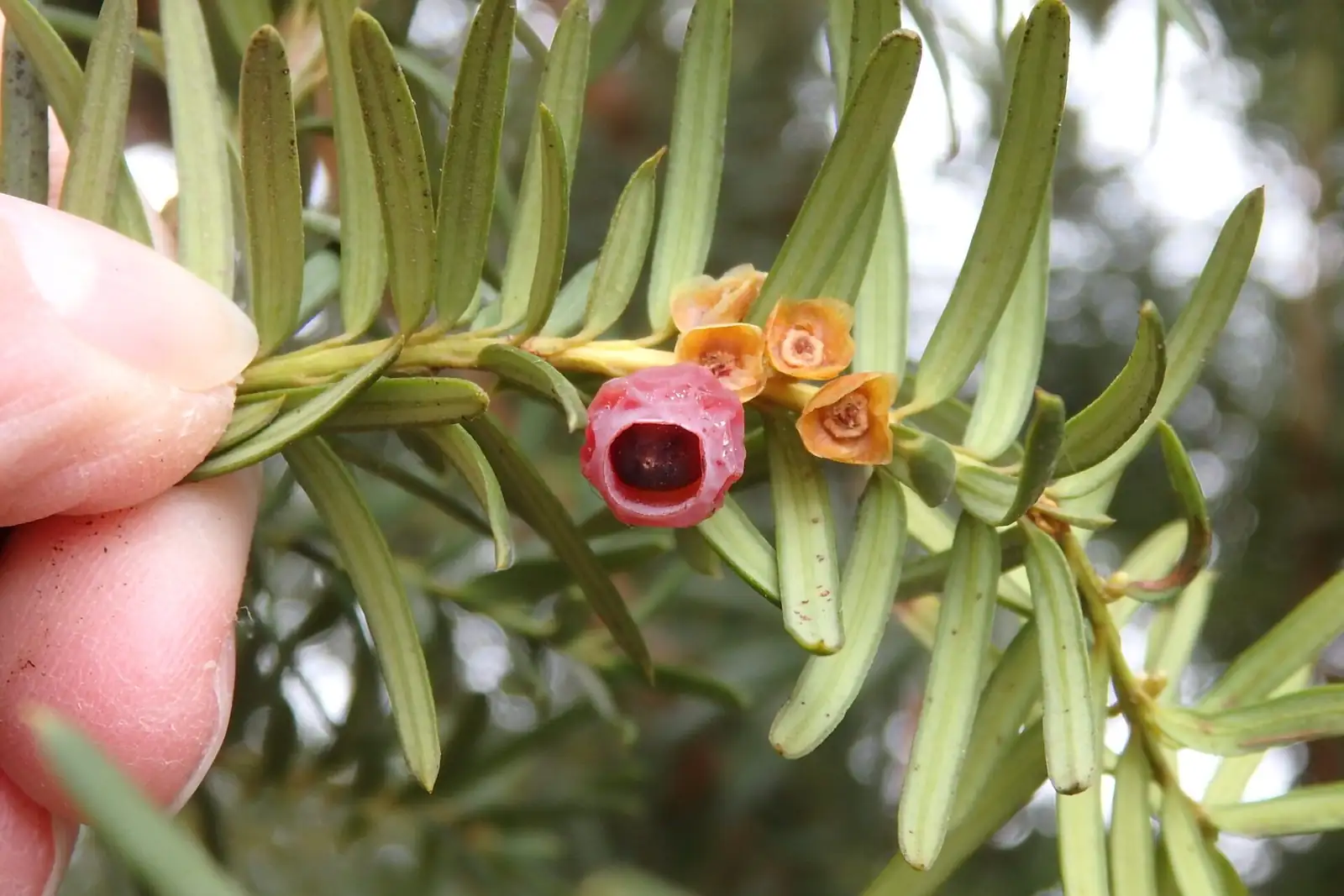
Ever met a plant that wears winter like a red scarf and makes you wait a year (or two!) for seedlings to show up? Say hello to Taxus chinensis, the Chinese yew—an evergreen conifer with deep-green needles, jewel-bright arils, and a knack for teaching patience. It prefers cool, filtered light and evenly moist, acidic soil. Grown in gardens, it becomes a dignified tree; sold in pots, it’s usually a tidy young plant built for bright shade and calm, steady care.
Meet Chinese Yew at a Glance
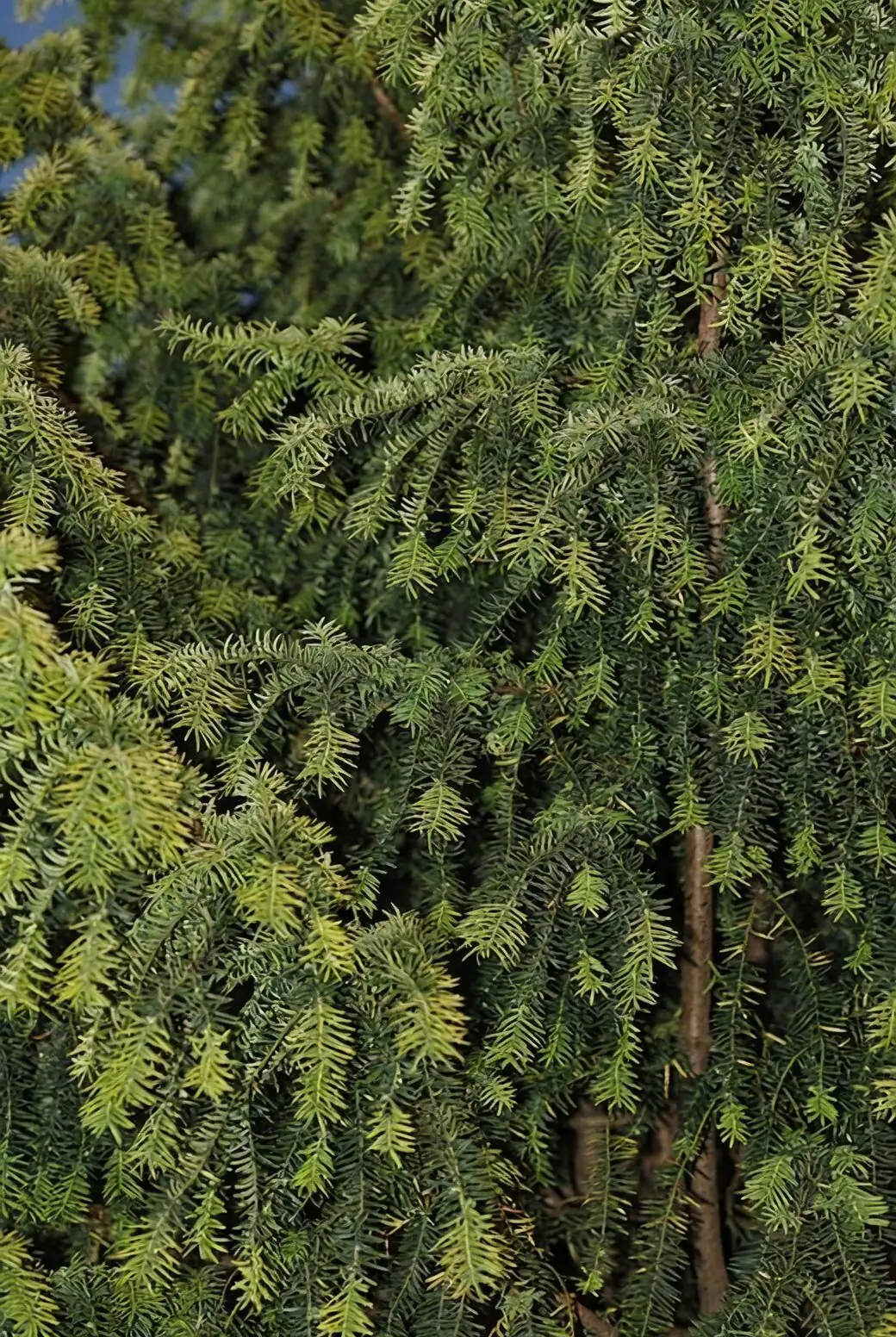
- Identity: Taxus chinensis (Chinese yew), family Taxaceae; native to China
- Look: Dense, deep-green needles; small, inconspicuous spring flowers; bright red arils in autumn that often linger into winter
- Habit: Evergreen, upright, architectural branching; loves cool, moist, partially shaded settings; dislikes scorching sun or soggy feet
- Size: Ultimately a substantial tree outdoors (commonly 10–20 m); in trade, potted plants are typically 3–4 years old
The Fast-Paced Listicle About This (Delightfully) Slow Plant
1) The seed that takes a sabbatical: 1–2 years to wake up
- Why so slow? Yew seeds are masters of deep dormancy. They typically need a prolonged cold stratification—commonly about 1–2 years—before they’re ready to sprout.
- What to do:
- Clean and store: Remove the red aril, clean the seed, and mix into a barely moist, airy medium (think peat with coarse sand).
- Stratify cold and long: Park them in a cool spot for an extended chill. Calendar reminders help—this is a marathon, not a sprint.
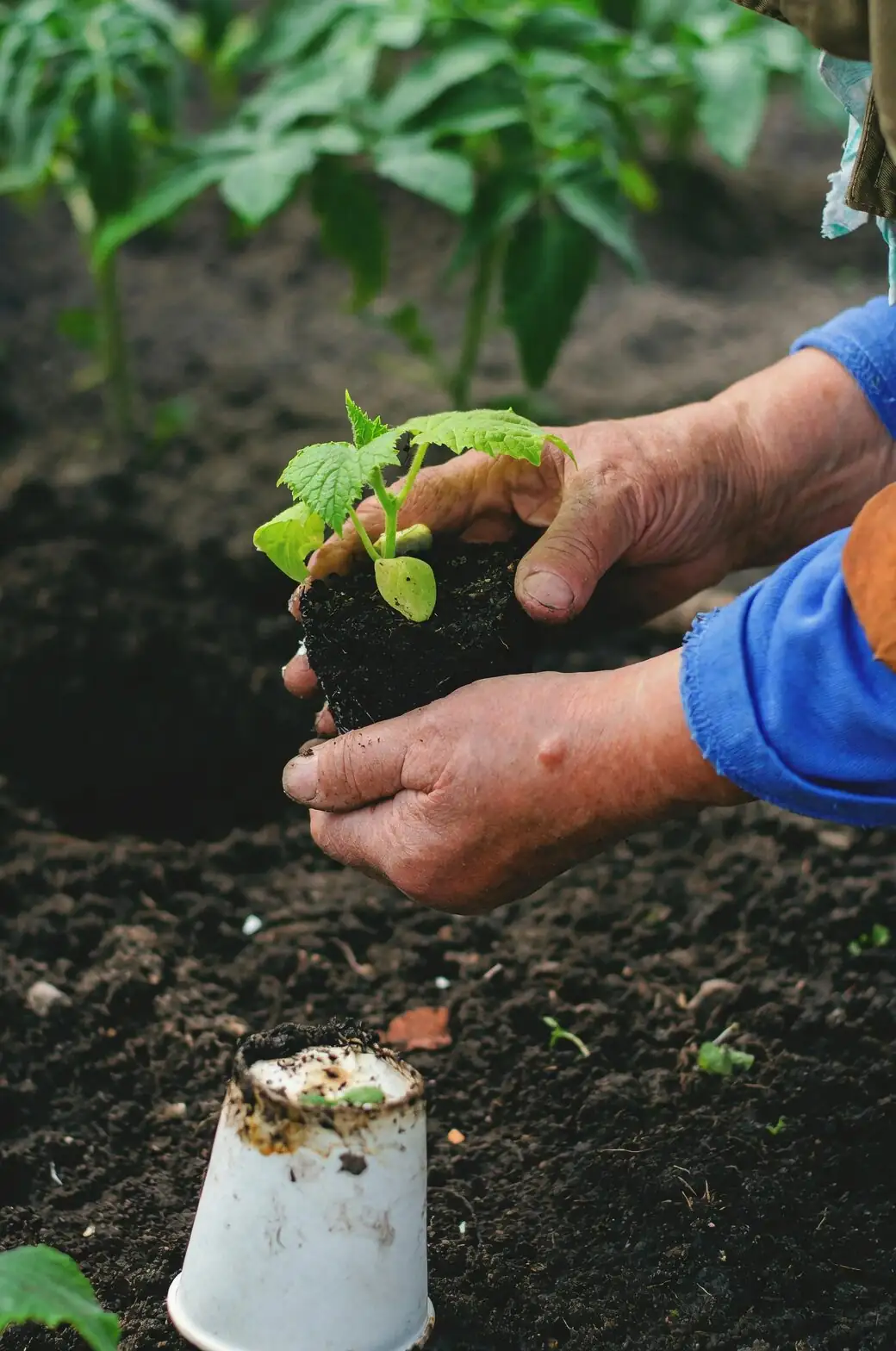
- Spring sowing: After the long cold period, sow in spring in a humus-rich, acidic, well-drained mix. Keep evenly moist (never waterlogged).
- Don’t toss the “empty” pot: Yew seedlings can appear fashionably late; label and keep the tray through multiple seasons.
2) Winter jewelry: those red, berry-like arils
- The show: In autumn, Chinese yew decorates itself with glossy red arils—berry-like coverings that often hold through winter against the dark needles for peak contrast.
- What they are: The aril is a fleshy cup around a single hard seed. It’s a visual beacon in the winter garden.
- Safety first:
- The plant is highly toxic if ingested. The aril is less toxic, but the seed inside is dangerous.
- Keep away from children and pets; if ingestion is suspected, seek urgent help.
3) Why cuttings from young wood root like a dream (and old wood…not so much)
- The rule: Juvenile wood = better rooting. Cuttings from relatively young plants (often under ~10 years old) generally root more reliably.
- Why it works: Younger tissues hold onto “juvenile” growth patterns and typically respond better to forming new roots; older, more mature wood is slower and more reluctant.
- How to try it:
- Source: Select healthy shoots from a vigorous, younger plant.
- Prep: Take firm cuttings, trim to a few nodes, and remove lower needles.
- Medium: Use a sharply draining, acidic mix (e.g., peat + perlite). Keep evenly moist, never soggy.
- Conditions: Bright, indirect light; cool, steady temperatures around the high teens to low 20s°C (61–72°F). A rooting hormone can help, but patience still applies.
- Alternatives: Layering and grafting onto yew rootstock are also possible if cuttings prove stubborn.
4) Cold-hardy in the ground, freeze-prone in a pot—wait, what?
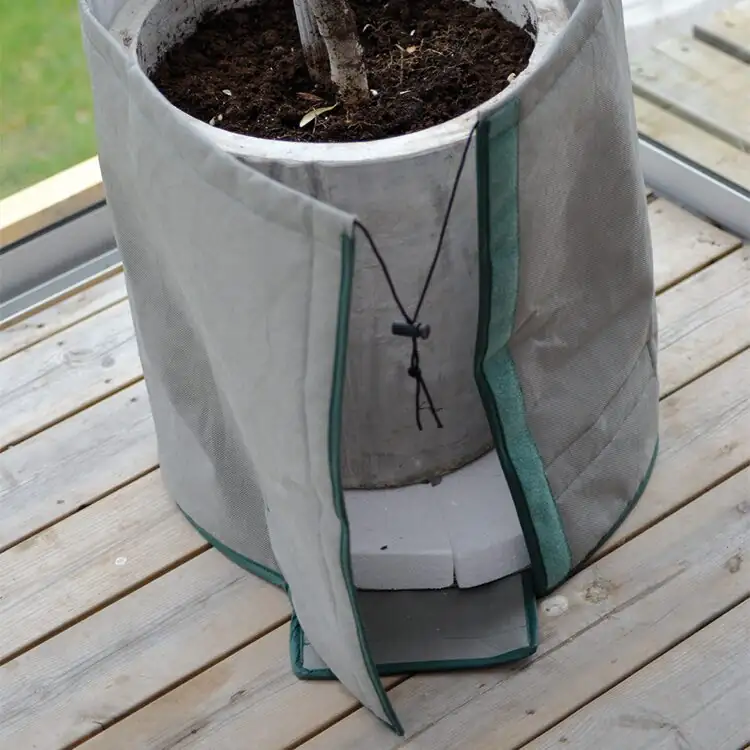
- The paradox: A well-established Chinese yew can handle winter lows near -15°C (5°F) outdoors. But in containers, roots are far more exposed, and the entire pot can freeze through, stressing or killing the plant.
- Make the pot winter-smart:
- Location: Tuck containers into bright shade near a wind-sheltered wall or under a balcony overhang.
- Insulation: Use a larger, thick-walled pot; cluster containers together; wrap with insulating material if severe freezes threaten.
- Drainage: Keep the mix well-drained and never let pots stand in water. Even in winter, avoid fully drying out—slightly drier between waterings is fine, but don’t bake the root ball.
Lightning-Round Care
Light and placement
- Best: Partial shade to bright, indirect light. Indoors, position about 1 m (3.3 ft) back from an east or south exposure so light is filtered.
- Avoid: Harsh midday sun and hot, dry air.
Water and soil
- Soil: Humus-rich, acidic, well-drained mix.
- Watering rhythm:
- Growing season: Water thoroughly to wet the root ball, then keep evenly moist—not soggy.
- Winter: Let the surface dry slightly between waterings but prevent the root ball from drying out completely.
- Don’t: Let the pot sit in water.
Temperature and humidity
- Comfort zone: About 16–26°C (61–79°F).
- Toughness: Established in-ground plants can ride out roughly -15°C (5°F); container plants are less hardy and need protection.
- Air: Prefers cool, slightly moist conditions; prolonged hot, dry air stresses the plant.
Feeding and pruning
- Fertilization: Once monthly in the growing season with well-rotted organic cake fertilizer or a balanced option such as NPK 20-20-20 used as labeled.
- Pruning: Usually unnecessary; lightly thin only to improve airflow or refine the silhouette.
Repotting
- Timing: Winter to early spring.
- Method: Refresh part of the old soil with fertile, acidic mix and disturb the root ball as little as possible.
Buying smart: how to pick a great plant
- Choose: A straight, well-balanced plant with healthy gray-brown to reddish-brown bark; well-spaced mains branches and dense, tight branchlets; deep-green needles with lively yellow-green new growth.
- Avoid: Crooked stems, missing/damaged branchlets, yellowing older leaves, or loose/unstable potting soil.
Pests, diseases, and an important safety note
- Generally tough, but:
- Scale insects can appear; monitor, use yellow sticky traps for flying adults, and treat with an appropriate product (e.g., horticultural oil) per label.
- Toxicity:
- Highly toxic if ingested—needles, bark, and especially seeds. The red aril is less toxic, but the seed is dangerous. Keep away from children and pets.
Symbolism and the so-called “flower language”
- Meaning: Across cultures, yews are emblems of longevity, endurance, and resilience—evergreen through winter, composed and long-lived.
- Context matters: While “flower language” traditions often romanticize blossoms, Chinese yew’s quiet power is in its evergreen poise and the winter-bright arils. Admire the symbolism—but respect the plant’s poisonous nature.
Your seasonal cheat sheet
- Spring: Best time to buy; sow stratified seeds; resume monthly feeding.
- Growing season: Keep soil evenly moist; protect from scorching sun; enjoy steady new growth that starts yellow-green and deepens.
- Autumn–winter: Arils glow red; watering eases up slightly; protect container plants from severe freezes; repot any time from winter into early spring.
Why grow Taxus chinensis?
Because few plants combine such calm, year-round structure with a flash of winter color—and fewer still teach the gardener’s twin virtues of patience (seeds) and prudence (containers in cold). Give it cool light, a breathable, acidic mix, and steady moisture, and this dignified evergreen will repay you with decades of quiet brilliance.