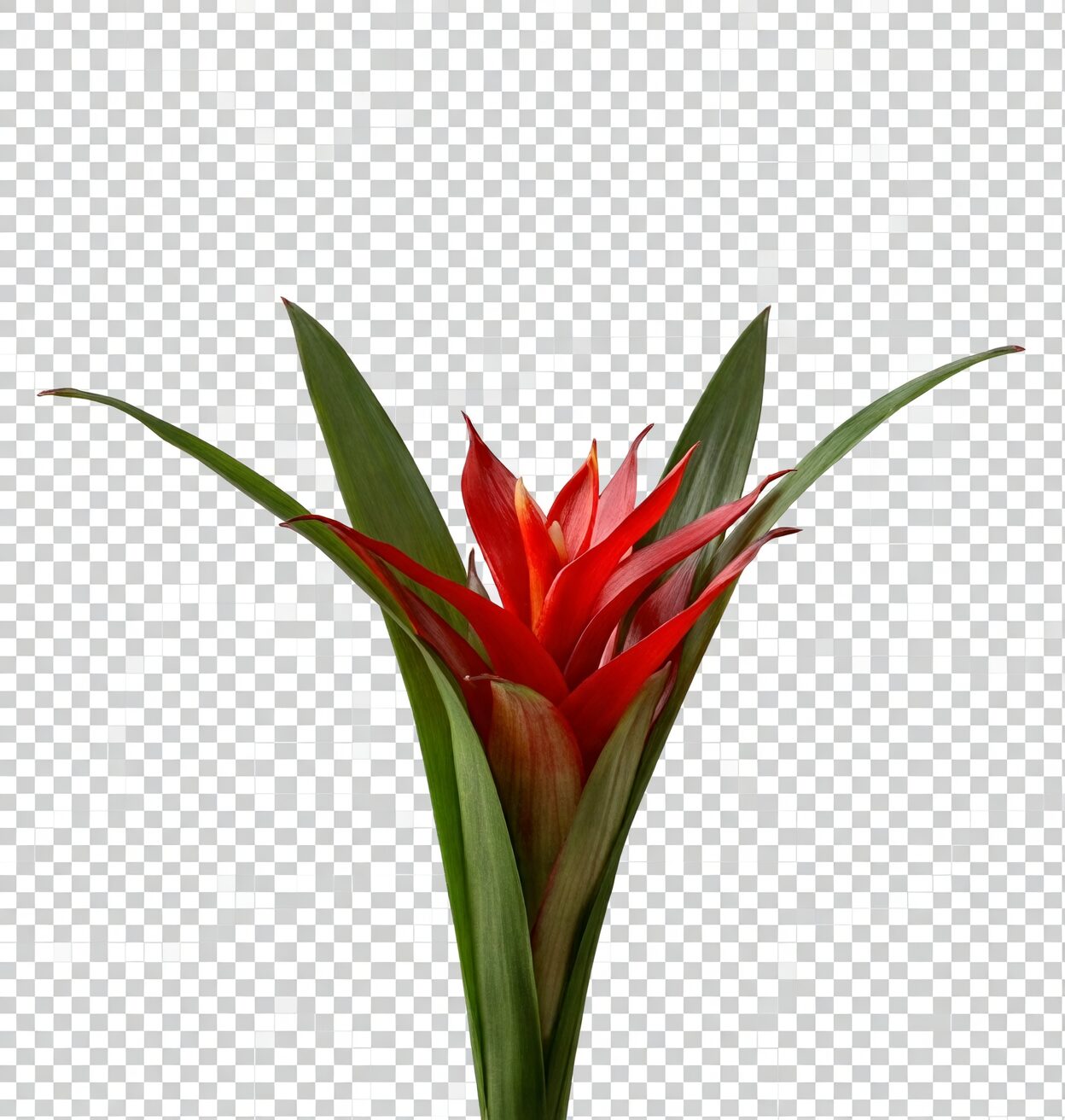
Guzmania insignis is like a lipstick-red exclamation mark for your room: glossy, architectural foliage holding up a bold torch of bracts that stays vivid for weeks. The secret to making that color sing indoors? Curate the light, choose the right sheen, layer textures, and keep all the behind-the-scenes care—humidifiers and cup water—out of sight.
Light that flatters: the east-window glow
Morning sun is Guzmania’s best makeup artist.
- East-facing windows deliver bright, filtered light without the harsh midday scorch that can dull leaves or fade bracts.
- Spring: park it close to that east window for bright, indirect light.
- Summer: pull it slightly back or use a sheer curtain to soften noon light; about 50% shade with good airflow prevents leaf scorch.
- Winter: give it the brightest spot by day, but don’t let leaves touch cold glass at night. Aim for a cozy 16–28°C (61–82°F), never below 10°C (50°F).
Designer’s trick: If your only bright exposure is south, use a thin voile to create that east-window feel—glowy, not glaring.
Planter picks: make the red bracts pop
Guzmania’s leaves are naturally glossy, so echoing or contrasting that shine is your styling superpower.
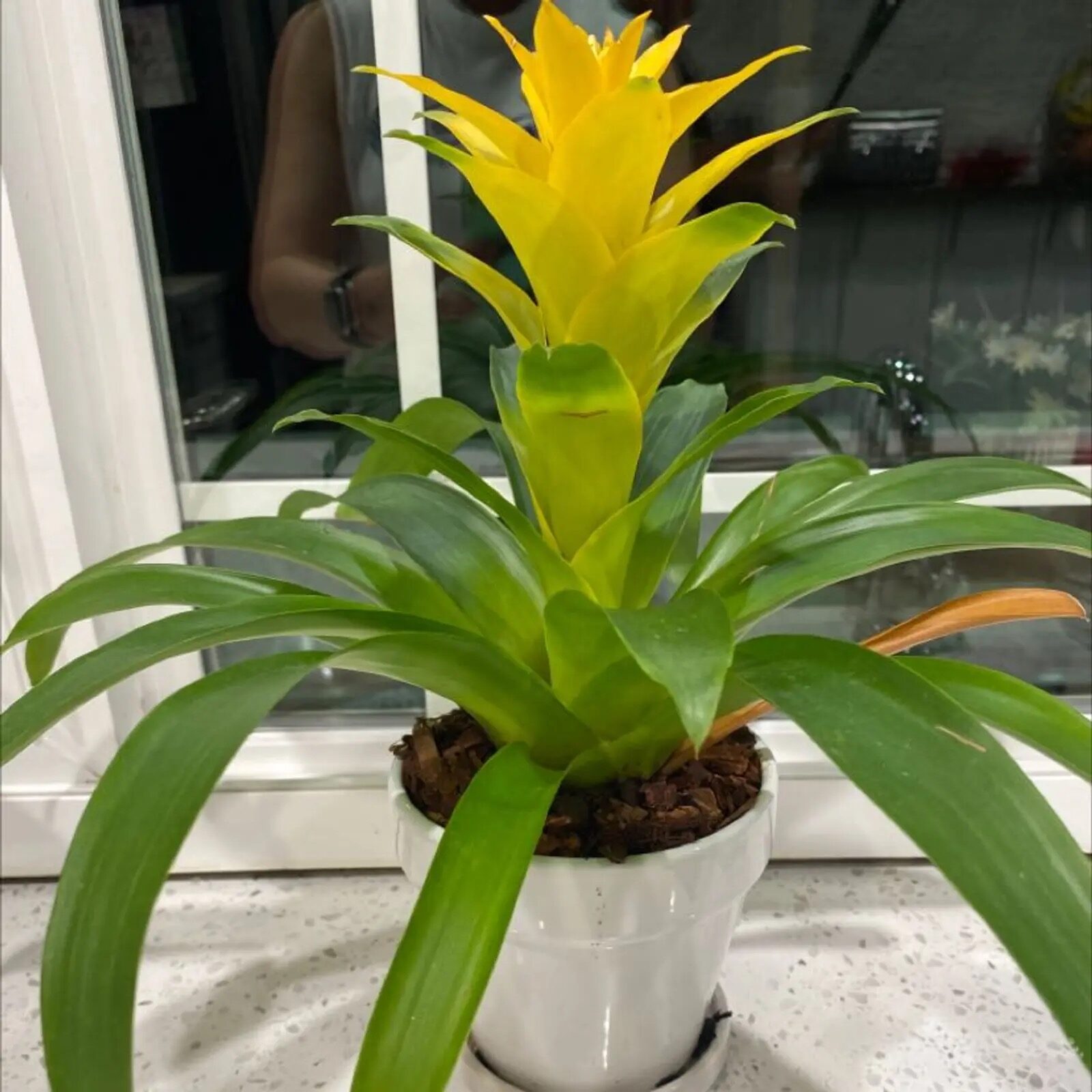
- Glossy white or black planters: high-contrast backdrops that throw the red into the spotlight and echo the plant’s own sheen.
- Lacquer and enamel finishes: mirror the bracts’ polish for a gallery-quality focal point on a console or credenza.
- Metallics (brass, brushed gold): add warmth and a luxe glint that harmonizes with red without competing.
- Tall, slim cachepots: lift the rosette so the torchy spike is eye level—your eye reads “color, sculpture, glow,” not “soil and saucer.”
Practical note: Keep the Guzmania in its breathable nursery pot tucked inside a decorative cachepot. You can slide it out to water the mix and refresh the leaf-cup without drips on your furniture.
Texture pairings that amplify drama
Think of the plant as a glossy jewel—now frame it with contrast.
- Matte ceramics or concrete: the chalky finish makes the red bracts look even glossier.
- Linen, bouclé, or raw oak: soft, tactile, and light-catching; perfect on a light wood shelf by an east window.
- Rattan and cane: tropical nods that echo the plant’s origin while keeping the look airy.
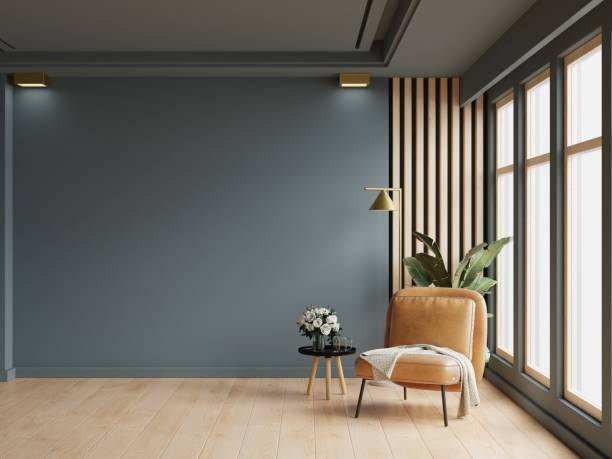
- Charcoal wall or deep navy bookcase: moody backgrounds that make the scarlet spike flare like neon.
- Mirror or smoked glass: bounce that morning light back through the rosette for a quiet glow.
Vignette idea: On an east-facing console, style your Guzmania in a glossy black planter with a linen runner, a brass tray, and a single matte stone object. Clean, modern, and the red reads as the room’s punctuation mark.
Groupings and companions
Build a small “moment” so your Guzmania is the clear star.
- Trios work: Guzmania (color), a low matte bowl (texture), and a slender brass lamp (warmth).
- Plant companions for contrast (different shapes, not competing colors): a trailing pothos or a fern in soft green can frame without stealing the show.
- Vary heights: a pedestal stand for the Guzmania, books or a block for the companion piece, and one grounded object to anchor the eye.
Hide the humidity, not the glow
Guzmania loves moderate-to-high humidity, but you don’t need a gadget parade on your sideboard.
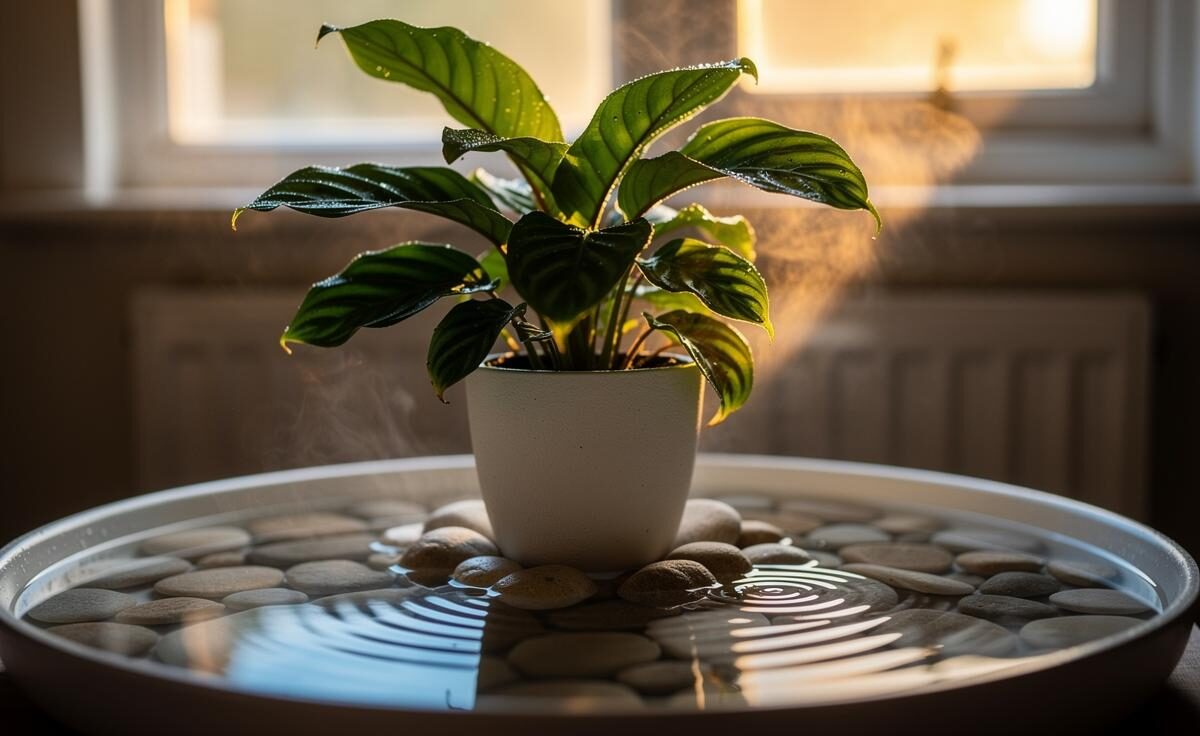
- Pebble tray, disguised: Use a shallow, sculptural tray filled with river stones under the cachepot. It reads as decor while quietly boosting local humidity.
- Discreet humidifier: Tuck a compact ultrasonic unit on the floor behind a plant cluster or inside a slatted cabinet on a timer (ensure airflow and keep cords tidy). Set to low; you’re aiming for comfort, not a cloud machine.
- Room selection: An east-facing bathroom shelf with window light is a stealth-humidity dream—just ensure bright, filtered light and airflow to avoid leaf spot.
Keep the “tank” topped up—discreetly
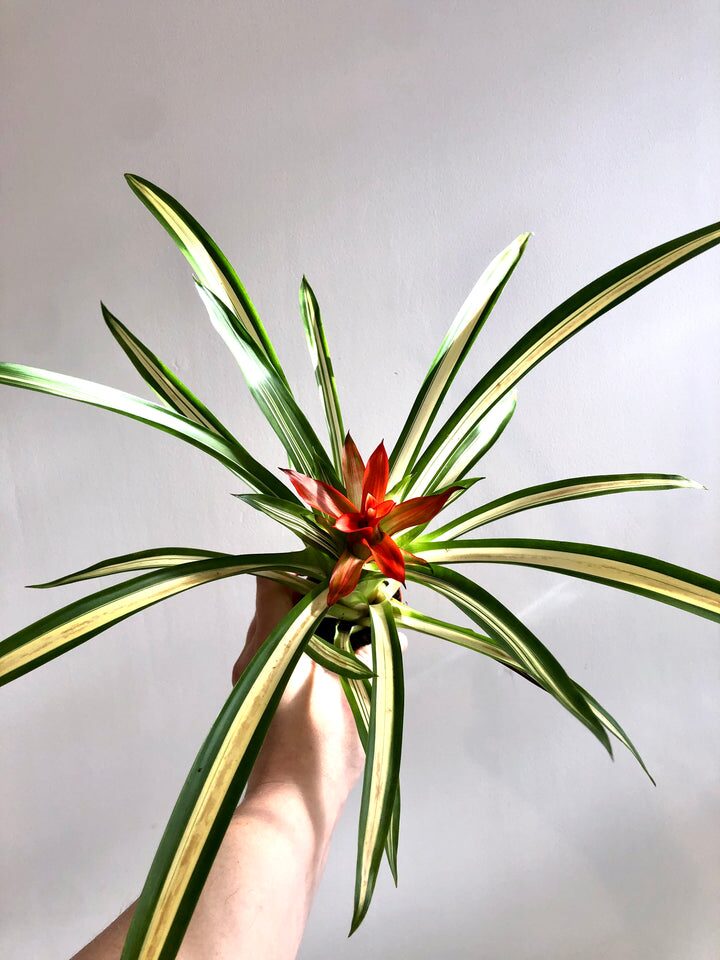
This bromeliad’s central leaf cup is a tiny water reservoir. Care for it without making it a focal point.
- Keep a little clean water in the cup; refresh it regularly so it never stagnates. A turkey baster or squeeze bottle with a narrow spout lets you remove and refill neatly.
- Stop fill just below the inner whorl so the water line isn’t noticeable.
- If you splash, wipe the leaves with a soft, slightly damp cloth—the shine is part of the look.
- Angle the plant slightly below eye level so you see the bracts, not the cup.
Tip: During slow winter growth, let the potting mix dry slightly between waterings and refresh the cup less frequently—but never let it dry out for long, or leaves can dull and yellow.
Styling through the seasons
- Spring: Bright, filtered light; keep the mix lightly moist; it’s the best time to divide pups if you’re propagating.
- Summer: Give ~50% shade and airflow; mist lightly in hot, dry spells.
- Autumn: As indoor air dries, lean on that disguised pebble tray or the hidden humidifier.
- Winter: Warmest, brightest spot by day; pull the pot back from cold glass at night; go easy on watering the mix.
Care-and-style cheat sheet
- Light: Bright, indirect; east windows are ideal.
- Temperature: 16–28°C (61–82°F). Keep above 10°C (50°F).
- Humidity: Moderate to high; boost discreetly with a pebble tray or a tucked-away humidifier.
- Water: Keep potting mix lightly moist in spring; slightly drier in winter. Maintain fresh water in the central cup; never let it stagnate.
- Soil: Loose, airy, fast-draining (bromeliad/orchid-style or peat/leaf-mold with coarse sand).
- Feeding: During active growth, feed about every 2 weeks with very dilute, balanced fertilizer; a touch more phosphorus/potassium supports blooming. Apply to the mix and/or lightly into the cup—never strong.
- Grooming: Wipe leaves with a soft damp cloth to keep that showroom gloss. Remove any yellowing outer leaves promptly.
- Watch-outs: Leaf spot favors still, wet foliage—boost airflow and avoid leaving leaves wet late in the day.
Flower language and gifting: why “good luck” fits so well
In Chinese, Guzmania is popularly called “鸿运当头,” often translated as “good fortune right on top.” It’s not an ancient botanical tradition so much as a modern cultural pairing: the auspicious symbolism of red (prosperity, celebration) meets a plant that literally wears a red crown. That’s why you see it gifted for openings, promotions, or the New Year. Display yours on an east-facing entry console or home office credenza to greet the day—and your guests—with a confident, lucky flare.
Buying for impact and longevity
- Choose a symmetrical rosette with firm, glossy leaves and a sturdy, upright spike. Bracts should be bright and blemish-free, with no signs of chill damage.
- After the show: The mother rosette naturally declines post-bloom. Look for pups forming at the base—these are your encore plants. Once a pup reaches about 10–12 cm (4–5 in), you can pot it into an airy mix, keep it warm (20–25°C / 68–77°F), and boost humidity while it roots. In a year or so, you’ll have a fresh torch to style.
Two styled setups to copy this weekend
- East-window minimalism: Guzmania in a glossy white cylinder on a slim pedestal, backed by a charcoal print, with a flat brass catchall and a linen-bound book stack. A shallow “river stone” tray beneath doubles as humidity helper.
- Warm-modern console: Guzmania in a black lacquer cachepot, flanked by a rattan-framed mirror and a matte travertine bowl. A compact humidifier hides behind the bowl on a timer. The plant sits just off-center so the red bracts arc into morning light like a spotlighted sculpture.
When you dial in the light, let gloss meet texture, and keep the care invisible, Guzmania insignis doesn’t just brighten a corner—it stage-directs your whole room.