

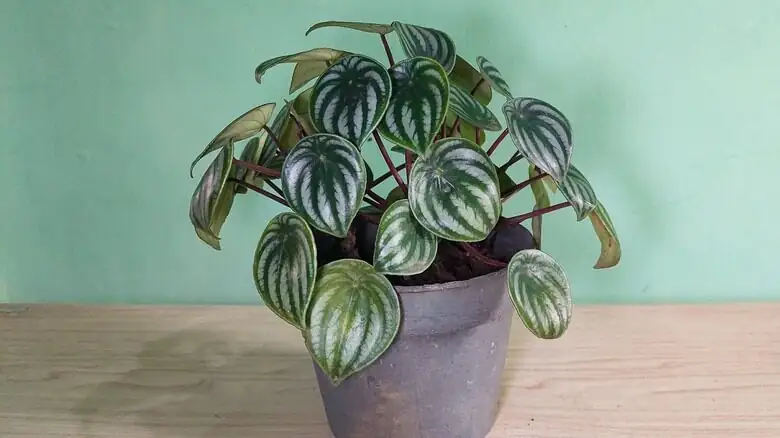
Imagine a perfectly round slice of summer, shrunk to palm-size and perched on red stilts. That’s Watermelon Peperomia (Peperomia argyreia): small enough for a desk, striking enough to stop conversations, and quirky enough to keep plant nerds grinning. Let’s revel in its odd “rat‑tail” blooms, those ruby-tinged petioles, its love of snug shoes (pots!), and the party trick where one leaf becomes an entire new plant.
Meet Peperomia argyreia (aka Watermelon Peperomia)
- Family: Piperaceae (the pepper family)
- Origins: Northern South America, especially Brazil
- Habit and size: Compact clump-former, about 15–30 cm (6–12 in) tall and wide; most potted plants settle around 20 × 20 cm (8 × 8 in)
- Foliage: Slightly succulent, round-to-oval leaves streaked silver over deep green—like miniature watermelon rinds
- Petioles: Slender and often red, lifting the leaves in a crisp, sculptural rosette
- Flowers: Thin, pale green to cream spikes—more odd than ornate—appearing summer to late summer indoors
Four delightfully weird facts you’ll love
1) The curious “rat‑tail” blooms
Those noodle-thin, pale spikes aren’t decorative fireworks—they’re the understated flower structures typical of peperomias. Up close they’re fascinating; from across the room, your eye still goes straight to the foliage. Think of them as botanical punctuation marks: unexpected, brief, and a little cheeky.
2) Red petioles = instant drama
The leaf stalks are often flushed red, a striking counterpoint to the silvery striping. That subtle pop of color gives the plant a lifted, architectural feel even in a small pot. It’s foliage fashion—no flowers required.
3) It’s happiest slightly pot‑bound
This plant thrives with cozy roots. Why? Peperomias carry relatively fine, modest root systems and demand air around them. A pot that’s too large leaves excess mix wet for too long—prime conditions for root rot and floppy, yellowing leaves. A snug pot:
- Keeps the plant naturally compact and tidy
- Dries predictably between waterings
- Reduces rot risk in dense or oversized containers
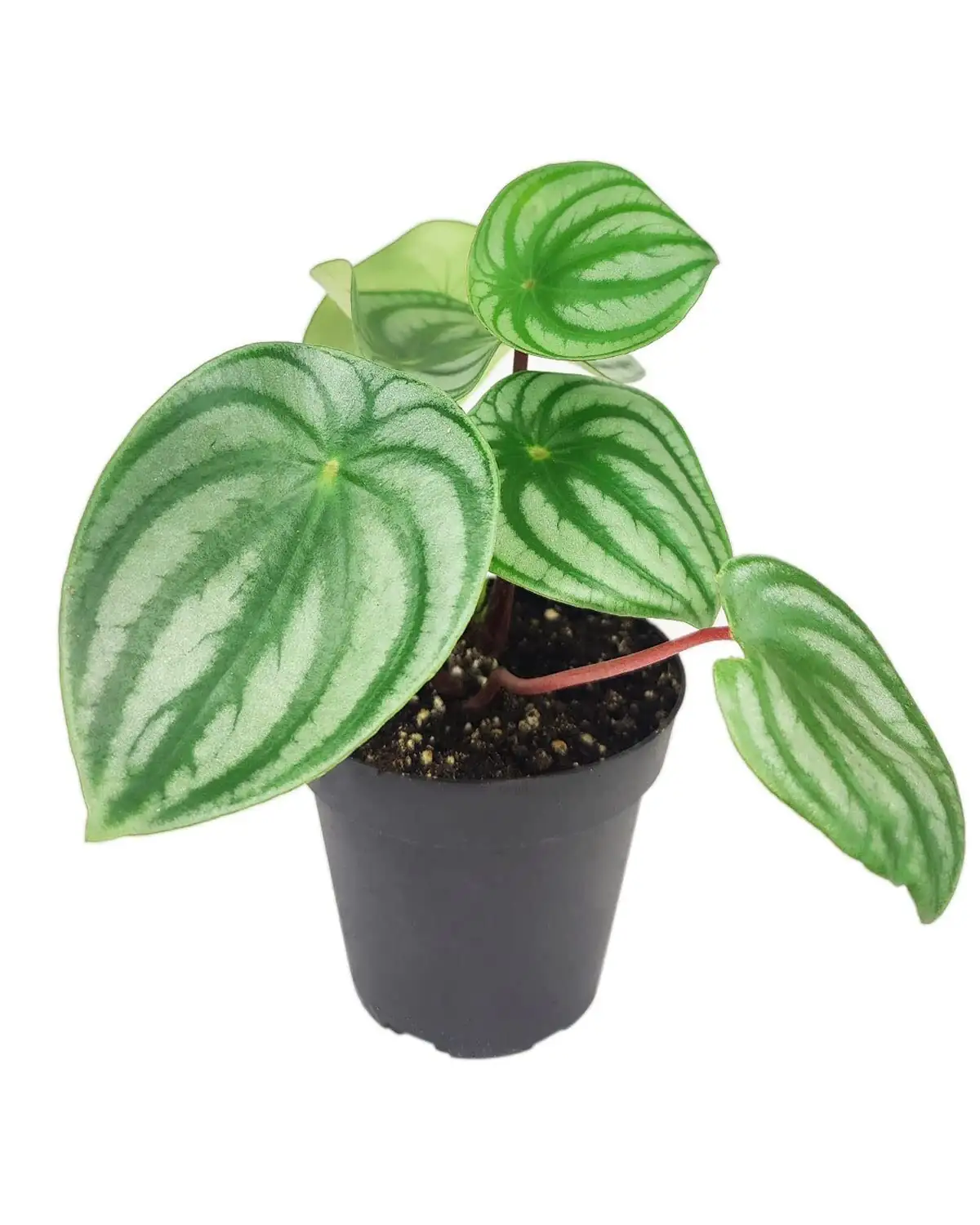
Aim to repot only every 2–3 years, and then just one size up. Many specimens live beautifully in 10–12.5 cm (4–5 in) pots; established clumps may step into roughly 12–15 cm (4.7–5.9 in) containers.
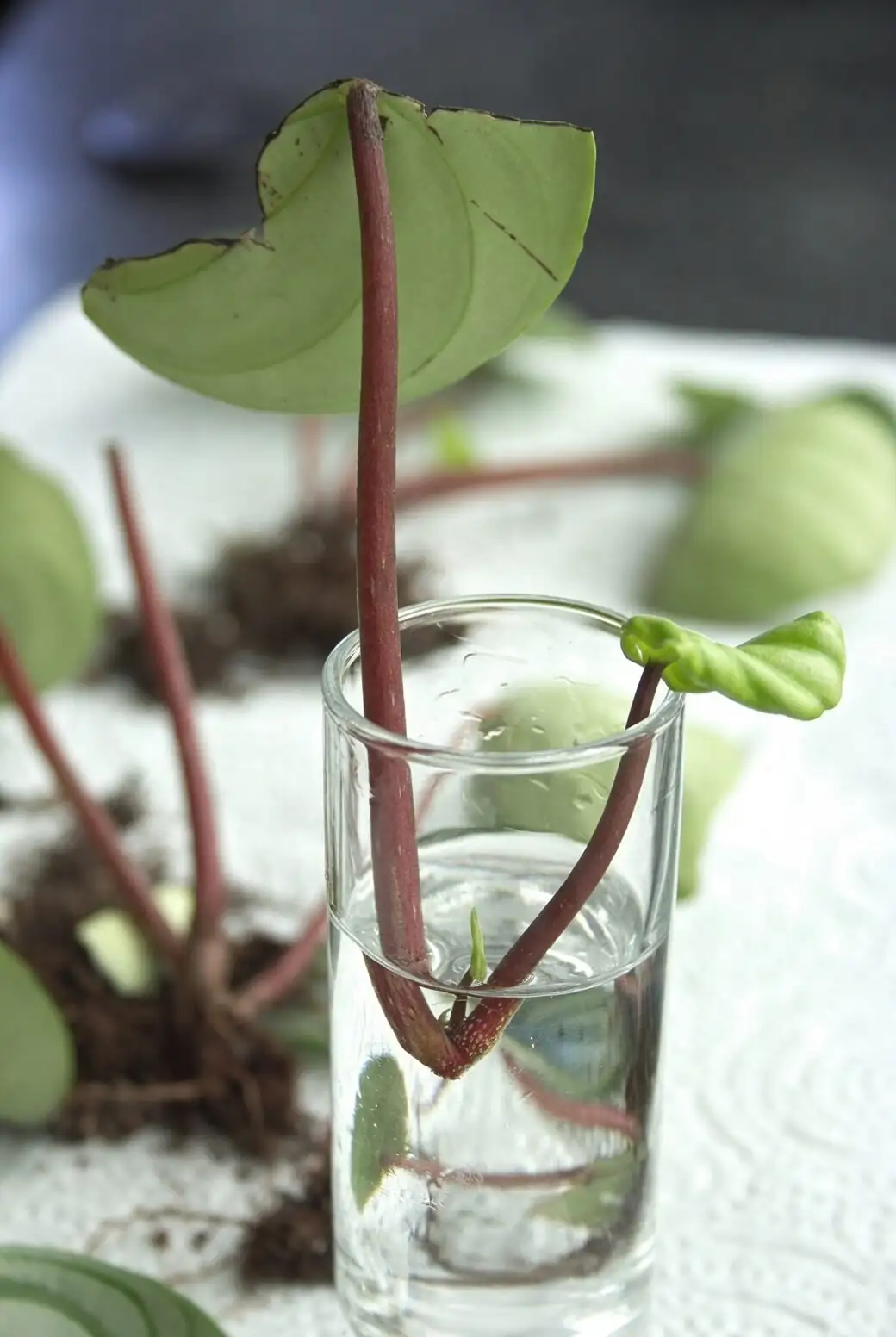
4) A single leaf can start a whole new plant
True sharing plant energy. Propagation is delightfully easy in spring and summer:
- Take a mature leaf with a short petiole (about 1–2 cm / 0.4–0.8 in).
- Slip the petiole and about the lower third of the leaf into a lightly moist, airy medium (perlite with a bit of sand or a fluffy seed-starting mix). Keep two-thirds of the leaf above the surface.
- Bright, indirect light; gently warm temperatures; and don’t overwater.
- Expect roots in ~3–4 weeks; baby plantlets in ~4–6 weeks. Stem cuttings also root readily in water or mix, and you can divide a crowded clump at spring repotting.
Care that keeps the stripes crisp
Light
- Best: Bright, indirect light to part shade. An east window or a bright north window is prime.
- Summer: Set back from hot south/west windows or use a sheer curtain to prevent scorch and fading.
- Winter: Move it to the brightest safe spot, still avoiding intense midday rays.
- Too little light: Slower growth and duller striping.
Water
- Spring–autumn: Water thoroughly, then let the surface dry before watering again (often about weekly, but always check the mix).
- Summer: Keep evenly moist—never soggy—and never leave the pot sitting in water.
- Winter: Scale back (often every ~2 weeks), letting the mix dry a bit more.
- Overwatering signs: Yellowing, soft leaves, and that telltale sour, swampy smell.
- Underwatering/dry air signs: Curling or drooping without yellowing; revive with a deep drink and a slight humidity boost.
Temperature and humidity
- Sweet spot: 15–24°C (59–75°F)
- Avoid: Below ~10°C (50°F), cold drafts, and scorching window glass. Growth stresses above ~30°C (86°F).
- Humidity: Average home humidity is usually fine. If air is very dry, use a pebble tray or light misting and ensure gentle airflow.
Soil and potting
- Mix: Loose, fast-draining media—think quality houseplant mix (peat or coco) plus perlite and/or coarse sand.
- Drainage: Non‑negotiable. Waterlogged media is a one-way ticket to rot.
- Potting rhythm: Refresh/top-dress annually; repot every 2–3 years or when roots snugly fill the pot—only one size up.
Feeding
- During active growth:
- Option 1: Monthly at half strength
- Option 2: Every 2 weeks with a more diluted, balanced fertilizer (roughly May–August)
- Go easy on nitrogen to maintain sturdy petioles and vivid striping.
- Pause or lighten feeding in winter.
Pruning and shaping
- Minimal needs. Remove yellowing or damaged leaves at the base.
- Thin crowded leaves to keep the rosette symmetrical; pinch leggy bits.
- Bonus: Healthy trimmings make perfect propagation material.
Styling and placement ideas
- Desks, bookshelves, and window ledges—this is a small-space champion.
- East light brings out the silvery bands; a bright north window protects from summer scorch.
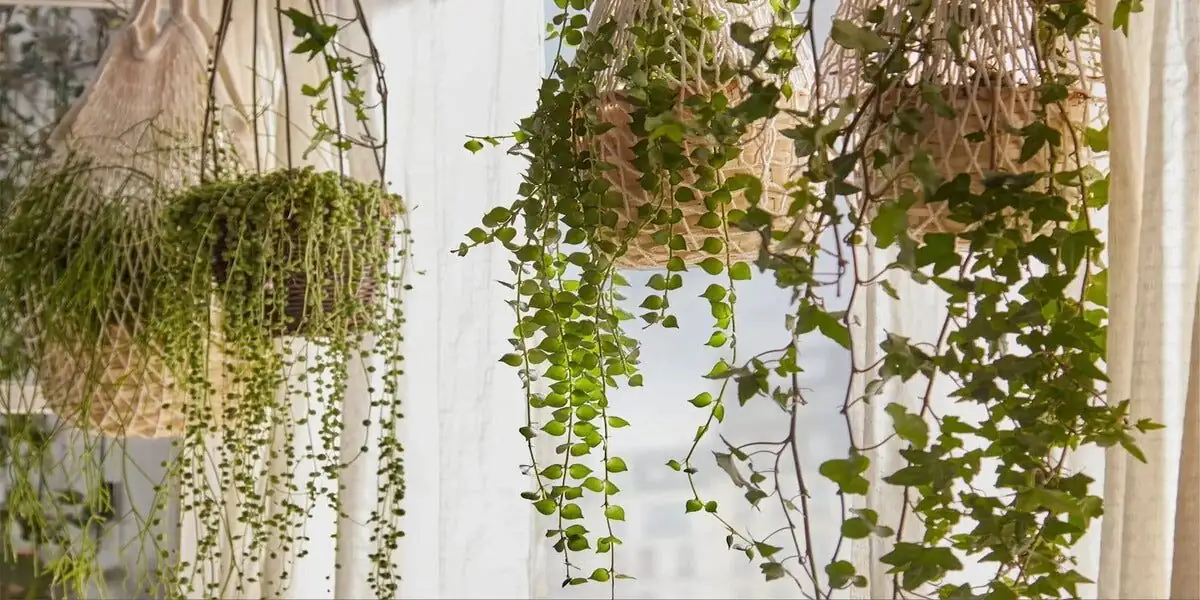
- In hanging planters, it forms a soft, mounded “watermelon cloud” in bright shade.
- Pair with matte ceramic or soft terracotta to make those red petioles glow.
Troubleshooting quick hits
- Yellowing leaves and droopy petioles? Most often overwatering, a heavy mix, harsh sun, or cold drafts. Improve drainage, let the top dry, shift to bright‑indirect light, and enhance airflow.
- Leaves curling or drooping (not yellow)? Usually underwatering or very dry air. Soak through, drain well, and bump humidity slightly.
- Low light tolerance? It can cope, but growth slows and the striping fades. For that sharp “watermelon” contrast, keep it bright‑indirect.
- New arrival? Start in bright, filtered light; water lightly at first; wait for new growth before feeding; rotate the pot a half‑turn weekly for even symmetry.
Pests, health, and pet safety
- Pests: Mealybugs, scale, spider mites, and whitefly are the usual suspects—especially in warm, dry rooms. Treat early with insecticidal soap or horticultural oil, and repeat as needed.
- Diseases: Overwatering leads to root rot; occasionally you may see leaf spots or ringspot‑like distortion. Start with clean plants, use sterile mix, improve airflow, remove badly affected leaves, and isolate if symptoms spread.
- Pet safety: Generally considered non‑toxic to cats, dogs, and people. Still, discourage nibbling—any plant material can upset tummies.
A simple seasonal game plan
- Spring: Increase filtered light; water as the surface dries; best time to propagate, divide, or repot (only one size up).
- Summer: Shield from harsh midday sun and hot glass; keep evenly moist without sogginess; maintain airflow.
- Autumn: Bright‑indirect light continues; moderate watering; begin easing off fertilizer.
- Winter: Brightest safe spot; water sparingly; pause feeding; protect from drafts and chills.
Hardiness note
This warmth-lover is a tender tropical. Keep it above 10°C (50°F). It’s best as a houseplant; outdoor year‑round growing is typically limited to frost‑free, very warm climates (think USDA Zone 11–12).
Symbolism and little legends
Though it doesn’t come with centuries of folklore, Watermelon Peperomia has earned modern “flower language” vibes of freshness and playfulness. The evergreen, summery rind pattern reads like a cheerful grin in plant form—bright, tidy, and uplifting all year.
Fast facts to share at your next plant swap
- The watermelon stripes are so convincing that even non‑plant folks recognize it instantly.
- Those quirky “rat‑tail” spikes are real flowers—subtle, seasonal, and delightfully odd.
- It prefers being a bit pot‑bound, which keeps it compact and happy.
- One leaf can become a brand‑new plant in a matter of weeks—talk about generous.
With bright, indirect light, a breezy, well‑draining mix, and a pot that fits like a comfy sneaker, Peperomia argyreia will reward you with crisp stripes, jaunty red petioles, and the occasional rat‑tail flourish—proof that small plants can have very big personalities.