

If your Earth Star looks a little lackluster or its leaf tips keep crisping, the culprit is often hiding in plain sight: your tap water. Cryptanthus bivittatus—those pint-sized, starburst bromeliads from Brazil’s Atlantic Forest—evolved to sip soft, low-mineral rainfall. Give them the same, and their colors sharpen, leaf texture stays crisp (in the good way), and tip burn all but disappears. Here’s the chemistry, the why, and the easy fixes.
Meet the Earth Star you’re pampering
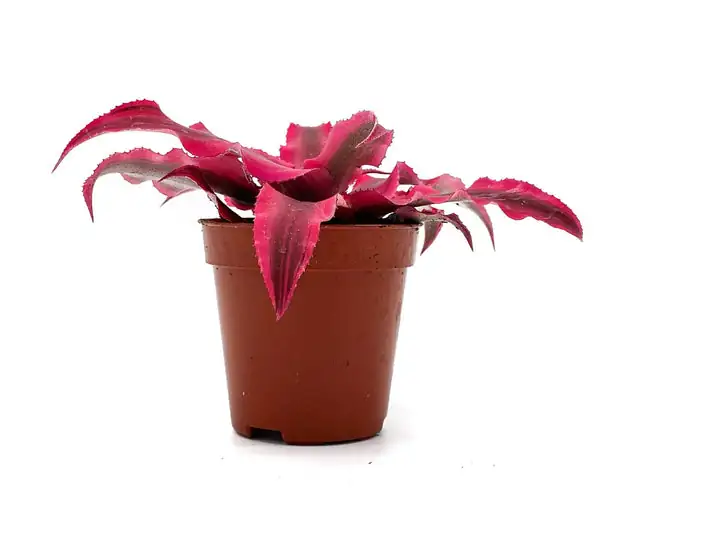
- Botanical name: Cryptanthus bivittatus (aka Earth Star, Two-Striped Earth Star)
- Native range: Eastern Brazil, terrestrial in warm, humid habitats
- Habit and size: A low, flat, star-shaped rosette, about 15 × 15 cm (6 × 6 in)
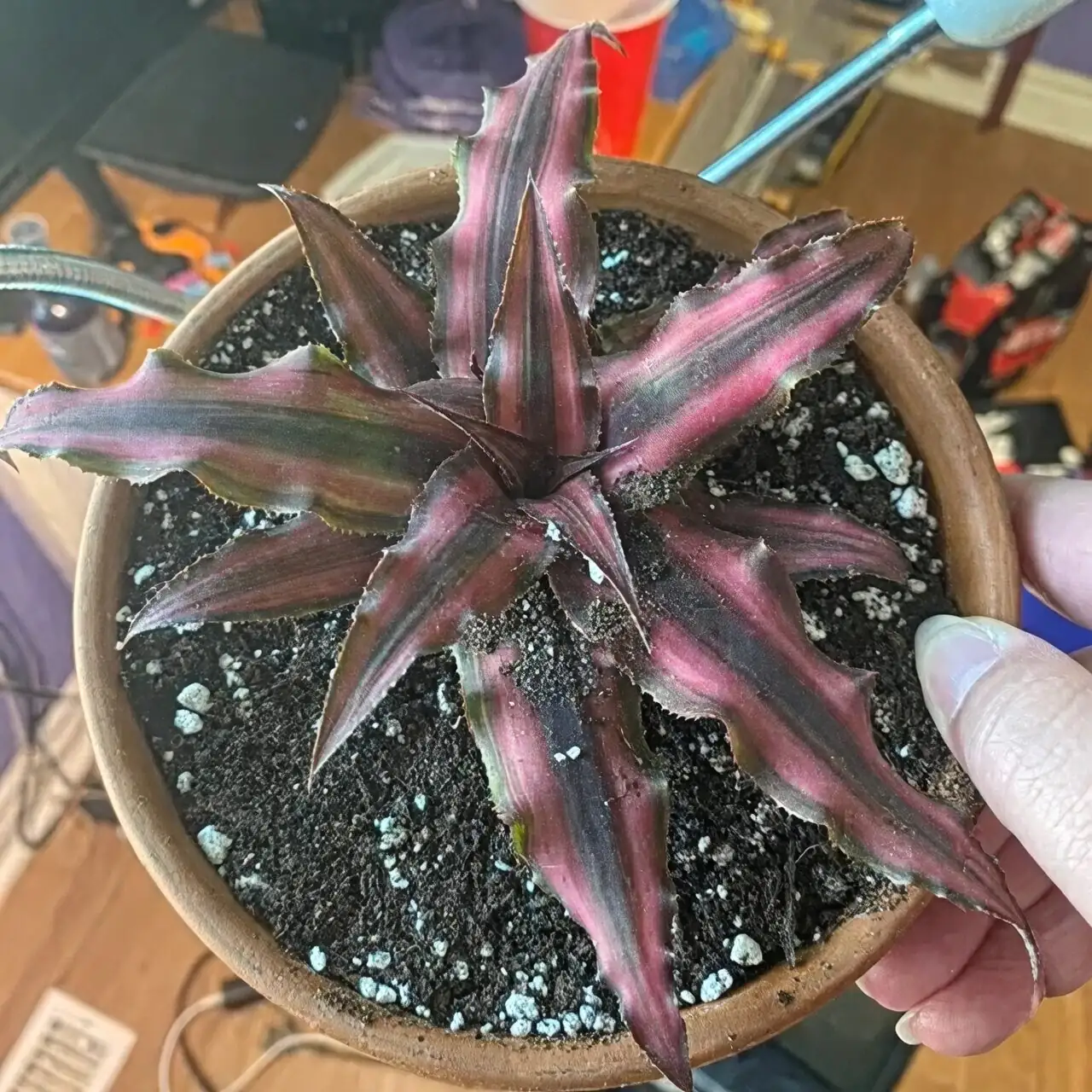
- Foliage: Rippled, slightly toothed leaves that can glow green, pink, red, orange, or purple—often striped; color intensifies with bright light
- Indoors sweet spot: Bright windowsill, good airflow, warm temps (16–27°C / 61–81°F), moderate humidity
- Watering style: Keep the mix evenly moist in spring–summer (never soggy), then barely moist in winter. Avoid standing water in the crown. For best leaf quality, use rainwater or distilled water and mist with lukewarm water if air is dry.
Why rainwater or distilled makes bromeliad leaves look better
Think of bromeliads as “rain connoisseurs.” In nature, they receive:
- Ultra-low mineral water
- Slightly acidic pH
- No chlorine, no chloramine, no fluoride
Tap water, by contrast, is a cocktail that can stress soft, decorative foliage:
The usual suspects in tap water—and what they do
- Hardness minerals (calcium, magnesium, bicarbonates)
- Leave a whitish crust on leaves/soil, create a dull gray film, and raise pH in the potting mix
- Can lead to tip burn and muted colors as salts accumulate
- Alkalinity (buffering capacity)
- Nudges the mix more alkaline over time, which can lock up nutrients and soften color saturation
- Sodium from water softeners
- Particularly harsh on bromeliads; promotes leaf-edge burn and root stress
- Chlorine
- Can irritate leaf tissues and the rhizosphere; dissipates if water is left to stand
- Chloramine
- A chlorine–ammonia disinfectant that does not dissipate by standing or boiling; lingers and can stress sensitive leaves
- Fluoride
- Doesn’t evaporate; can tip-burn foliage in sensitive ornamentals and may contribute to marginal necrosis in bromeliads
- Trace metals (copper, zinc, iron) from plumbing
- In small doses can be tolerated, but buildup can spot and stress leaves
Bottom line: Earth Stars, with their compact, starry rosettes and fine terrestrial roots, are adapted to gentle, clean water. Reducing dissolved solids and disinfectants translates directly to smoother leaf edges, glossier surfaces, and bolder striping.
Chlorine vs. chloramine: what actually goes away when water “rests”?
- Chlorine (free chlorine)
- Will largely off-gas if you leave water in an open container 24–48 hours; aeration speeds it up.
- Chloramine
- Stable and stays put. Letting water sit won’t remove it. You’ll need a catalytic carbon filter, an aquarium-style dechlorinator, or vitamin C treatment to neutralize it.
Note: Fluoride does not evaporate. If fluoride sensitivity is suspected, use rain, distilled, reverse osmosis (RO), or a fluoride-reducing filter (e.g., bone char or specific RO/DI setups).
The water-quality pyramid: good, better, best
- Best: Rainwater
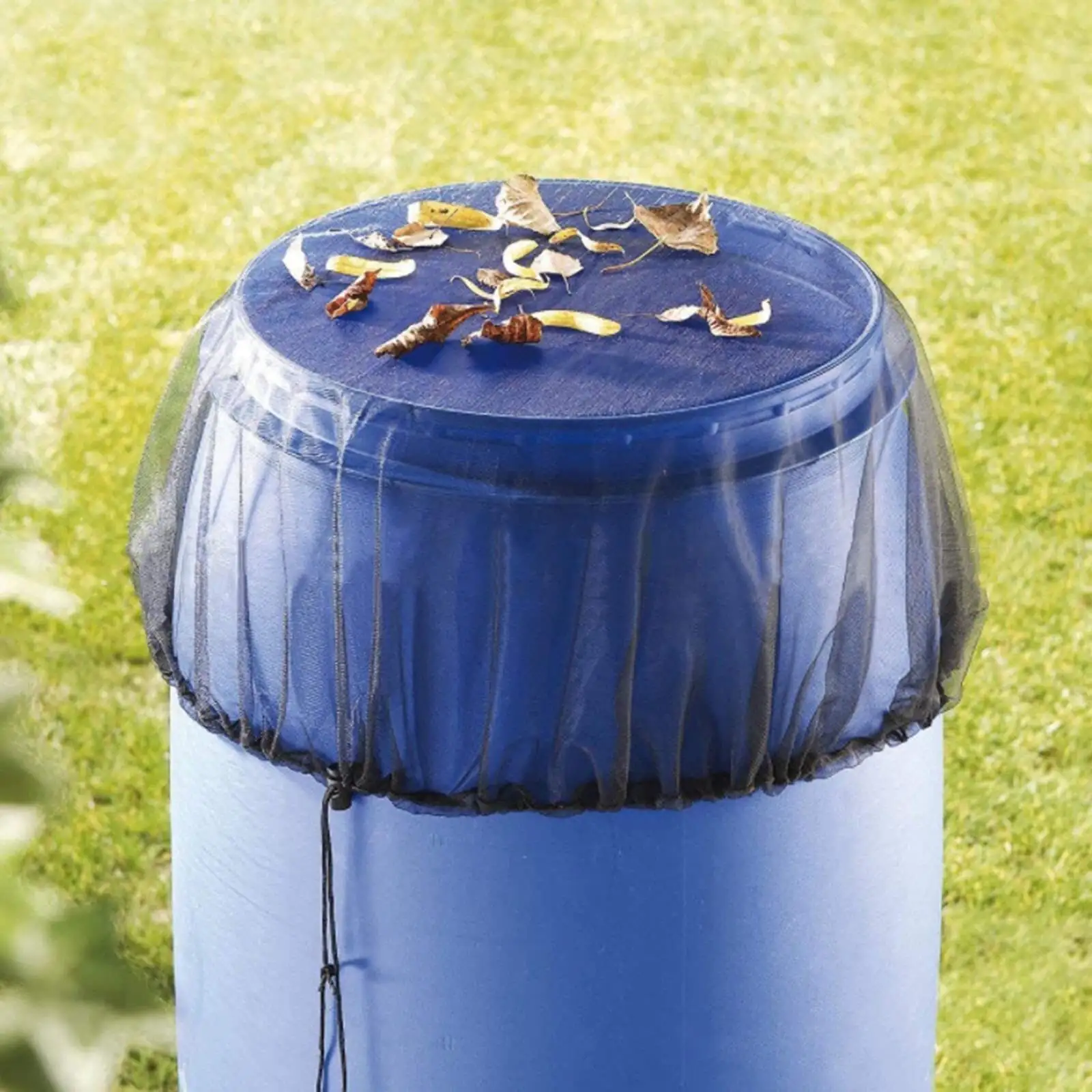
- How to collect safely:
- Use food-grade plastic or glazed ceramic containers; avoid metal containers that can leach metals.
- Keep barrels covered with fine mesh to block debris and mosquitoes.
- Discard the first flush after long dry spells if roofing has zinc/copper strips.
- Store at room temperature.
- Great: Distilled, RO, or deionized water
- Exceptionally clean and consistent. Because these are mineral-free, pair with a light feeding plan in the growing season so the plant doesn’t run on empty:
- Feed every 2–3 months from spring through late summer with a balanced liquid fertilizer at 1/2 strength. Too much fertilizer softens growth and dulls color.
- Better: Filtered tap water
- Activated or catalytic carbon filters reduce chlorine and many organics; some pitcher filters also trim certain metals. For hard water, mix 1:1 with distilled or RO to bring down hardness and total dissolved solids (TDS).
- Avoid: Softened (ion-exchange) water
- High in sodium (or sometimes potassium). Both can cause leaf burn and salt stress over time.
Practical dechlorination and defluoridation hacks
- Let it breathe
- For chlorine-only water: Fill a wide, open container and let it sit 24–48 hours. Stir once or use an aquarium airstone to speed off-gassing. This does not remove chloramine or fluoride.
- Filter it
- A countertop or under-sink carbon/catalytic carbon filter removes chlorine, reduces chloramine, and improves taste/odor. Check specs; not all remove chloramine or fluoride.
- RO systems remove most dissolved solids, including fluoride and chloramine (with proper carbon prefiltration).
- Neutralize it
- Aquarium dechlorinator drops (for chlorine/chloramine) work well—follow label directions.
- Vitamin C (ascorbic acid) products neutralize chlorine and chloramine; many shower/whole-house filters use this method.
- Don’t boil to “purify”
- Boiling drives off some chlorine but concentrates minerals as water evaporates and does little against chloramine.
- Quick mix method
- If filtration isn’t an option, blend your tap water with distilled or RO (start at 1:1) to cut hardness, TDS, and fluoride concentration.
How to water an Earth Star for tip-top leaves
- Potting mix
- Use a very airy, fast-draining blend (e.g., equal parts orchid bark, perlite, and coco coir; or a 1:1 orchid mix and all-purpose potting mix). Keep the crown from sitting in soggy media.
- Growing season (spring–summer)
- Keep the mix evenly moist, never waterlogged. Water with rain, distilled, or filtered water low in TDS. Always let excess drain.
- Winter
- Reduce to barely moist. No sitting water and no cold water shocks; room-temperature, lukewarm water is best.
- Humidity bump
- Moderate humidity is fine, but higher humidity improves leaf quality. Mist with lukewarm rain/distilled water and ensure good airflow so moisture doesn’t stagnate in the rosette.
- Light
- Bright light (some direct sun if acclimated) intensifies colors; a sunny windowsill is perfect with gradual acclimation.
Troubleshooting: what your leaves are telling you
- Brown, crispy tips or margins
- Likely salts, fluoride, or sodium exposure; switch to rain/RO/distilled; flush the pot thoroughly with low-mineral water.
- Dull, grayish film or white crust on leaves or soil
- Hard water residue. Wipe leaves with a soft, damp cloth (rain/RO water) and reassess your water source; consider mixing tap with distilled.
- Colors fading despite bright light
- Alkalinity/nutrient lockout from hard, alkaline water or overfertilizing. Use purer water and dial fertilizer back to 1/2 strength every 2–3 months in season.
- Limp center, blackened base, or sour smell
- Crown/root rot from soggy media or stagnant moisture. Improve drainage, water less, increase airflow, and never let water pool in the crown.
Pro tip: A simple TDS meter can guide you. Aim under ~150 ppm for fussier bromeliads; if yours reads higher, dilute or switch sources. Monthly, flush the pot with a generous volume of rain/RO water to rinse lingering salts.
Quick FAQs for the water-wise Earth Star keeper
- Is distilled water “too pure”?
- Not when you pair it with light, occasional feeding. Your Earth Star gets minerals from the potting mix and fertilizer, not from hard tap water.
- Are pitcher filters enough?
- They help with chlorine and some metals, but not always with fluoride or chloramine. Check your local water report and the filter’s specs.
- Can I use dehumidifier or AC condensate water?
- It’s low in minerals but may contain metals or biofilm from coils. When in doubt, skip it or sterilize and filter first.
A note on symbolism (flower language) for Earth Star
Earth Stars are often associated with resilience and a punchy, starburst energy—more a modern, enthusiast-born symbolism than formal Victorian floriography. The compact rosette that shifts colors under strong light mirrors the plant’s adaptable spirit: stay small, shine brighter. Treat its water right and that message becomes brilliantly literal.
Care snapshot you can trust
- Bright light; some direct sun if acclimated
- Warmth: 16–27°C (61–81°F); no chills below ~10°C (50°F)
- Water: Use rain or distilled for best leaf quality; evenly moist in spring–summer, barely moist in winter; never soggy, no standing water in the crown
- Feed: Every 2–3 months in the growing season at 1/2 strength
- Potting: Very airy bromeliad-style mix; a snug 10 cm (4 in) pot is perfect
- Pests: Watch for mealybugs, scale, spider mites; treat with insecticidal soap or horticultural oil
- Safety: Generally non-toxic; sap may mildly irritate sensitive skin
Give your Earth Star the kind of water it evolved to love, and it will repay you with sharper stripes, richer hues, and leaves that stay pristine. In the end, it’s not fussy—it’s just fluent in rain.