

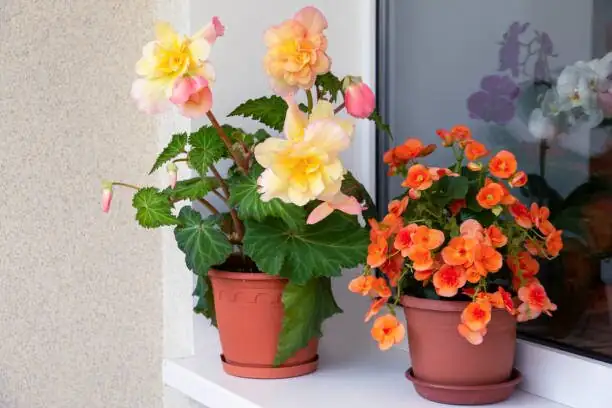
If ever a plant asked you to be thoughtful about where you place it, it’s the tuberous begonia. Give Begonia × tuberhybrida bright light without the bite, gentle air without the gusts, and water without the wet feet—and it will repay you with camellia-like blooms that stop people in their tracks.
Meet Begonia × tuberhybrida (Tuberous Begonia)
- A cultivated hybrid famed for its large, often fully double flowers—sometimes bicolored and rose- or camellia-like.
- Grows from a plump, fleshy tuber; sends up fleshy stems through the growing season, then naturally dies back to rest.
- Loves bright shade and gentle light rather than harsh, hot sun.
- Key to success: keep soil evenly moist (never soggy) and honor its rest period after flowering.
Light and Placement: Precision Makes Perfect
Indoors: Bright windows, never harsh sun
Think “bright, filtered, and calm.”
- Best windows:
- East-facing: morning sun is gentle and ideal.
- North-facing: bright rooms are fine if unobstructed.
- South or west: offset strong rays—use sheer curtains or set the plant 0.5–1.5 m (1.5–5 ft) back from the glass.
- Micro-tactics:
- Keep leaves and blooms from pressing against hot glass.
- Turn the pot a quarter-turn weekly to keep stems sturdy and balanced.
- Maintain humidity around 50–70%, but add gentle airflow (a small fan on low, not pointed directly at the plant).
- Avoid AC/heater blasts and steamy, stagnant corners—stagnant, damp air invites rot and mildew.
- Light test: If your hand casts a soft-edged shadow near the plant at midday, the light is just about right.
Outdoors: Sheltered balconies and patios with airflow
Picture a breezy, leafy veranda—never a windswept deck.
- Place in bright, dappled shade with protection from midday and afternoon sun.
- Provide a roof edge, awning, or pergola so heavy rain doesn’t pound blooms or keep foliage dripping.
- Encourage airflow without drafts. Group containers with a little breathing space between them.
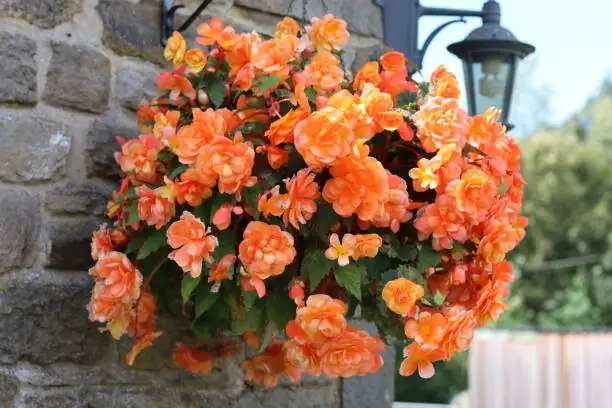
- Hanging baskets and window boxes: choose trailing types for a waterfall of color; site them where they get good light but are shielded from wind squalls and downpours.
- Stake or hoop heavy, double-flowered stems to prevent snapping.
Temperature and Weather Thresholds
- Thrives at 16–21°C (61–70°F).
- Keep above 10°C (50°F), especially in winter or at night.
- Prolonged heat above about 32°C (90°F) can cause wilting, bud drop, or sudden collapse—move to cooler shade with airflow and keep moisture steady during heat spikes.
USDA Zones: Grow-in-Place vs. Lift-and-Store
- Frost-tender.
- Outdoors year-round only in warm climates: roughly USDA Zone 10–11, in bright shade with protection.
- Cooler climates: grow for the season, then lift and store the tuber.
- As flowering winds down, reduce feeding and gradually ease off watering.
- Once stems yellow and die back, stop regular watering.
- Lift the tuber, brush off excess mix, allow it to dry slightly, and store in a cool, dry, airy place (above 10°C / 50°F). Avoid damp conditions.
- Replant and restart growth in spring; increase light and water gradually.
Watering Without Rot (Indoors and Out)
Petals are like silk gowns in a rainstorm—protect them, and water the roots smartly.
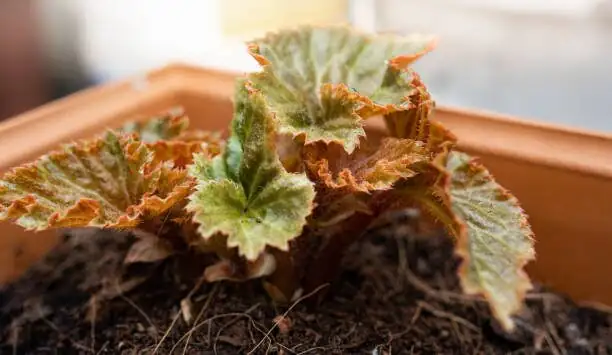
- During active growth: keep the mix evenly moist, never wet. As a baseline, water about once per week, then adjust for temperature, airflow, and pot size.
- Never let the pot sit in a saucer of water.
- Use room-temperature water; water the soil, not the flowers or crown.
- Shield from heavy rain; saturated mixes and sodden blooms invite rot.
- Warning signs:
- Overwatering: soft, mushy tuber; stems may blacken at the base.
- Underwatering: limp, collapsing stems and leaves.
The Right Container and Mix
- Pot size: a flowering plant is typically happiest in a 20–25 cm (8–10 in) pot.
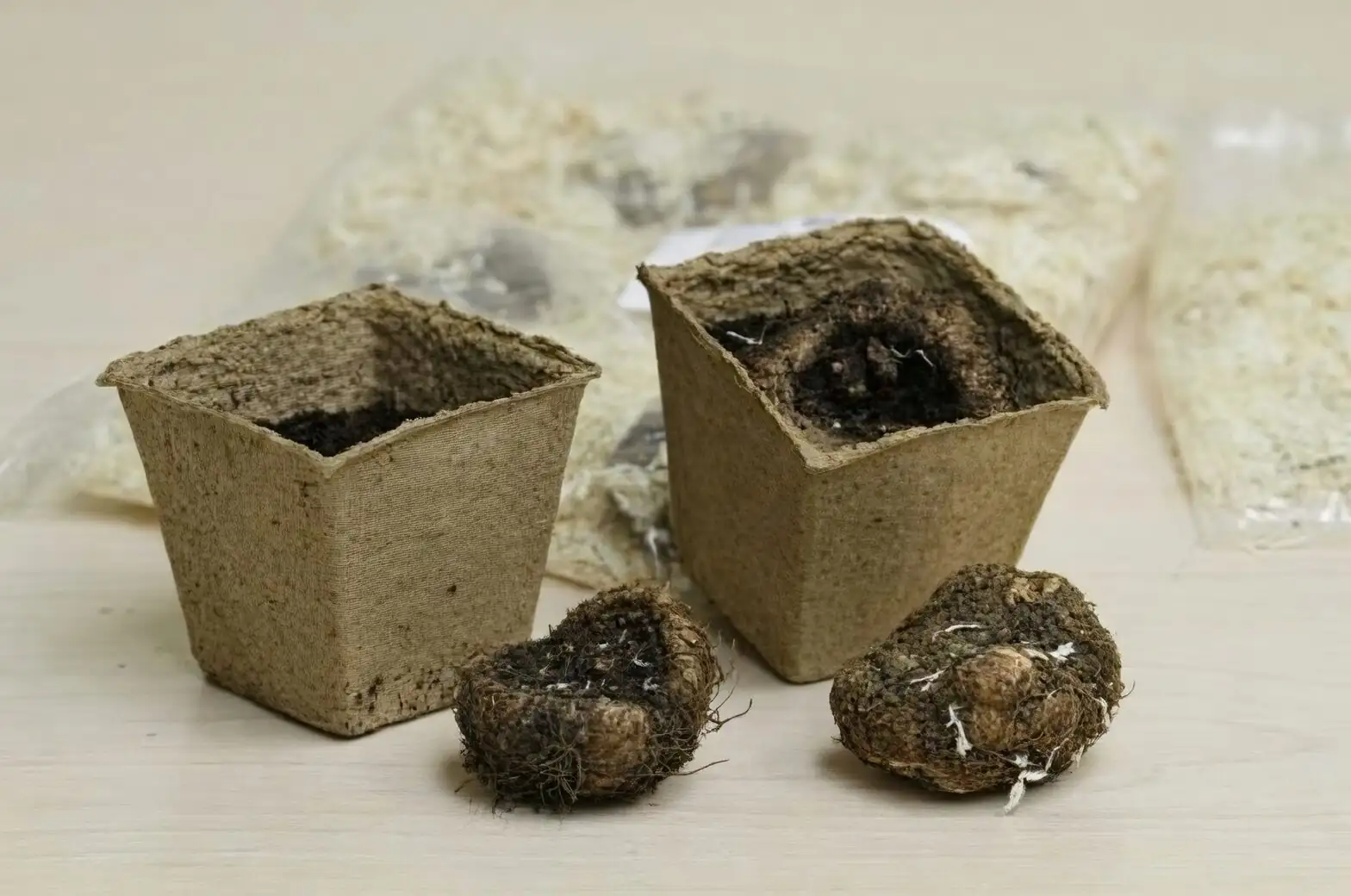
- Tuber choice: for strong flowering, select a dormant tuber at least 2 cm (0.8 in) across—firm, plump, and clean.
- Potting mix: rich yet free-draining—think a peat- or leaf-mold base blended with fertile loam and coarse sand/perlite. Avoid heavy, water-retentive soils.
- Raise containers on pot feet to keep drainage free and improve airflow around the base.
Feeding, Grooming, and Heat-Smart Care
- Fertilize every 10–14 days during active growth with a balanced-to-bloom feed (for example, a diluted organic liquid or a bloom formula such as 15-15-30 used per label).
- Deadhead promptly: remove spent blooms and their stalks to tidy the plant and send energy back to the tuber.
- If growth turns weak or leggy (often after long rainy spells), cut stems back to about half their height to encourage sturdy regrowth—provided the tuber is healthy.
- Pause or reduce feeding as flowering fades and dormancy approaches.
Indoor vs. Outdoor Placement Playbook
Indoors
- Ideal spots: bright living rooms, lightly curtained south/west windows, or airy sunrooms with filtered light.
- Boost humidity to 50–70% using a room humidifier or a wide pebble tray (keep the pot base above the waterline).
- Add a gentle fan for ventilation; avoid misting blooms.
Balconies and Patios
- Place where morning sun is fine but midday/afternoon sun is filtered.
- Provide overhead cover to deflect wind-driven rain.
- Space plants so leaves can dry quickly after watering.
- For hanging displays, ensure robust drainage and a sheltered position that still “breathes.”
Pests, Diseases, and Pet Safety
- Biggest threat: rot (stem, root, tuber) from excess moisture and poor airflow. Use a well-drained mix, protect from pounding rain, and ventilate.
- Pests: scale, aphids, thrips, and leaf-rolling caterpillars. Tactics include isolation, a firm rinse, insecticidal soap or horticultural oil, and targeted treatments as needed.
- Toxicity: begonias are commonly considered toxic to pets, especially the tubers. Keep away from cats, dogs, and curious children.
A Simple Seasonal Calendar
- Spring: Restart growth—repot if needed, increase light gradually, begin regular feeding and even moisture.
- Summer: Bright shade, steady warmth, moderate humidity with airflow; protect from heat spikes and heavy rain.
- Late summer to autumn: Reduce feeding and water as blooms fade; allow natural dieback.
- Autumn to winter: Lift and store dormant tubers in a cool, dry place (above 10°C / 50°F). Avoid damp storage.
Buying Guide (Plants or Tubers)
- Plants: pick compact, sturdy specimens with thick stems and lots of healthy buds/flowers.
- Dormant tubers: choose firm, plump, clean pieces—ideally round to flattened-round and at least 2 cm across.
Propagation Options
- Seed: sow indoors in January–February. Seeds are dust-fine—do not cover. Keep at 18–21°C (64–70°F); germination in about 10–15 days. Transplant at 2–3 true leaves into small pots.
- Cuttings: in June–July, take 10 cm (4 in) shoots with a tip bud; remove lower leaves, let the cut dry briefly, and root in a sandy medium. Rooting/callusing often takes about three weeks.
Symbolism and the “Flower Language”
Tuberous begonias are often linked with tenderness and affection—sometimes even the poignancy of unrequited love. These associations draw from Victorian floriography and later cultural storytelling rather than botany. Still, it’s easy to see why they earned such meanings: flamboyant yet soft-edged blooms that light up shaded spaces have a way of tugging at the heart.
Quick Troubleshooting
- Buds dropping or stems collapsing in heat? Move to cooler, bright shade with airflow; keep moisture steady.
- Mushy base or tuber? You’re overwatering or drainage is poor; correct conditions immediately. Badly rotted tubers are usually not salvageable.
- Pale leaves and weak growth? Increase brightness (without harsh midday sun) and resume modest feeding.
With tuberous begonias, exact placement is everything. Indoors, think bright windows minus the scorch; outdoors, think sheltered shade with a soft breeze. Protect the petals from wind and rain, keep the roots evenly moist yet airy, and respect the plant’s seasonal rest. Do that, and you’ll have a showstopper—season after season.