
When it comes to garden perennials that offer a feast for the eyes, Coral Bells (Heuchera sanguinea Engelm.) stand out like a box of crayons spilled onto a lush, green canvas. These stunning plants, affectionately known as Coral Bells, Alumroot, or Rock Geranium, have been delighting gardeners for generations with their vibrant foliage and delicate bell-shaped flowers. But there’s more to these colorful characters than meets the eye. Let’s dig deeper into the fascinating world of Heuchera sanguinea and uncover some of its lesser-known quirks and historical tidbits.
A Tapestry of Colors
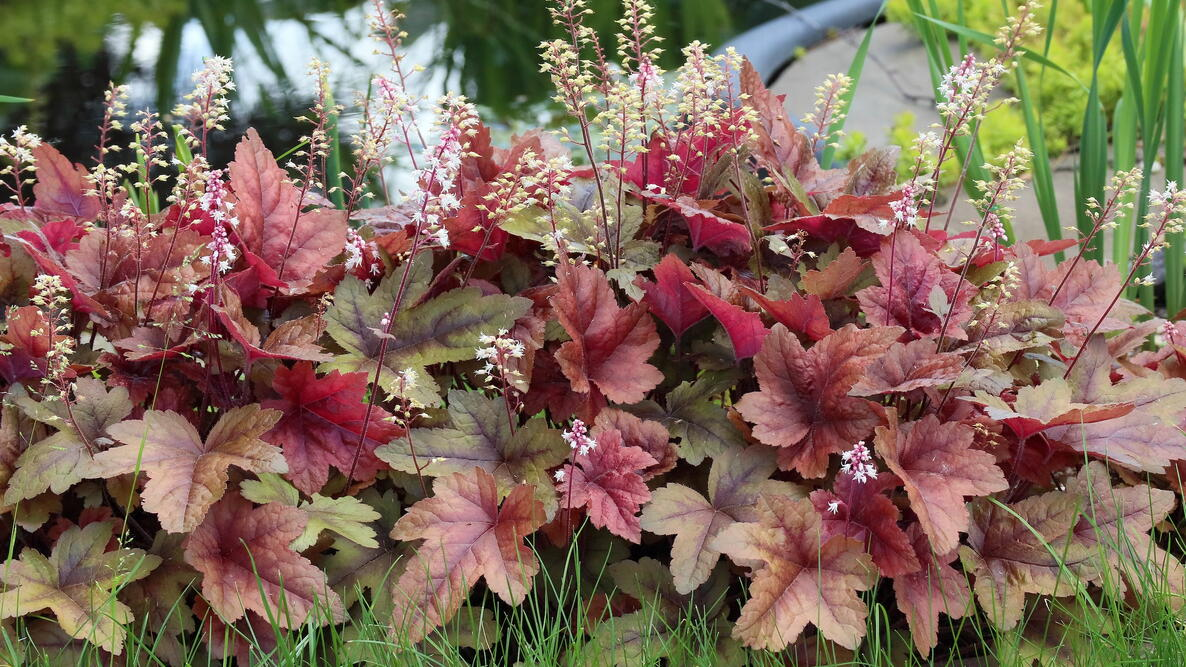
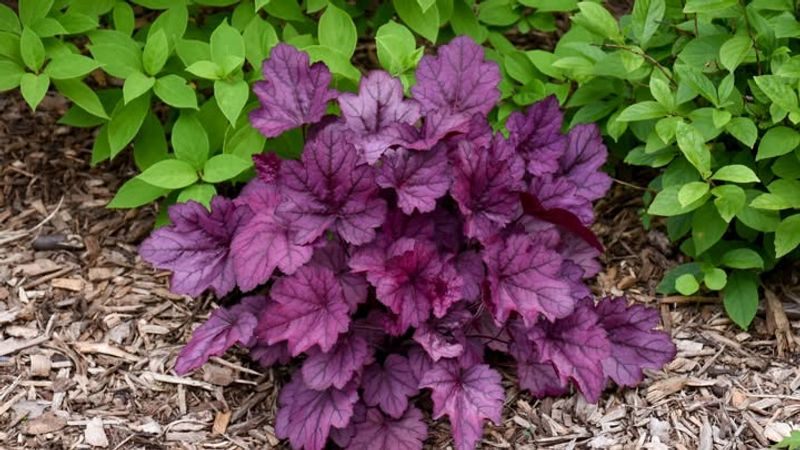
Coral Bells are renowned for their dazzling array of foliage colors. Imagine leaves that range from deep purples and burgundies to bright chartreuse, silvers, and even oranges. It’s like Mother Nature’s very own paint palette. This kaleidoscope of colors often comes embellished with contrasting veins and ruffled edges, adding an extra layer of texture and visual interest.
One of the quirky traits of Coral Bells is the dramatic difference between the top and underside of their leaves. This dual-color display creates a captivating effect, especially when the leaves catch a breeze and reveal their hidden hues. It’s a simple dance of nature that can transform a garden bed into a living masterpiece.
A Historical Nod to Johann Heinrich von Heucher
The Heuchera genus is named in honor of Johann Heinrich von Heucher, an 18th-century German physician and botanist. While Heuchera sanguinea is the star of our show, the genus includes several species that have contributed traits to modern hybrids, offering gardeners an ever-expanding palette of colors and forms.
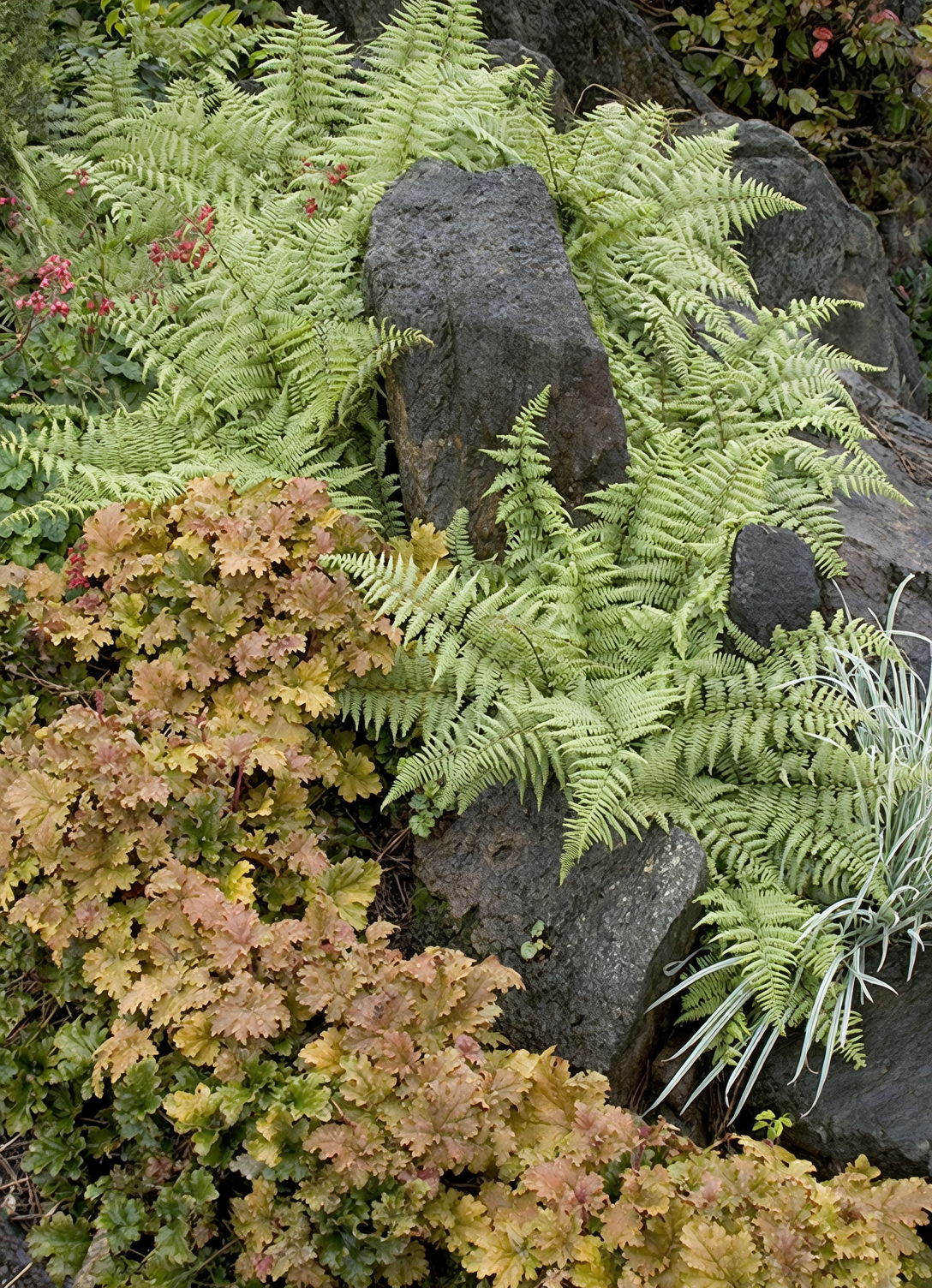
The family name, Saxifragaceae, is derived from Latin roots meaning “rock breaker.” This is a nod to the plant family’s ability to thrive in rocky environments, making Coral Bells an excellent choice for rock gardens or the edges of woodland settings.
The Allure of the Bells
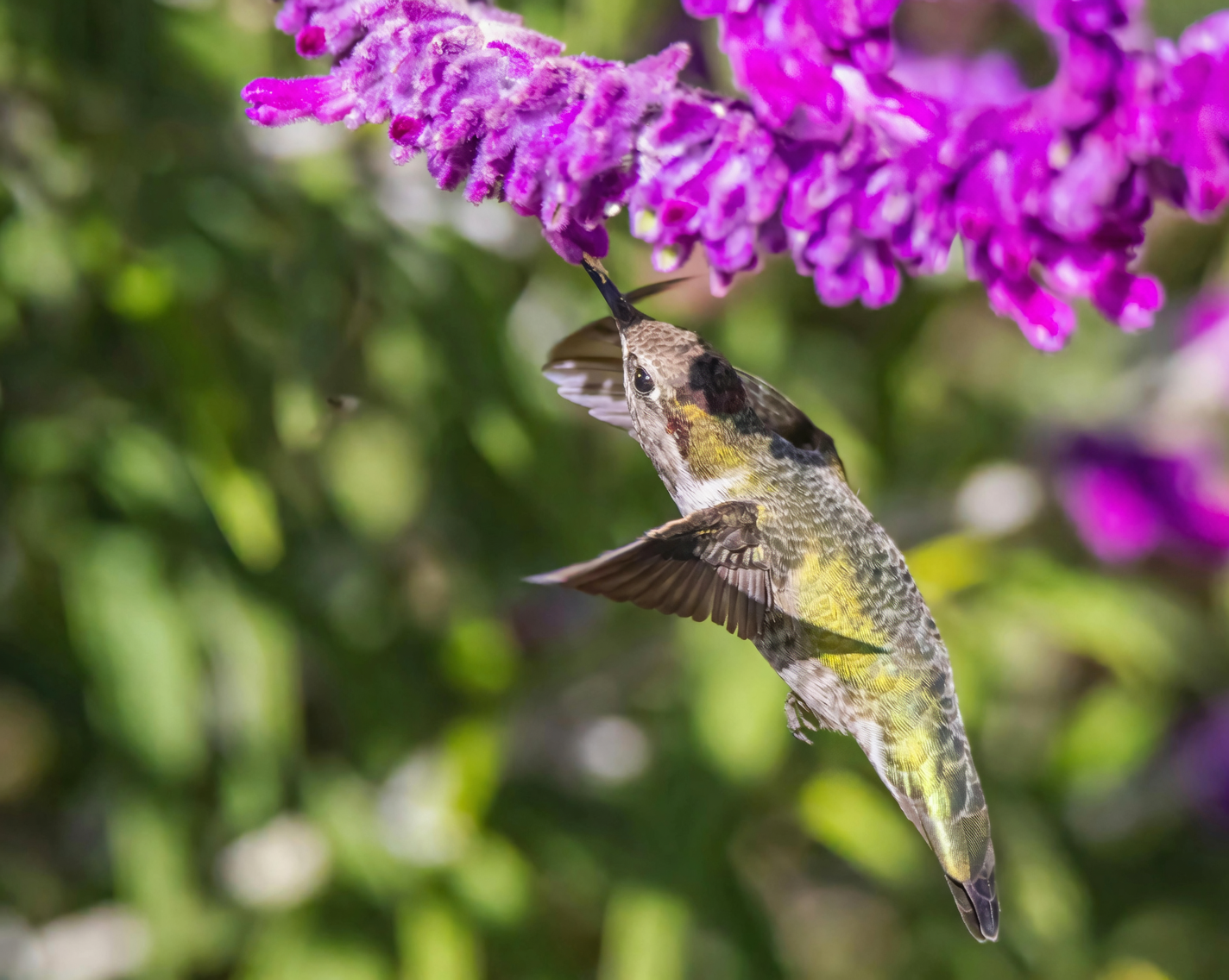
The name “Coral Bells” stems from the plant’s enchanting, bell-shaped blooms, which often appear in shades of coral-red but can also be found in pink, white, and cream. These delicate flowers emerge on slender, wiry stems, creating an airy, light-dancing effect above the foliage. The blooms are a magnet for hummingbirds and butterflies, turning your garden into a lively nature show.
While the flowers are charming, it’s the foliage that steals the spotlight. The leaves’ ability to maintain color throughout the seasons makes Coral Bells an invaluable addition to any garden, providing persistent color and texture in shaded areas and container arrangements.
The Resilient Perennial
Coral Bells are not just pretty; they are also tough cookies. These perennials are hardy in USDA Zones 4-9, capable of withstanding winter lows down to about -34°C (-30°F) and summer heat up to 38°C (100°F), provided they have some shade and adequate moisture. They are also remarkably deer and rabbit-resistant, thanks to their astringent foliage, which is less palatable to these garden grazers.
Care and Cultivation: A Gardener’s Delight
One of the joys of growing Coral Bells is their relatively low-maintenance nature. They thrive in partial to full shade, making them perfect for those tricky spots where other plants might struggle. However, selecting the right spot is crucial; while darker-leaved varieties can tolerate a bit more sun, lighter-colored cultivars prefer shadier locales to avoid leaf scorch.
To keep your Coral Bells happy, plant them in well-draining, organically rich soil, and ensure consistent moisture without waterlogging. A springtime top-dressing of compost or a balanced slow-release fertilizer is usually all they need to stay vigorous.
A Tale of Symbolism and Fortune
In the language of flowers, Coral Bells are often associated with gentle affection, admiration, and quiet resilience. Their ability to hold a garden together with persistent color through the seasons symbolizes unwavering support and beauty in diversity. Some Native American-inspired lore even links Coral Bells with good fortune and protection, adding a touch of mystique to their already charming presence.
Fun Facts: Did You Know?
- The nickname “Alumroot” hints at the plant’s astringent chemistry, which historically found medicinal uses, although today, it’s celebrated mainly for its ornamental value.
- Coral Bells hybridize readily, which means new leaf colors and patterns are constantly appearing in garden centers, keeping plant enthusiasts on their toes.
- Despite their delicate appearance, Coral Bells can handle a fair amount of neglect once established, showing decent drought tolerance in shaded environments.
Coral Bells are a testament to the beauty and resilience found in nature, proving that even the most vibrant plants can have humble beginnings. Whether you’re a seasoned gardener or a newcomer, these plants invite you to explore their quirks and celebrate the joy of gardening with a colorful twist.