

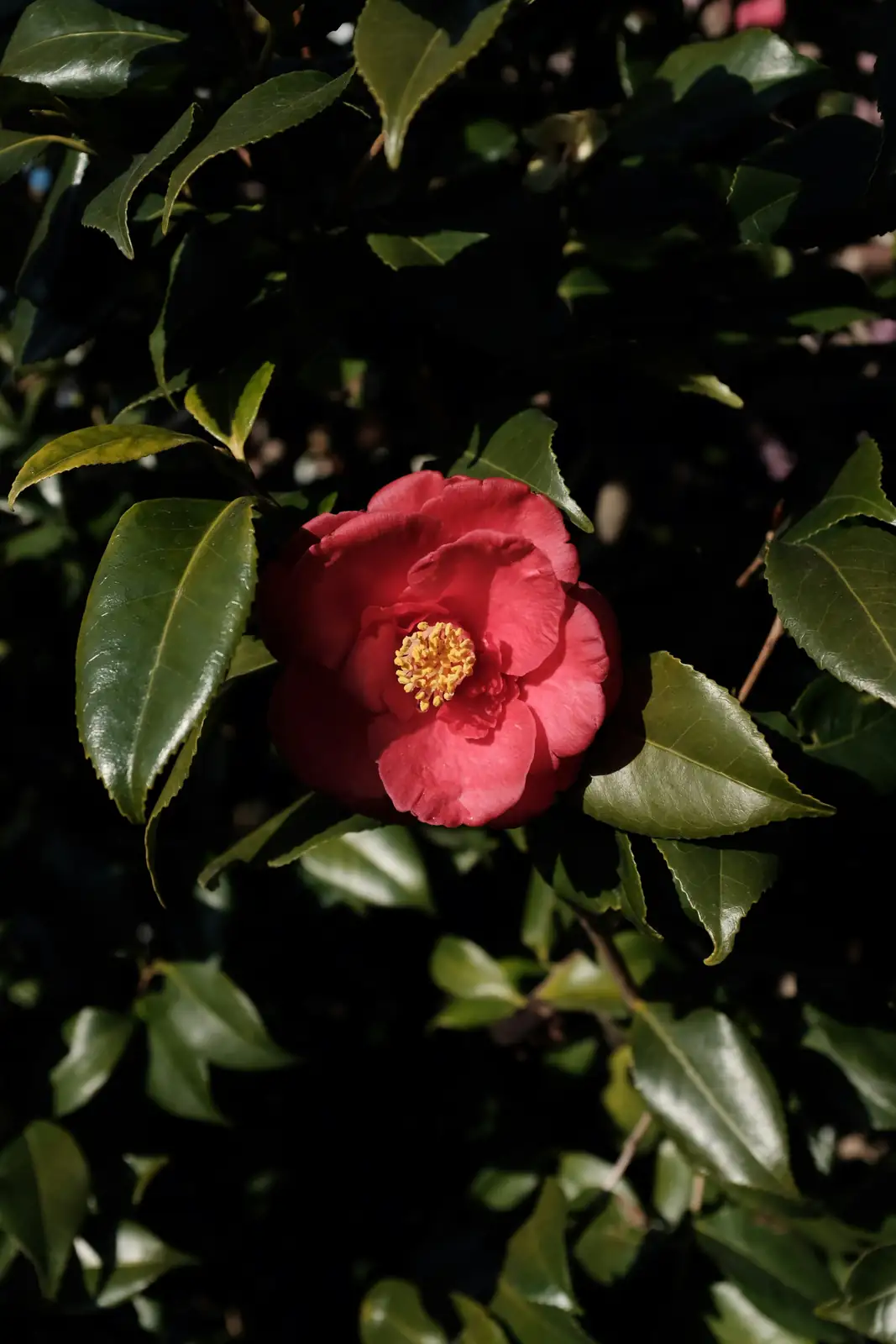
Beneath the serene canopy of East Asia’s lush forests, a marvel in the plant kingdom quietly thrives, charming gardeners and botanists alike with its elegant charm and quirky personality. Welcome to the delightful world of Camellia japonica, a plant that, despite its unassuming roots, holds a bouquet of surprises waiting to be discovered.
The Evergreen Charmer
Imagine strolling through a winter garden. The trees are bare, the grass is frosty, and there, amidst the monochrome landscape, stands the Camellia japonica, flaunting its glossy green leaves and vibrant blooms. This evergreen shrub is like the perennial optimist of the plant world, bringing a splash of color to the dreariest of days. Known commonly as the Japanese Camellia or simply Camellia, this plant’s charm lies not just in its beauty, but in its resilience and adaptability. Originating from the misty mountains of China, Korea, and Japan, it has found its way into gardens worldwide, much like a cultural ambassador of floral delight.
A Floral Symphony
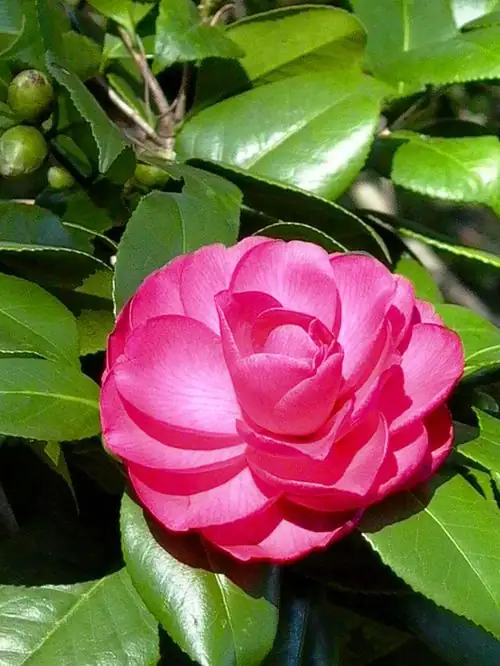
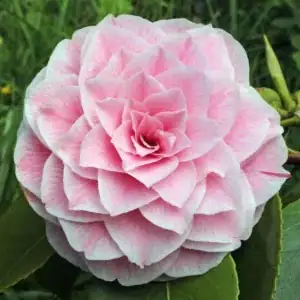
Camellia japonica doesn’t just bloom; it performs a symphony. Picture large, rose-like blooms that can be single, semi-double, or fully double, spreading across a palette of red, pink, white, and even charming bicolors. It’s as if the plant decided that winter needed a touch of theatrical flair. Each flower, ranging from 5 to 13 cm in diameter, is an artist’s dream, unfolding like a meticulously painted canvas. As you admire these blooms, it’s worth noting the plant’s preference for cool conditions—an indication that it’s a natural performer on the winter stage.
The Secret Life of Camellias
Did you know that some Camellia japonica plants can live for over a century? That’s right—they’re the wise elders of the garden, having witnessed countless seasons come and go. Their long lifespan is a testament to their adaptability and the care they receive. To keep a Camellia happy, think of it as a houseguest with specific tastes: acidic soil, bright but filtered light, steady moisture, and protection from the harsh sun. It’s a diva, but a lovable one, rewarding attentive care with spectacular blooms.
Blooming in the Face of Winter
One of Camellia japonica’s most remarkable quirks is its ability to bloom during the coldest months, from January to March. While most plants prefer to hibernate, the Camellia sees winter as an opportunity to shine. This unique trait has endeared it to many gardeners who appreciate a splash of color during the bleak, grey months. But beware—sudden temperature swings can trigger the dreaded bud drop, a reminder that even the most resilient plants have their Achilles’ heel.
Planting Tips: How to Woo a Camellia
- Light: Camellias are fans of bright, dappled light. Think of them as sunbathers who prefer a gentle morning sun and a shady afternoon retreat.
- Soil: Acidic, well-drained soil is a must. Imagine preparing a gourmet meal for a connoisseur; the right ingredients make all the difference.
- Water: Keep the soil evenly moist but never soggy. Overwatering is like overfeeding—a sure way to invite trouble.
- Temperature: They thrive in cooler climates but need protection from harsh frosts. Picture wrapping them in a cozy blanket during cold snaps.
A Symbolic Beauty
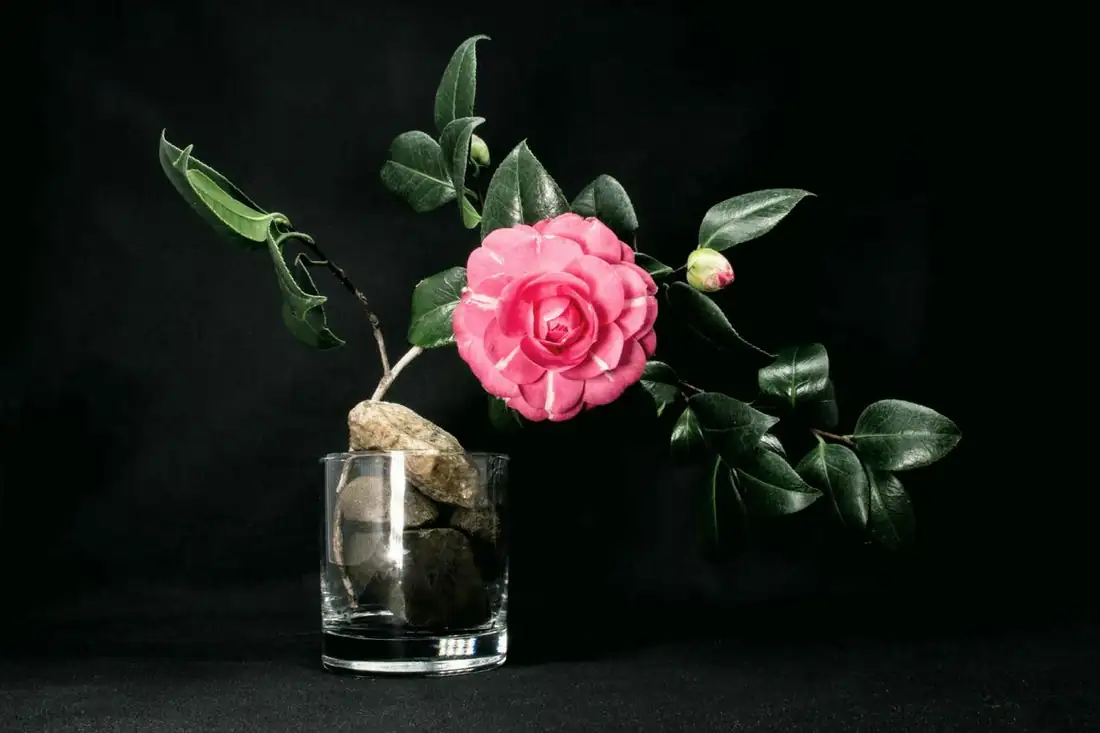
In the language of flowers, camellias speak volumes. Red blooms whisper of deep love and passion, white signifies purity, and pink conveys admiration. In China, they’re symbols of celebration and good fortune, often blooming around major winter holidays. Their cultural significance extends to Japan, where they’re associated with themes of honor and nobility.
A Plant of Many Talents
Beyond their ornamental allure, camellias have found their way into art and literature. They were celebrated in Alexandre Dumas’ novel “La Dame aux Camélias,” where they became a symbol of romance. And while our beloved Camellia japonica isn’t used for tea, its cousin, Camellia sinensis, is the star of every tea lover’s pantry.
Fun Facts to Bloom Your Mind
- Camellias can live for several decades, with some plants surpassing the century mark.
- There are hundreds of camellia species and thousands of cultivars worldwide.
- Although most Camellia japonica blooms aren’t fragrant, their visual appeal more than compensates.
So, whether you’re a seasoned gardener or a curious plant enthusiast, the Camellia japonica invites you to explore its world of winter blooms, vibrant colors, and timeless elegance. This plant isn’t just a garden occupant—it’s a storyteller, a companion through the seasons, and a reminder of nature’s ability to paint beauty even in the coldest of times.


